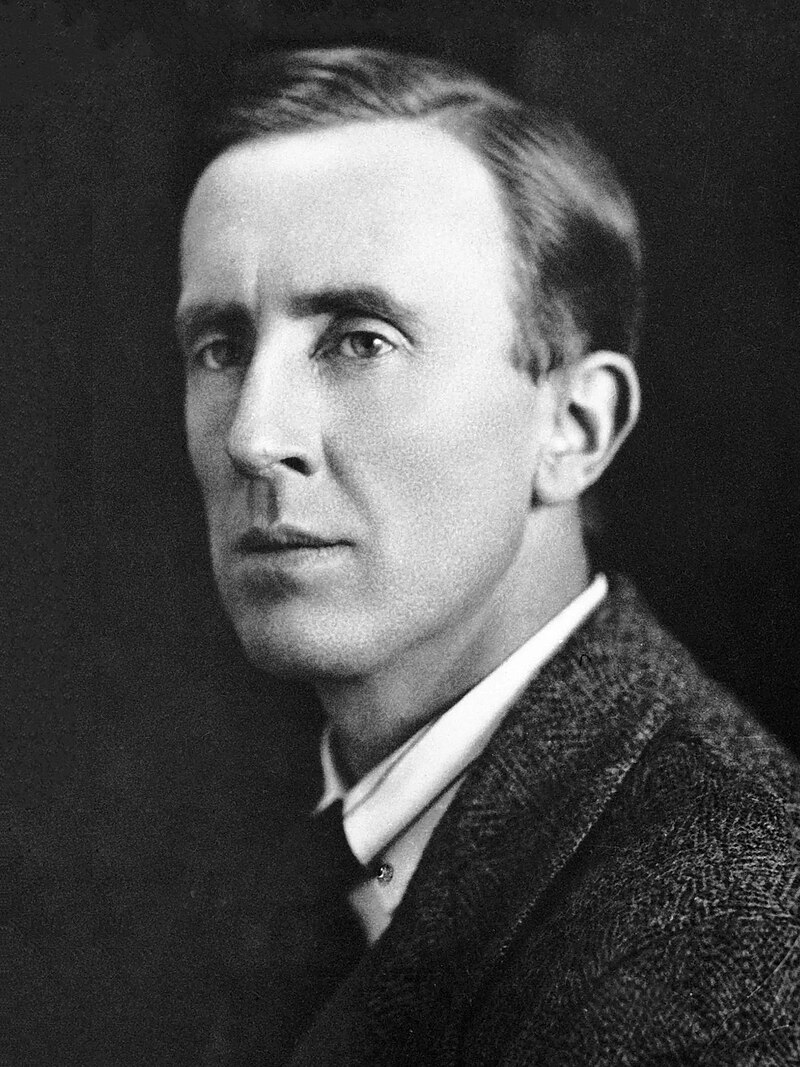
Portrait of J.R.R. Tolkien

Author profile

J.R.R. Tolkien: books, reviews, and where to start

J. R. R. Tolkien was a philologist, teacher, veteran, poet, and mythmaker who built Middle-earth from languages outward, joining epic history to the moral scale of walking, eating, mourning, and keeping faith.

1892-1973poetuniversity teacher

Biography and criticism

The scholar who made a mythology feel inherited

Tolkien's fantasy is not escapism from language and history. It is an argument that invented worlds become convincing through change, loss, translation, and things no living character fully remembers.

Languages before the map

John Ronald Reuel Tolkien was born in Bloemfontein in 1892 and grew up in England after his father's death. Orphaned young, he developed deep interests in languages, medieval literature, landscape, and private invented tongues. Service in the First World War, including the Battle of the Somme, brought illness and the loss of close friends. It did not provide a simple code for Middle-earth, but war, fellowship, ruined landscapes, and survival after catastrophe became inseparable from his imagination.

As a scholar at Leeds and Oxford, Tolkien worked on Old and Middle English and became an influential interpreter of Beowulf. His invented languages were not labels added after a story. They implied peoples, migrations, sound changes, poetry, and competing memories. The mythology grew around them as the history that would make linguistic difference possible.

The small traveler and the long defeat

The Hobbit began as a children's adventure with comic narration and a comfort-loving protagonist. Bilbo's small scale is the source of the book's moral seriousness. Courage does not require becoming a warrior, and possession of treasure can deform communities as readily as dragons do. The Lord of the Rings deepens the world and the cost. Its central action is not acquiring power but carrying and relinquishing it.

Tolkien's prose changes register deliberately: homely conversation, chronicle, landscape description, song, and elevated lament coexist. Readers impatient with songs or long journeys may miss that duration is part of the meaning. Saving a world requires feeling its roads and losses. The Silmarillion provides the tragic deep history but is not the best first book. Begin with The Hobbit, continue through The Lord of the Rings, and approach the posthumous works as differently edited windows into an unfinished legendarium rather than a single seamless canon.

The books in context

How the work develops on the page

These notes connect the biography to specific choices in the books. Each title links to the full spoiler-free review.

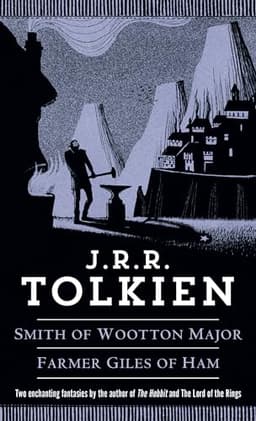
Farmer Giles becomes a hero by accident and receives an ancient sword just before the dragon Chrysophylax threatens his countryside.

Tolkien uses a practical farmer, a negotiable dragon, philological jokes, and mock-medieval language to parody heroic legend while delivering a satisfying fairy tale.

Giles succeeds through luck, reputation, local knowledge, and growing nerve, while Chrysophylax gives the dragon enough intelligence to complicate heroic convention.

There is little drag, though the opening philological jokes delay the dragon adventure for readers unfamiliar with the parody.

Yes. Giles converts accidental status into local independence, completing the satire without becoming the conventional hero the court expected.

An accidental local hero must confront the dragon Chrysophylax with an ancient sword, turning a mock-heroic village tale into a witty contest among farmer, king, and dragon.

Read the complete review

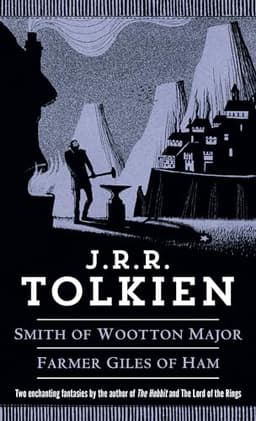
A fay-star swallowed at a village feast grants Smith passage into Faery, where wonder, beauty, and danger reshape his ordinary life.

The gift has a season and must pass onward, making this quiet late tale as much about aging and relinquishment as enchantment.

Tolkien keeps Faery's images precise but unexplained, contrasting them with the procedural language of feasts, offices, and village memory.

Smith's journeys remain largely unexplained, preserving Faery as encounter rather than mapped world, while village custom gives the gift a human cycle.

The symbolic figures and compressed life story create emotional distance, and readers expecting plot may find the tale elusive.

The village feast and office of Master Cook require attention before the star's meaning and Smith's travels become clear.

Yes. The relinquishment is sad, dignified, and necessary, giving aging and artistic succession unusual weight for such a short tale.

A magical star swallowed at a village feast grants Smith passage into Faery, but the gift carries a season and must eventually pass to another traveler.

Read the complete review

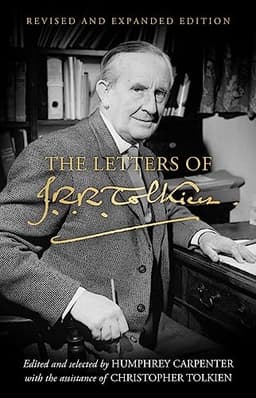
These letters to family, readers, publishers, and colleagues discuss invented languages, characters, theology, war, teaching, writing delays, and Middle-earth.

They do not form a continuous autobiography, but repeated concerns reveal Tolkien's creative responsibility, faith, linguistic pleasure, and response to success.

Tolkien shifts from affectionate family wit to theological argument and exact philological correction, making audience visibly shape every explanation.

Letters to family, readers, publishers, and colleagues reveal context and uncertainty that later summaries often turn into fixed doctrine.

Selection and chronology create gaps, repeated explanations assume different recipients, and the volume is better consulted than rushed straight through.

The collection naturally has no designed conclusion; its value accumulates in a voice responding to real occasions across decades.

Tolkien's correspondence discusses Middle-earth, language, faith, family, war, publishing, teaching, and the practical decisions behind his mythology and fiction.

Read the complete review

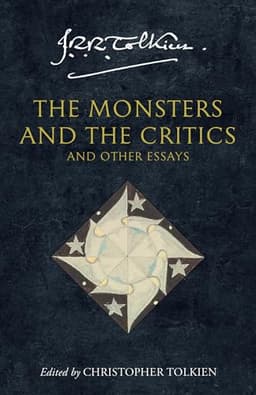
This collection includes Tolkien's famous argument that Beowulf's monsters are central to its artistic power rather than distractions from historical material.

Tolkien builds scholarly argument through close verbal distinction and suddenly vivid metaphor, allowing critical prose to acquire imaginative force.

The title essay restores the monsters to Beowulf's artistic design instead of treating them as embarrassing debris around historical evidence.

The technical linguistic essays demand slower reading and will interest a narrower audience than Beowulf or On Fairy-Stories.

As a collection it has no arc, but the breadth makes Tolkien's creative work look continuous with scholarship rather than separate from it.

Tolkien's scholarly essays examine Beowulf, medieval literature, language, translation, and fairy stories, showing the academic arguments that informed his imaginative work.

Read the complete review

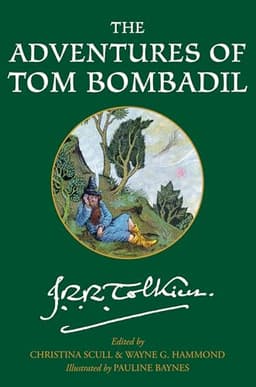
This collection presents poems attributed to the Red Book, including Tom Bombadil's comic encounters alongside walking songs, sea longing, nursery rhythms, and darker folklore.

It is not a prose sequel or explanation of Tom's identity; its pleasure lies in hearing Middle-earth remembered through popular verse.

Tolkien varies meter, rhyme, speaker, and implied manuscript source, treating form as evidence of fictional oral and written cultures.

The poems imply different authors, occasions, and local traditions, making the Shire feel culturally inhabited beyond the main quest.

Read the complete review

Where to begin

A good place to start with J.R.R. Tolkien
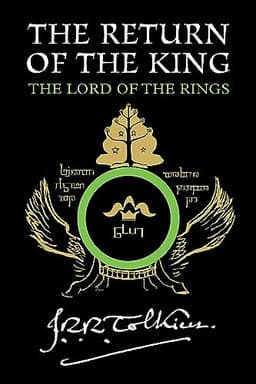
Cover of The Return of the King
Our highest-rated review

The Return of the King

4.9 / 5

The Return of the King delivers epic victory while devoting equal moral attention to exhaustion, grief, mercy, and the difficulty of returning home.
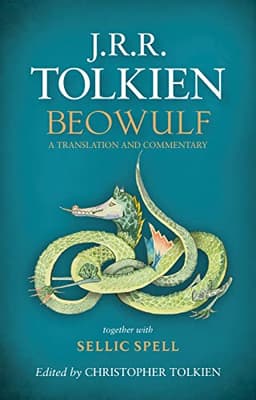
Cover of Beowulf: A Translation and Commentary
Most recently added

Beowulf: A Translation and Commentary

4.5 / 5

Tolkien's Beowulf is a deliberately archaic, attentive translation whose commentary is often more revealing than the version's surface accessibility.
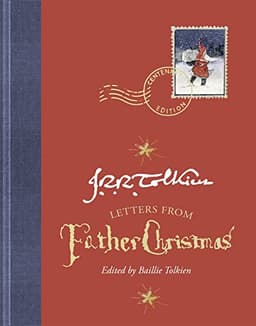
Cover of The Father Christmas Letters
Another route in

The Father Christmas Letters

4.5 / 5

The Father Christmas Letters preserve an affectionate family tradition whose drawings, handwriting, jokes, and yearly continuity create more charm than a conventional published story could.

Reading order and buying help

Reading guides featuring J.R.R. Tolkien

Fantasy recommendationsFantasy without romance

Series buying note

Collected editions worth comparing

These are useful only when you want several books in the same run. The notes below spell out what each package includes and, just as importantly, what it leaves out.
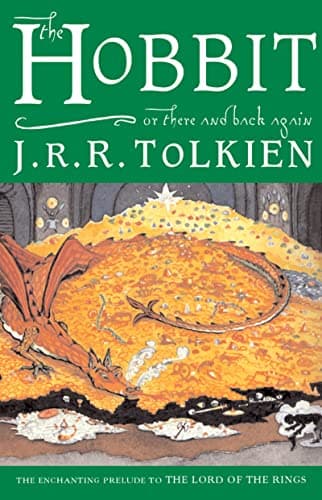
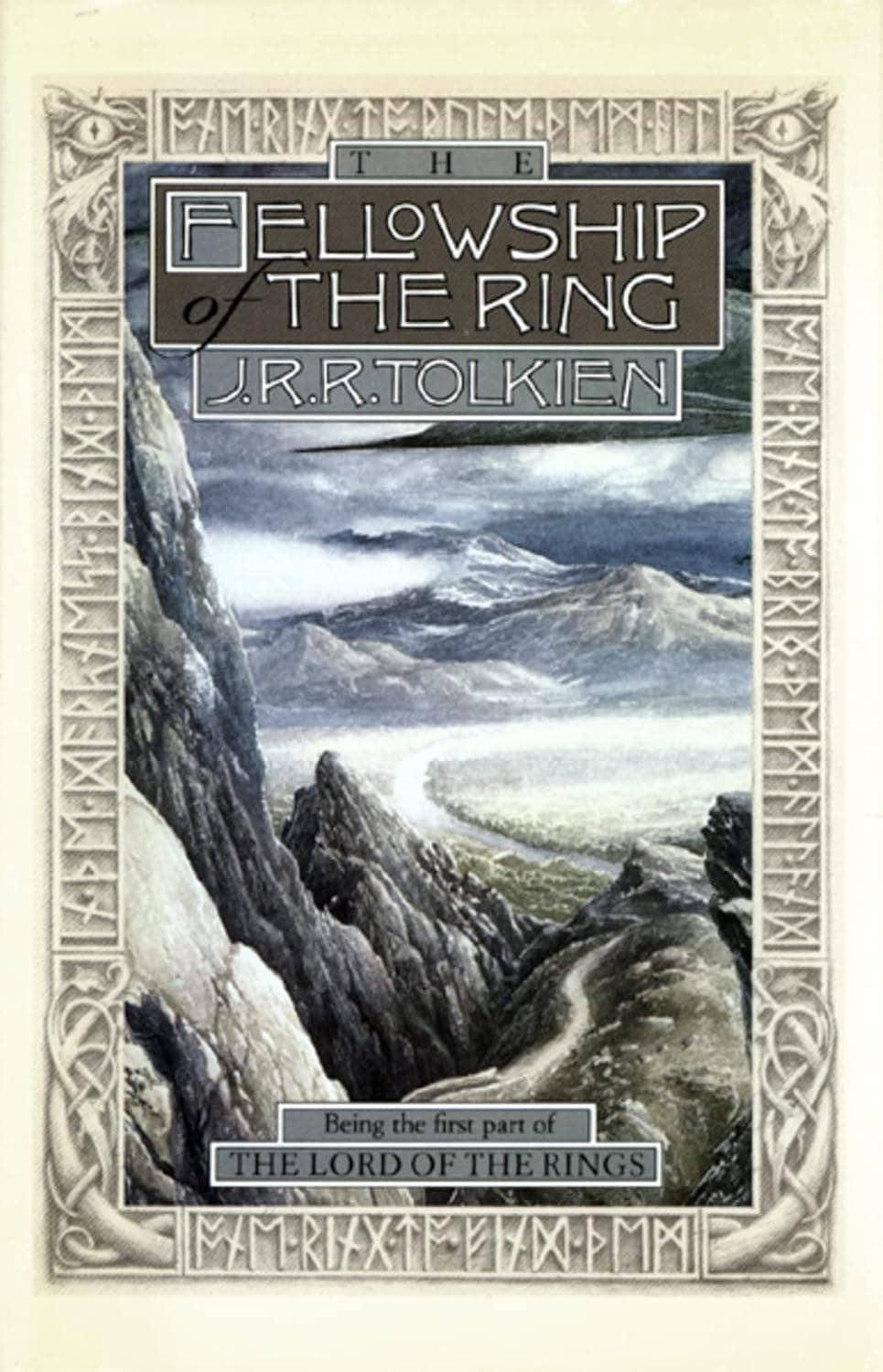
Four-book paperback box set

The Hobbit and The Lord of the Rings Boxed Set

The box gives a first-time Middle-earth reader the cleanest route from Bilbo's adventure through the complete Lord of the Rings story.

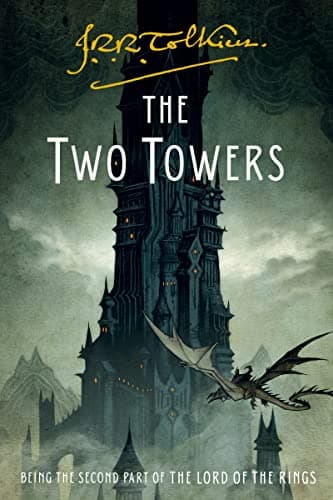
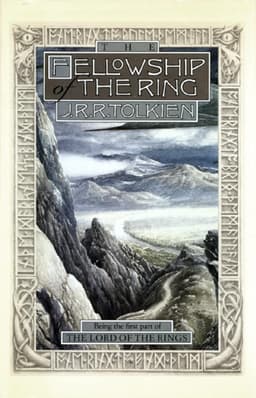
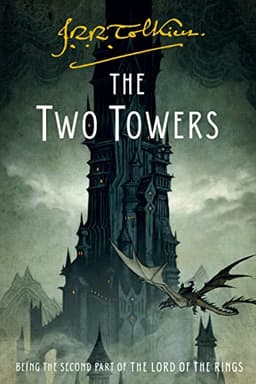
Included: The Hobbit, The Fellowship of the Ring, The Two Towers, The Return of the King

Our buying note: It is a sensible first Tolkien set, not a complete Middle-earth library. The Silmarillion and the later First Age books are separate purchases.

See collection formats on Amazon

As an Amazon Associate, I earn from qualifying purchases.
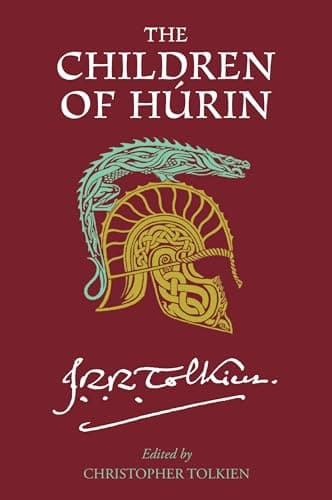
Three-volume hardcover box set

Great Tales of Middle-earth Box Set

These three First Age stories belong together on the shelf, but they do not all read like conventional finished novels. The Children of Hurin is the most continuous narrative.

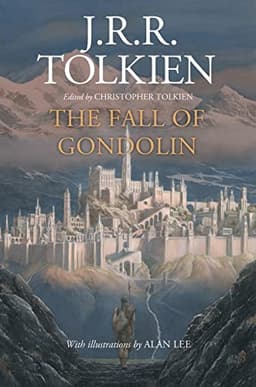
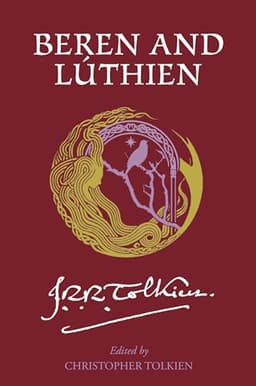
Included: The Children of Húrin, Beren and Lúthien, The Fall of Gondolin

Our buying note: This is best for readers already invested in Tolkien's deeper legendarium. Start with The Hobbit or The Lord of the Rings if names, textual variants, and editorial commentary sound like work rather than pleasure.

See collection formats on Amazon

As an Amazon Associate, I earn from qualifying purchases.
Bibliography

Books by J.R.R. Tolkien

Reviewed titles open directly on Book Review Guide. Other editions and works remain marked until a full review is published.

Bibliographic records: Open Library.

Reviewed bibliography

J.R.R. Tolkien books reviewed here

Every title below has a complete, spoiler-free review. Scores are our editorial ratings, not visitor averages.

Cover of Leaf by Niggle

20164.7 / 5

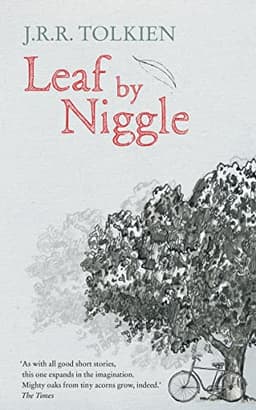
Leaf by Niggle

A Short Story

Leaf by Niggle is a gentle, unsettling masterpiece about art, duty, death, and the possibility that unfinished work may be larger than its maker understands.

Read the review
See current formats on Amazon

As an Amazon Associate, I earn from qualifying purchases.
Cover of Mr. Bliss

20243.9 / 5

Mr. Bliss

A Tale Written and Illustrated by J.R.R. Tolkien

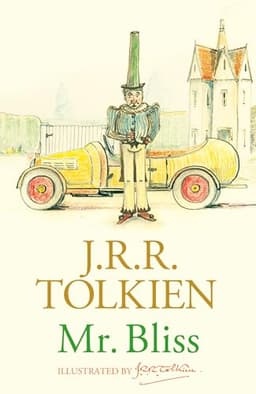
Mr. Bliss is a delightful illustrated curiosity whose chain of road accidents shows Tolkien's visual comedy more than his narrative depth.

Read the review
See current formats on Amazon

As an Amazon Associate, I earn from qualifying purchases.

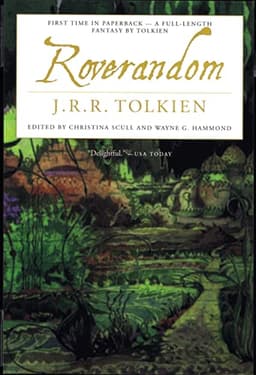
Cover of Roverandom

19984.2 / 5

Roverandom

A Tale by J.R.R. Tolkien

Roverandom is a buoyant children's fantasy whose transformations and travels preserve the improvisational warmth of a story invented for one grieving child.

Read the review
See current formats on Amazon

As an Amazon Associate, I earn from qualifying purchases.

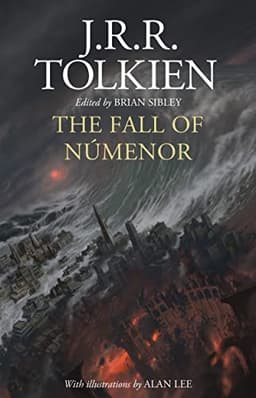
Cover of The Fall of Númenor

20224.5 / 5

The Fall of Númenor

And Other Tales from the Second Age

The Fall of Númenor gives the scattered Second Age a welcome chronological spine, even though it remains a compilation rather than a newly completed narrative.

Read the review
See current formats on Amazon

As an Amazon Associate, I earn from qualifying purchases.

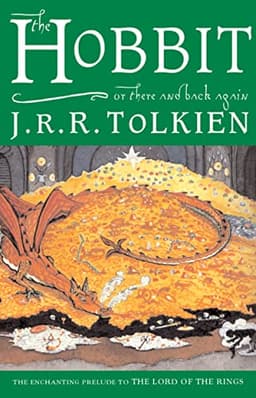
Cover of The Hobbit

20254.8 / 5

The Hobbit

Or, There and Back Again

The Hobbit remains a near-perfect adventure because its storyteller can make danger, greed, songs, and domestic comfort belong to the same warm but morally serious tale.

Read the review
See current formats on Amazon

As an Amazon Associate, I earn from qualifying purchases.

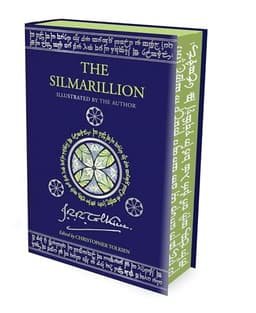
Cover of The Silmarillion

20224.6 / 5

The Silmarillion

The Myths and Legends of Middle-earth

The Silmarillion is difficult not because nothing happens, but because creation, exile, love, pride, and catastrophe move at the scale of myth rather than novelistic intimacy.

Read the review
See current formats on Amazon

As an Amazon Associate, I earn from qualifying purchases.

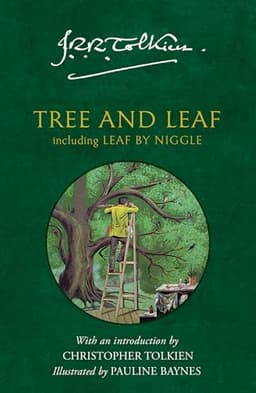
Cover of Tree and Leaf

20254.6 / 5

Tree and Leaf

Including On Fairy-Stories and Leaf by Niggle

Tree and Leaf is the best compact introduction to Tolkien's thinking about fantasy because its essay and fiction illuminate one another without reducing art to theory.

Read the review
See current formats on Amazon

As an Amazon Associate, I earn from qualifying purchases.