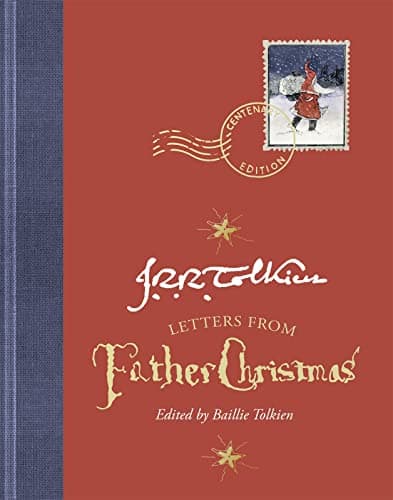
Should you read The Father Christmas Letters?
What works
The North Polar Bear's accidents, goblins, weather, and household problems build a private mythology that grows with Tolkien's children.
What may not work for you
The episodic annual format repeats explanations, and emotional value depends partly on interest in Tolkien's family life and facsimile presentation.
What may test your patience
There is no sustained plot; reading many letters at once can flatten the pleasure intended for yearly arrival.
Does the ending reward the effort?
The final letters gain poignancy as the recipients grow older, letting the tradition end through time rather than a manufactured climax.
Reading The Father Christmas Letters closely
Tolkien's children received illustrated letters from Father Christmas describing the accident-prone Polar Bear, goblin trouble, elves, damaged presents, and North Pole life.
The handwriting, stamps, and drawings make this feel like a family archive whose comic mythology grows across many Christmases.
A family tradition shared
Distinct voices, visual jokes, and continuity reward reading the letters chronologically.
Best way to read
Families can share one or two letters each December rather than treating it as a continuous novel.
Three useful comparisons
Roverandom
Roverandom is a fuller children's adventure born from another family story, with more continuous narrative.
Best for: Families and Tolkien readers wanting a playful standalone children's story with biographical warmth.
Mr. Bliss
Mr. Bliss is shorter, more visual, and built around escalating comic mishap.
Best for: Collectors and families curious about Tolkien's illustrated comic work beyond Middle-earth.
A Christmas Carol
A Christmas Carol offers a complete public classic with social criticism and ghostly redemption rather than private family play.
Best for: Newcomers to Dickens, families comfortable with ghostly imagery, and rereaders who want more social anger than most adaptations preserve.