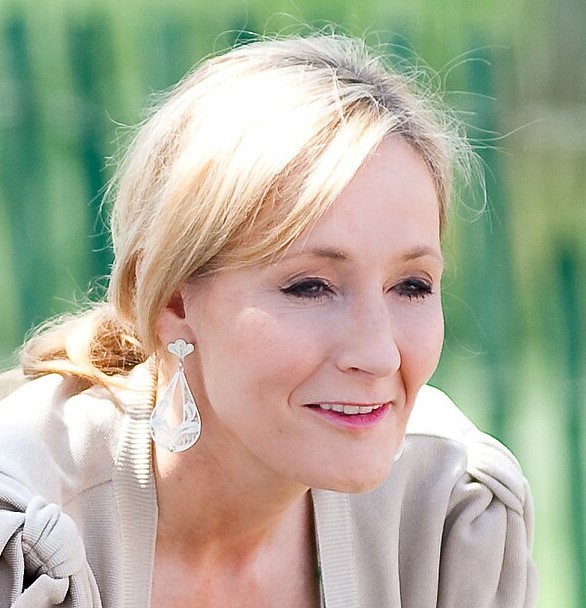
Portrait of J. K. Rowling

Author profile

J. K. Rowling: books, reviews, and where to start

J. K. Rowling created a school story large enough to become a global mythology, combining mystery plotting, comic detail, friendship, prejudice, and a child's changing understanding of adult institutions.

Born 1965writernovelist

Biography and criticism

The construction and complication of Harry Potter

Rowling's literary influence is inseparable from both the seven novels' achievement and the serious public controversy produced by her statements about transgender people.

A train idea becomes seven school years

Joanne Rowling was born in 1965 and studied French and Classics at the University of Exeter. She has described the central idea for Harry Potter arriving during a delayed train journey in 1990. The years before publication included her mother's death, work abroad, marriage and divorce, single parenthood, and sustained revision. Bloomsbury published Harry Potter and the Philosopher's Stone in 1997 after multiple rejections, using initials on the cover in the belief that young male readers might resist a visibly female author.

The series grows one school year at a time. Each early volume contains a mystery with clues, suspects, restricted spaces, and an end-of-year confrontation. The structure gives readers the reassurance of return while the political world darkens. Rowling's great strength is cumulative detail: a joke, object, rule, or minor prejudice introduced as school texture may acquire moral or plot weight several books later.

Legacy and a necessary critical boundary

Harry Potter made reading a shared generational event and transformed children's publishing, adaptation culture, and fantasy marketing. Its central moral language opposes blood hierarchy and treats friendship as chosen resistance. The books also contain stereotypes, uneven treatment of race, and institutions whose injustices are more often personalized than reformed.

Rowling later wrote adult fiction and, as Robert Galbraith, the Cormoran Strike mysteries. Her repeated public claims about sex and gender have been criticized as harmful to transgender people, including by readers and performers associated with Harry Potter. A literary profile should state that directly without pretending it settles every formal question about the novels. The books' themes of belonging now exist in tension with the author's public use of her platform. Readers can begin with Philosopher's Stone, but reading responsibly also means allowing affected readers to describe that tension in their own terms.

The books in context

How the work develops on the page

These notes connect the biography to specific choices in the books. Each title links to the full spoiler-free review.

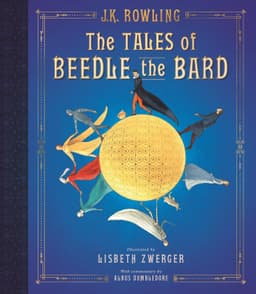
The Tales of Beedle the Bard gathers five wizarding fairy tales, presented as a Hogwarts Library treasure complete with Hermione Granger’s translation, Albus Dumbledore’s commentary, and charming illustrations. This overview stays light on specifics while explaining why the collection feels like a natural extension of the Harry Potter world.

Tone wise the book feels like a classic storybook with a clever twist. Mischief meets justice, bravery meets sacrifice, and the magic always reflects the heart of the witch or wizard who wields it. Some tales deliver cozy humor and happy endings. Others pulse with cautionary tension that will remind fantasy readers of the moral lessons in The Book Thief, even though the genres differ. That variety keeps the collection timeless and re-readable.

Albus Dumbledore’s annotations elevate the experience. His notes read like a blend of literary essay and wizarding history seminar, teasing out themes and slipping in in-world facts that expand canon. He even references artifacts you can explore in the official Wizarding World archive, which makes the companion feel immersive. Those insights add texture without breaking the narrative spell, so close readers will appreciate how the commentary reframes familiar lore.

As a physical book, The Tales of Beedle the Bard is purpose built for read aloud nights or quick doses of fantasy between epic novels. Short chapters, clean prose, and spot illustrations keep the pace brisk for younger readers while still offering enough depth for adults studying fairy tale structure. It is an inviting collectible for Hogwarts Library completists and a smart gift for anyone building a Harry Potter reading list.

Each tale has a distinct moral mechanism, and Dumbledore's notes complicate the apparent lesson through history, censorship, or social context.

The collection is very short, and the commentary sometimes explains implications the tales communicate adequately on their own.

There is little drag; the main interruption is moving from a compact tale into longer explanatory notes after its emotional effect has landed.

Yes. The final tale carries the greatest series relevance and still stands independently as a clear meditation on mortality and power.

The Father Christmas Letters are more intimate and visually playful, built from family tradition rather than public folklore.

Harry Potter fans who want a companion book that expands worldbuilding without major spoilers from the main series.

A Hogwarts Library treasure that collects five wizarding fairy tales, complete with Hermione Granger’s translation, Albus Dumbledore’s commentary, and charming illustrations.

Read the complete review

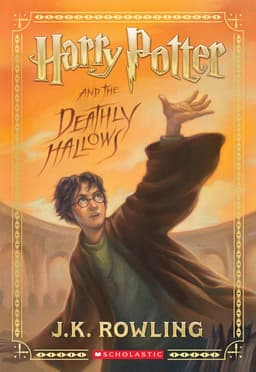
Harry Potter and the Deathly Hallows closes the series with a war story that pulls the trio out of school and into a world under siege. Mythic quests, found family courage, and long buried secrets all come to the surface as the wizarding world reaches its breaking point.

Worldbuilding sharpens around folklore, resistance networks, and long hinted magical rules. Old tales suddenly matter, symbols gain new meaning, and familiar spells are used in ways that feel fresh but earned. The pacing moves between quiet, tense stretches on the road and sudden bursts of action, giving the story room to explore grief and lore without losing momentum.

Characters carry the emotional weight. Harry walks a thin line between fear and duty, Hermione doubles down on preparation and stubborn hope, and Ron struggles with loyalty in ways that feel painfully human. Side characters reveal new sides and histories, while villains remain unsettling because their choices feel rooted in fear, prejudice, or hunger for power. Spanish editions titled Harry Potter y las Reliquias de la Muerte deliver the same mix of myth and intimate stakes.

The writing stays clear even as the plot threads finally knot together. Clues from earlier books pay off, battles feel chaotic but understandable, and the climax finds room for both spectacle and quiet, personal moments. If you want to revisit the immediate build up, our Harry Potter and the Half-Blood Prince review and the official lore at Wizarding World are useful companions. To keep the finale on your shelf, you can order it through our trusted Amazon affiliate link and round out your collection.

Rowling narrows viewpoint under uncertainty, then uses recovered stories and memories to reopen events Harry misunderstood, making interpretation part of the final action.

Removing the trio from Hogwarts tests their friendship without institutional shelter, and the final revelations reframe loyalty, sacrifice, and the pursuit of power.

The Horcrux search stalls for long stretches, the Hallows arrive late as another system to learn, and some deaths receive very little space.

The months of displacement, argument, and uncertain searching are the series' clearest drag, even though they communicate isolation and lack of leadership.

Yes overall. The central conflict resolves through choices prepared across the series, while the epilogue is more reassuring and conventional than the preceding moral complexity.

The Return of the King provides grander mythic warfare and a more extended account of the cost of coming home.

Mockingjay also removes its young hero from the original arena and focuses more sharply on propaganda and trauma.

A darker road trip structure where safe houses, forests, Horcrux hunts, and the Battle of Hogwarts all intersect.

Emotional conclusions for the trio and their allies that honor seven books' worth of friendship, mentorship, and sacrifice.

Readers looking for a Harry Potter and the Deathly Hallows review before gifting the finale to someone who loves epic fantasy.

Book clubs interested in comparing English passages with Harry Potter y las Reliquias de la Muerte while talking about truth, power, and chosen family.

Track every mention of the Deathly Hallows and each Horcrux revelation in a journal to spot how early the book signals its endgame.

Map the journey from Privet Drive to the Battle of Hogwarts to see how different locations reflect the trio's state of mind.

Pair key chapters, such as scenes at Shell Cottage or in the Forbidden Forest, with reflective playlists to underline their emotional impact.

This Harry Potter and the Deathly Hallows review celebrates a war torn finale where mythic quests, found family courage, and wizarding world secrets pay off every clue.

Read the complete review

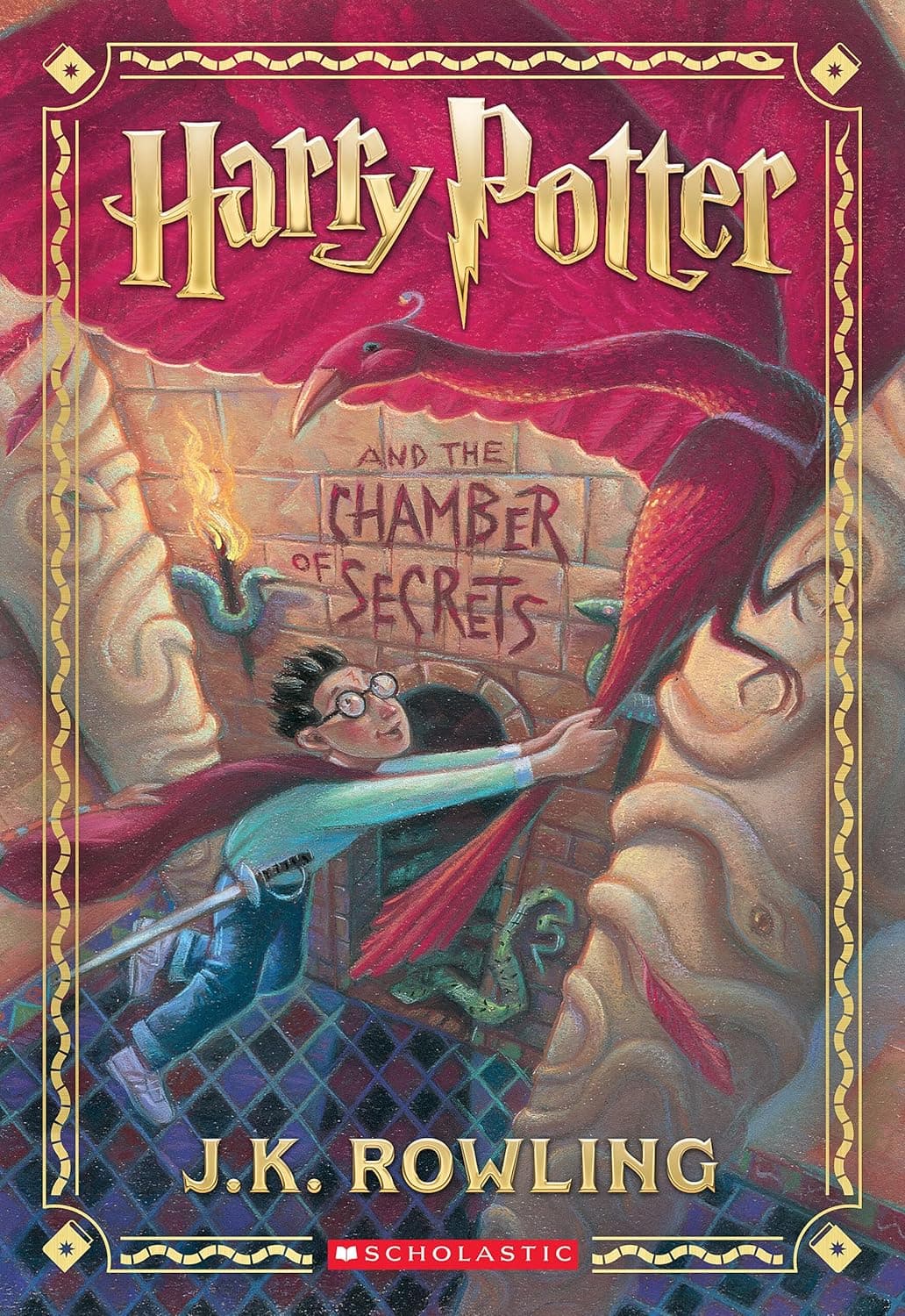
Harry Potter and the Chamber of Secrets returns to Hogwarts for a second year filled with ominous messages on the walls, petrified classmates, and whispers about an ancient horror in the castle. The book leans into gothic touches while preserving the humor and warmth that made the first installment so welcoming.

Read the complete review

Where to begin

A good place to start with J. K. Rowling
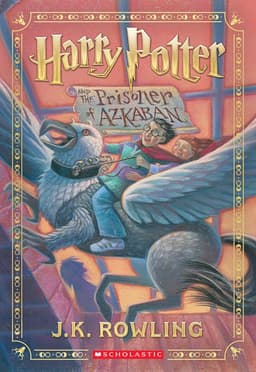
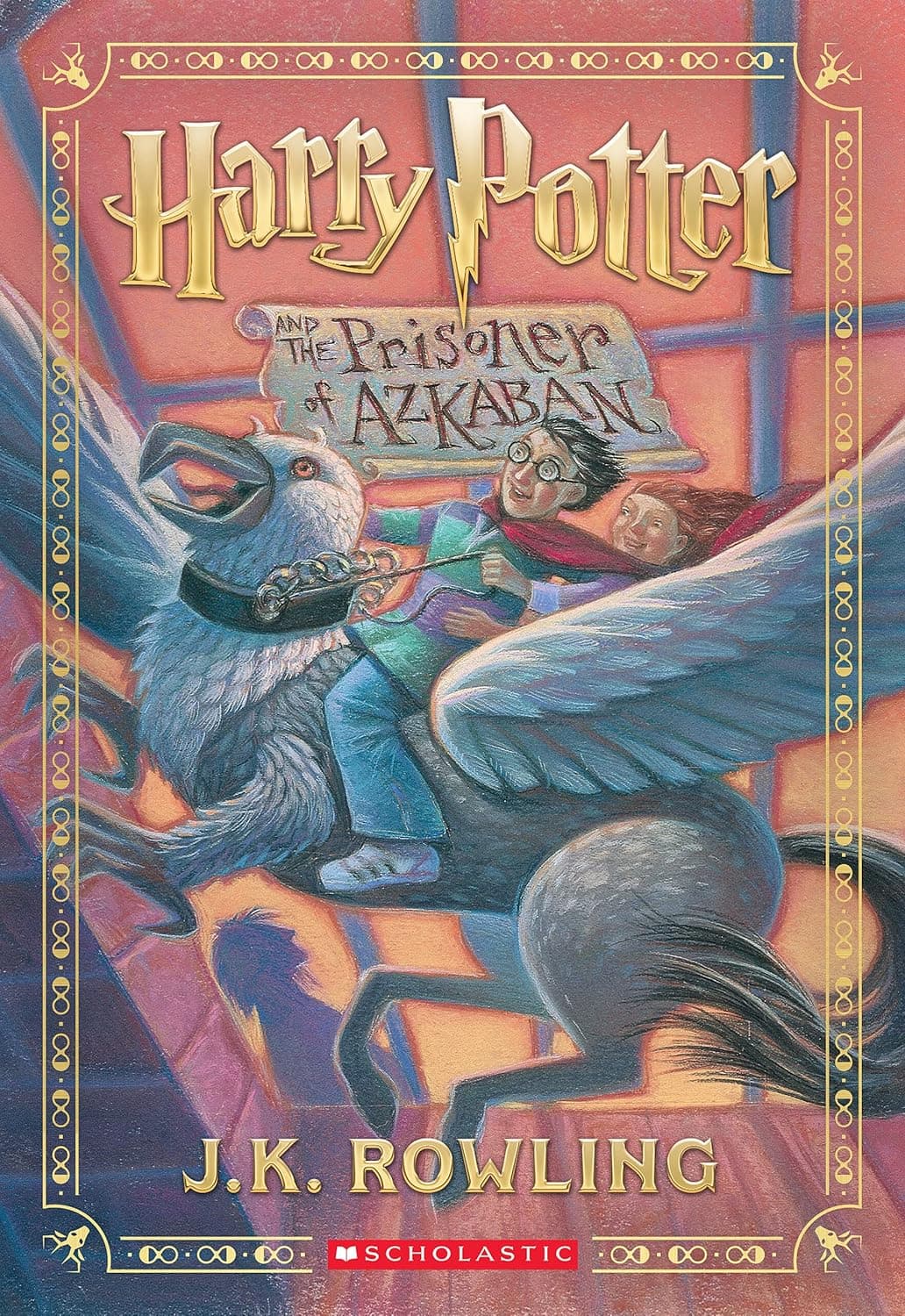
Cover of Harry Potter and the Prisoner of Azkaban
Our highest-rated review

Harry Potter and the Prisoner of Azkaban

4.7 / 5

Prisoner of Azkaban is the series' most complete individual novel, joining school-year pleasure to a mystery about fear, memory, and failed adults.
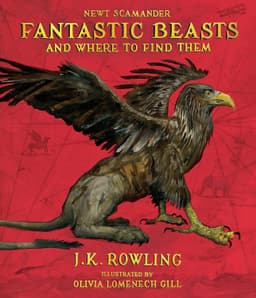
Cover of Fantastic Beasts and Where to Find Them
Most recently added

Fantastic Beasts and Where to Find Them

3.9 / 5

Fantastic Beasts and Where to Find Them is a charming piece of fictional reference material, but too slight to satisfy readers expecting a narrative.
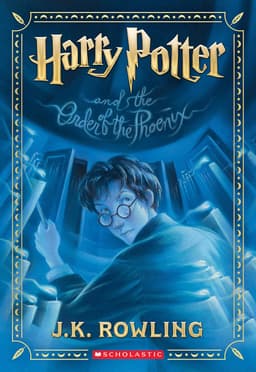
Cover of Harry Potter and the Order of the Phoenix
Another route in

Harry Potter and the Order of the Phoenix

4.3 / 5

Order of the Phoenix captures adolescent anger and institutional gaslighting with force, but its length makes both the frustration and the school year overextended.

Reading order and buying help

Reading guides featuring J. K. Rowling

Reading orderHarry Potter books in order

Series buying note

Would the collection be the better buy?

These are useful only when you want several books in the same run. The notes below spell out what each package includes and, just as importantly, what it leaves out.

Seven-book hardcover box set

Harry Potter Hardcover Boxed Set

All seven main novels are here in durable hardcovers, so there is no edition switching halfway through Harry's school years.

Included: Harry Potter and the Philosopher's Stone, Harry Potter and the Chamber of Secrets, Harry Potter and the Prisoner of Azkaban, Harry Potter and the Goblet of Fire, Harry Potter and the Order of the Phoenix, Harry Potter and the Half-Blood Prince, Harry Potter and the Deathly Hallows

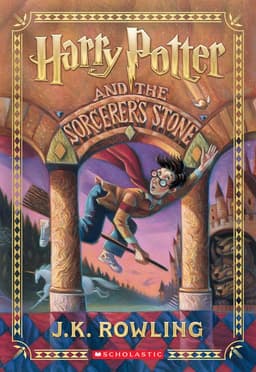
Our buying note: The set is heavy and costs more than the paperback box. The U.S. edition calls book one Harry Potter and the Sorcerer's Stone; our review uses the U.K. title, Philosopher's Stone. Companion books such as The Tales of Beedle the Bard are not included.

See collection formats on Amazon

As an Amazon Associate, I earn from qualifying purchases.

Bibliography

Books by J. K. Rowling

Reviewed titles open directly on Book Review Guide. Other editions and works remain marked until a full review is published.

Bibliographic records: Open Library.

Reviewed bibliography

J. K. Rowling books reviewed here

Every title below has a complete, spoiler-free review. Scores are our editorial ratings, not visitor averages.