
Should you read Harry Potter and the Philosopher's Stone?
What works
Diagon Alley, the train, houses, classes, and Quidditch make entry into the magical world a sequence of concrete pleasures rather than one exposition dump.
What may not work for you
Several adults ignore obvious danger for plot convenience, and the moral division among houses is much simpler than the later series can sustain.
What may test your patience
The opening with the Dursleys deliberately delays Hogwarts; first-time readers usually enjoy the contrast, but rereaders may feel the wait.
Does the ending reward the effort?
Yes. The final tests reward different members of the trio and close Harry's first school year while leaving the deeper threat clear.
Reading Harry Potter and the Philosopher's Stone closely
Harry Potter and the Philosopher's Stone by J.K. Rowling introduces a warm yet suspenseful magic school story that launches the entire wizarding saga. This first book establishes the core friendships, the rules of the magical world, and the mix of humor and danger that keeps readers turning pages.
Worldbuilding details keep the magic grounded. Enchanted letters pour into the Dursleys' home, Diagon Alley offers tactile shopping scenes, and Hogwarts Castle feels alive with moving staircases, talking portraits, and high stakes Quidditch matches. The rules of spells, house points, and everyday wizarding customs stay consistent, which builds trust for new fantasy readers and makes Hogwarts feel like a functioning school.
The characters make the book especially memorable. Harry is earnest and brave, Hermione brings sharp intelligence, Ron adds loyal humor, and the staff ranges from gentle mentors to quietly unsettling guardians of secrets. Their friendship underpins everything from Charms lessons to the underground challenges that drive the mystery at the end.
The writing is clear and inviting, ideal for family read aloud sessions or nostalgic adult rereads.
Three useful comparisons
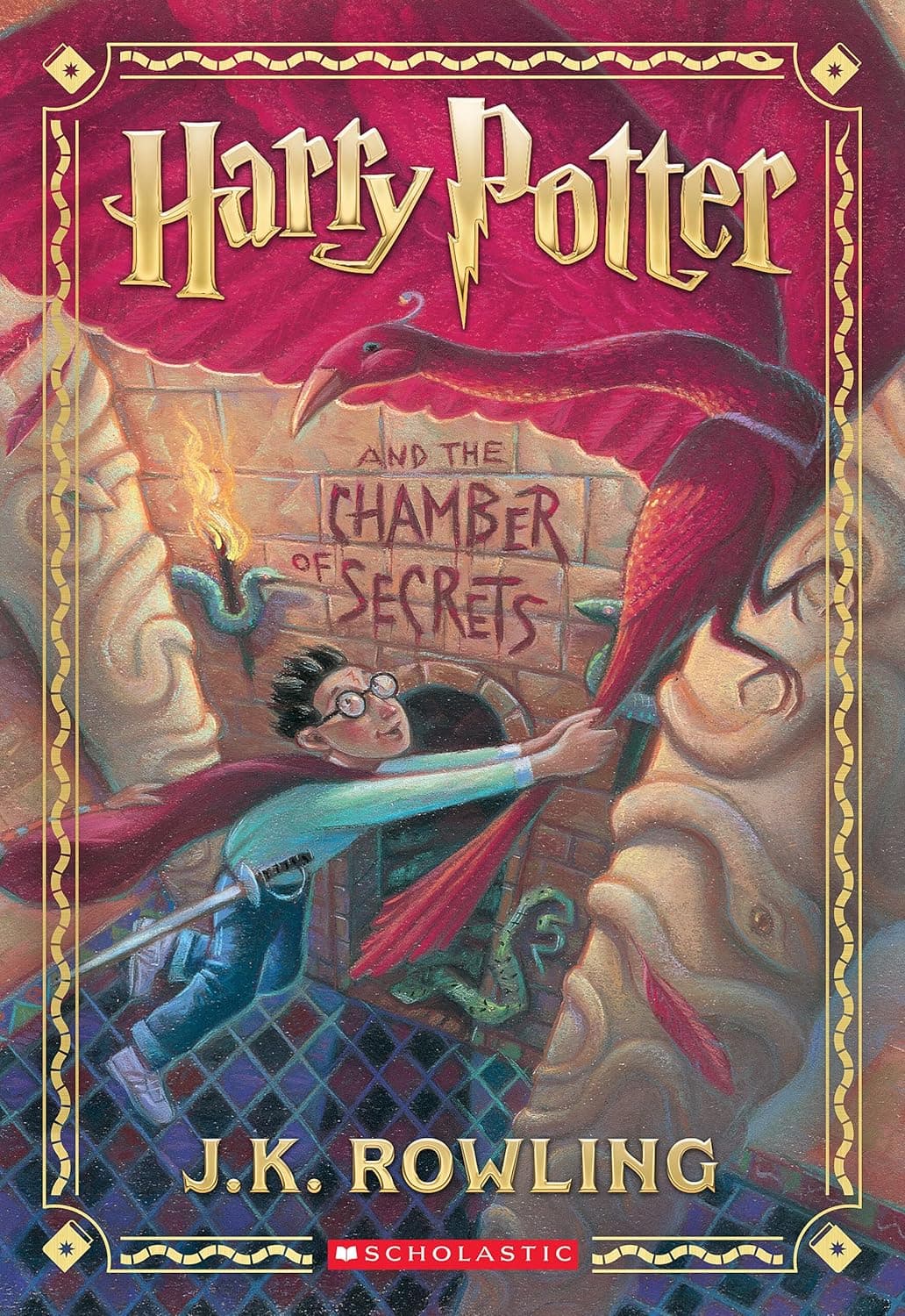
Harry Potter and the Chamber of Secrets
Chamber of Secrets is darker and more mystery-driven, but should follow this introduction.
Best for: Readers continuing the series who want a darker Hogwarts mystery with monsters, school history, and friendship under suspicion.
A Wizard's Guide to Defensive Baking
Defensive Baking is shorter, more critical of failed adults, and built around one narrow magical talent.
Best for: Confident middle-grade readers, teens, and adults who want whimsical magic with murder, persecution, and institutional critique.
The Hobbit
The Hobbit offers a more traditional journey, richer narrative voice, and less school-centered wish fulfillment.
Best for: Families, younger readers, and adults wanting an accessible classic adventure with humor, danger, and moral weight.
Compare 10 more books like Harry Potter and the Philosopher's Stone
Make the next decision
Reading and buying guides featuring Harry Potter and the Philosopher's Stone
Series buying note
Would the collection be the better buy?
These are useful only when you want several books in the same run. The notes below spell out what each package includes and, just as importantly, what it leaves out.
Seven-book hardcover box set
Harry Potter Hardcover Boxed Set
All seven main novels are here in durable hardcovers, so there is no edition switching halfway through Harry's school years.
Included: Harry Potter and the Philosopher's Stone, Harry Potter and the Chamber of Secrets, Harry Potter and the Prisoner of Azkaban, Harry Potter and the Goblet of Fire, Harry Potter and the Order of the Phoenix, Harry Potter and the Half-Blood Prince, Harry Potter and the Deathly Hallows
Our buying note: The set is heavy and costs more than the paperback box. The U.S. edition calls book one Harry Potter and the Sorcerer's Stone; our review uses the U.K. title, Philosopher's Stone. Companion books such as The Tales of Beedle the Bard are not included.