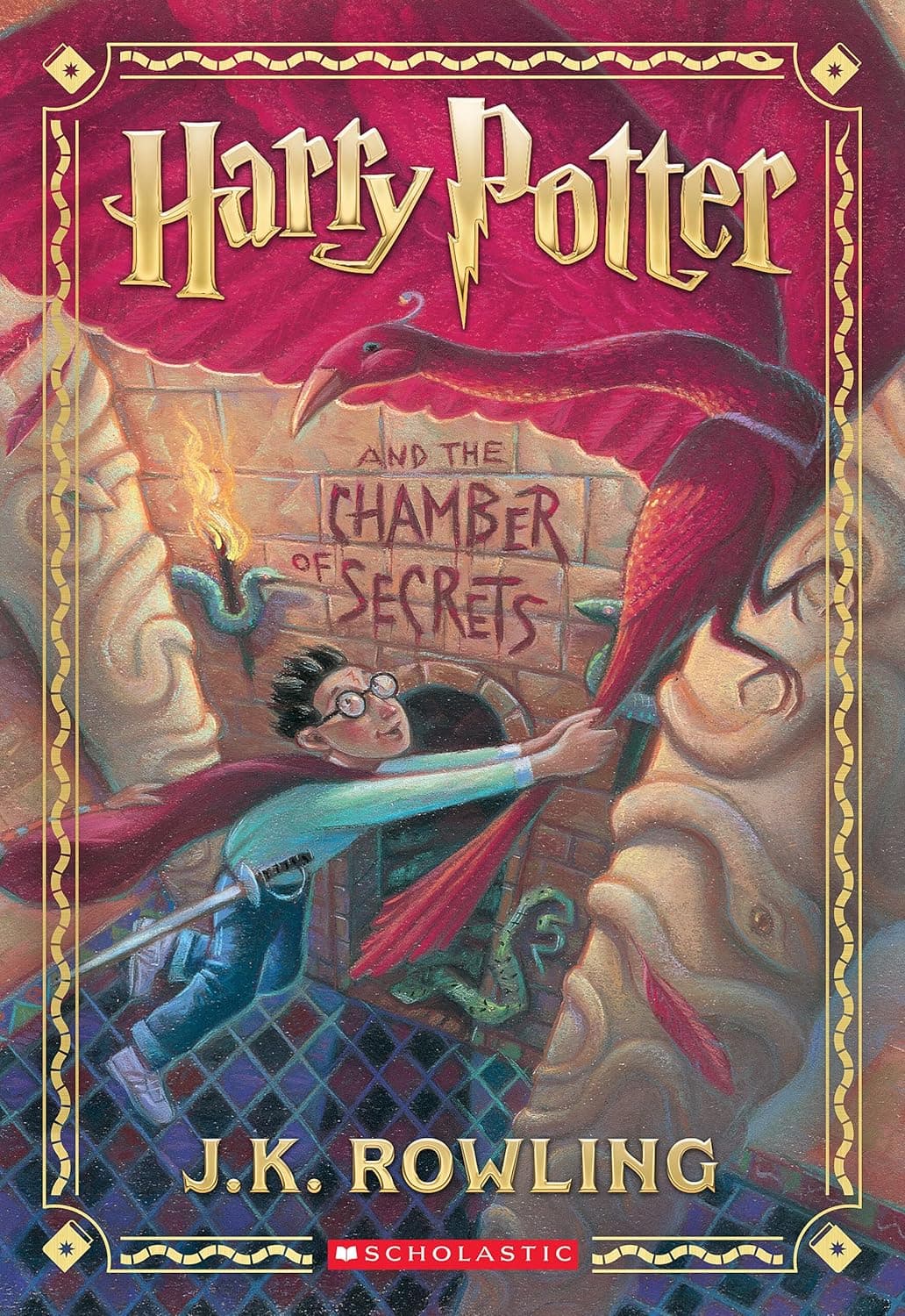
Should you read Harry Potter and the Chamber of Secrets?
What works
The attacks, voices in the walls, diary, and school history form a satisfying trail, while fear changes how familiar corridors and friendships feel.
What may not work for you
The adults again withhold or miss crucial information, and Ginny receives limited interior presence despite carrying much of the plot's emotional burden.
What may test your patience
Dobby's repeated sabotage creates delay and frustration before the central mystery begins, especially once his warning has been understood.
Does the ending reward the effort?
Yes. The solution links the diary, school legend, prejudice, and Harry's choices in a climax prepared throughout the year.
Reading Harry Potter and the Chamber of Secrets closely
Harry's second year begins with warnings and sabotage, then turns into a school mystery when messages appear on the walls and students are found petrified. Empty corridors, a voice no one else can hear, and an old story about a hidden chamber make Hogwarts less safe without removing the classroom comedy.
Herbology mishaps, the Duelling Club, phoenixes, and acromantulas enlarge the school without feeling detached from the mystery. Gilderoy Lockhart is especially useful: his vanity is funny, but his habit of claiming other people's work also mirrors the book's concern with reputation and false stories.
Hermione's research keeps producing evidence, Ron's loyalty holds when suspicion turns toward Harry, and Dobby's chaotic attempts to help create trouble long before his warning makes sense. Ginny matters greatly to the plot but is given too little interior life.
The style remains clear and approachable. Clues are planted fairly, red herrings stay playful, and the final reveal feels properly set up, which makes this volume satisfying for middle-grade fantasy fans and adults chasing a familiar comfort read.
Three useful comparisons
Harry Potter and the Philosopher's Stone
Philosopher's Stone is warmer and more discovery-led; read it first for the world and friendships.
Best for: Children, families, and adults wanting accessible school fantasy, friendship, mystery, and a strong sense of discovery.
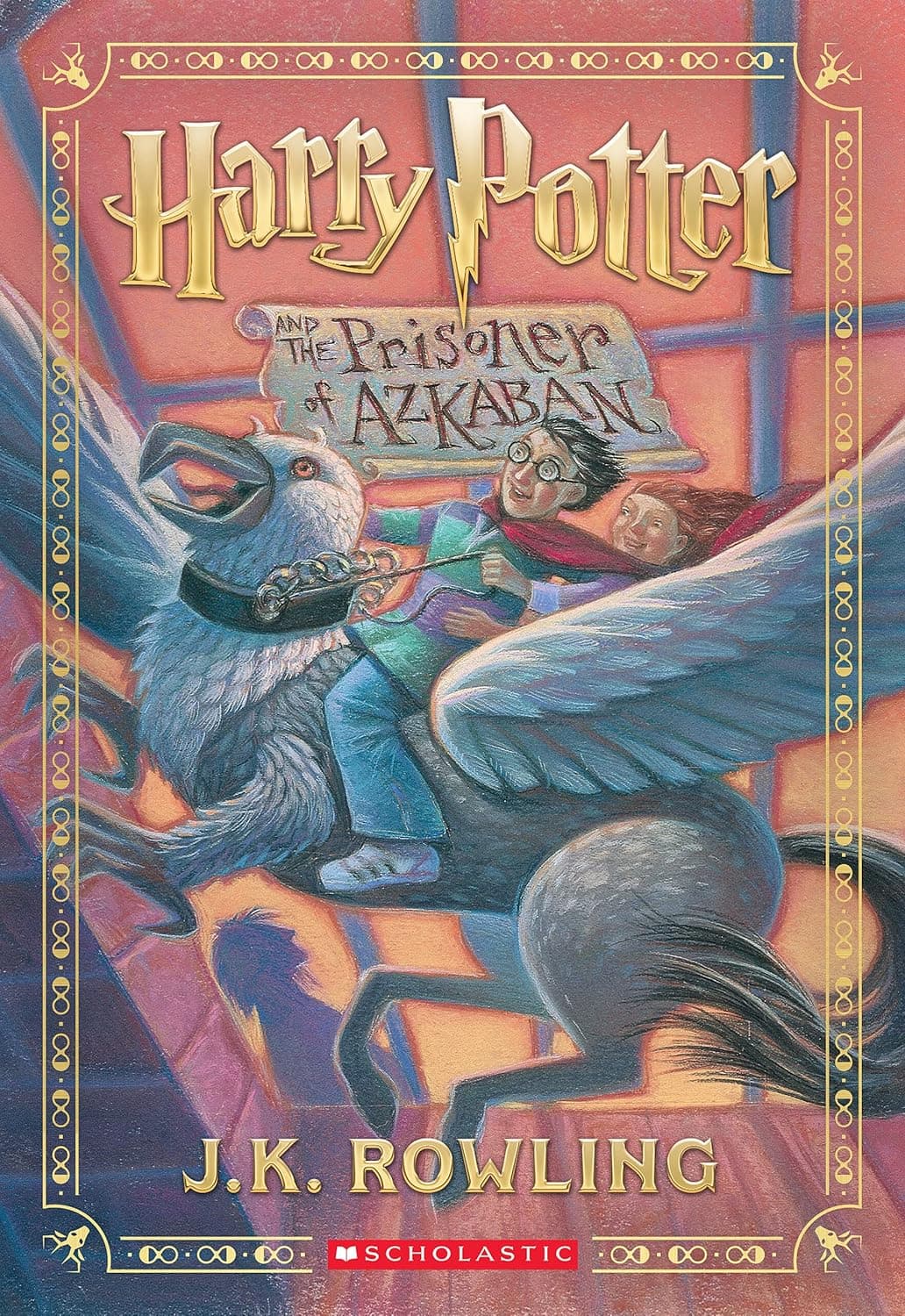
Harry Potter and the Prisoner of Azkaban
Prisoner of Azkaban offers more emotional complexity, stronger adult backstory, and the series' best-contained structure.
Best for: Series readers wanting a darker but still self-contained school adventure with the richest character payoff of the early books.
The Tainted Cup
The Tainted Cup is an adult fantasy mystery with far more rigorous evidence and institutional worldbuilding.
Best for: Mystery readers who want a fair trail of clues and fantasy readers who enjoy learning a world through an investigation.
Compare 10 more books like Harry Potter and the Chamber of Secrets
Make the next decision
Reading and buying guides featuring Harry Potter and the Chamber of Secrets
Series buying note
Would the collection be the better buy?
These are useful only when you want several books in the same run. The notes below spell out what each package includes and, just as importantly, what it leaves out.

Seven-book hardcover box set
Harry Potter Hardcover Boxed Set
All seven main novels are here in durable hardcovers, so there is no edition switching halfway through Harry's school years.
Included: Harry Potter and the Philosopher's Stone, Harry Potter and the Chamber of Secrets, Harry Potter and the Prisoner of Azkaban, Harry Potter and the Goblet of Fire, Harry Potter and the Order of the Phoenix, Harry Potter and the Half-Blood Prince, Harry Potter and the Deathly Hallows
Our buying note: The set is heavy and costs more than the paperback box. The U.S. edition calls book one Harry Potter and the Sorcerer's Stone; our review uses the U.K. title, Philosopher's Stone. Companion books such as The Tales of Beedle the Bard are not included.