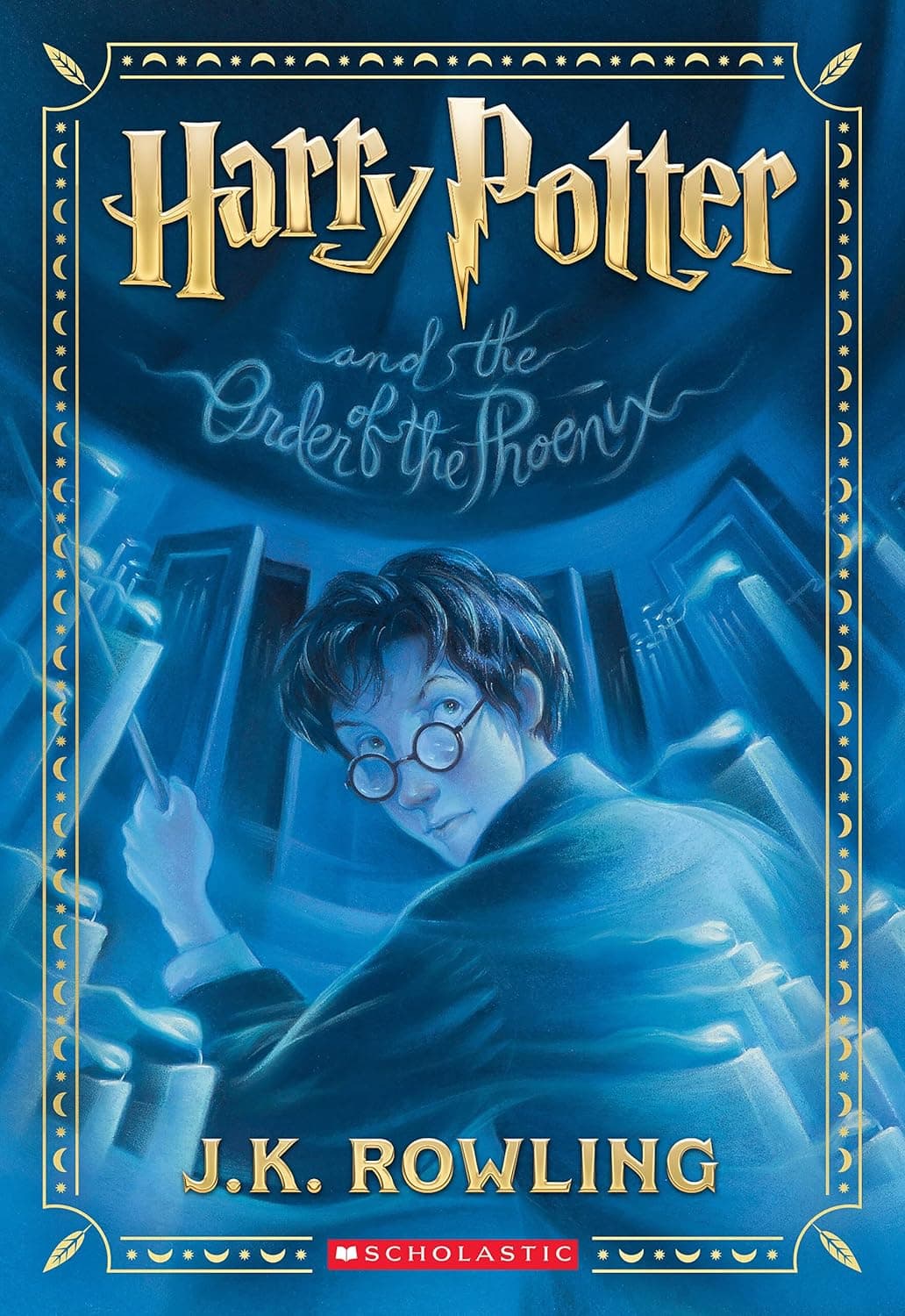
Should you read Harry Potter and the Order of the Phoenix?
What works
Umbridge turns paperwork, curriculum, punishment, and polite language into credible authoritarian tools, while Dumbledore's Army gives resistance a practical communal form.
What may not work for you
Harry's isolation repeats, communication failures are engineered to preserve the climax, and subplots crowd a book already carrying political denial and grief.
What may test your patience
The cycle of detention, hostile press, dreams, and unshared information in the middle is intentionally oppressive but narratively exhausting.
Does the ending reward the effort?
Mostly. The loss and prophecy matter, though the catastrophe relies heavily on adults and teenagers withholding information from one another.
Reading Harry Potter and the Order of the Phoenix closely
Harry returns to a world determined to deny what happened to him. The Ministry controls the public story, Dumbledore will not explain his distance, and Hogwarts acquires an official who can turn any challenge into another rule. Classes and exams continue, but the school year is now organized around who gets believed.
Dolores Umbridge does not need spectacular magic to be frightening. She uses curriculum, inspections, detentions, decrees, and a sweet public manner to make cruelty look administrative. Dumbledore's Army answers with something equally practical: students teaching one another the skills their school refuses to provide.
Harry is angry, lonely, and often unfair to the friends trying to help him. The repetition can be exhausting, but it also keeps his grief from becoming one solemn speech and then disappearing. Luna's calm refusal to be embarrassed offers him a kind of companionship the more established friendships cannot.
The book is too long. Detentions, dreams, Occlumency failures, and missed conversations repeat the same pressure until frustration becomes the reading experience as well as Harry's condition. Grimmauld Place and the Department of Mysteries contain strong material, but the finale depends on communication failures the adults should have prevented.
Three useful comparisons
Harry Potter and the Goblet of Fire
Goblet is more varied and spectacular; Order follows its consequences through trauma and denial.
Best for: Readers ready for a longer, darker series turn with international worldbuilding, competition, adolescence, and death.
Harry Potter and the Half-Blood Prince
Half-Blood Prince is more focused, with stronger mystery, romance, and preparation for the endgame.
Best for: Series readers who want character history, gathering dread, school romance, and direct preparation for the finale.
1984
1984 offers a far harsher and more systematic account of official language rewriting reality.
Best for: Readers interested in propaganda, surveillance, political language, and dystopias that offer pressure rather than escapism.
Compare 10 more books like Harry Potter and the Order of the Phoenix
Make the next decision
Reading and buying guides featuring Harry Potter and the Order of the Phoenix
Series buying note
Would the collection be the better buy?
These are useful only when you want several books in the same run. The notes below spell out what each package includes and, just as importantly, what it leaves out.

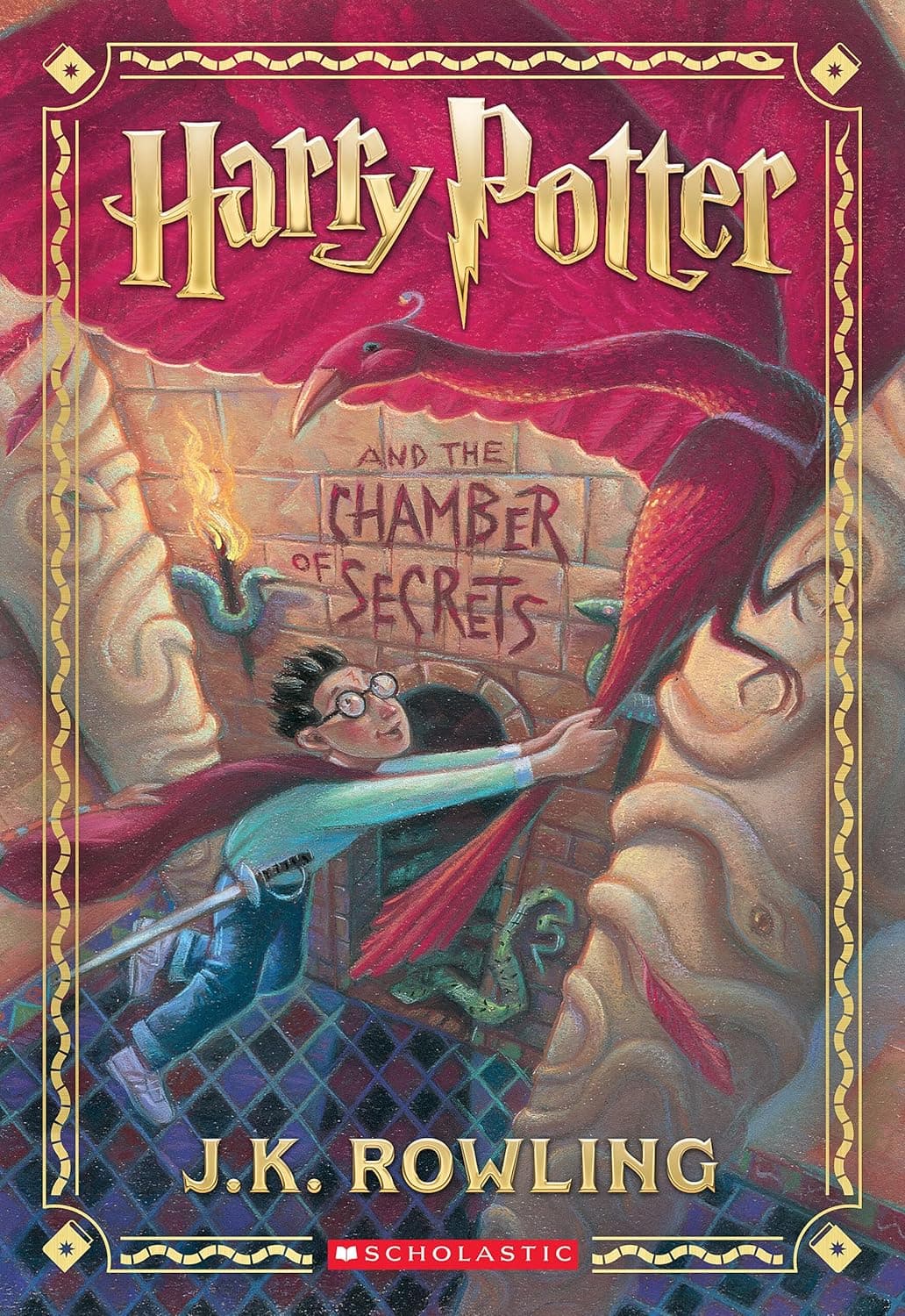
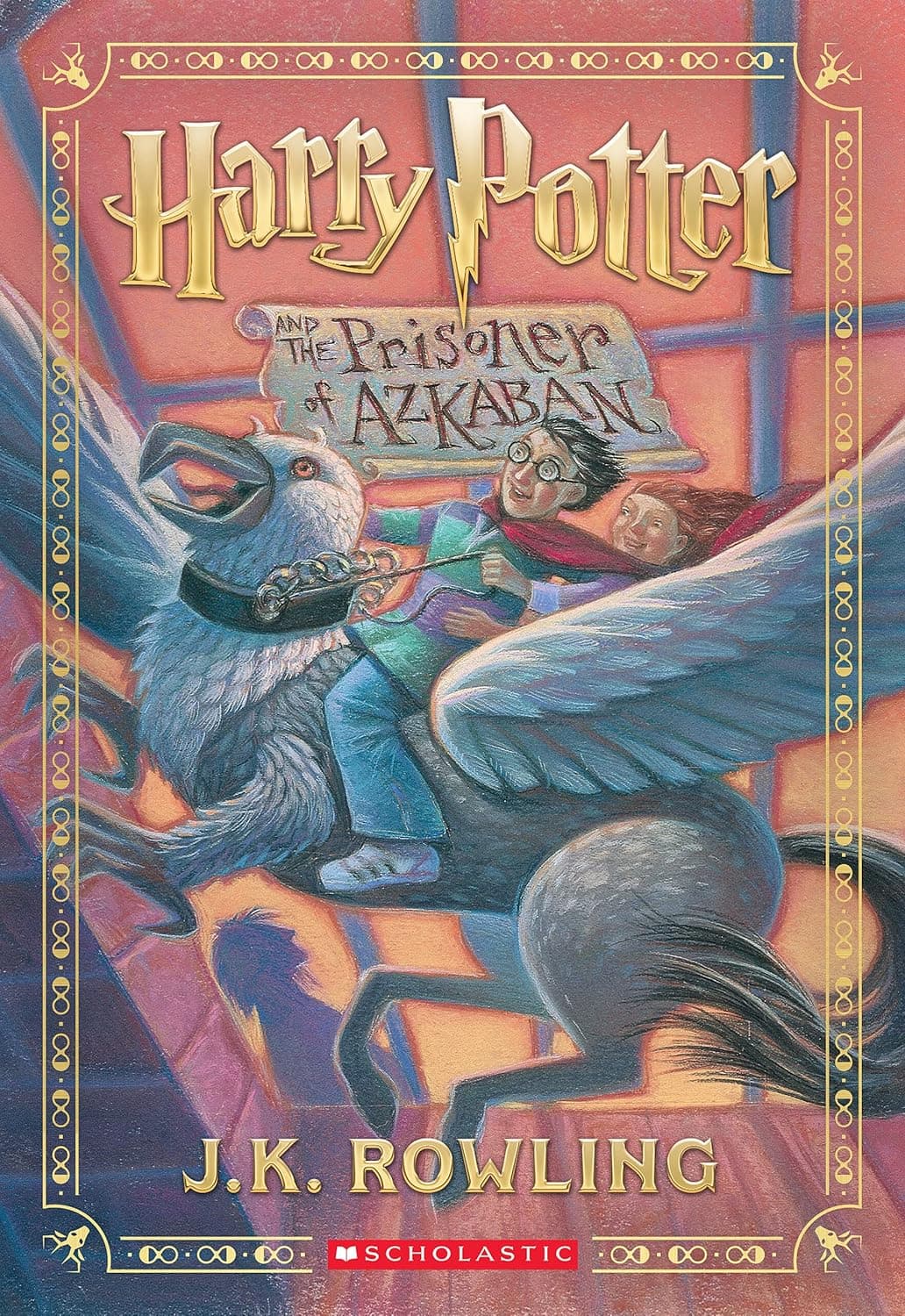
Seven-book hardcover box set
Harry Potter Hardcover Boxed Set
All seven main novels are here in durable hardcovers, so there is no edition switching halfway through Harry's school years.
Included: Harry Potter and the Philosopher's Stone, Harry Potter and the Chamber of Secrets, Harry Potter and the Prisoner of Azkaban, Harry Potter and the Goblet of Fire, Harry Potter and the Order of the Phoenix, Harry Potter and the Half-Blood Prince, Harry Potter and the Deathly Hallows
Our buying note: The set is heavy and costs more than the paperback box. The U.S. edition calls book one Harry Potter and the Sorcerer's Stone; our review uses the U.K. title, Philosopher's Stone. Companion books such as The Tales of Beedle the Bard are not included.