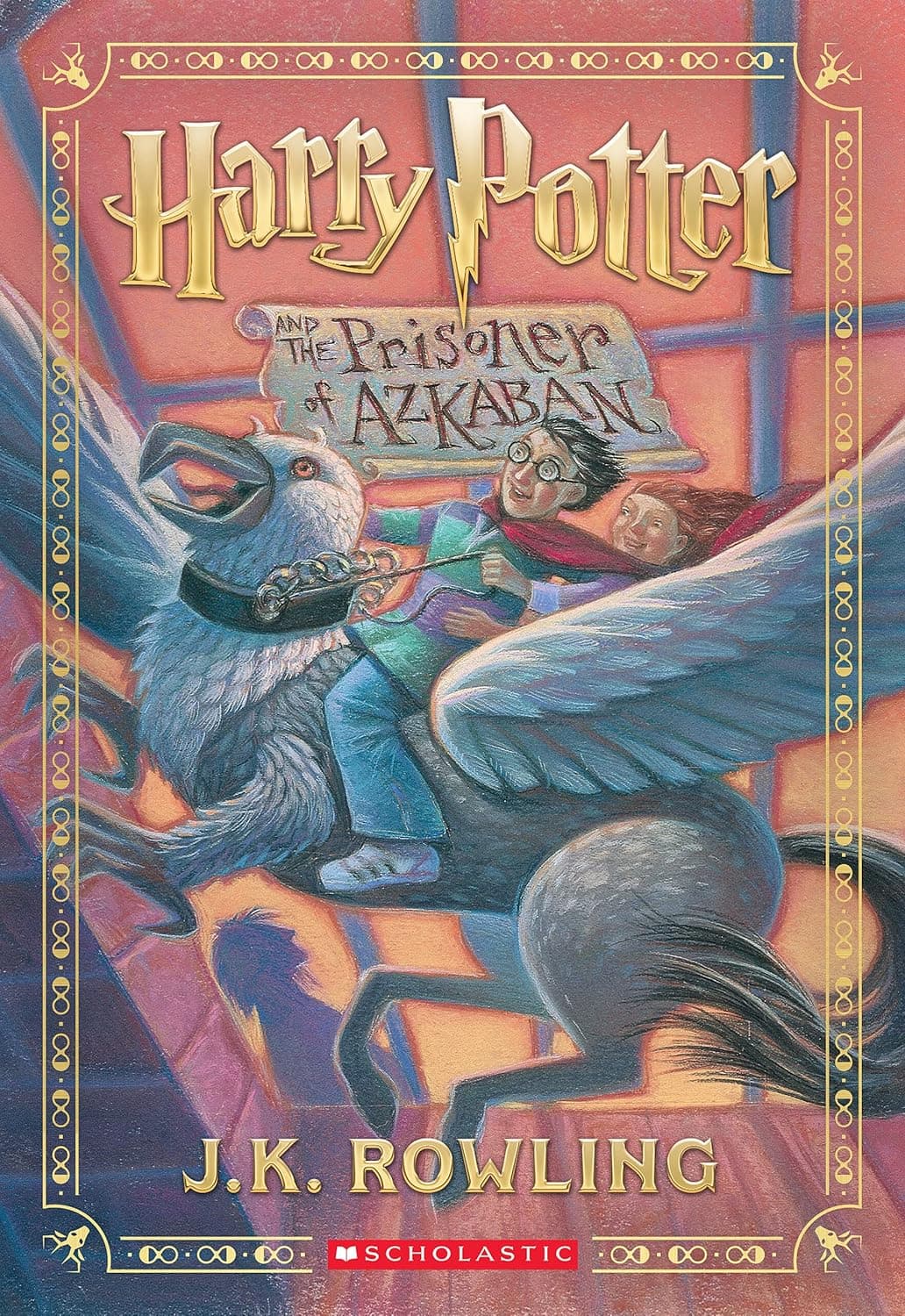
Should you read Harry Potter and the Prisoner of Azkaban?
What works
Lupin, Sirius, the Dementors, and the Marauders give Harry's parents a complicated human history, while the Patronus turns emotional discipline into action.
What may not work for you
The time-turner rules invite questions the series later avoids, and the final explanations arrive in a long compressed conversation.
What may test your patience
The repeated near-discoveries around the Shrieking Shack prolong misunderstanding just before the book reveals how its backstories connect.
Does the ending reward the effort?
Yes. The final rescue reuses earlier lessons and changes Harry's understanding without requiring a confrontation with Voldemort.
Reading Harry Potter and the Prisoner of Azkaban closely
Harry's third year begins under the threat of an escaped prisoner and the Dementors sent to guard Hogwarts. The school remains funny and inviting, but the mystery now depends on adults who failed one another long before Harry arrived. That history makes this the point where the series genuinely grows up.
Hogsmeade trips and Divination lessons enlarge ordinary school life, while Dementor cold can empty the same corridors of comfort in seconds. Lupin gives Harry an adult who is patient without being vague, and the Patronus lessons make fear something he can practice facing rather than simply endure. The time-travel finale then returns to clues that were visible all year.
Harry's anger keeps outrunning what he knows, Hermione's impossible schedule strains the trio, and Ron's grievance over Scabbers stops being comic long before its importance becomes clear. Lupin and Sirius also complicate the easy division between trustworthy teachers and obvious villains.
Rowling's prose stays clear while quietly tightening the mystery. Clues are planted early, and everyday school life sits beside genuinely tense moments. The Patronus lessons, the Marauder's Map, and the Shrieking Shack all earn their emotional payoff.
Three useful comparisons
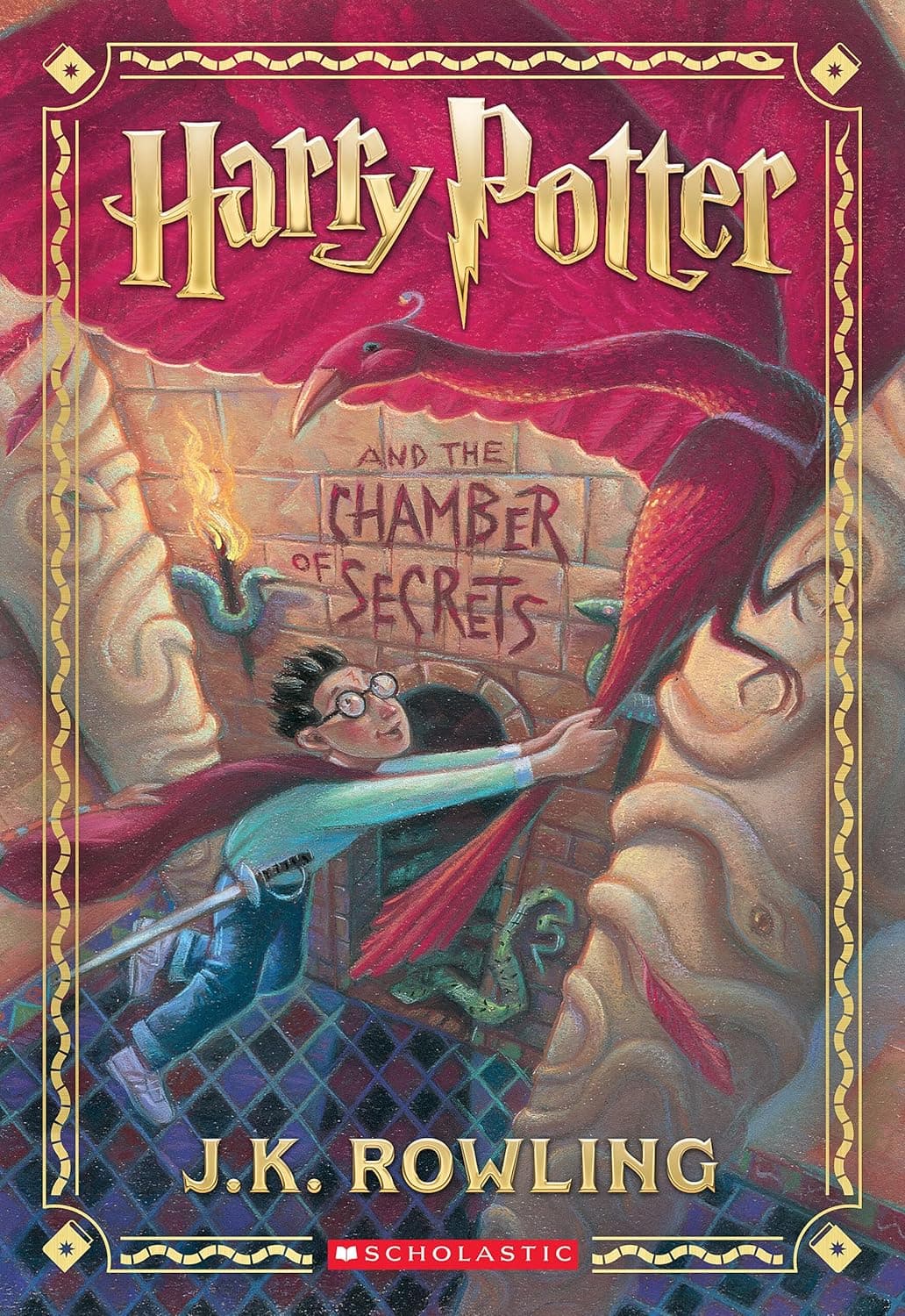
Harry Potter and the Chamber of Secrets
Chamber is a simpler monster mystery; Azkaban offers stronger adult characters and moral ambiguity.
Best for: Readers continuing the series who want a darker Hogwarts mystery with monsters, school history, and friendship under suspicion.
Harry Potter and the Goblet of Fire
Goblet widens the world and stakes dramatically, but is longer and more dependent on spectacle.
Best for: Readers ready for a longer, darker series turn with international worldbuilding, competition, adolescence, and death.
The Hobbit
The Hobbit gives one compact adventure and a more distinctive storyteller's voice, with less emotional backstory.
Best for: Families, younger readers, and adults wanting an accessible classic adventure with humor, danger, and moral weight.
Compare 10 more books like Harry Potter and the Prisoner of Azkaban
Make the next decision
Reading and buying guides featuring Harry Potter and the Prisoner of Azkaban
Series buying note
Would the collection be the better buy?
These are useful only when you want several books in the same run. The notes below spell out what each package includes and, just as importantly, what it leaves out.

Seven-book hardcover box set
Harry Potter Hardcover Boxed Set
All seven main novels are here in durable hardcovers, so there is no edition switching halfway through Harry's school years.
Included: Harry Potter and the Philosopher's Stone, Harry Potter and the Chamber of Secrets, Harry Potter and the Prisoner of Azkaban, Harry Potter and the Goblet of Fire, Harry Potter and the Order of the Phoenix, Harry Potter and the Half-Blood Prince, Harry Potter and the Deathly Hallows
Our buying note: The set is heavy and costs more than the paperback box. The U.S. edition calls book one Harry Potter and the Sorcerer's Stone; our review uses the U.K. title, Philosopher's Stone. Companion books such as The Tales of Beedle the Bard are not included.