What to read next
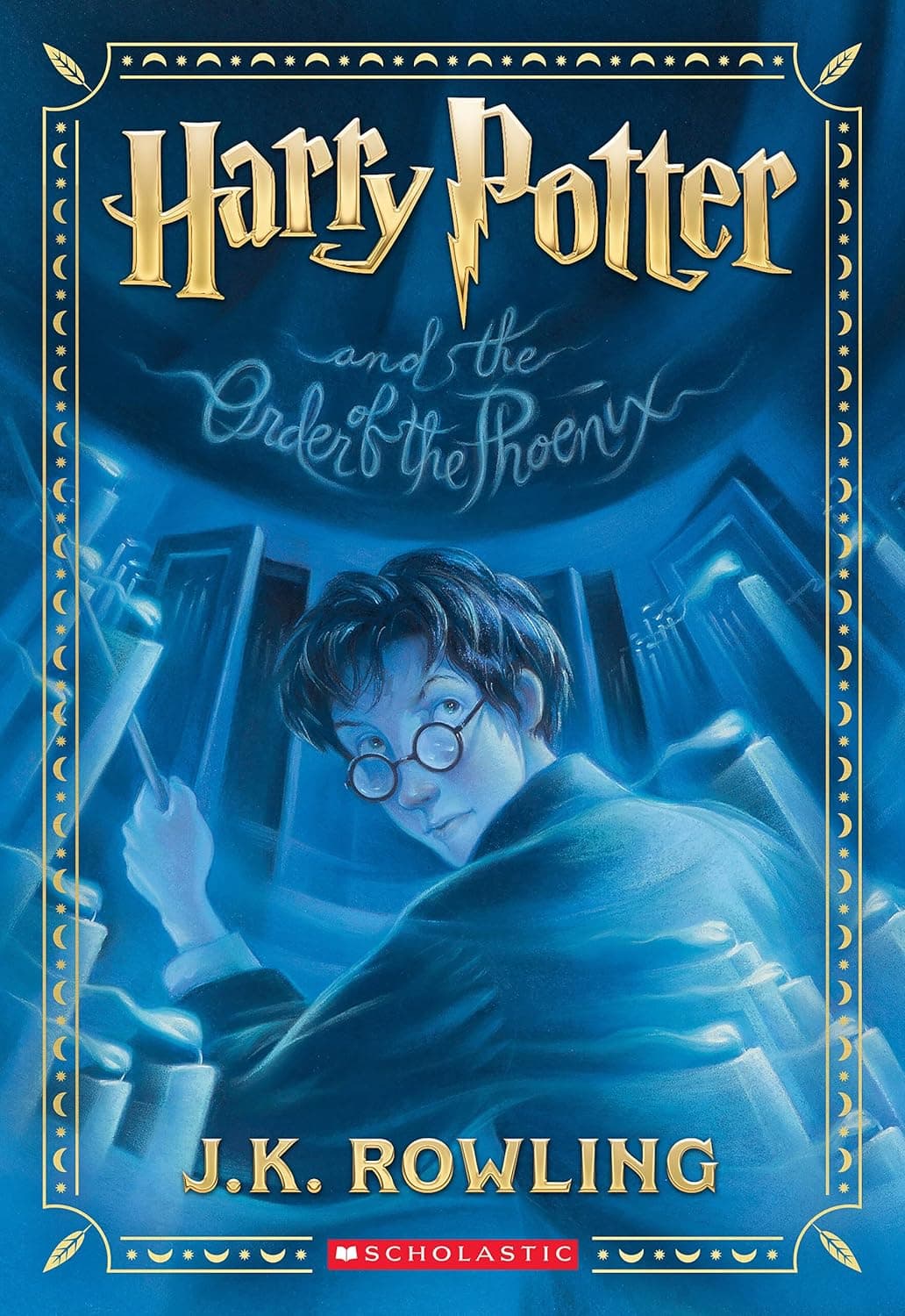
10 books like Harry Potter and the Order of the Phoenix
Umbridge turns paperwork, curriculum, punishment, and polite language into credible authoritarian tools, while Dumbledore's Army gives resistance a practical communal form. If that is what you want more of after Harry Potter and the Order of the Phoenix, these recommendations preserve that appeal in different ways, without pretending every similar book offers the same experience.
Start with our Harry Potter and the Order of the Phoenix review by J.K. Rowling.

Choose by reading mood
Where to start
For the fastest read
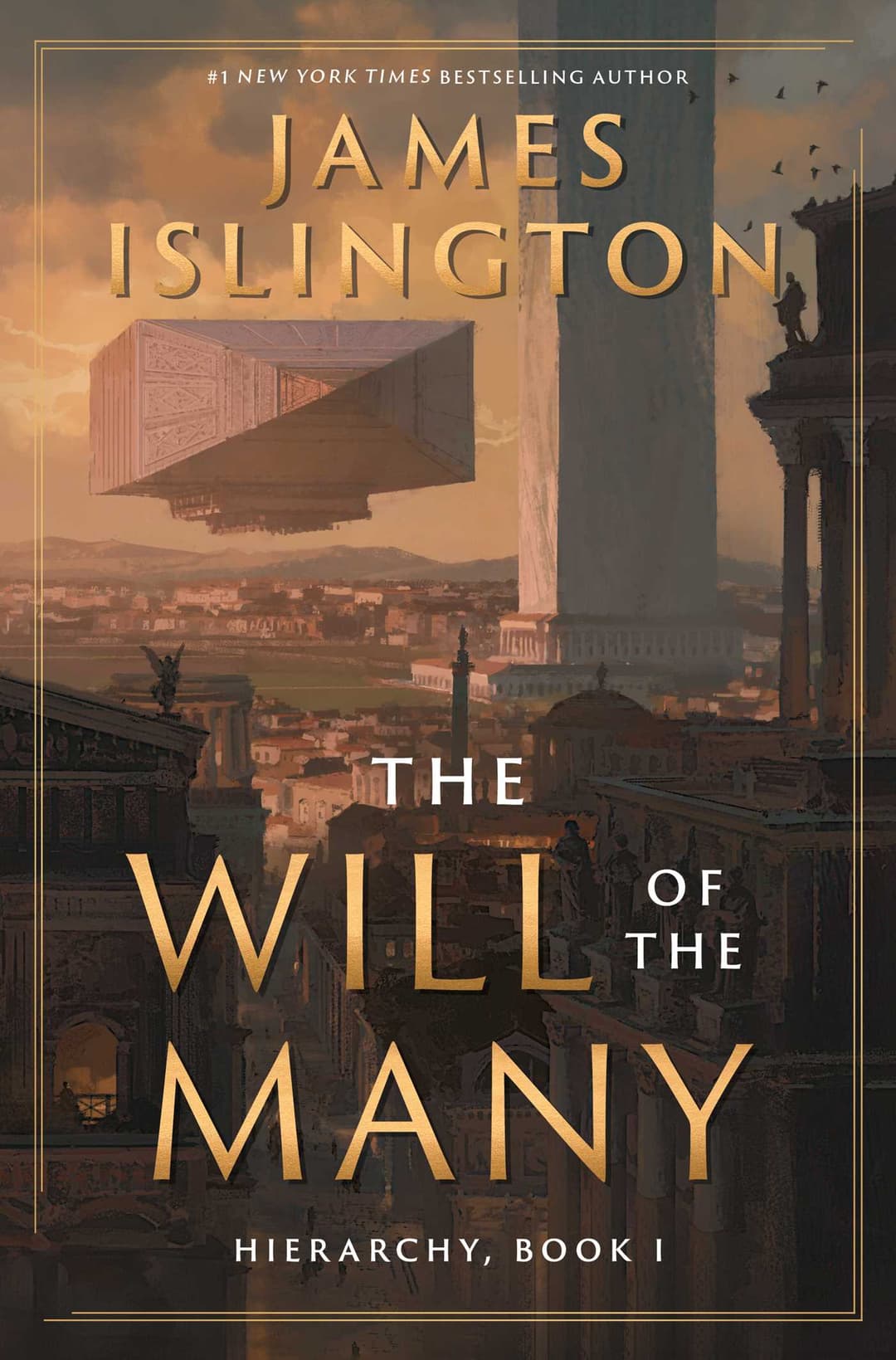
The Will of the Many
BalancedFor the gentlest option
Harry Potter and the Deathly Hallows
GentleFor the strongest romance
Divine Rivals
SignificantFor the easiest entry
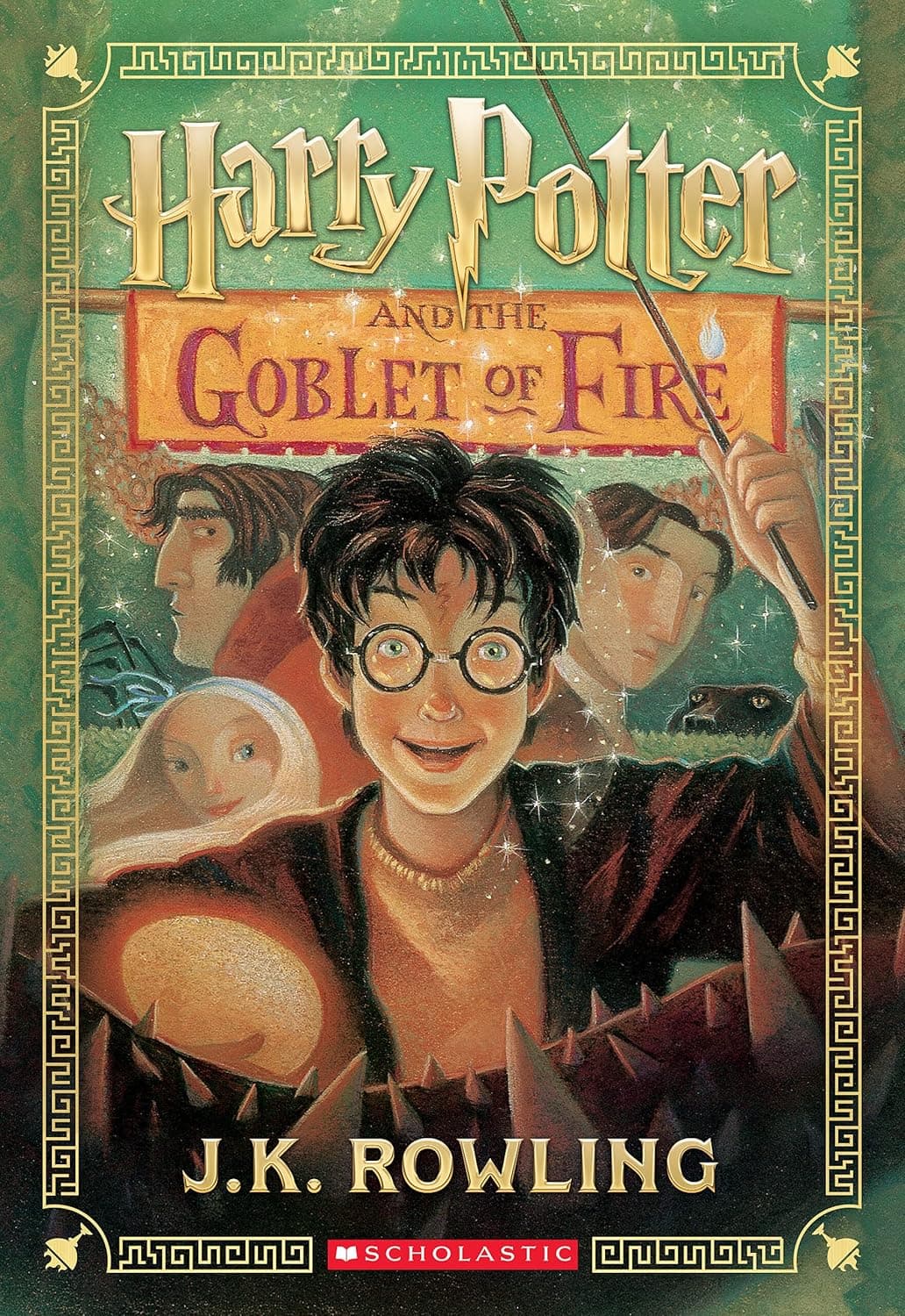
Harry Potter and the Goblet of Fire
AccessibleThe full shortlist
Why each book belongs here
Each match is judged against Harry Potter and the Order of the Phoenix, not merely placed beside it because the books share a broad genre label.
Harry Potter and the Goblet of Fire
- Shared ground
- Both books place learning and competition inside an institution that controls access and status.
- What changes
- Goblet is more varied and spectacular; Order follows its consequences through trauma and denial.
- Best for
- Readers ready for a longer, darker series turn with international worldbuilding, competition, adolescence, and death.
- Pace Balanced
- Darkness Moderate
- Romance Minimal
- Difficulty Accessible
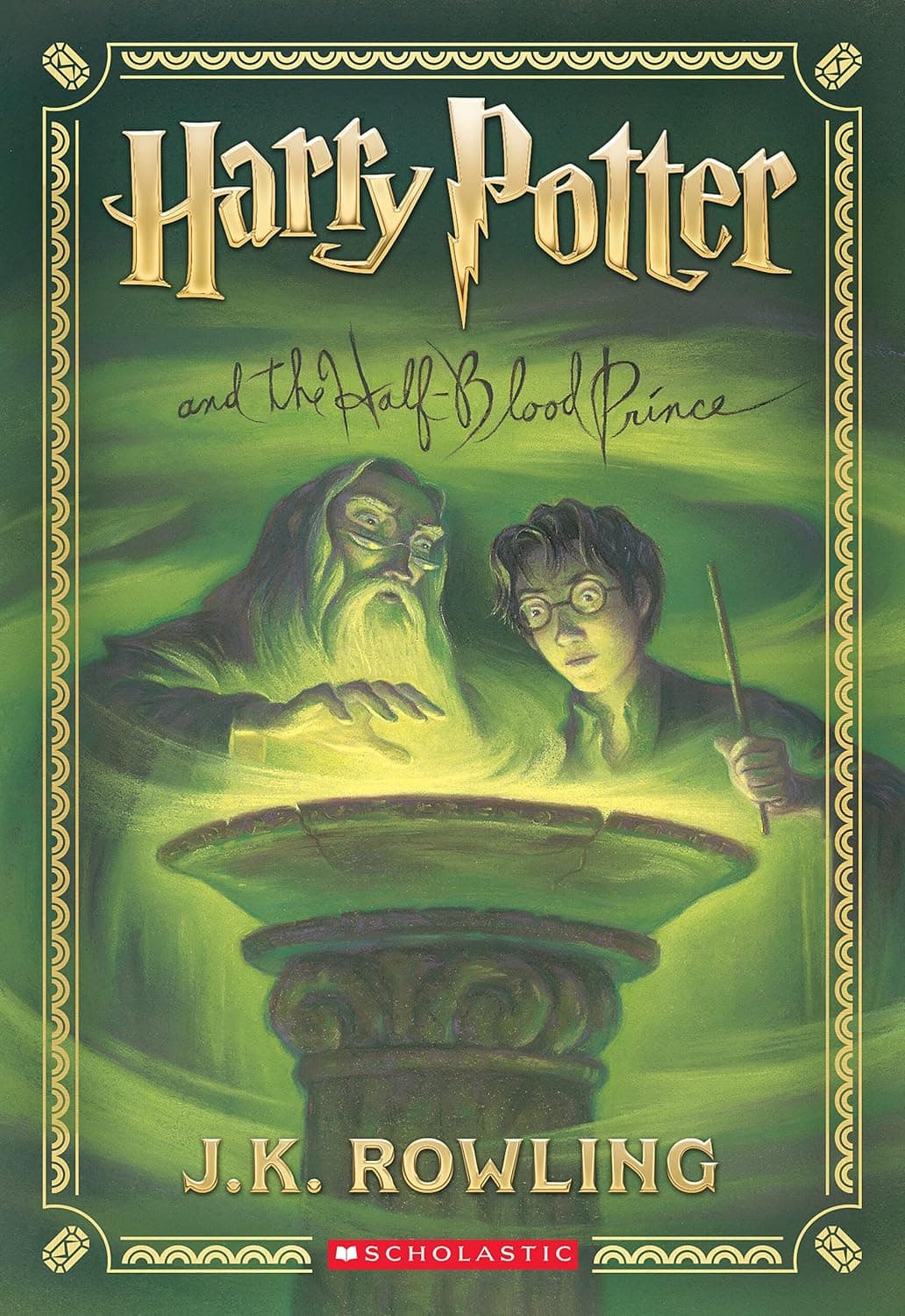
Harry Potter and the Half-Blood Prince
- Shared ground
- Both books place learning and competition inside an institution that controls access and status.
- What changes
- Half-Blood Prince is more focused, with stronger mystery, romance, and preparation for the endgame.
- Best for
- Series readers who want character history, gathering dread, school romance, and direct preparation for the finale.
- Pace Balanced
- Darkness Moderate
- Romance Minimal
- Difficulty Moderate
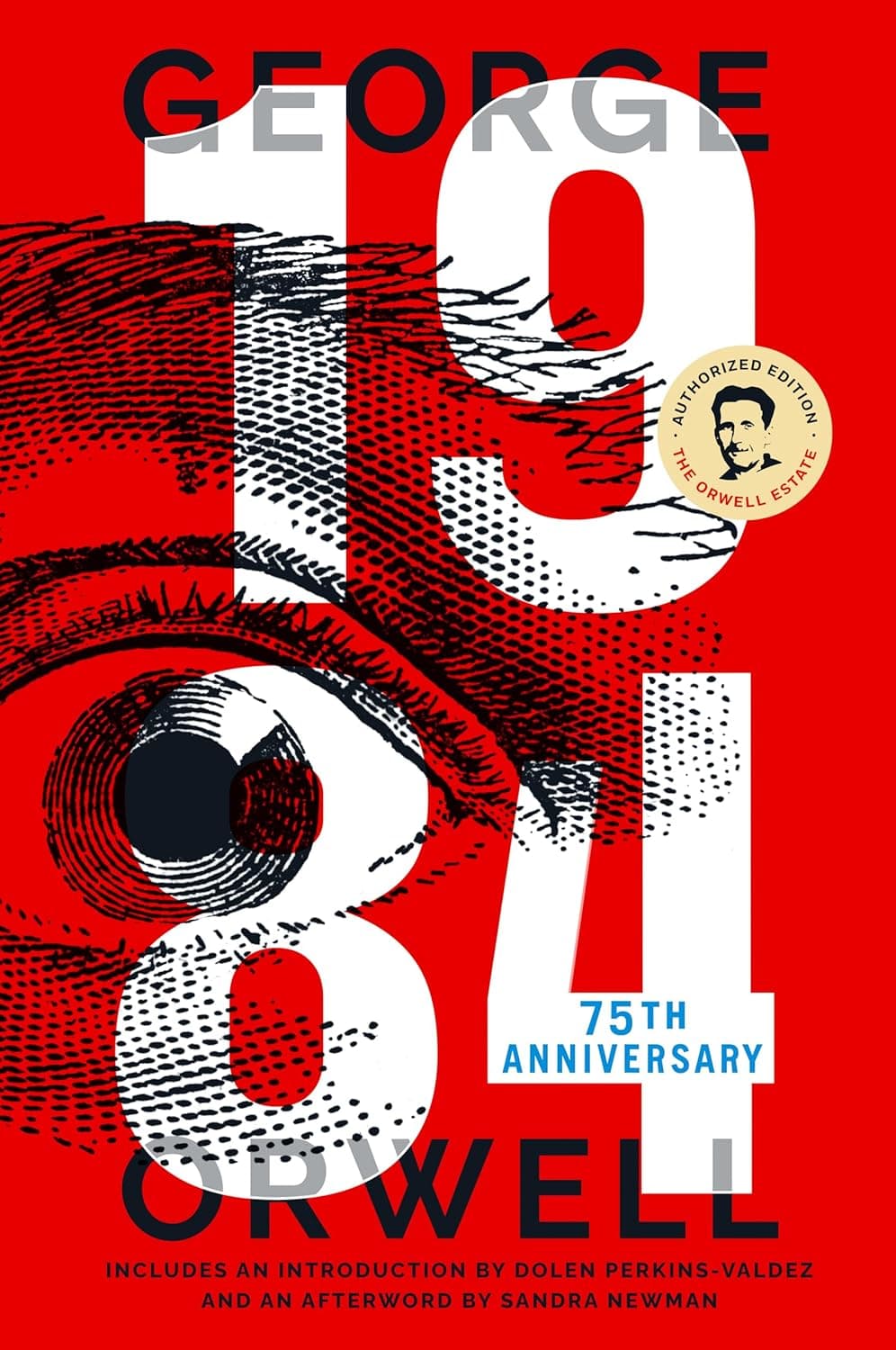
1984
- Shared ground
- Both books treat power as a system of competing interests rather than a single villain.
- What changes
- 1984 offers a far harsher and more systematic account of official language rewriting reality.
- Best for
- Readers interested in propaganda, surveillance, political language, and dystopias that offer pressure rather than escapism.
- Pace Balanced
- Darkness Moderate
- Romance Minimal
- Difficulty Accessible
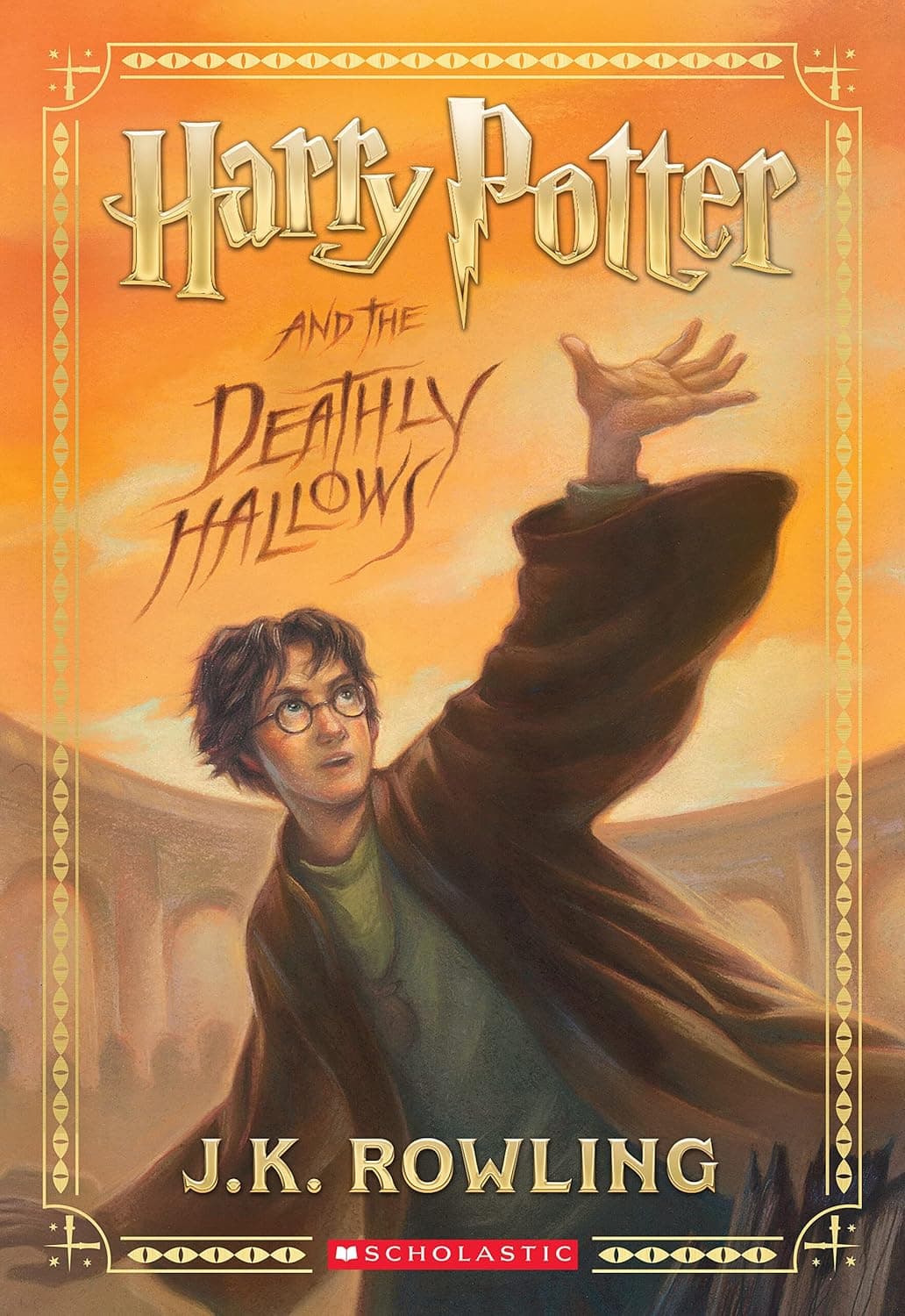
Harry Potter and the Deathly Hallows
- Shared ground
- Both books place learning and competition inside an institution that controls access and status.
- What changes
- Harry Potter and the Deathly Hallows is easier to enter than Harry Potter and the Order of the Phoenix. Removing the trio from Hogwarts tests their friendship without institutional shelter, and the final revelations reframe loyalty, sacrifice, and the pursuit of power.
- Best for
- Readers who have completed the series and want war, sacrifice, revelations, and a definitive conclusion rather than another school year.
- Pace Balanced
- Darkness Gentle
- Romance Minimal
- Difficulty Accessible
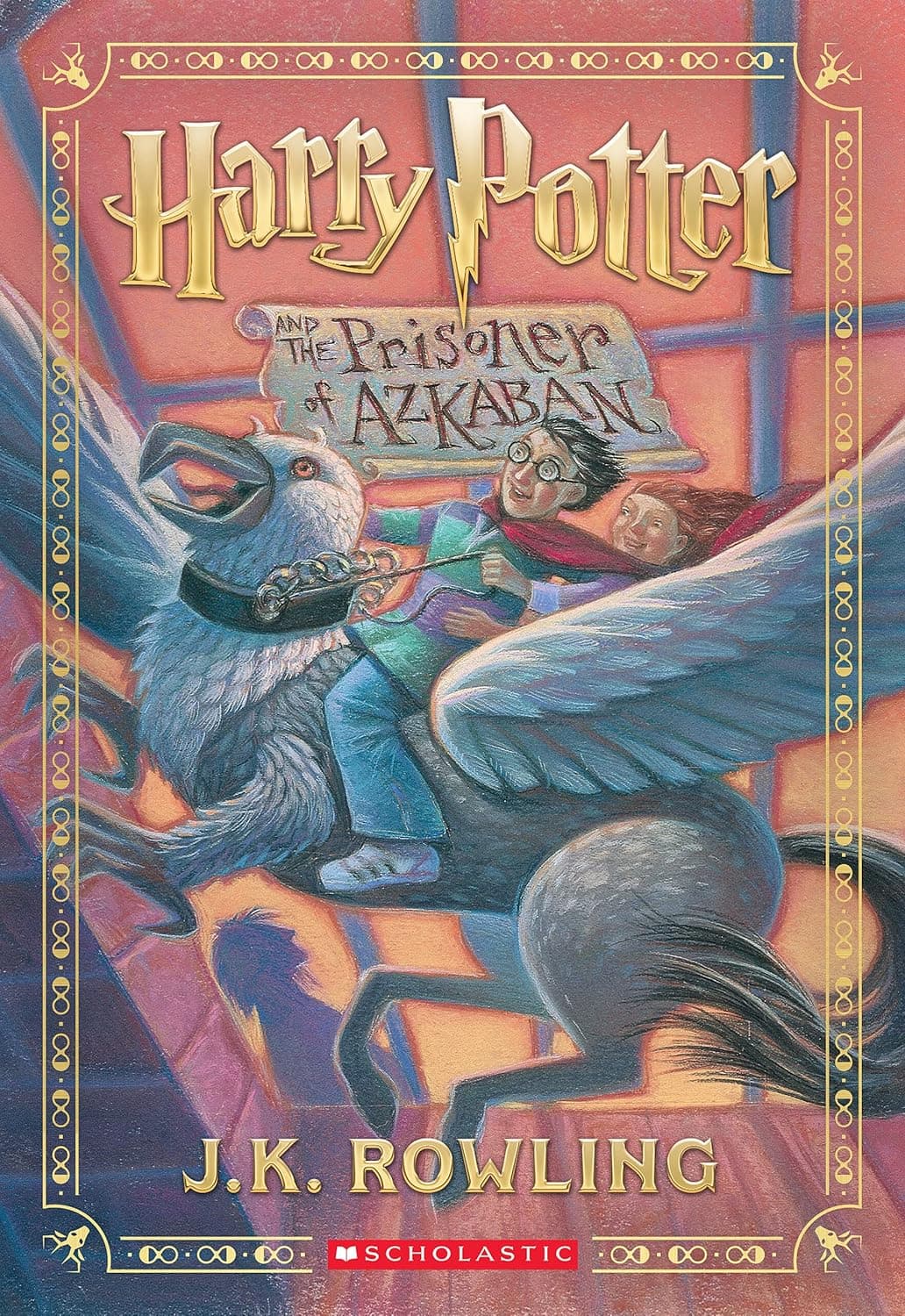
Harry Potter and the Prisoner of Azkaban
- Shared ground
- Both books place learning and competition inside an institution that controls access and status.
- What changes
- Harry Potter and the Prisoner of Azkaban is more accessible at sentence level than Harry Potter and the Order of the Phoenix. It still assumes earlier series context. Lupin, Sirius, the Dementors, and the Marauders give Harry's parents a complicated human history, while the Patronus turns emotional discipline into action.
- Best for
- Series readers wanting a darker but still self-contained school adventure with the richest character payoff of the early books.
- Pace Balanced
- Darkness Gentle
- Romance Minimal
- Difficulty Accessible
Mistborn: The Final Empire
- Shared ground
- Both books place learning and competition inside an institution that controls access and status.
- What changes
- Mistborn: The Final Empire is easier to enter than Harry Potter and the Order of the Phoenix. Allomancy has visible costs and physical rules, so training scenes, infiltration, and combat share one logic; Vin's changing trust gives those mechanics an emotional stake.
- Best for
- Readers wanting accessible epic fantasy, rule-based magic, found family, political rebellion, and a complete first-volume payoff.
- Pace Balanced
- Darkness Gentle
- Romance Minimal
- Difficulty Accessible
The Will of the Many
- Shared ground
- Both books place learning and competition inside an institution that controls access and status.
- What changes
- The Will of the Many is easier to enter than Harry Potter and the Order of the Phoenix. Vis's resistance to Will, layered identities, class position, training, and investigation make the Catenan system personal before its deeper mechanics emerge.
- Best for
- Readers wanting political fantasy, academy competition, hidden identity, mystery, and a fast opening compared with many epics.
- Pace Balanced
- Darkness Gentle
- Romance Minimal
- Difficulty Accessible
The Strength of the Few
- Shared ground
- Both books place learning and competition inside an institution that controls access and status.
- What changes
- The Strength of the Few has a similar overall reading load, but changes the emphasis. Consequences of the labyrinth, separated perspectives, Will, loyalty, and political manipulation turn the first book's twist into a structural problem rather than a gimmick.
- Best for
- Readers fresh from The Will of the Many who enjoy dense political fantasy, structural puzzles, and continuity-heavy revelation.
- Pace Balanced
- Darkness Gentle
- Romance Minimal
- Difficulty Moderate
Divine Rivals
- Shared ground
- Both books treat power as a system of competing interests rather than a single villain.
- What changes
- Divine Rivals is more romance-led and easier to enter than Harry Potter and the Order of the Phoenix. Iris and Roman know each other differently on paper and in person, allowing intimacy to grow through voice, grief, competition, and mistaken distance.
- Best for
- Readers wanting gentle enemies-to-lovers tension, magical correspondence, grief, war, and lyrical YA romantasy.
- Pace Balanced
- Darkness Moderate
- Romance Significant
- Difficulty Accessible
Ruthless Vows
- Shared ground
- Both books treat power as a system of competing interests rather than a single villain.
- What changes
- Ruthless Vows is more romance-led and easier to enter than Harry Potter and the Order of the Phoenix. Separation, memory, divided loyalties, and renewed writing keep the relationship active under direct political and divine pressure.
- Best for
- Divine Rivals readers wanting direct continuation, wartime separation, recovered intimacy, and complete duology closure.
- Pace Balanced
- Darkness Gentle
- Romance Significant
- Difficulty Accessible
Side-by-side
Pace, darkness, romance, and difficulty
Use these labels as directional guidance. The individual notes above explain the tradeoffs.
| Book | Pace | Darkness | Romance | Difficulty |
|---|---|---|---|---|
| Harry Potter and the Order of the Phoenix | Balanced | Moderate | Minimal | Moderate |
| Harry Potter and the Goblet of Fire | Balanced | Moderate | Minimal | Accessible |
| Harry Potter and the Half-Blood Prince | Balanced | Moderate | Minimal | Moderate |
| 1984 | Balanced | Moderate | Minimal | Accessible |
| Harry Potter and the Deathly Hallows | Balanced | Gentle | Minimal | Accessible |
| Harry Potter and the Prisoner of Azkaban | Balanced | Gentle | Minimal | Accessible |
| Mistborn: The Final Empire | Balanced | Gentle | Minimal | Accessible |
| The Will of the Many | Balanced | Gentle | Minimal | Accessible |
| The Strength of the Few | Balanced | Gentle | Minimal | Moderate |
| Divine Rivals | Balanced | Moderate | Significant | Accessible |
| Ruthless Vows | Balanced | Gentle | Significant | Accessible |
Keep exploring
Explore another Books Like guide
Start from another familiar book and compare a new set of reading paths.