What to read next
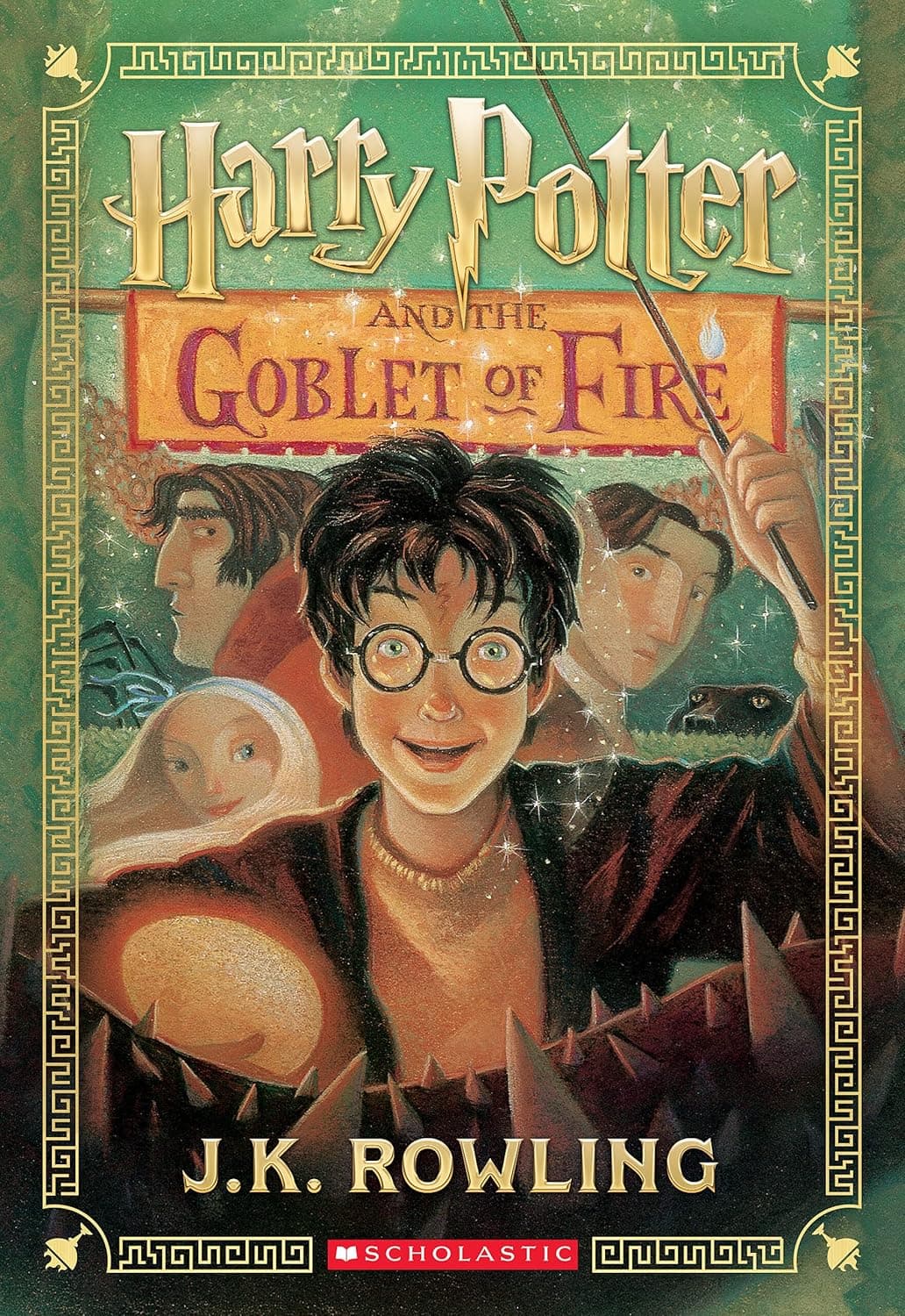
10 books like Harry Potter and the Goblet of Fire
The World Cup, visiting schools, tasks, press, and Ministry tensions expand the magical society while keeping Harry's unwanted participation emotionally central. If that is what you want more of after Harry Potter and the Goblet of Fire, these recommendations preserve that appeal in different ways, without pretending every similar book offers the same experience.
Start with our Harry Potter and the Goblet of Fire review by J.K. Rowling.

Choose by reading mood
Where to start
For the fastest read
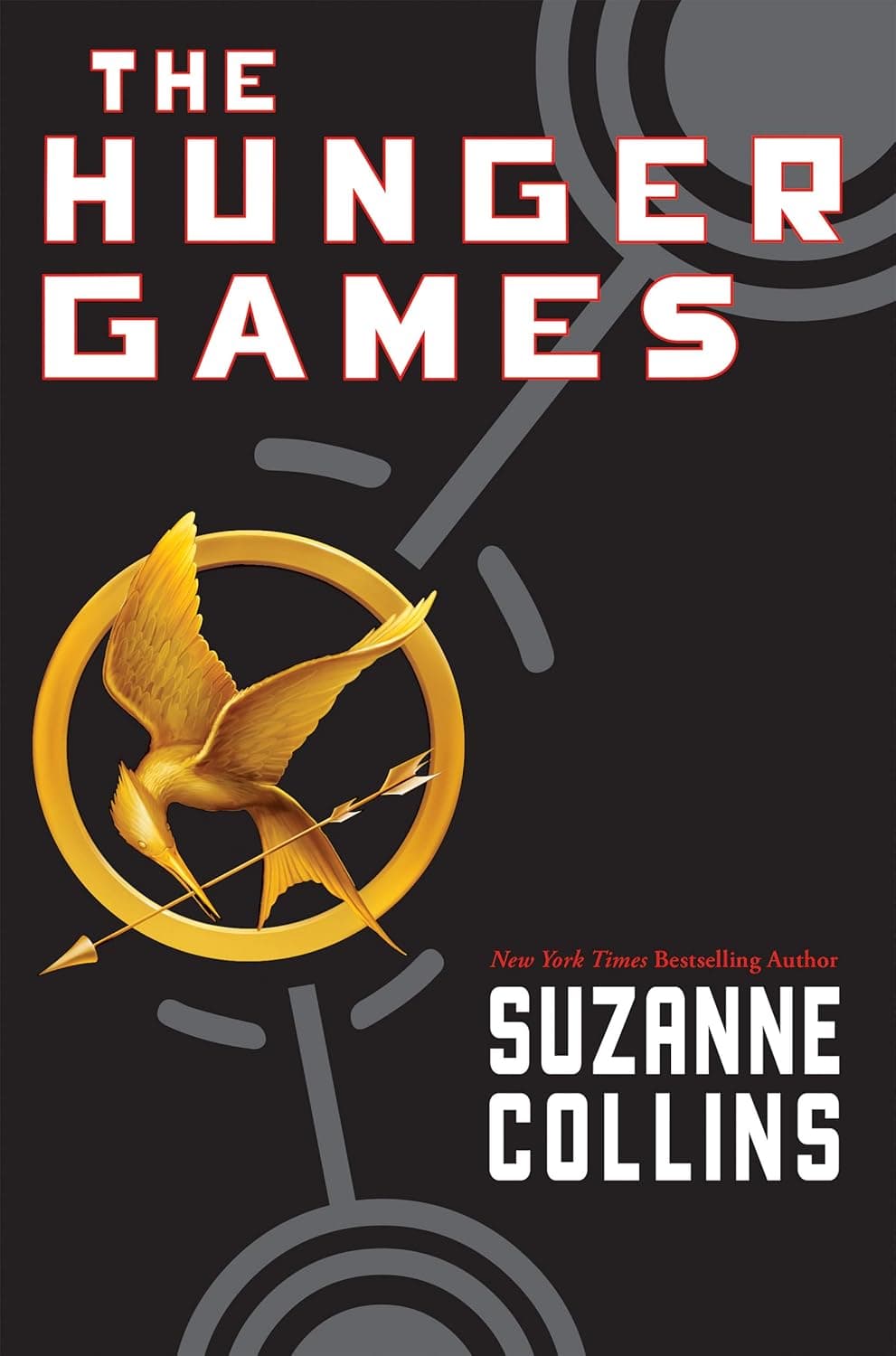
The Hunger Games
BalancedFor the gentlest option
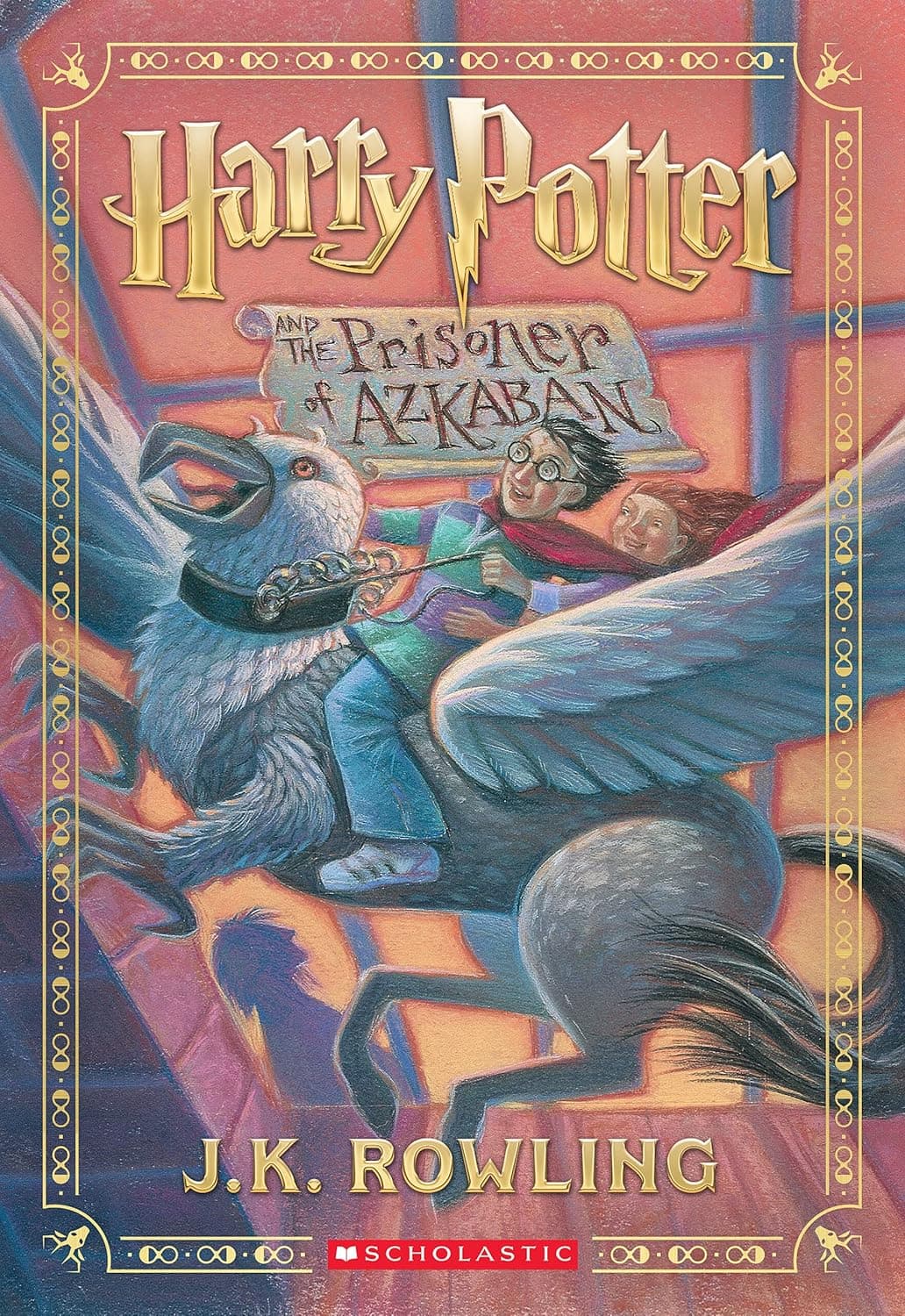
Harry Potter and the Prisoner of Azkaban
GentleFor minimal romance
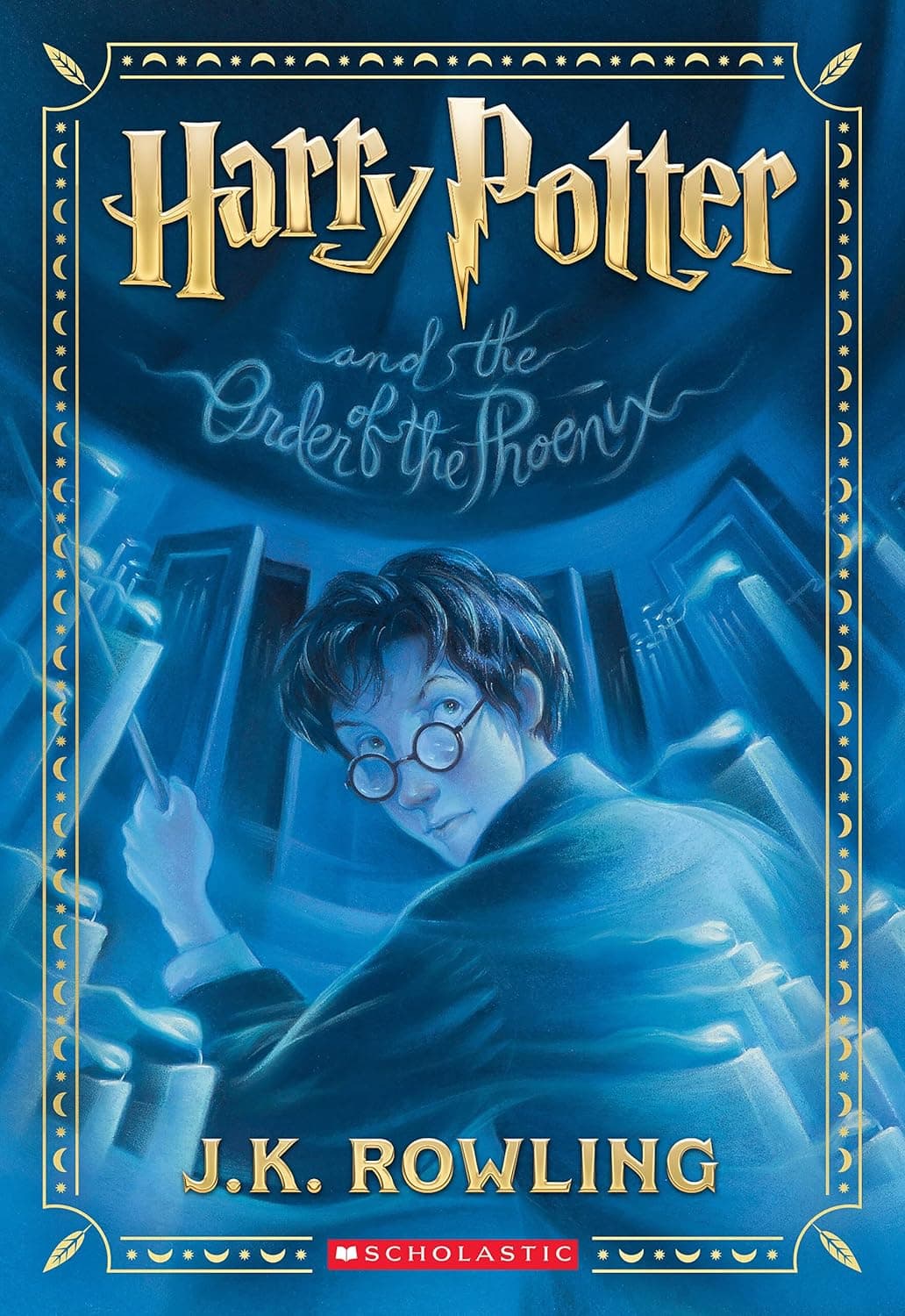
Harry Potter and the Order of the Phoenix
MinimalFor the easiest entry
Harry Potter and the Philosopher's Stone
AccessibleThe full shortlist
Why each book belongs here
Each match is judged against Harry Potter and the Goblet of Fire, not merely placed beside it because the books share a broad genre label.
Harry Potter and the Prisoner of Azkaban
- Shared ground
- Both books place learning and competition inside an institution that controls access and status.
- What changes
- Azkaban is tighter and more character-led; Goblet delivers greater scale and the decisive series transition.
- Best for
- Series readers wanting a darker but still self-contained school adventure with the richest character payoff of the early books.
- Pace Balanced
- Darkness Gentle
- Romance Minimal
- Difficulty Accessible
Harry Potter and the Order of the Phoenix
- Shared ground
- Both books place learning and competition inside an institution that controls access and status.
- What changes
- Order of the Phoenix follows the political denial and trauma, with more anger and institutional conflict.
- Best for
- Committed series readers prepared for the longest, angriest volume and a sustained conflict with political authority.
- Pace Balanced
- Darkness Moderate
- Romance Minimal
- Difficulty Moderate
The Hunger Games
- Shared ground
- Both books treat power as a system of competing interests rather than a single villain.
- What changes
- The Hunger Games treats deadly competition as deliberate political spectacle and examines its coercion more directly.
- Best for
- Teens and adults wanting fast dystopian suspense, political spectacle, survival, violence, and a guarded protagonist.
- Pace Balanced
- Darkness Moderate
- Romance Minimal
- Difficulty Accessible
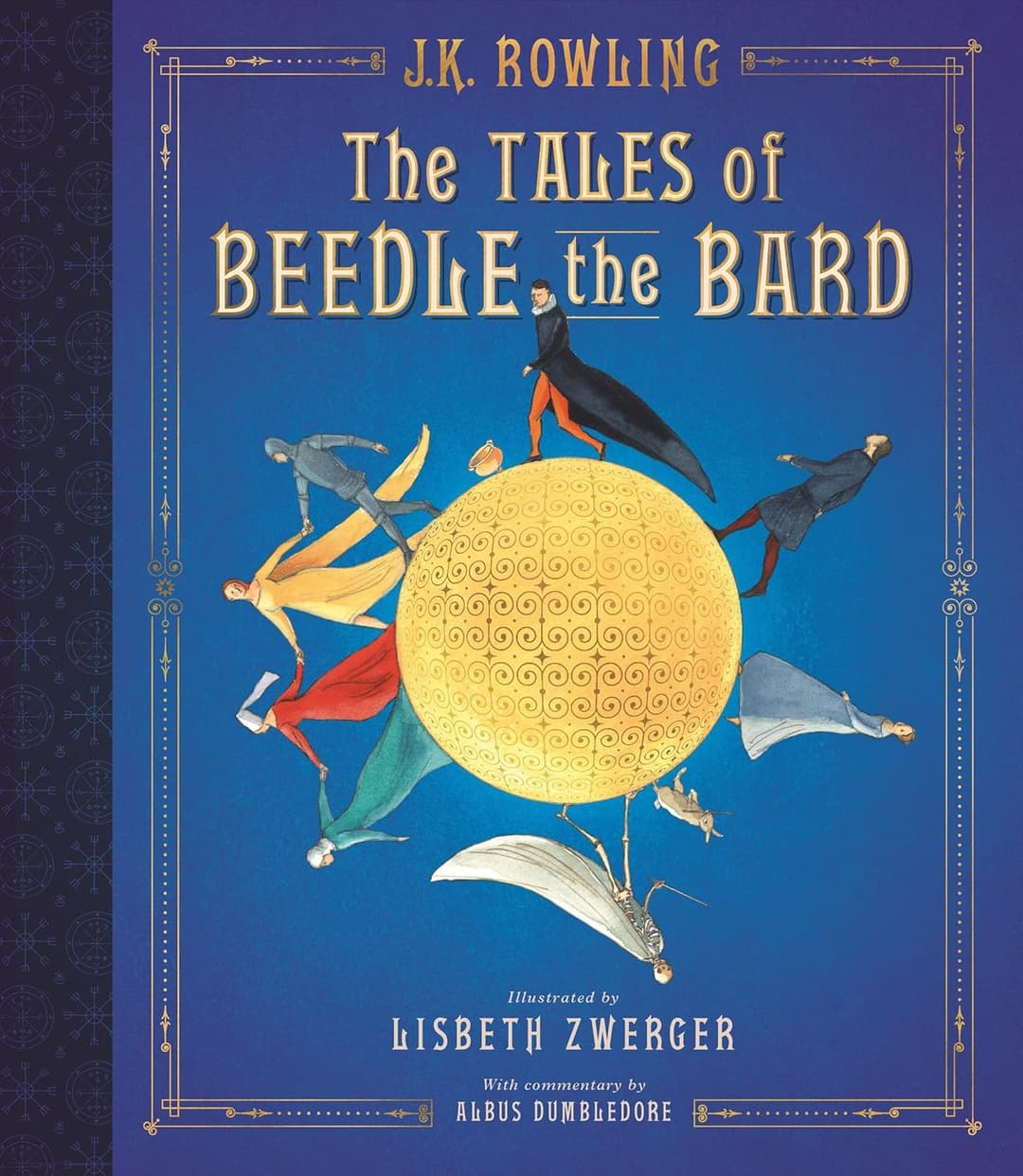
The Tales of Beedle the Bard
- Shared ground
- Both books come from J. K. Rowling, and they make emotional consequence as important as magic or adventure.
- What changes
- The Tales of Beedle the Bard has a similar overall reading load, but changes the emphasis. Each tale has a distinct moral mechanism, and Dumbledore's notes complicate the apparent lesson through history, censorship, or social context.
- Best for
- Harry Potter readers wanting short magical folktales, moral ambiguity, and an in-world artifact with genuine narrative value.
- Pace Balanced
- Darkness Gentle
- Romance Minimal
- Difficulty Accessible
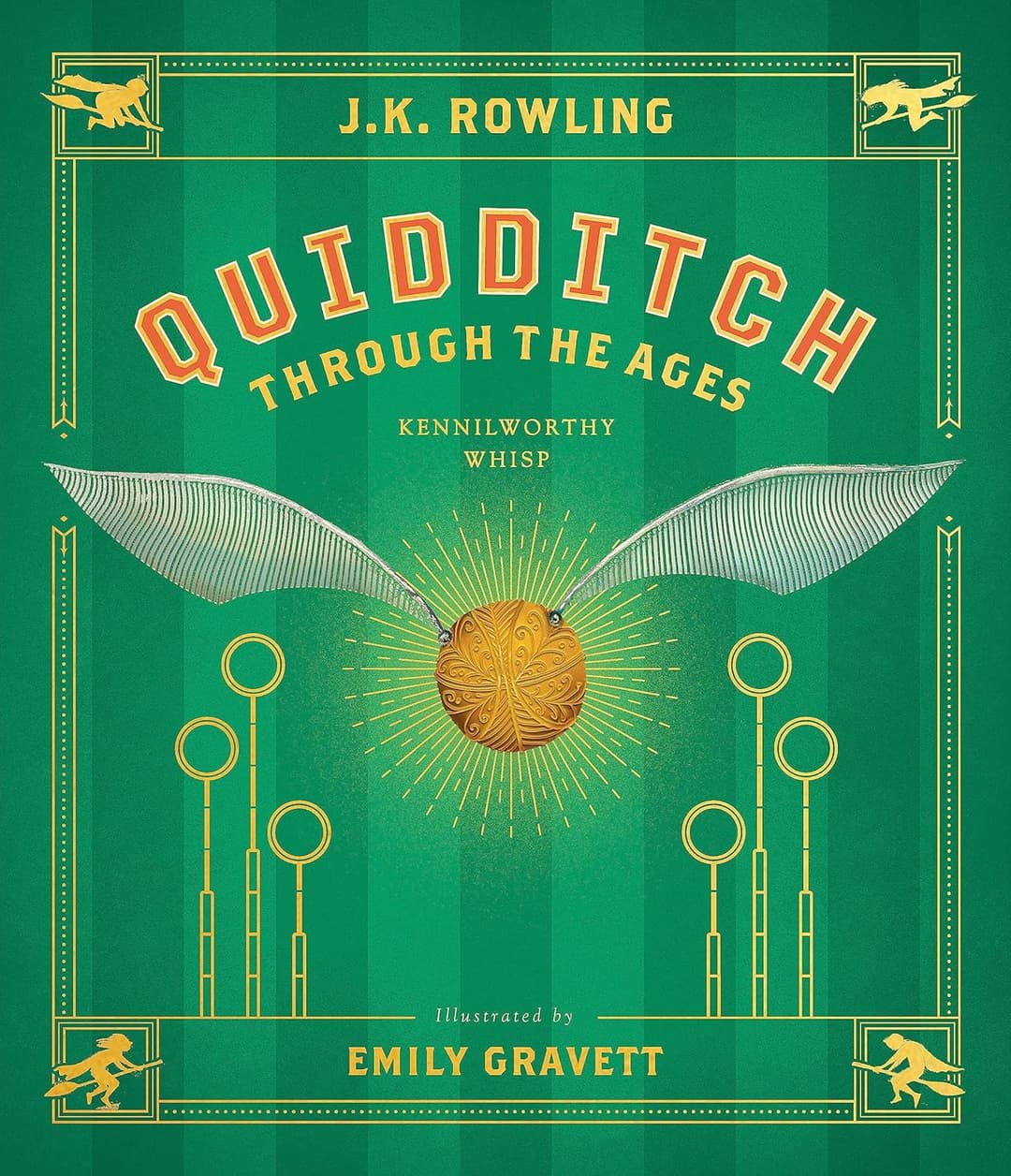
Quidditch Through the Ages
- Shared ground
- Both books place learning and competition inside an institution that controls access and status.
- What changes
- Quidditch Through the Ages has a similar overall reading load, but changes the emphasis. The evolution of balls, fouls, positions, teams, and international variants makes magical sport feel historically improvised rather than delivered fully formed.
- Best for
- Harry Potter fans who enjoy sports lore, comic history, and small in-world details.
- Pace Balanced
- Darkness Gentle
- Romance Minimal
- Difficulty Accessible
Harry Potter and the Philosopher's Stone
- Shared ground
- Both books place learning and competition inside an institution that controls access and status.
- What changes
- Harry Potter and the Philosopher's Stone has a similar overall reading load, but changes the emphasis. Diagon Alley, the train, houses, classes, and Quidditch make entry into the magical world a sequence of concrete pleasures rather than one exposition dump.
- Best for
- Children, families, and adults wanting accessible school fantasy, friendship, mystery, and a strong sense of discovery.
- Pace Balanced
- Darkness Gentle
- Romance Minimal
- Difficulty Accessible
A Wizard's Guide to Defensive Baking
- Shared ground
- Both books treat power as a system of competing interests rather than a single villain.
- What changes
- A Wizard's Guide to Defensive Baking has a similar overall reading load, but changes the emphasis. Mona solves problems by understanding dough rather than discovering unlimited power, and each absurd use follows from skills established in the bakery.
- Best for
- Confident middle-grade readers, teens, and adults who want whimsical magic with murder, persecution, and institutional critique.
- Pace Balanced
- Darkness Gentle
- Romance Minimal
- Difficulty Accessible
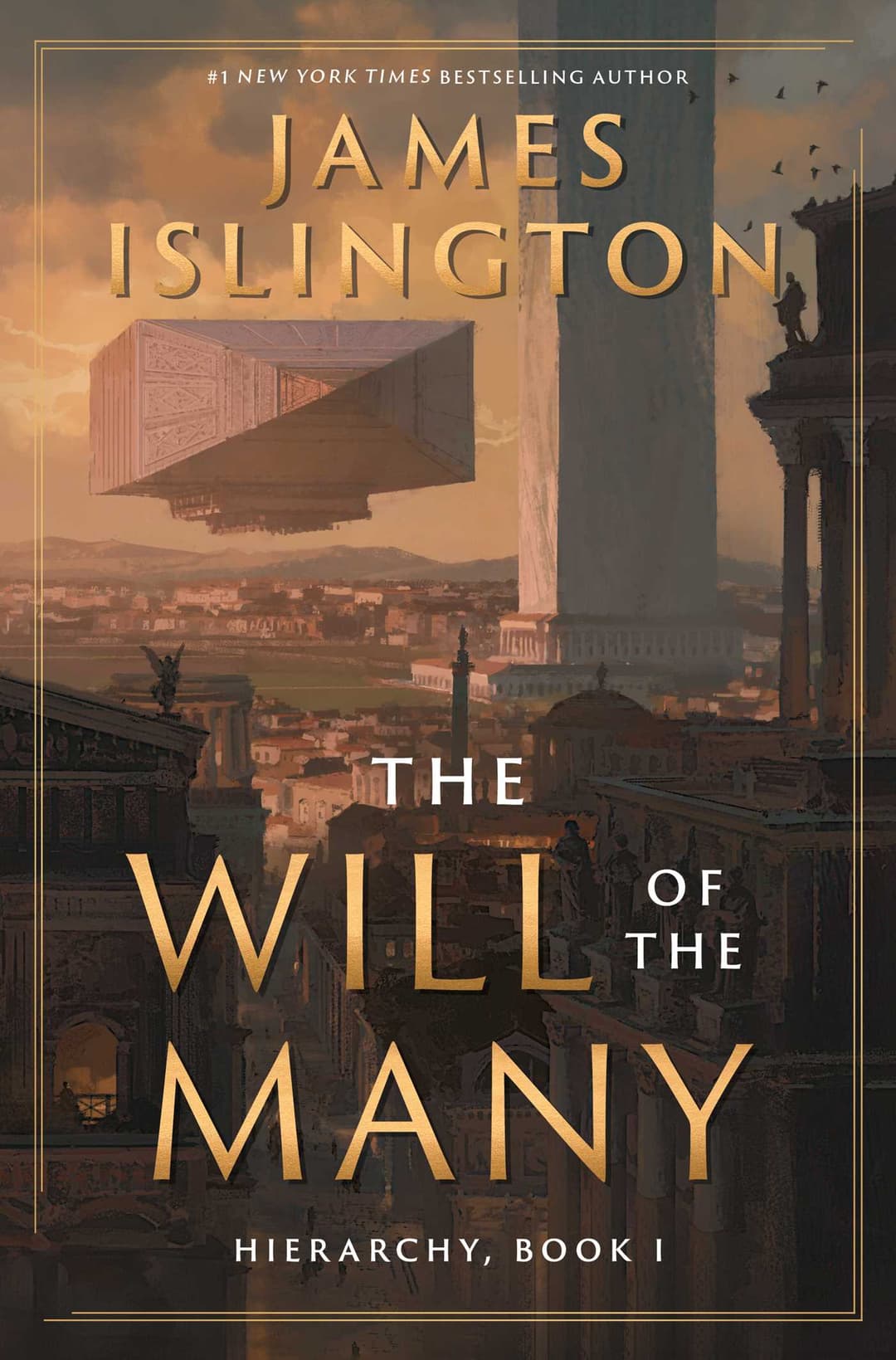
The Will of the Many
- Shared ground
- Both books place learning and competition inside an institution that controls access and status.
- What changes
- The Will of the Many is more demanding than Harry Potter and the Goblet of Fire. Vis's resistance to Will, layered identities, class position, training, and investigation make the Catenan system personal before its deeper mechanics emerge.
- Best for
- Readers wanting political fantasy, academy competition, hidden identity, mystery, and a fast opening compared with many epics.
- Pace Balanced
- Darkness Gentle
- Romance Minimal
- Difficulty Accessible
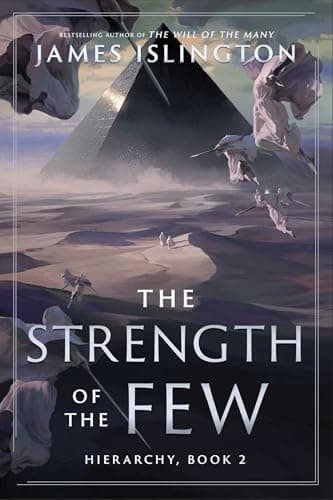
The Strength of the Few
- Shared ground
- Both books place learning and competition inside an institution that controls access and status.
- What changes
- The Strength of the Few is more measured and more demanding than Harry Potter and the Goblet of Fire. Consequences of the labyrinth, separated perspectives, Will, loyalty, and political manipulation turn the first book's twist into a structural problem rather than a gimmick.
- Best for
- Readers fresh from The Will of the Many who enjoy dense political fantasy, structural puzzles, and continuity-heavy revelation.
- Pace Balanced
- Darkness Gentle
- Romance Minimal
- Difficulty Moderate
Mistborn: The Final Empire
- Shared ground
- Both books place learning and competition inside an institution that controls access and status.
- What changes
- Mistborn: The Final Empire is more demanding than Harry Potter and the Goblet of Fire. Allomancy has visible costs and physical rules, so training scenes, infiltration, and combat share one logic; Vin's changing trust gives those mechanics an emotional stake.
- Best for
- Readers wanting accessible epic fantasy, rule-based magic, found family, political rebellion, and a complete first-volume payoff.
- Pace Balanced
- Darkness Gentle
- Romance Minimal
- Difficulty Accessible
Side-by-side
Pace, darkness, romance, and difficulty
Use these labels as directional guidance. The individual notes above explain the tradeoffs.
| Book | Pace | Darkness | Romance | Difficulty |
|---|---|---|---|---|
| Harry Potter and the Goblet of Fire | Balanced | Moderate | Minimal | Accessible |
| Harry Potter and the Prisoner of Azkaban | Balanced | Gentle | Minimal | Accessible |
| Harry Potter and the Order of the Phoenix | Balanced | Moderate | Minimal | Moderate |
| The Hunger Games | Balanced | Moderate | Minimal | Accessible |
| The Tales of Beedle the Bard | Balanced | Gentle | Minimal | Accessible |
| Quidditch Through the Ages | Balanced | Gentle | Minimal | Accessible |
| Harry Potter and the Philosopher's Stone | Balanced | Gentle | Minimal | Accessible |
| A Wizard's Guide to Defensive Baking | Balanced | Gentle | Minimal | Accessible |
| The Will of the Many | Balanced | Gentle | Minimal | Accessible |
| The Strength of the Few | Balanced | Gentle | Minimal | Moderate |
| Mistborn: The Final Empire | Balanced | Gentle | Minimal | Accessible |
Keep exploring
Explore another Books Like guide
Start from another familiar book and compare a new set of reading paths.