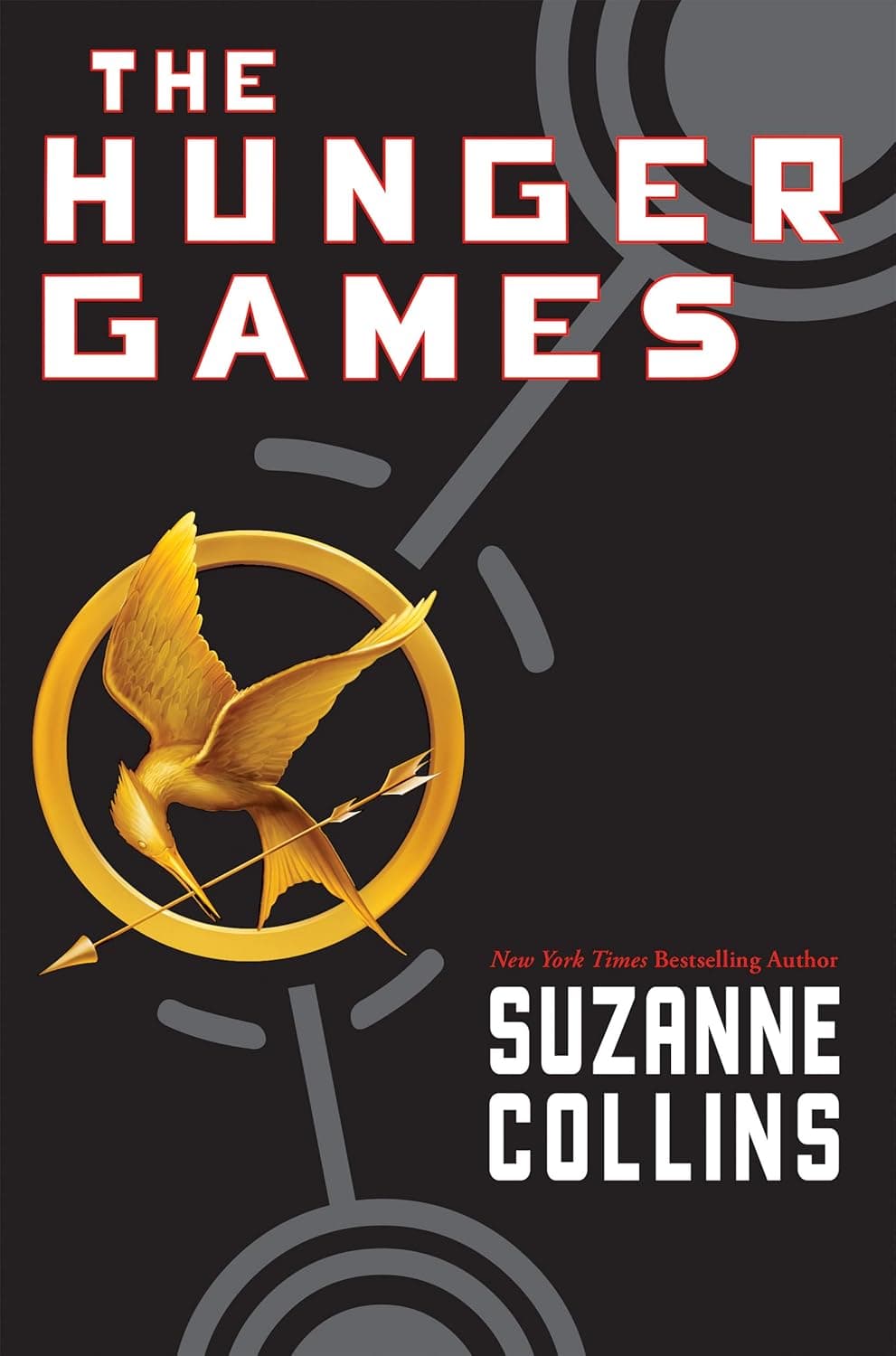
Should you read The Hunger Games?
What works
Food, gifts, costume, sponsors, alliances, and romance all operate as material strategy, making spectacle inseparable from political power.
What may not work for you
The wider districts remain abstract in the first volume, and first-person immediacy limits understanding of characters outside Katniss's suspicions.
What may test your patience
The training and presentation chapters delay the arena but establish the media machinery that makes the violence politically meaningful.
Does the ending reward the effort?
Yes. The final choice transforms personal survival into a public act the Capitol must reinterpret, closing the Games while opening political consequence.
Reading The Hunger Games closely
The Hunger Games launches a televised survival contest that forces Katniss Everdeen to treat food, gifts, costume, alliances, and public affection as material parts of staying alive. Her choices work simultaneously as survival decisions and performances interpreted by an audience she cannot control.
Worldbuilding arrives through action rather than long lectures. The contrast between Capitol excess and district scarcity shows up in train rides, makeover scenes, and sponsor gifts. The rules of the arena are simple enough that alliances and betrayals are easy to follow, which keeps the stakes personal and clear.
Katniss anchors the book because she is resourceful, skeptical, and fiercely tied to her family. Her inner thoughts juggle survival calculations with flashes of affection for Prim, Peeta, and Rue. Relationships stay grounded in shared danger and honesty about fear, which makes each bond in the arena feel hard won instead of convenient.
The novel's primary genre is YA dystopian fiction, but that label is only a starting point. Our Hunger Games genre guide explains the science-fiction and survival-thriller elements; The Hunger Games reading order handles the series sequence, and books like The Hunger Games offers distinct next reads.
What drives the suspense
Lean, cinematic prose that carries readers from the Reaping to the arena finale with constant momentum.
A survival structure that doubles as commentary on media, inequality, and the use of fear as a tool.
A heroine whose pragmatism, loyalty, and archery skills keep every choice compelling.
Reader fit
Readers who want tense survival strategy in which every practical choice also has a political meaning.
The first-person immediacy is a strong fit for readers who value a guarded, resourceful protagonist over a broad view of every district.
Continue from the right path
Use the genre guide for the direct YA dystopia and science-fiction classification.
Follow the publication and chronological reading orders before choosing the next Panem book.
Compare ten books like The Hunger Games when you want a different author or setting.
Three useful comparisons
Catching Fire
Catching Fire expands the rebellion and returns to spectacle with greater political context.
Best for: Readers continuing the trilogy who want broader rebellion, stronger alliances, and another tightly designed arena.
1984
1984 is slower and more systematic about truth and coercion, with no action-adventure structure.
Best for: Readers interested in propaganda, surveillance, political language, and dystopias that offer pressure rather than escapism.
Fourth Wing
Fourth Wing shares lethal training and romance but is more escapist, magical, and less politically rigorous.
Best for: Come for dragons, lethal academy competition, disability-aware adaptation, explicit romance, and fast cliffhanger plotting.
Make the next decision
Reading and buying guides featuring The Hunger Games
Series buying note
Would the collection be the better buy?
These are useful only when you want several books in the same run. The notes below spell out what each package includes and, just as importantly, what it leaves out.
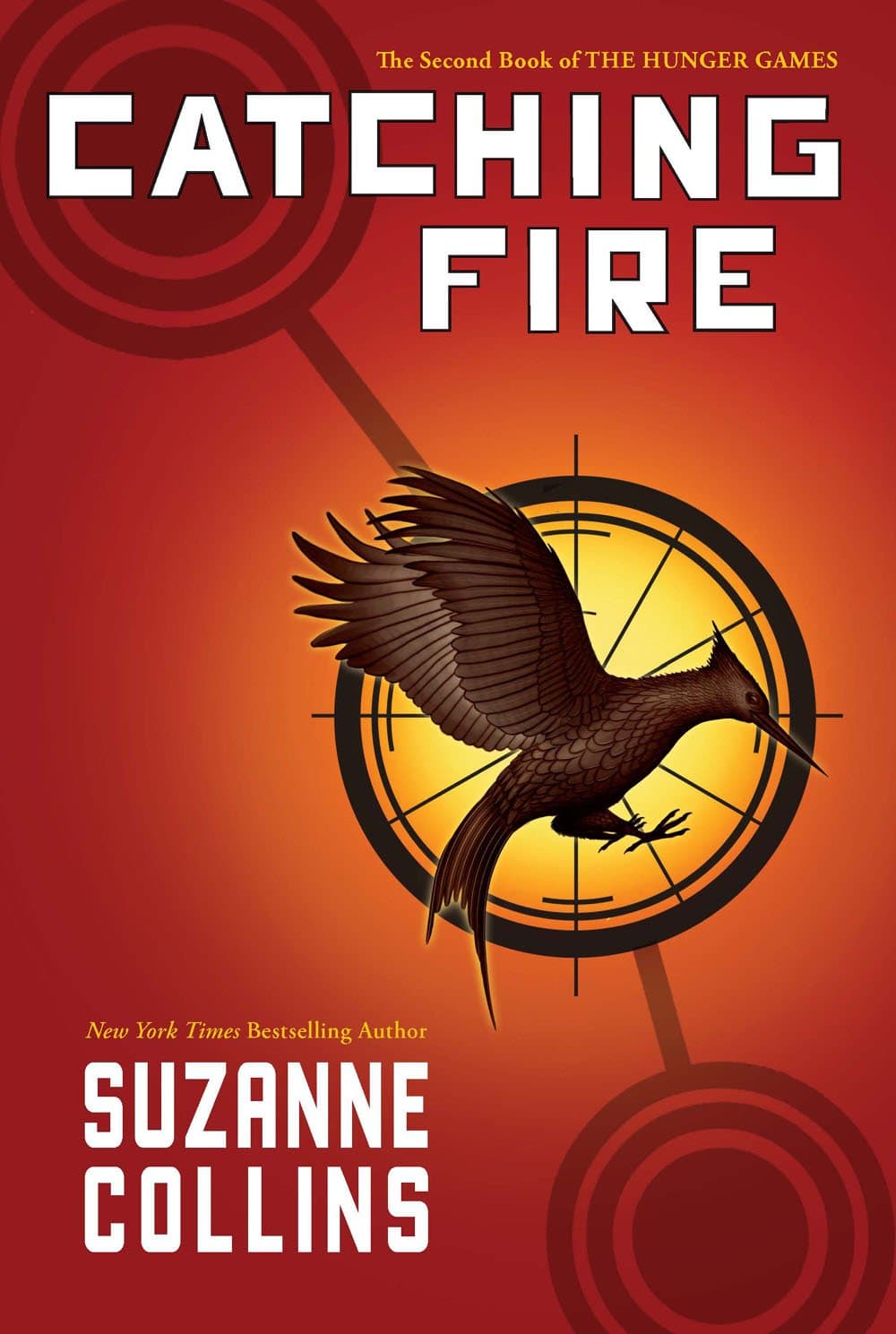
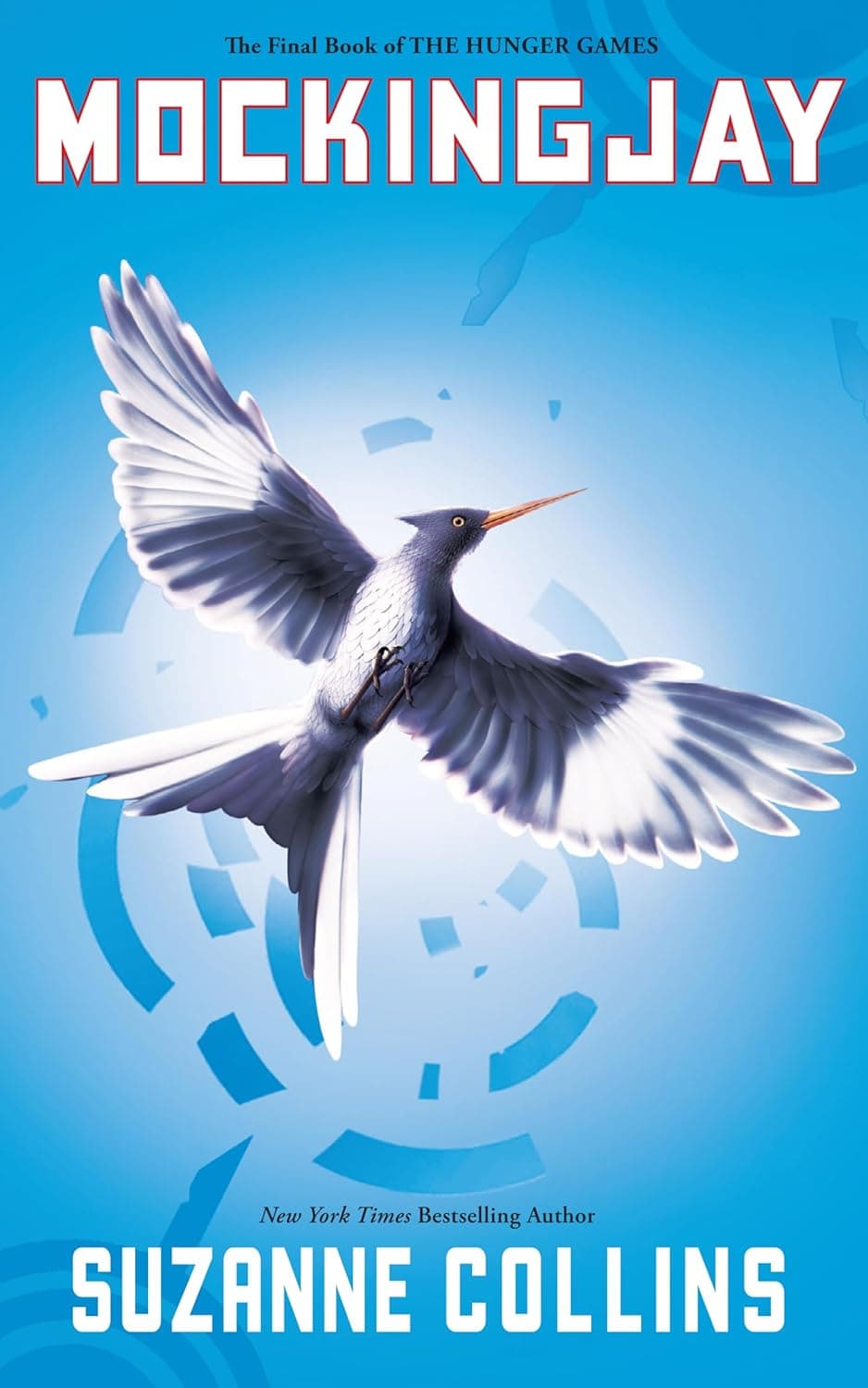
Three-book paperback box set
The Hunger Games Trilogy Boxed Set
The three volumes cover Katniss Everdeen's story from the first arena through the end of the rebellion without mixing in the later prequels.
Included: The Hunger Games, Catching Fire, Mockingjay
Our buying note: Choose this for the original trilogy. The Ballad of Songbirds and Snakes and Sunrise on the Reaping are separate prequel novels and are not included.