Portrait of Suzanne Collins

Author profile

Suzanne Collins: books, reviews, and where to start

Suzanne Collins writes young-adult war stories about spectacle, propaganda, childhood, and the moral injury created when adults turn survival into public entertainment.

Born 1962writernovelistscreenwriter

Biography and criticism

The arena, the camera, and the child forced to perform

The Hunger Games succeeded as a thriller because its political argument is inseparable from Katniss Everdeen's moment-by-moment management of danger and audience.

A military family and children's television

Suzanne Collins was born in 1962 into a military family and moved frequently during childhood. Her father served in Vietnam and taught military history, encouraging discussion of war's causes and consequences rather than treating conflict as distant spectacle. Collins later worked in children's television before publishing the Underland Chronicles, beginning with Gregor the Overlander.

Television experience is visible in her control of episode, cliffhanger, visual symbol, and audience awareness. In The Hunger Games, Katniss must survive the arena and interpret how survival appears on camera. A gesture can earn aid, provoke punishment, or become political without her consent.

War after the apparent victory

Catching Fire repeats the arena to show how a private act of defiance becomes a public symbol. Mockingjay then refuses the clean reward of rebellion. Katniss is managed by competing propaganda systems, and trauma does not disappear when the approved side wins. Collins's first-person present tense keeps political scale attached to incomplete knowledge.

The Ballad of Songbirds and Snakes studies the young Coriolanus Snow without turning explanation into absolution. Sunrise on the Reaping returns to Haymitch and the manufacture of public memory. Begin with The Hunger Games, not the chronological prequels. Collins's work is ordered around revelation: the reader should first feel the arena's coercion through Katniss before studying how its architects learned to narrate cruelty as necessity.

The books in context

How the work develops on the page

These notes connect the biography to specific choices in the books. Each title links to the full spoiler-free review.

This spoiler light review for The Hunger Games looks at how Suzanne Collins builds the story without giving away the most important turns. The Hunger Games launches a televised survival contest that turns Katniss Everdeen into the reluctant face of resistance in Panem.

Worldbuilding arrives through action rather than long lectures. The contrast between Capitol excess and district scarcity shows up in train rides, makeover scenes, and sponsor gifts. The rules of the arena are simple enough that alliances and betrayals are easy to follow, which keeps the stakes personal and clear. For more Panem discussion you can look at our Sunrise on the Reaping review and track how Capitol propaganda shifts over time.

Katniss anchors the book because she is resourceful, skeptical, and fiercely tied to her family. Her inner thoughts juggle survival calculations with flashes of affection for Prim, Peeta, and Rue. Relationships stay grounded in shared danger and honesty about fear, which makes each bond in the arena feel hard won instead of convenient.

Readers who want a deeper look at the political and media commentary can explore The Mary Sue's Hunger Games analysis, which pairs media studies insights with the novel's focus on power. That outside lens highlights the way Collins turns a tense survival story into a critique of spectacle, control, and the narratives that keep unequal systems running.

Collins uses present-tense first person and short sensory decisions, keeping readers inside Katniss's resource calculations even during televised symbolism.

Food, gifts, costume, sponsors, alliances, and romance all operate as material strategy, making spectacle inseparable from political power.

The wider districts remain abstract in the first volume, and first-person immediacy limits understanding of characters outside Katniss's suspicions.

The training and presentation chapters delay the arena but establish the media machinery that makes the violence politically meaningful.

Yes. The final choice transforms personal survival into a public act the Capitol must reinterpret, closing the Games while opening political consequence.

A survival structure that doubles as commentary on media, inequality, and the use of fear as a tool.

Readers looking for a determined female lead who navigates trauma, family duty, and forced fame without losing her core sense of self.

The Hunger Games ignites a televised survival trial that turns Katniss Everdeen into the reluctant face of rebellion.

Read the complete review

Catching Fire picks up after The Hunger Games with Katniss and Peeta back in District 12, carrying a victory that feels more like a threat than a reward. The uneasy calm of the victory tour slowly cracks as Panem starts to show signs of open unrest, and the new Quarter Quell twist turns their previous survival into the first move of a larger game.

Suzanne Collins keeps the prose lean and almost cinematic. Travel, propaganda shoots, and tense private conversations build dread long before anyone steps into an arena. Training sessions and the Quarter Quell itself deliver the spectacle many readers expect, but the most haunting moments often happen in quiet exchanges with Haymitch, Gale, and Peeta, when the cost of being a symbol is hardest to ignore.

The book broadens the political canvas while staying rooted in Katniss's point of view. New allies like Finnick, Johanna, and Beetee arrive with their own histories and coping strategies, adding both humor and heartbreak to the cast. If you enjoy competition and strategy driven stories, you can compare this arc with the tactical tension in our Fourth Wing review and see how different genres use training, alliances, and public image to test their characters.

Rereading Catching Fire now, the media angle feels especially sharp. Capitol broadcasts, carefully staged interviews, and the performance of romance are never just background decoration. They are tools, weapons, and sometimes lifelines, and the novel stays interested in how ordinary people read those signals and choose whether to follow or resist.

The victory tour reveals district anger, the Quarter Quell changes alliance dynamics, and Katniss's incomplete knowledge keeps rebellion dangerous rather than triumphant.

The second arena echoes the first book's structure, and several veteran tributes receive memorable traits without enough time for equal depth.

Yes. The final rupture pays off hidden cooperation and decisively changes the scale, though it is a true bridge into book three.

New allies like Finnick and Johanna add humor, trauma, and tension in ways that deepen Katniss and Peeta's journey.

Readers who want fast paced young adult dystopian fiction with a strong mix of action, politics, and emotional stakes.

Fans of stories where alliances matter, every conversation can shift the plan, and symbols are as important as weapons.

Rewatch the Catching Fire film after reading to notice which political beats and character moments the adaptation highlights.

Catching Fire widens Panem’s unrest as Katniss and Peeta face a lethal victory tour and a Quarter Quell designed to crush rebellion.

Read the complete review

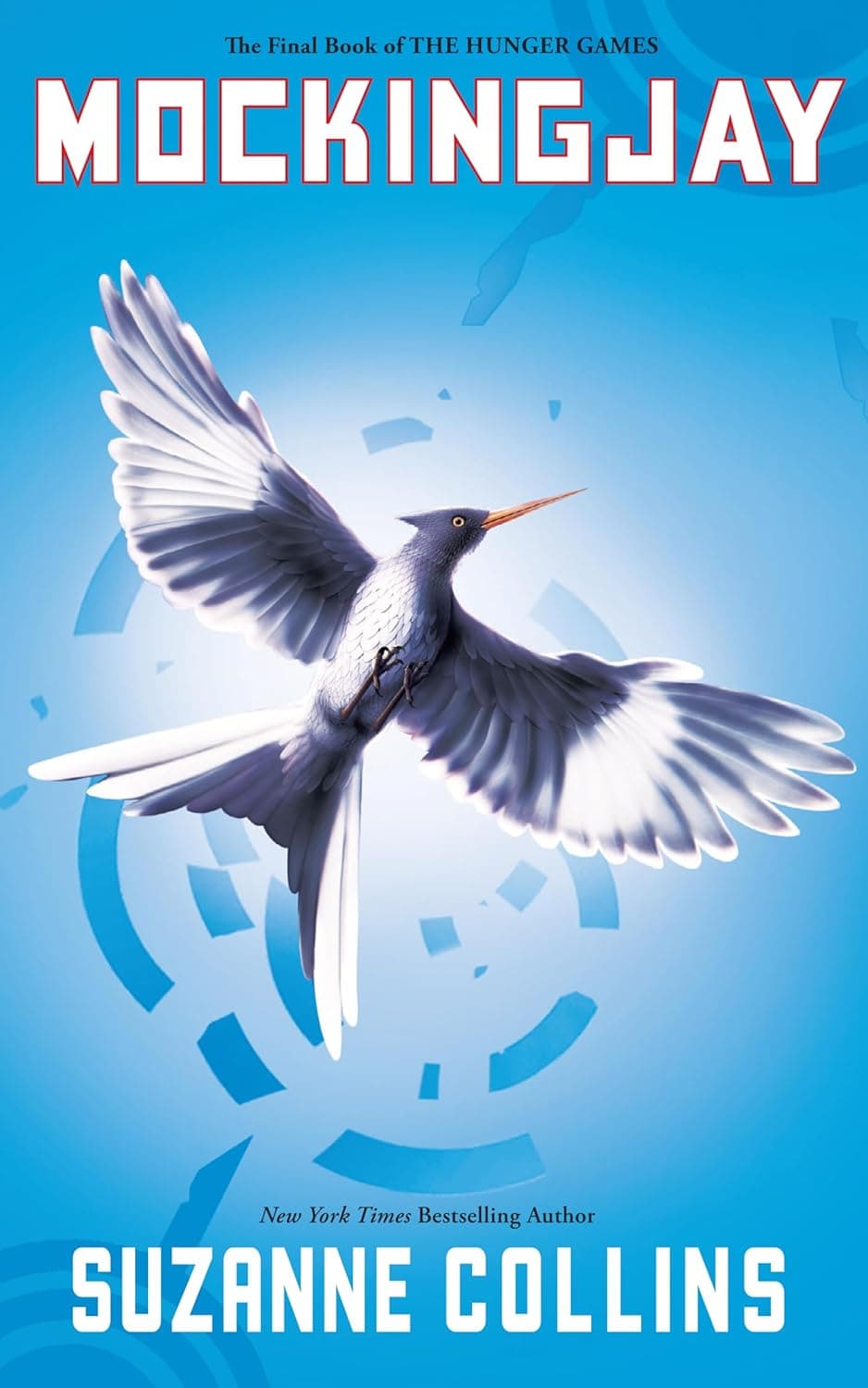
Mockingjay shifts The Hunger Games trilogy from arena survival to full scale war. Katniss finds herself in District 13, asked to become the face of a revolution that has already started using her image without her full consent. The arenas are gone, but the pressure is higher, and the lines between battlefield, propaganda set, and hospital ward blur quickly.

Instead of focusing only on missions, Suzanne Collins spends time on recovery, trauma, and the work of putting people back together. Propo shoots, strategy meetings, and rescue plans all matter, yet some of the most affecting chapters are quiet ones where characters admit what they have lost or what they are afraid of becoming. War is present in the explosions, but it is just as present in nightmares, arguments, and long silences.

Katniss remains compelling because she is brave, furious, stubborn, and deeply tired, often all in the same scene. Gale, Peeta, Boggs, Coin, and other key figures complicate her choices instead of offering simple answers. For another series that plays with the intersection of power, propaganda, and personal cost, you can compare Mockingjay with our thoughts on A Clash of Kings, where similar questions appear in a very different world.

Read today, Mockingjay feels less like a traditional finale and more like a story about what it means to survive after being turned into a symbol. It is interested in who gets to write the official version of events, what is left out, and how someone who has been used as a figurehead might try to reclaim even a small part of their own life.

Collins keeps present tense under trauma, using gaps, sensory flashes, and delayed comprehension to prevent war from becoming strategic spectacle.

Katniss's trauma shapes memory and action, while District 13 and the propos show that opposition can reproduce the Capitol's instrumental logic.

Yes. The final political choice rejects the simple transfer of power, and the quiet aftermath allows survival to remain damaged rather than celebratory.

Replaces arena combat with guerrilla warfare, propaganda crews, and underground campaigns that show how revolutions are actually organised.

Offers a conclusion that stays true to the characters by acknowledging that victory and healing rarely look neat.

Read the complete review

Where to begin

A good place to start with Suzanne Collins
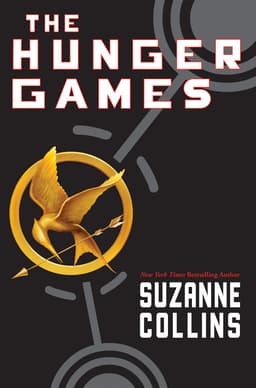
Cover of The Hunger Games
Our highest-rated review

The Hunger Games

4.7 / 5

The Hunger Games is a fiercely efficient dystopian thriller because Katniss's survival decisions are always also performances interpreted by an audience she cannot control.
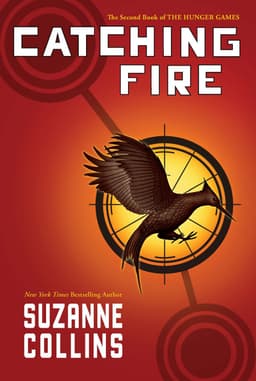
Cover of Catching Fire
Most recently added

Catching Fire

4.6 / 5

Catching Fire repeats the arena for a reason, showing how the Capitol converts Katniss's earlier defiance into a larger, less controllable political symbol.
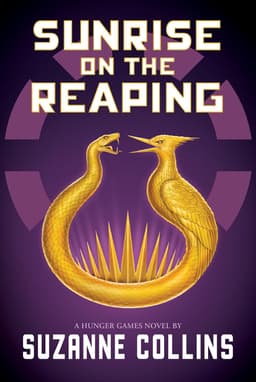
Cover of Sunrise on the Reaping
Another route in

Sunrise on the Reaping

4.5 / 5

Sunrise on the Reaping makes a known outcome suspenseful by focusing on how Haymitch's resistance is edited, appropriated, and remembered by others.

Reading order and buying help

Reading guides featuring Suzanne Collins

Before you readThe Hunger Games genre explainedDystopian reading orderThe Hunger Games books in orderHigh-stakes fictionBooks where anyone can die

Series buying note

Would the collection be the better buy?

These are useful only when you want several books in the same run. The notes below spell out what each package includes and, just as importantly, what it leaves out.
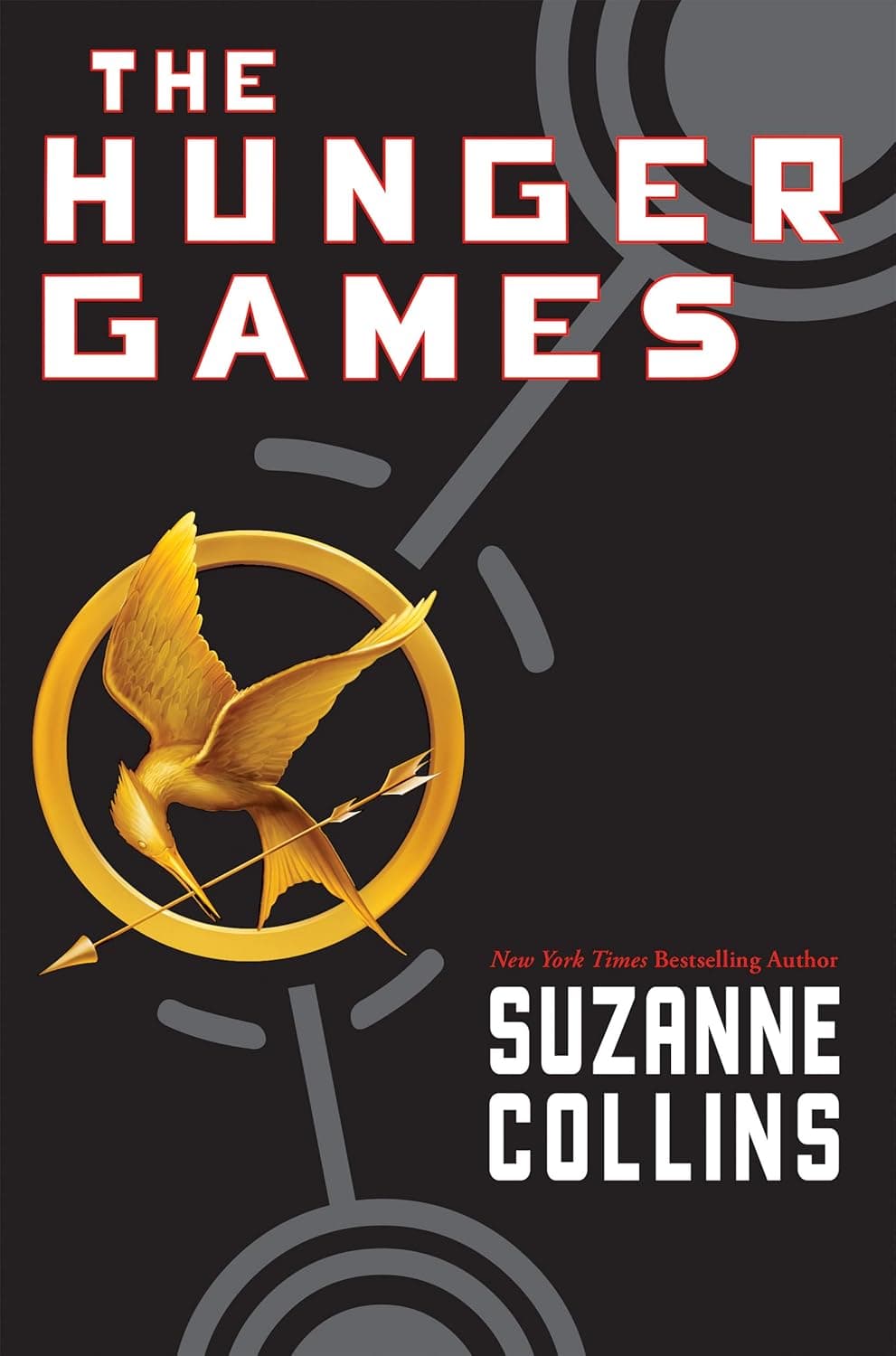
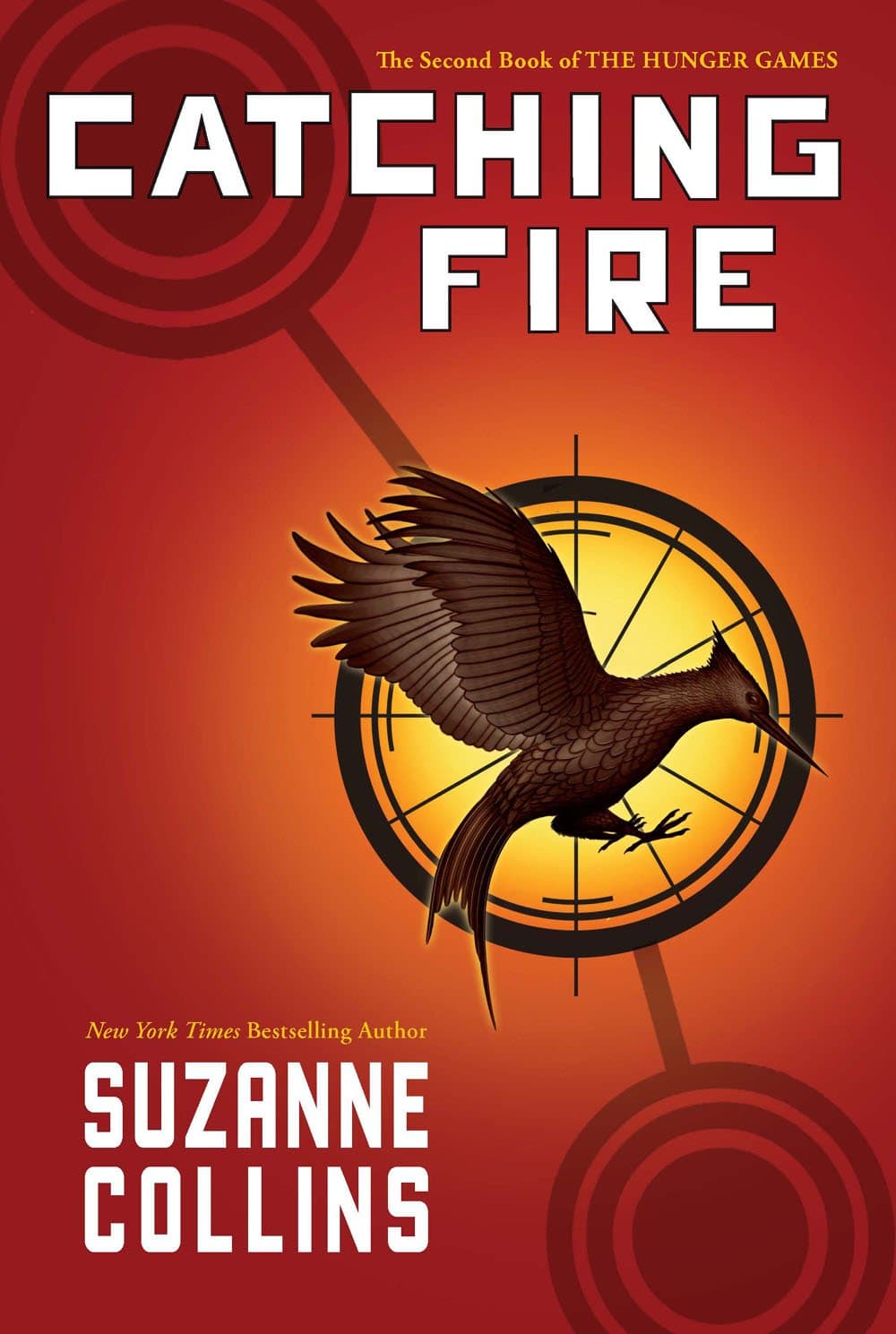
Three-book paperback box set

The Hunger Games Trilogy Boxed Set

The three volumes cover Katniss Everdeen's story from the first arena through the end of the rebellion without mixing in the later prequels.

Included: The Hunger Games, Catching Fire, Mockingjay

Our buying note: Choose this for the original trilogy. The Ballad of Songbirds and Snakes and Sunrise on the Reaping are separate prequel novels and are not included.

See collection formats on Amazon

As an Amazon Associate, I earn from qualifying purchases.

Bibliography

Books by Suzanne Collins

Reviewed titles open directly on Book Review Guide. Other editions and works remain marked until a full review is published.

Cover unavailable

Not reviewed yet

12

Bibliographic records: Open Library.

Reviewed bibliography

Suzanne Collins books reviewed here

Every title below has a complete, spoiler-free review. Scores are our editorial ratings, not visitor averages.

Cover of Catching Fire

20134.6 / 5

Catching Fire

Book 2 of The Hunger Games Trilogy

Catching Fire repeats the arena for a reason, showing how the Capitol converts Katniss's earlier defiance into a larger, less controllable political symbol.

Read the review
See current formats on Amazon

As an Amazon Associate, I earn from qualifying purchases.

Cover of Mockingjay

20144.3 / 5

Mockingjay

Book 3 of The Hunger Games Trilogy

Mockingjay is an intentionally uncomfortable finale that treats revolution as another contest over images, bodies, and narratives rather than a clean heroic release.

Read the review
See current formats on Amazon

As an Amazon Associate, I earn from qualifying purchases.

Cover of The Hunger Games

20094.7 / 5

The Hunger Games

Book 1 of The Hunger Games Trilogy

The Hunger Games is a fiercely efficient dystopian thriller because Katniss's survival decisions are always also performances interpreted by an audience she cannot control.

Read the review
See current formats on Amazon

As an Amazon Associate, I earn from qualifying purchases.