High-stakes fiction
Novels where anyone can die, ranked without spoilers
A high body count is not enough. These books make danger credible because consequences alter the story, survival is never distributed by likability alone, and the reader learns not to trust narrative comfort.
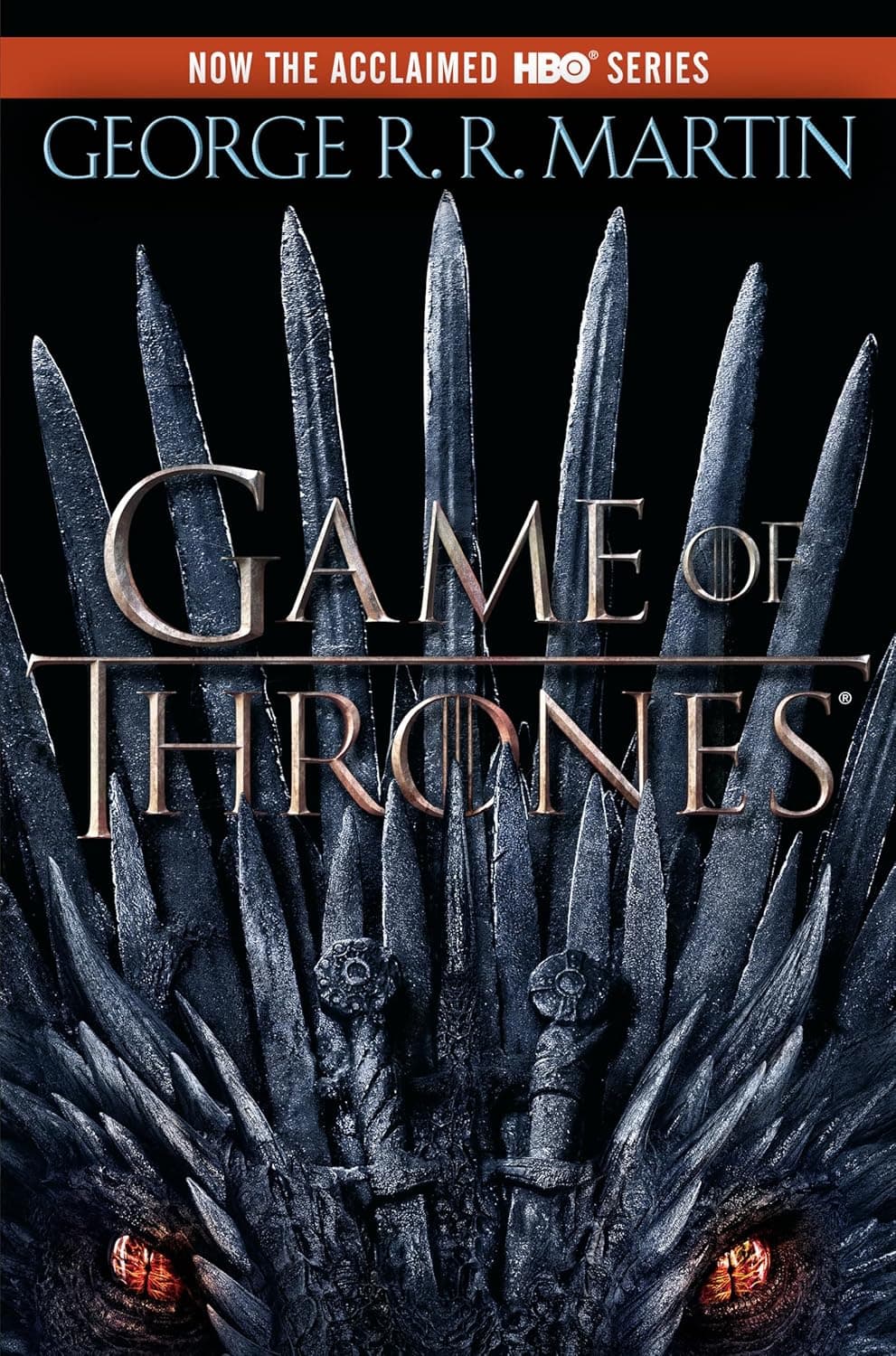
Best overall
A Game of Thrones teaches the reader that protection has limits
George R. R. Martin does not create tension by killing at random. Political decisions produce consequences, distance delays rescue, and honorable intent does not cancel a tactical mistake. The first book remains the best entry because it lets attachment form before demonstrating how little the story owes conventional heroic safety.
No death or survivor is named below. Even that limited warning changes expectations, so continue only if knowing that major characters may be unsafe will not diminish the book for you. A high body count alone does not create credible danger. The strongest books make the possibility of loss change strategy, relationships, and the meaning of apparently safe scenes.
The recommendations cover political fantasy, dystopian survival, technothriller, military science fiction, and religious horror. Violence ranges from frightening but controlled in Jurassic Park to sustained and punishing in Between Two Fires. The Hunger Games and Sunrise on the Reaping are written for a young adult audience but deal directly with state violence and coerced spectacle. Adult category labels should never be used as a substitute for content judgment.
The choices
Eight books that make plot armor feel unreliable
The ranking reflects how convincingly the story distributes risk, not the raw number of casualties. Each note avoids confirming a specific outcome.
1
A Game of Thrones
Best political danger
Multiple families pursue incompatible goals across a kingdom where information travels slowly and authority is personal. Martin gives enough interior access to make several factions understandable, then allows law, violence, illness, and miscalculation to reshape the board. The danger feels structural because no single protagonist controls the story.
Know before reading: the large cast takes concentration, and the book contains sexual violence, harm to children, and public brutality. Start here rather than jumping to a later volume for the famous shocks.
2
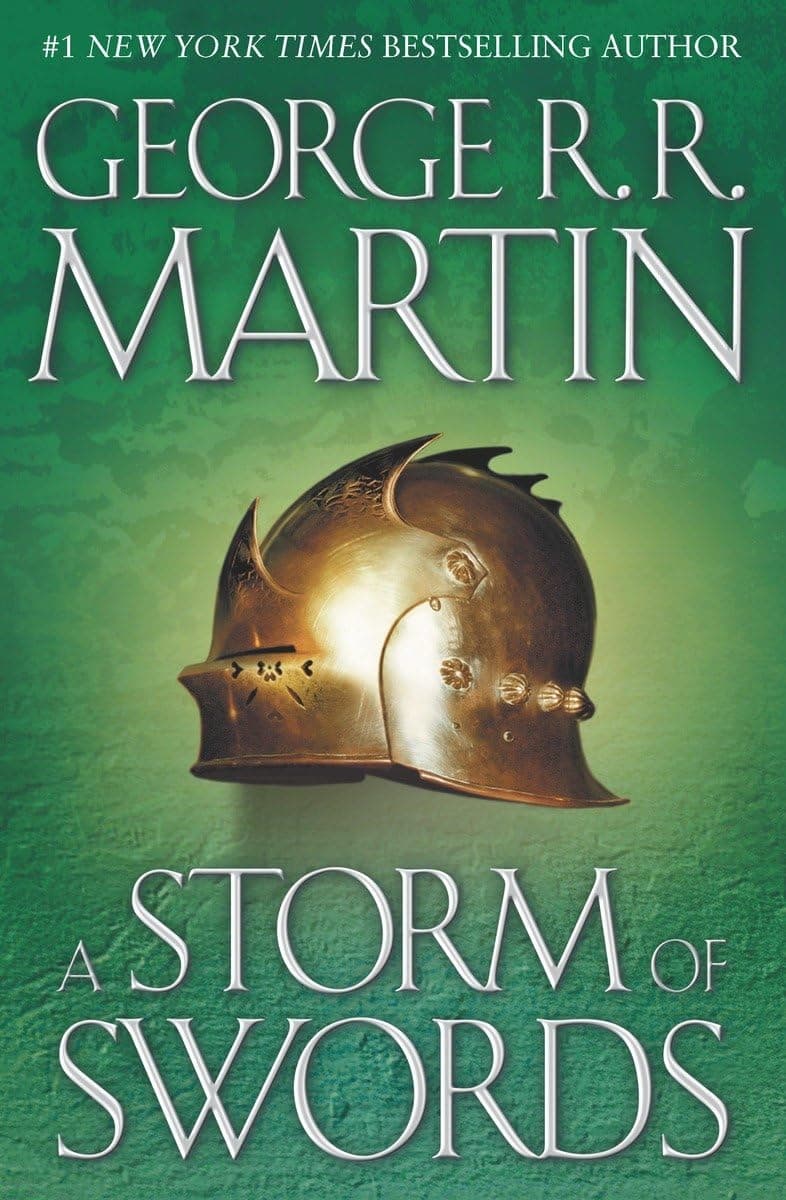
A Storm of Swords
Most relentless sequel
The third A Song of Ice and Fire volume brings several long preparations into collision. Campaigns, marriages, hostage arrangements, and private vendettas create overlapping hazards. Its reputation for major reversals is deserved, but the strongest turns grow from choices and cultural rules established earlier rather than from arbitrary authorial interruption.
Know before reading: read A Game of Thrones and A Clash of Kings first. The consequences have little weight if the alliances and grievances are not already alive in your memory.
3
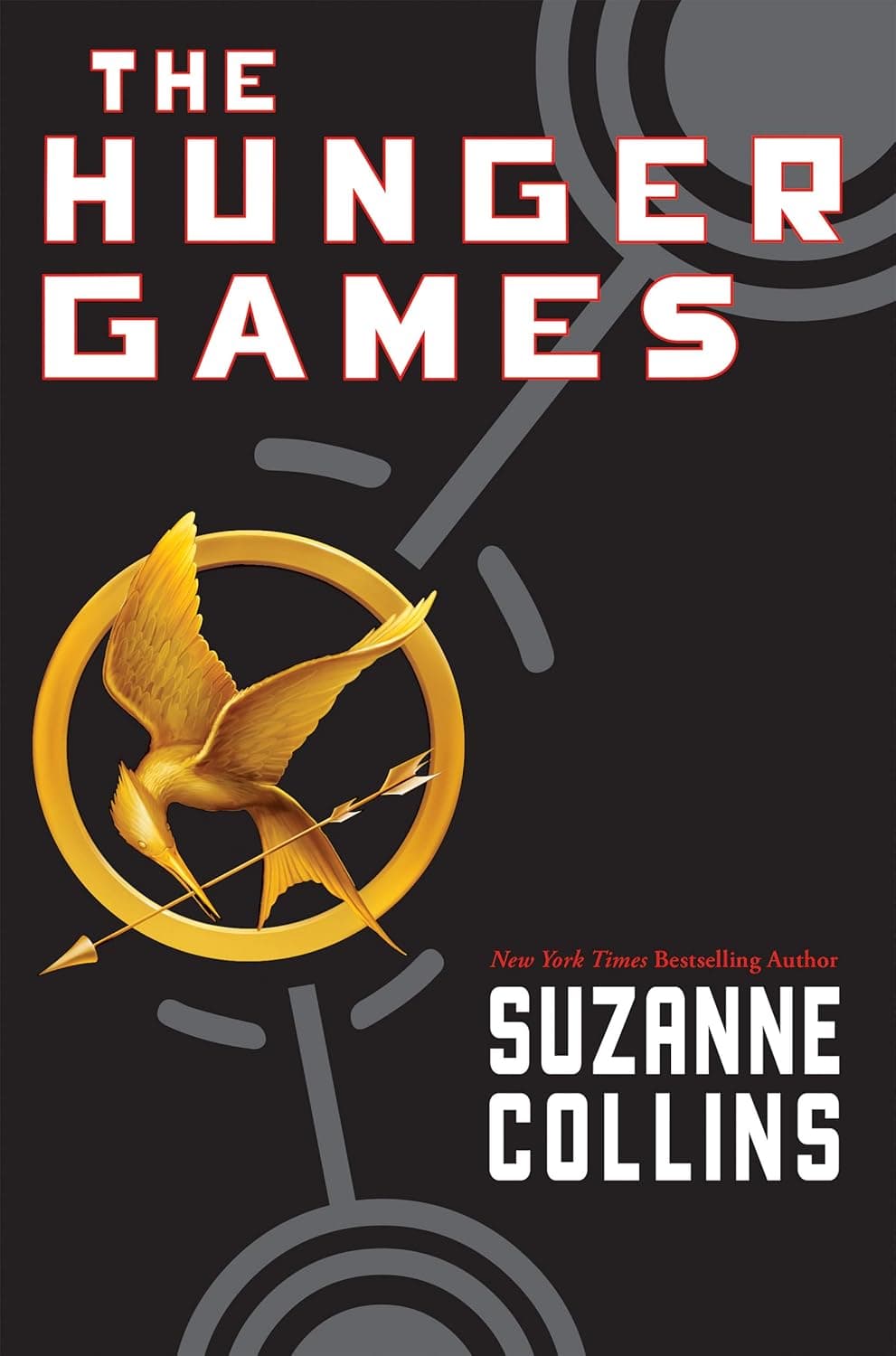
The Hunger Games
Best accessible survival story
Katniss enters a televised arena designed to force young people to turn one another into entertainment. First-person narration guarantees only that she can tell the present moment, not that anyone around her is safe. Collins makes food, sponsors, performance, and alliance choices part of survival, so danger exists outside direct combat.
Know before reading: the prose is accessible, but the premise involves child death, authoritarian control, trauma, and manipulation. Its speed should not be confused with emotional lightness.
4
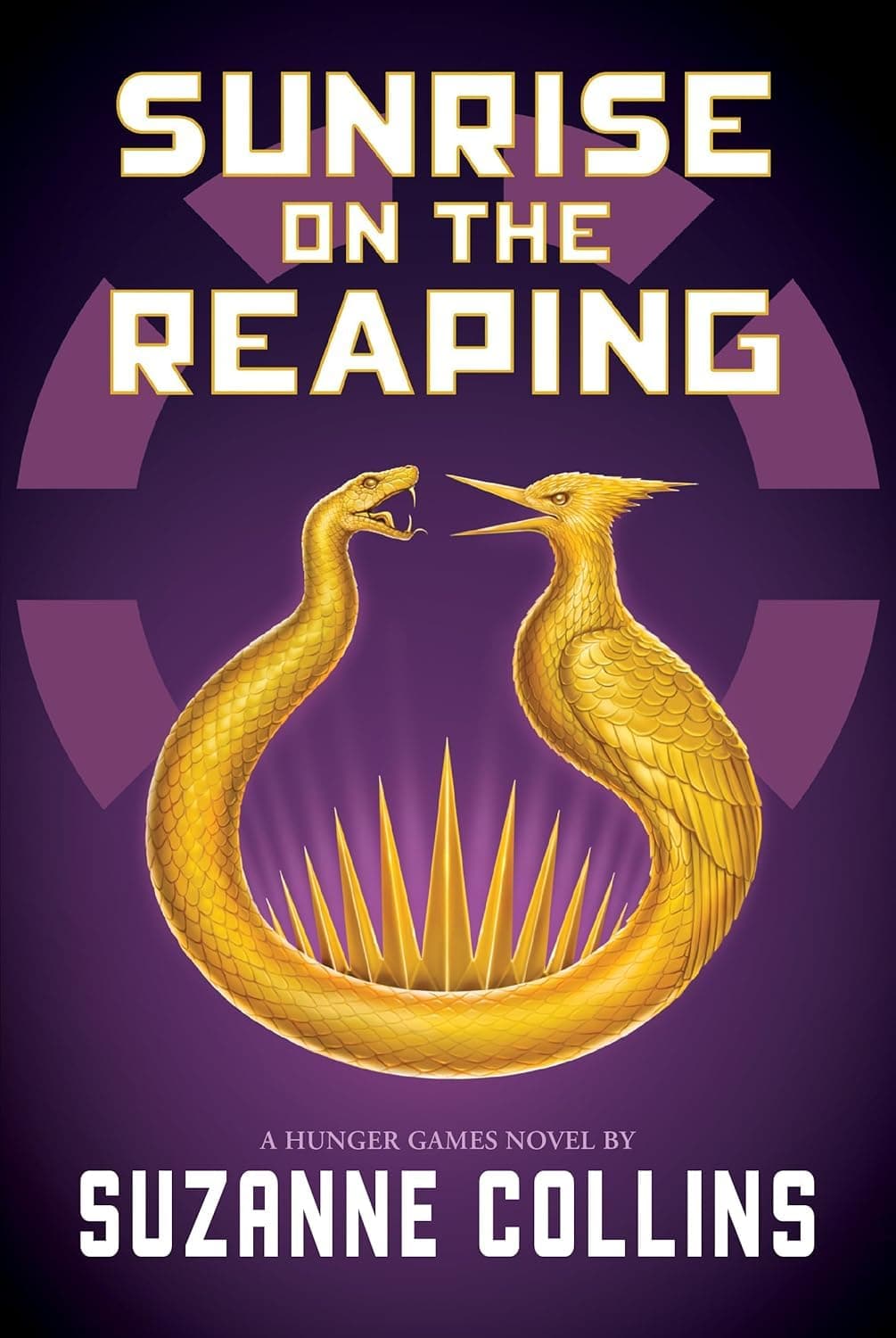
Sunrise on the Reaping
Best tragic foreknowledge
A familiar future can make a prequel feel safe, but Collins uses what readers already know to create dread rather than reassurance. The machinery of the Games, propaganda, and memory determines which truths can survive. Risk extends beyond the arena because public storytelling can erase a person even when facts remain.
Know before reading: read after the original Hunger Games trilogy. Prior knowledge deepens its tension, while starting here would flatten several carefully designed echoes.
5
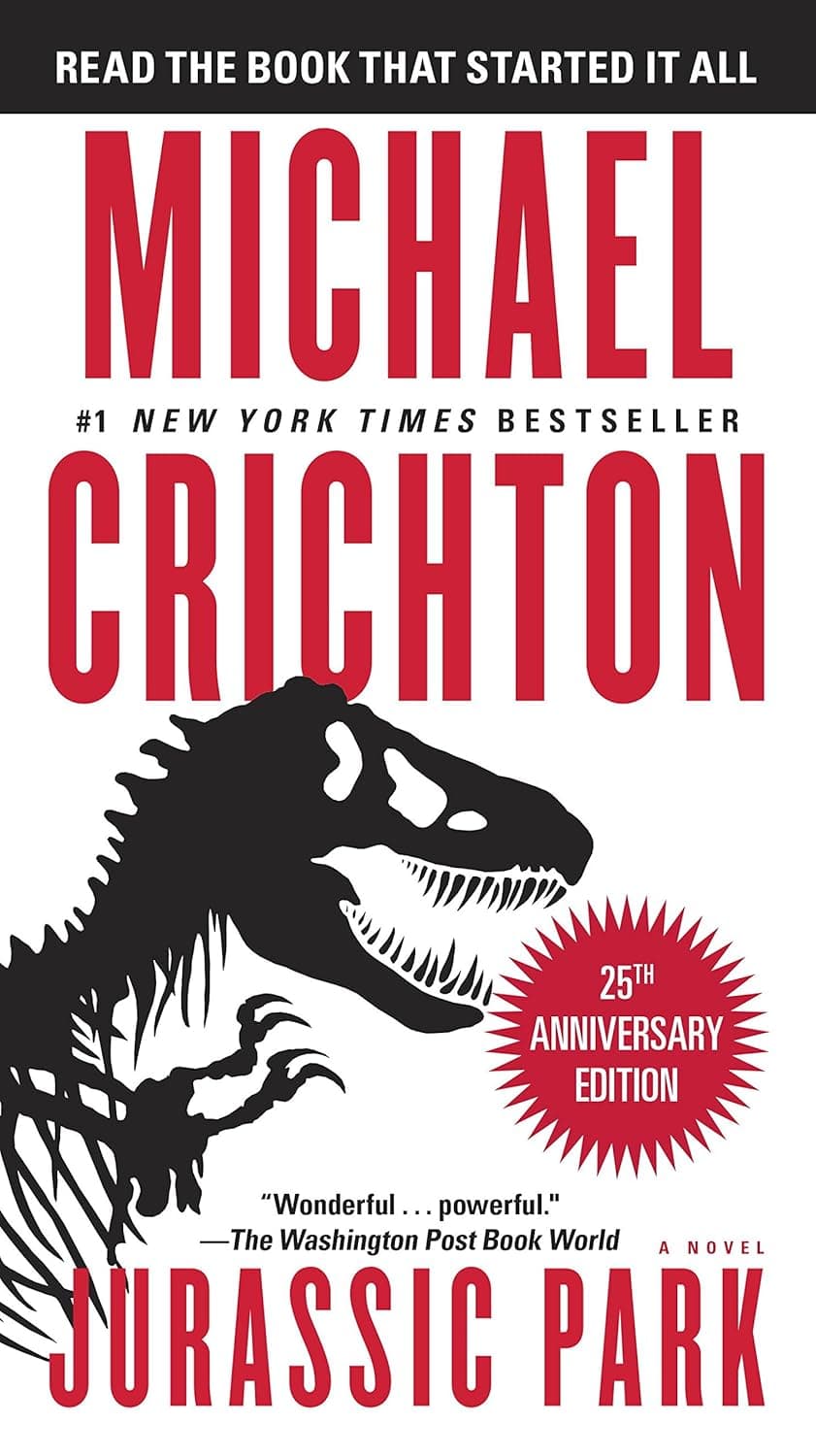
Jurassic Park
Best technothriller
Crichton builds a commercial system that confuses control on a screen with control in the physical world. Once failures compound, expertise, age, and narrative prominence offer no perfect shield. The dinosaurs are frightening, but faulty assumptions, divided incentives, and delayed recognition make the park truly dangerous.
Know before reading: expect technical explanation alongside pursuit scenes, plus stronger violence than the film adaptation. It is the cleanest standalone choice on this list.
6
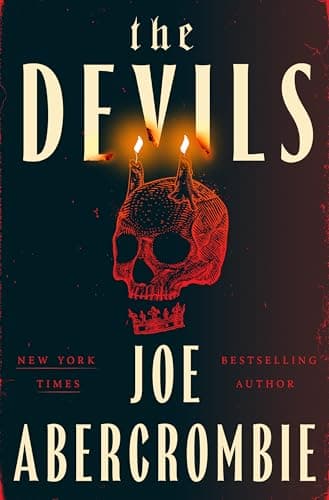
The Devils
Best dark ensemble
A group chosen partly for being monstrous and expendable undertakes a mission whose moral justification keeps shifting. Abercrombie uses black humor to build affection without turning the cast safe. The danger comes from enemies, internal appetites, incompatible motives, and the possibility that success may not mean what the group was told.
Know before reading: the violence is graphic and the comedy intentionally cruel. The large cast takes time to distinguish, so do not expect every risk to land immediately.
7
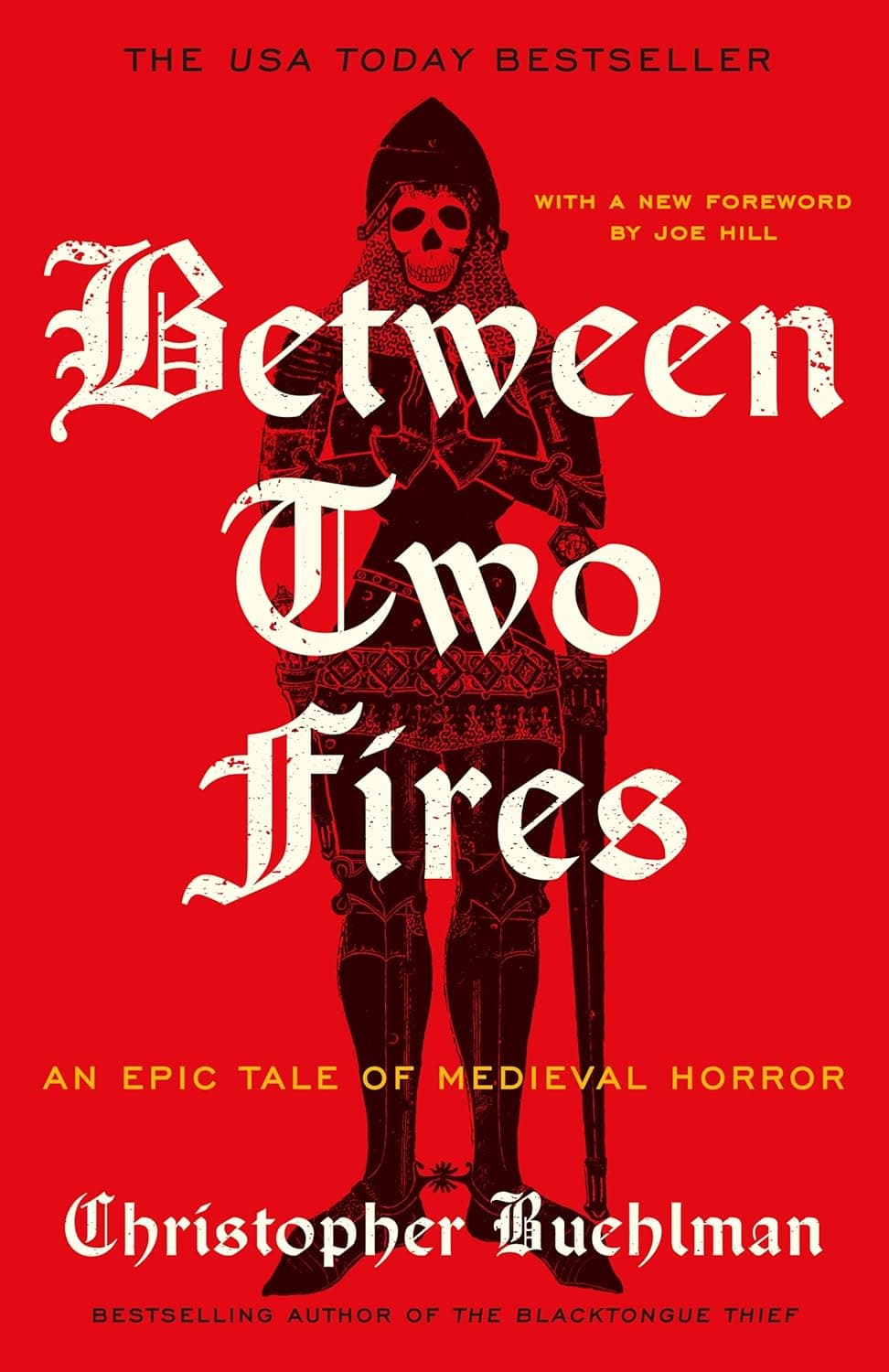
Between Two Fires
Darkest journey
A disgraced knight escorts a strange girl through plague-torn France while spiritual and physical horrors gather around them. Buehlman repeatedly tests whether decency matters when bodies, institutions, and certainty are collapsing. The episodic road structure lets each apparent refuge become a new moral and supernatural hazard.
Know before reading: this is the harshest recommendation here, with disease, religious terror, body horror, and violence toward vulnerable people. Its flashes of grace do not make it comfortable.
8
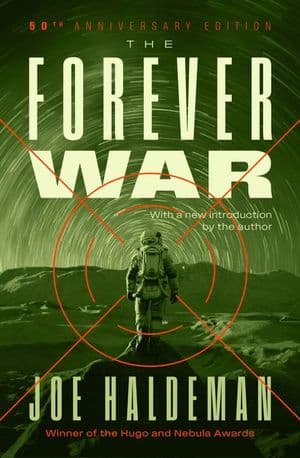
The Forever War
Best military science fiction
Relativistic travel sends soldiers away for months while decades pass for the society that deployed them. Combat is dangerous, but estrangement becomes another form of loss: training, language, relationships, and political purpose change between returns. Haldeman makes survival uncertain without presenting warfare as a reliable path to meaning.
Know before reading: you want military science fiction skeptical of military glory. Some social assumptions reflect the era in which it was written and deserve critical distance.
Side by side
Choose by danger, not by casualty count
The table describes the source and intensity of threat without revealing who lives through it.
| Book | Main source of danger | Violence | Best reason to choose it |
|---|---|---|---|
| A Game of Thrones | Politics and divided power | High | Consequences across many viewpoints |
| The Hunger Games | State spectacle and survival | High, clearly presented | Immediate first-person tension |
| Jurassic Park | System failure and predation | Moderate to high | Standalone technical suspense |
| Between Two Fires | Plague and supernatural horror | Very high | Moral struggle inside darkness |
| The Forever War | Combat and relativistic displacement | High | War examined across time |
What makes a death feel earned rather than manipulative
The best high-stakes fiction establishes what characters know, what they choose, and what systems restrict them. Consequences can still surprise, but afterward the chain should remain intelligible. A Game of Thrones and Jurassic Park differ radically in genre, yet both spend time showing how authority, incentives, and bad information create disaster.
Randomness has a legitimate place in war and horror. The problem begins when a story treats a character as disposable only long enough to provoke a reaction, then forgets the social and practical absence. These selections keep consequence in the narrative even when their methods are brutal.
The safest entry for a cautious reader
Choose Jurassic Park if you want one complete novel and can tolerate creature violence. Choose The Hunger Games for the most accessible prose, while taking its child-endangerment premise seriously. A Game of Thrones offers the richest political network but asks for commitment to a long unfinished series. Between Two Fires should be reserved for readers already comfortable with severe horror.
Quick answers
Questions readers ask before buying
Will I learn who dies?
No. The discussion confirms only that major-character safety feels unstable. It does not name a death, survivor, or scene outcome.
Which book works best as a standalone?
Jurassic Park is the easiest complete standalone. Between Two Fires also tells a complete story, but its horror is much more severe.
Which recommendation is least graphic?
The Hunger Games uses direct but generally controlled prose, though its subject is disturbing. The Forever War can be blunt, and none of these books should be treated as low-violence comfort reading.
Sources
Sources for this guide
Official publisher descriptions were checked for premise and series position. Risk, violence, and narrative-consequence judgments come from our spoiler-conscious editorial readings, not casualty summaries.
Keep reading