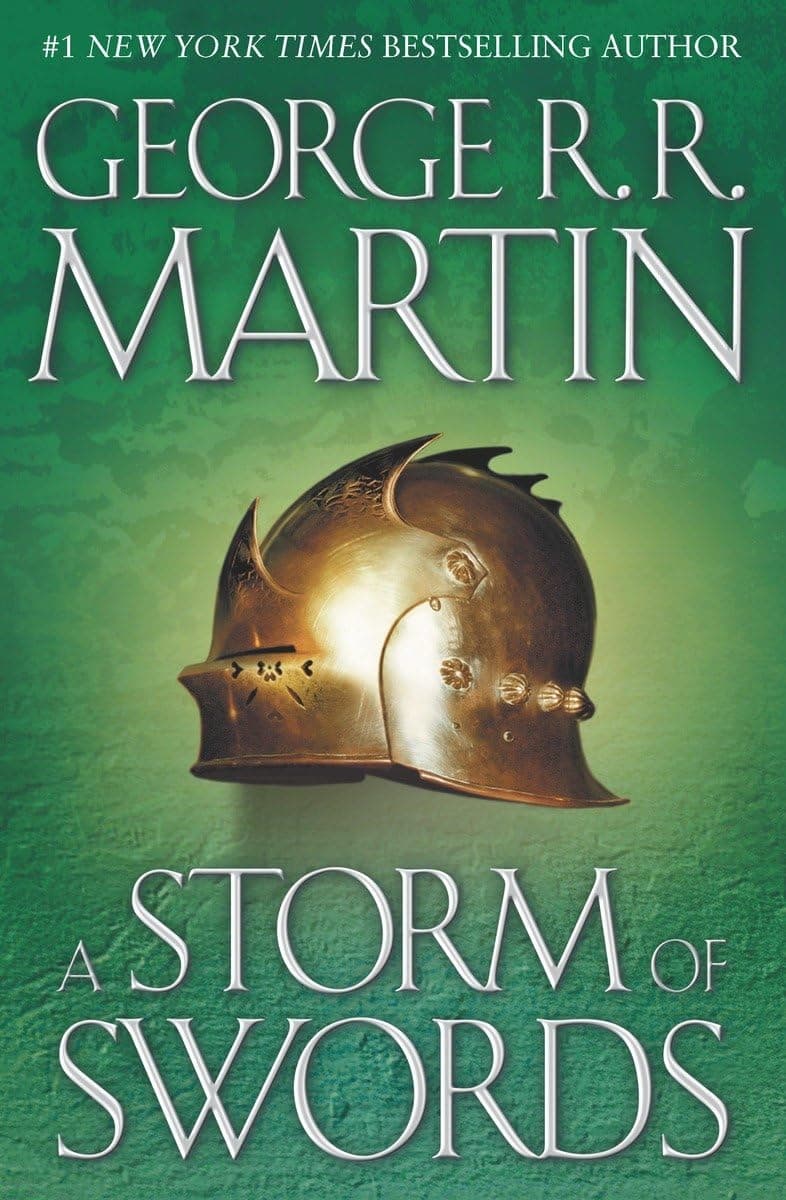
Should you read A Storm of Swords?
What works
Jaime, Catelyn, Tyrion, Jon, Arya, and Sansa all face choices that alter how their earlier identities can be understood, while consequences cross viewpoint boundaries.
What may not work for you
The intensity depends on sustained brutality, some sexual material remains exploitative, and the volume's size can make quieter threads feel stranded.
What may test your patience
The long build before major weddings and battles requires trust that apparently separate journeys are tightening around the same political pressures.
Does the ending reward the effort?
Completely as a middle climax. The final run of chapters changes nearly every major balance and leaves aftermath rather than mere cliffhanger.
Reading A Storm of Swords closely
A Storm of Swords is where the A Song of Ice and Fire series truly catches fire for many readers. The wars of Westeros intensify, loyalties snap or harden, and several infamous twists arrive after hundreds of pages of careful setup. It is a long book, but there is very little that feels wasted.
The rotating point of view structure pays off in full here. Characters change in ways that feel earned rather than convenient, and the novel keeps asking what loyalty, family, and honour cost when the world is falling apart. People we thought we understood surprise us, and the apparent smallfolk continue to show how stubborn courage can matter as much as noble blood.
Martin handles pacing like a long fuse. Major battles and catastrophes land with force because you have lived through the marches, councils, and uneasy truces that led to them. The shock is real, but so is the aftermath, and the story refuses to move on before it shows the grief, anger, or numbness that follow.
The prose remains clean and physical, full of cold stone, wet cloaks, bad food, and songs that carry more meaning than their singers realise. Customs, stories, and regional details slip into the narrative without feeling like lectures. If you want to deepen your understanding of the setting while you read, companion resources like Westeros.org or the appendices in the back of the book can be useful tools.
Reading the series in sequence
Revisit A Game of Thrones and A Clash of Kings afterward to trace how each house's choices lead directly into this volume.
Dip into Westeros.org for maps, timelines, and essays if you want extra context while staying mostly spoiler safe.
Three useful comparisons
A Clash of Kings
Clash supplies the military and political setup; Storm delivers the greater emotional payoff.
Best for: Series readers ready for broader war, darker magic, court maneuvering, and slower movement across many fronts.
A Feast for Crows
Feast slows radically to examine survivors, institutions, and the social debris left by these victories.
Best for: Patient series readers interested in aftermath, gendered power, religion, and unreliable self-justification more than rapid conquest.
Golden Son
Golden Son offers similarly aggressive reversals in a faster first-person science-fiction campaign.
Best for: Red Rising readers ready for space battles, political betrayal, friendship under secrecy, and relentless escalation.
Make the next decision
Reading and buying guides featuring A Storm of Swords
Series buying note
Would the collection be the better buy?
These are useful only when you want several books in the same run. The notes below spell out what each package includes and, just as importantly, what it leaves out.
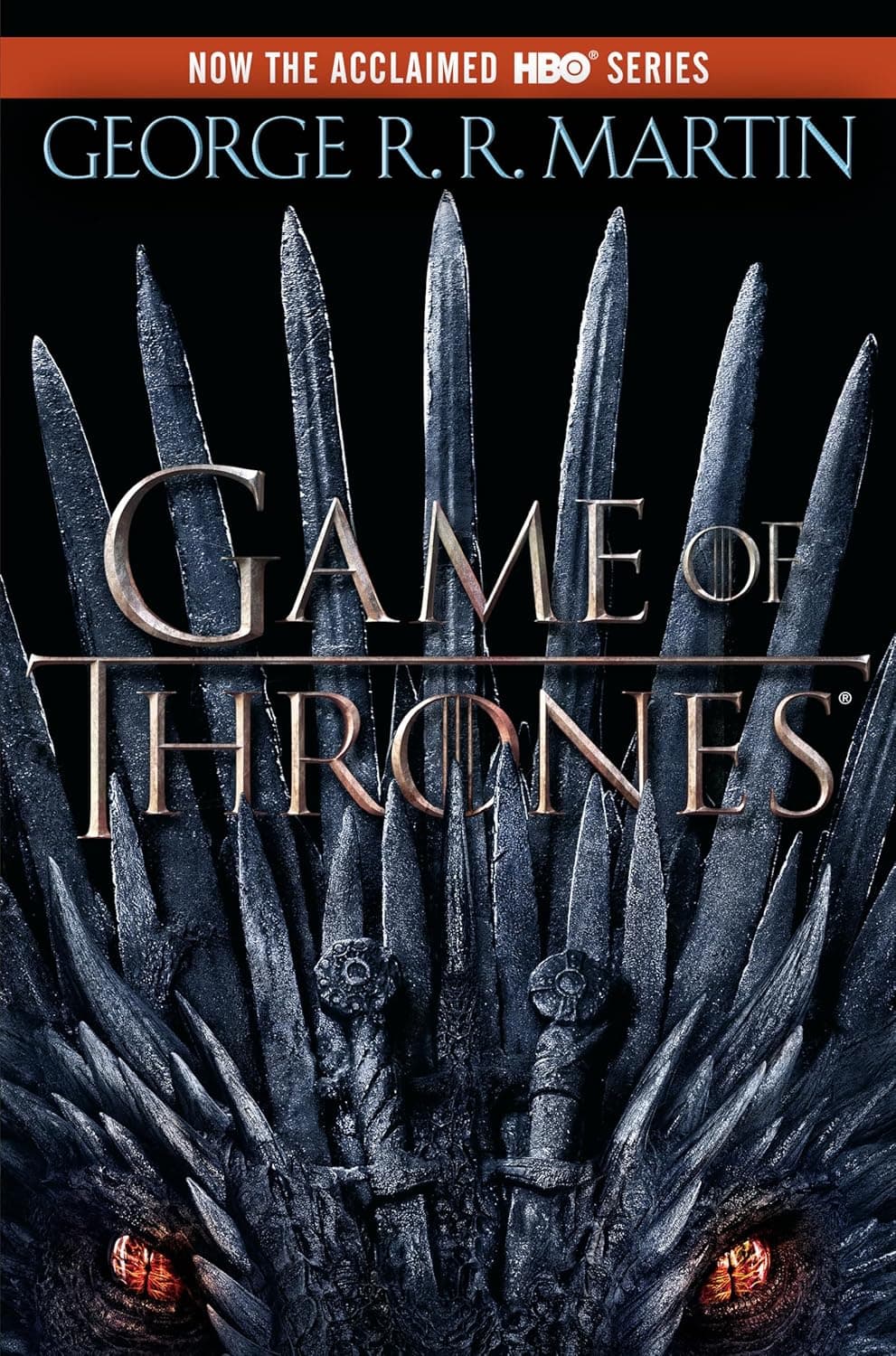
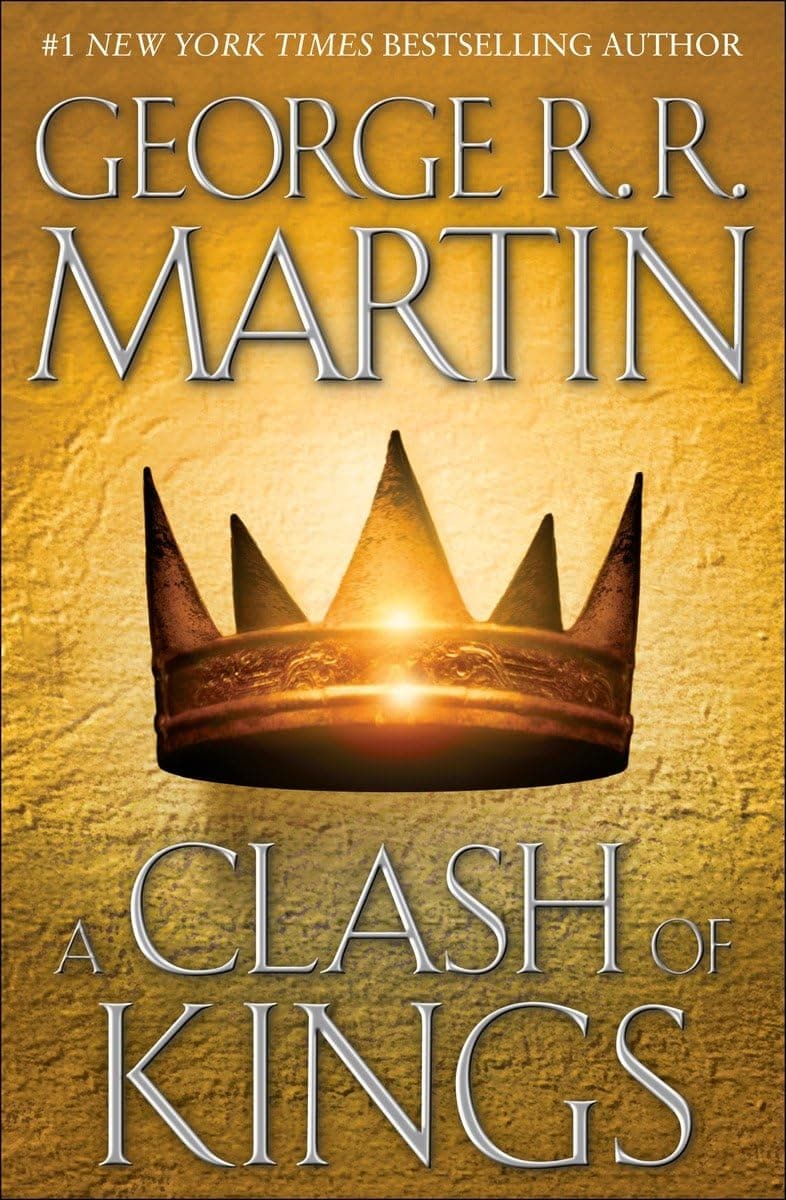
Five-book paperback box set
A Song of Ice and Fire 5-Book Boxed Set
This set collects all five published main-sequence novels, which is exactly what a new reader needs to catch up with the unfinished story.
Included: A Game of Thrones, A Clash of Kings, A Storm of Swords, A Feast for Crows, A Dance with Dragons
Our buying note: The box does not contain The Winds of Winter, and the planned seven-book sequence is not complete. Buy it for the five novels that exist, not as a finished saga.