Reading data
The darkest book genres in our review catalog
Horror is the clear outlier, but a single darkness score hides the difference between dread, cruelty, grief, political oppression, and moral bleakness. Here is what the numbers mean on the page.

The result
Horror is darkest by a wide margin in this catalog
Horror-tagged reviews average 3.75 on our directional darkness profile, far above thriller at 1.38. That result is unsurprising but still incomplete. The Shining builds darkness through addiction, family fear, and a predatory place. Between Two Fires uses plague, bodily suffering, and spiritual terror. A score can group them; it cannot describe what a reader may need to avoid.
The darkness profile draws from genre tags and editorial signals such as bleak, brutal, violent, disturbing, graphic, horror, trauma, and grief. Higher values mean those signals appear more strongly in how the reviewed book is described. The scale does not measure moral worth, literary seriousness, age suitability, or the number of on-page deaths. It is a directional tool for choosing mood.
The eight broad genre categories overlap, so a Gothic classic may influence horror and classics while a dystopian science fiction novel may influence science fiction and a darker thematic group. Romance's very low average does not mean every romance is gentle. Alchemised alone would be enough to disprove that shortcut. It means the catalog's broad romance group contains more warmth and relationship-led tension than explicit bleakness on average.
The choices
Eight books that show how darkness changes by genre
These are not simply the bleakest books we have reviewed. They are useful examples of the distinct pressure each category can create.
1
The Shining
Psychological horror
The Overlook Hotel amplifies vulnerabilities already present in a family under financial and emotional strain. King gives the threat time to work through addiction, resentment, isolation, and a child's perception. The supernatural horror is inseparable from the fear that someone you love may become dangerous before admitting anything is wrong.
Darkness comes from: family abuse, addiction, psychic intrusion, isolation, and escalating violence. The slow accumulation is part of the effect.
2
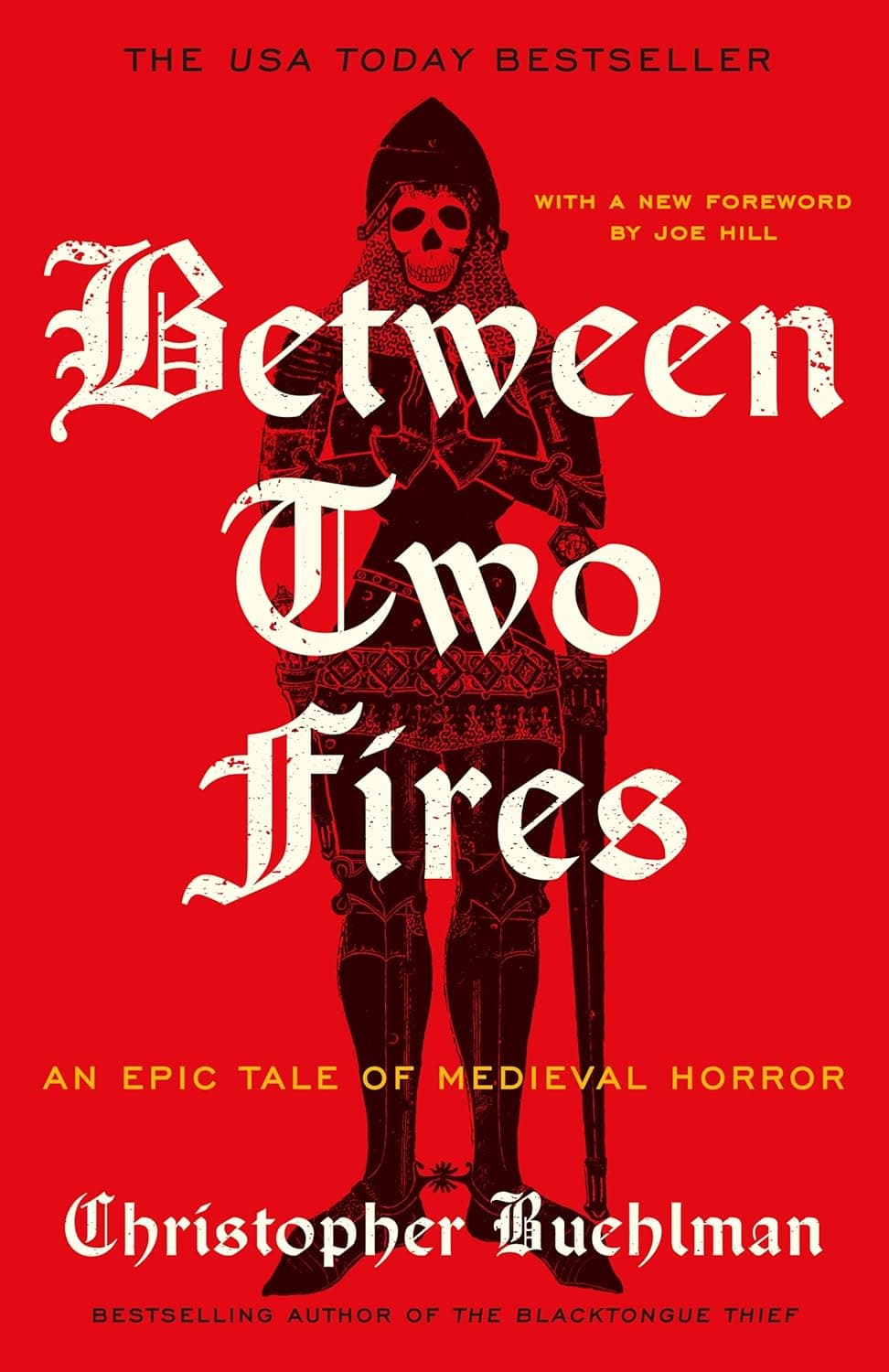
Between Two Fires
Religious horror
Plague-era France becomes a landscape where physical disease and spiritual catastrophe appear to reinforce one another. Buehlman lets grotesque episodes accumulate, but the journey remains anchored in the possibility that protecting another person matters. That fragile moral light makes the surrounding darkness more distinct rather than softer.
Darkness comes from: disease, body horror, violence, religious terror, and harm toward vulnerable people. It is the least suitable entry for a cautious horror reader.
3
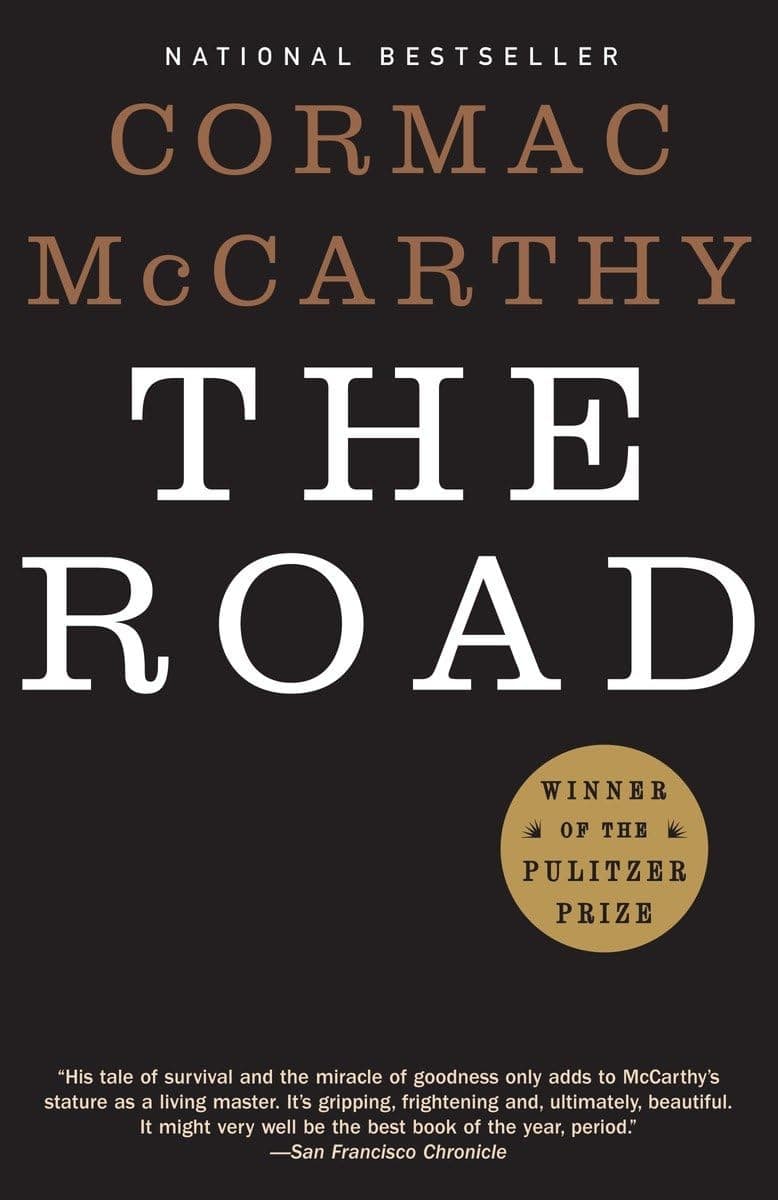
The Road
Post-apocalyptic literary fiction
A father and son move through an exhausted world where food, warmth, and trust are scarce. McCarthy strips away most social explanation and concentrates on the daily work of continuing. The darkness is not only what other survivors may do. It is the pressure placed on tenderness when the future offers almost no evidence of improvement.
Darkness comes from: starvation, violence, grief, and parental fear. The relationship is loving, but the book never turns that love into easy reassurance.
4
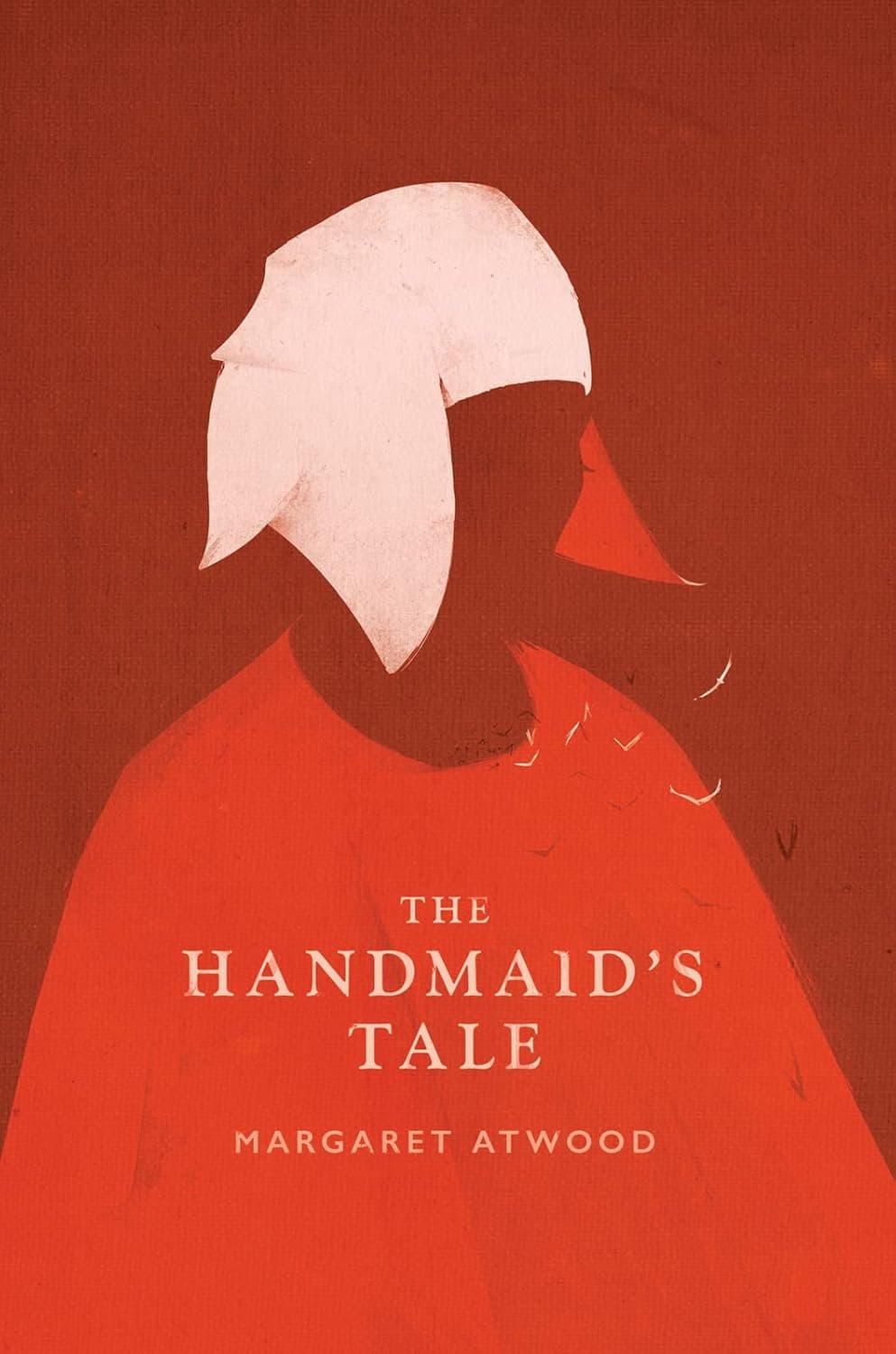
The Handmaid's Tale
Dystopian fiction
Atwood locates oppression in controlled language, ritual, clothing, memory, and the confiscation of bodily autonomy. The narrator's limited access to information matters as much as public violence. Darkness comes from a political system making coercion ordinary and forcing private survival to coexist with compromised choices.
Darkness comes from: sexual coercion, reproductive control, authoritarian religion, and uncertainty. Its restraint can make the material more disturbing, not less.
5
Sphere
Science fiction thriller
Scientists descend to an isolated underwater site where physical confinement, incomplete knowledge, and interpersonal suspicion steadily narrow their options. Crichton combines technical curiosity with psychological threat. The setting turns every failure into a survival problem, while the speculative premise destabilizes the team's confidence in its own perceptions.
Darkness comes from: claustrophobia, deaths, paranoia, and underwater danger. It moves faster than the literary and historical examples on this list.
6
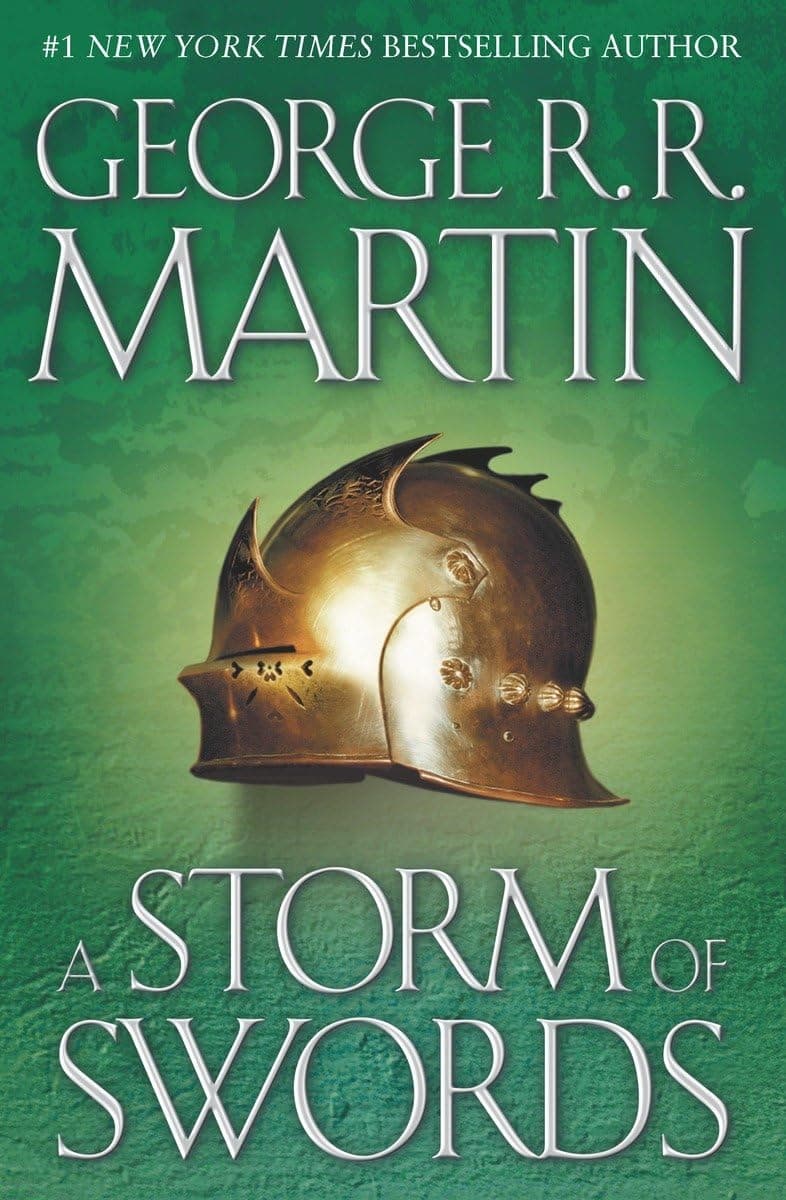
A Storm of Swords
Epic fantasy
War, family obligation, hostage politics, and private revenge converge across a very large cast. The book's darkness comes from consequences that reach beyond a single violent scene. Promises shape later choices, public acts reshape alliances, and survival rarely restores what has already been broken.
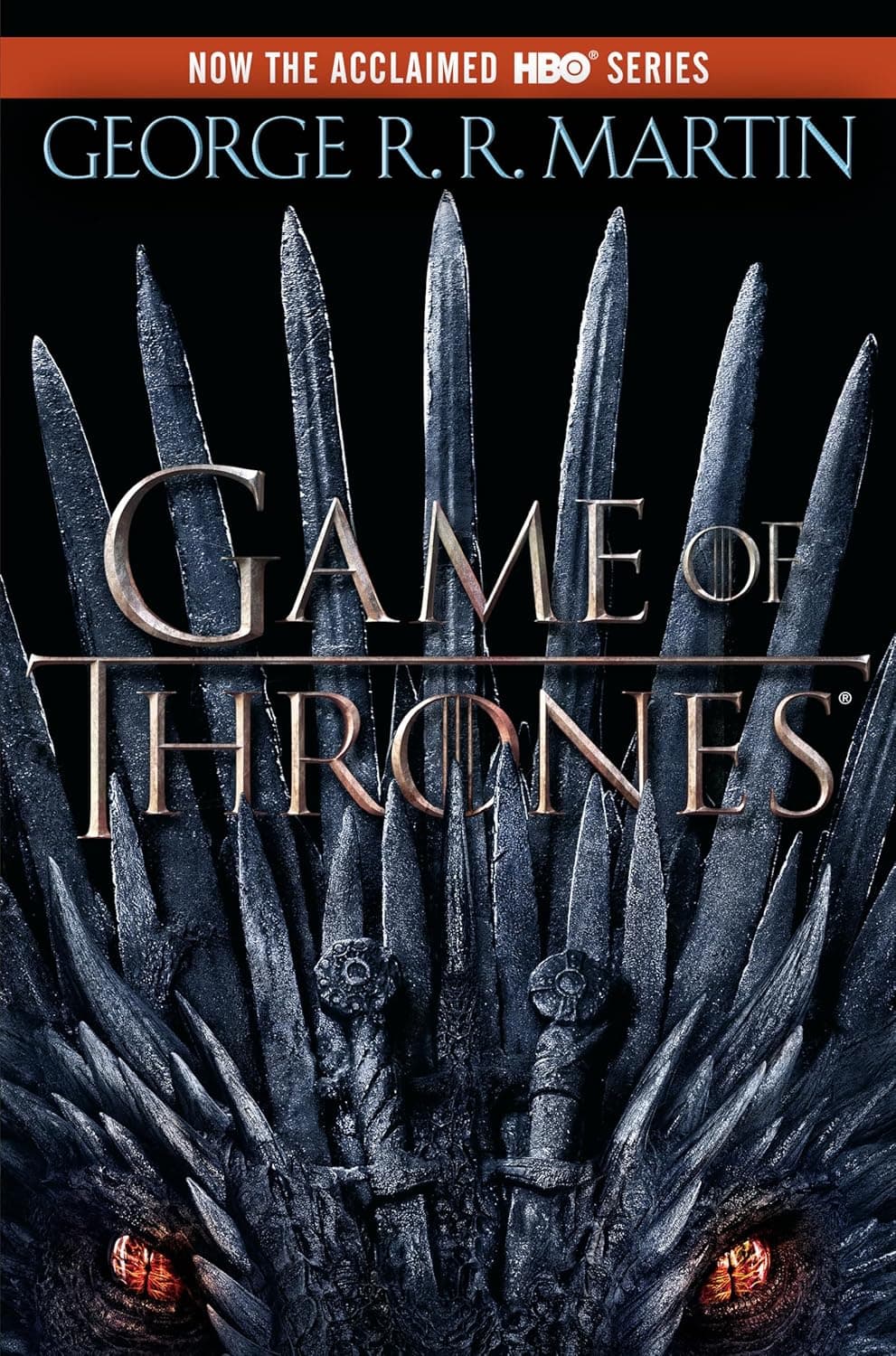
Darkness comes from: war crimes, sexual violence, torture, betrayal, and major-character danger. Read the first two A Song of Ice and Fire novels before it.
7
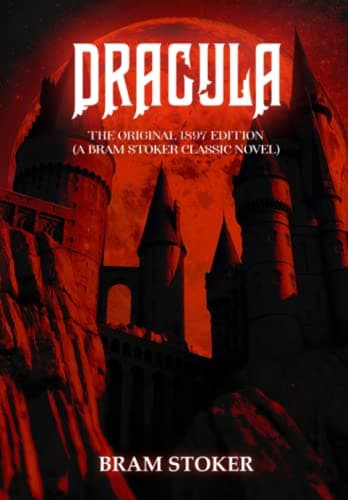
Dracula
Gothic classic
Letters, journals, records, and interrupted accounts allow dread to build as characters compare partial knowledge. The predation has sexual, medical, and religious dimensions, while the group response adds companionship absent from more nihilistic horror. Historical distance changes the style but does not remove the novel's invasive threat.
Darkness comes from: blood, predation, confinement, illness, and dated Victorian attitudes. It is less graphically described than modern horror but still deeply anxious.
8
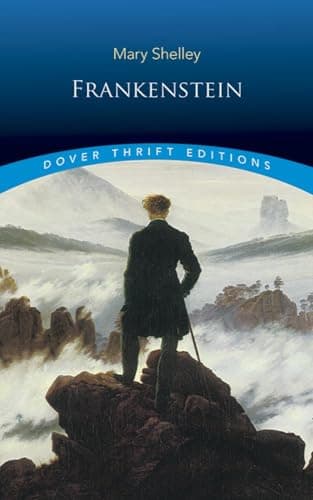
Frankenstein
Science fiction classic
Shelley makes creation only the beginning of the moral disaster. Isolation, rejected responsibility, grief, and competing first-person accounts complicate the desire to name one monster. The darkness grows from preventable abandonment and the way injured people convert suffering into permission to injure others.
Darkness comes from: death, parental abandonment, revenge, isolation, and moral despair. The nested narration is more demanding than the popular image of the creature suggests.
Catalog snapshot
Average darkness profile by overlapping genre
Zero is near the low-darkness end of this particular catalog. The score is descriptive and relative, not a universal rating scale or content-warning substitute.
| Genre | Reviewed books | Average darkness score | Typical source of pressure |
|---|---|---|---|
| Horror | 20 | 3.75 | Dread, bodily threat, unstable perception |
| Thriller | 65 | 1.38 | Danger, secrets, coercion |
| Historical fiction | 32 | 0.98 | War, hierarchy, documented injustice |
| Science fiction | 88 | 0.71 | Systemic threat and survival |
| Classics | 58 | 0.70 | Grief, social cruelty, moral consequence |
| Fantasy | 100 | 0.61 | Violence and oppressive power |
| Nonfiction | 23 | 0.06 | Subject-dependent, usually analytical |
| Romance | 31 | 0.02 | Conflict usually balanced by emotional repair |
A low average can hide an extreme book
Alchemised combines romance signals with imprisonment, war trauma, coercion, and bodily danger. It is much darker than the romance average. The Handmaid's Tale can count within science fiction and classics while carrying specific content far beyond either group's center. A category average should guide a first click, never override the review of the actual title.
Subgenre is often more predictive. Psychological horror, domestic thriller, cozy fantasy, and romantic comedy make narrower promises than horror, thriller, fantasy, and romance. Even then, content notes and editorial description matter because books use similar subjects at very different levels of explicitness.
Choose the kind of darkness you can use
Readers who tolerate monsters but not domestic abuse may prefer creature-led horror to The Shining. Readers comfortable with political oppression but not graphic bodily detail may find The Handmaid's Tale more manageable than Between Two Fires. The point is not to build a ladder of toughness. It is to identify the source of pressure before a purchase.
For darkness with meaningful resistance, choose The Handmaid's Tale or Between Two Fires. For a fast sealed-environment threat, choose Sphere. For literary grief and a narrow human bond, choose The Road. For Gothic distance and collective investigation, choose Dracula.
Quick answers
Questions readers ask before buying
Is horror always darker than thriller?
Not title by title. Horror averages darker in this catalog, but a severe domestic thriller can be harsher than a comic or atmospheric horror novel. Read the individual content notes.
Why are classics relatively dark?
The classic group includes war, Gothic fiction, tragedy, social cruelty, and books selected partly because their difficult moral subjects still matter. It is also a broad, overlapping category rather than a single tone.
Does a high darkness score mean a book is graphic?
No. Darkness can come from grief, oppression, dread, or moral hopelessness without graphic description. The Handmaid's Tale and The Road demonstrate why tone and content need separate explanation.
Sources
Sources for this guide
This snapshot uses reviewed-book tags and editorial darkness signals in Book Review Guide. Scores identify relative tendencies in our catalog only. They do not replace title-level content guidance.
Keep reading