Reading data
Reading profiles by genre in our reviewed catalog
Thrillers tend to move fastest in this catalog, while classics ask for the most patience. Individual books still vary widely within every genre.
The short answer
Genre changes the odds, but it never determines a book's reading profile
Across 300 scored reviews, thrillers have the highest average pace score, psychological horror is darkest, romance-tagged books make romance most central, and classics are most demanding. Those findings describe this overlapping reviewed sample only. They are editorial comparisons, not measured reading speeds, age ratings, or claims about every book in a genre.
The pace, darkness, romance, and difficulty profiles describe how a book feels to read. They draw on the same public tags and editorial judgments shown with each review, and the downloadable CSV includes the figures behind the tables.
Genres overlap. Dune is both science fiction and classic literature, The Shining is horror and psychological horror, and a historical thriller can influence two groups. That reflects how readers browse, but it means the rows are not independent research cohorts. Use the results to compare this catalog, not to declare one genre objectively easier, darker, faster, or more valuable.
Representative reads
What the pace bands feel like on the page
These books show what the pace scores mean in practice. A fast thriller, a conversational romance, and a demanding classic can reach their scores for very different reasons.
Fastest group
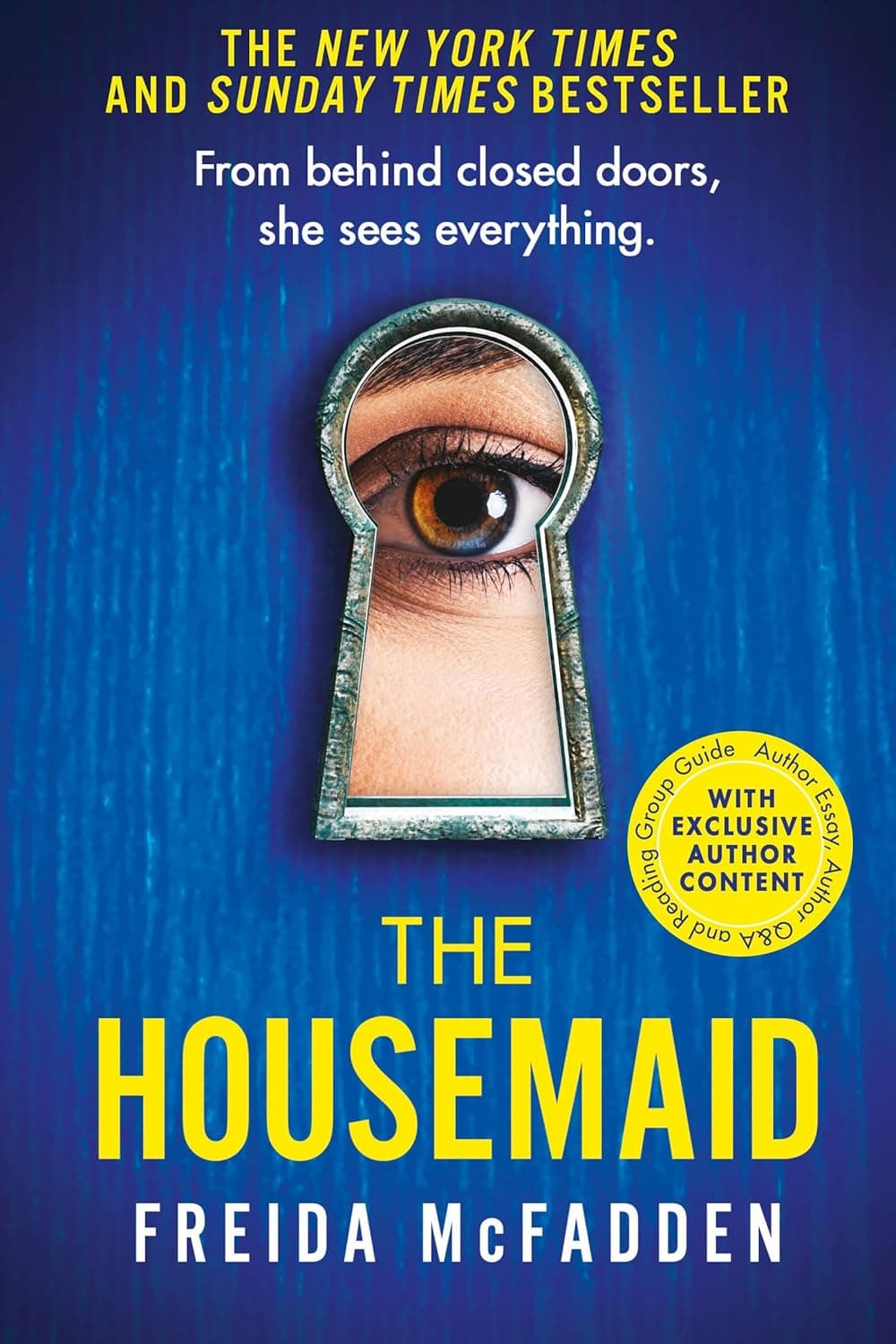
The Housemaid
Thriller representative
Freida McFadden uses short chapters, withheld motives, domestic access, and regular reversals to keep the next piece of information close. The prose is designed to disappear behind the question of what the household is hiding. That structure resembles the strongest pace signals found across the 65 thriller-tagged reviews.
Use it as: a reference point for high momentum and low orientation cost. It does not represent slower crime novels built around procedure or atmosphere.
Fast middle
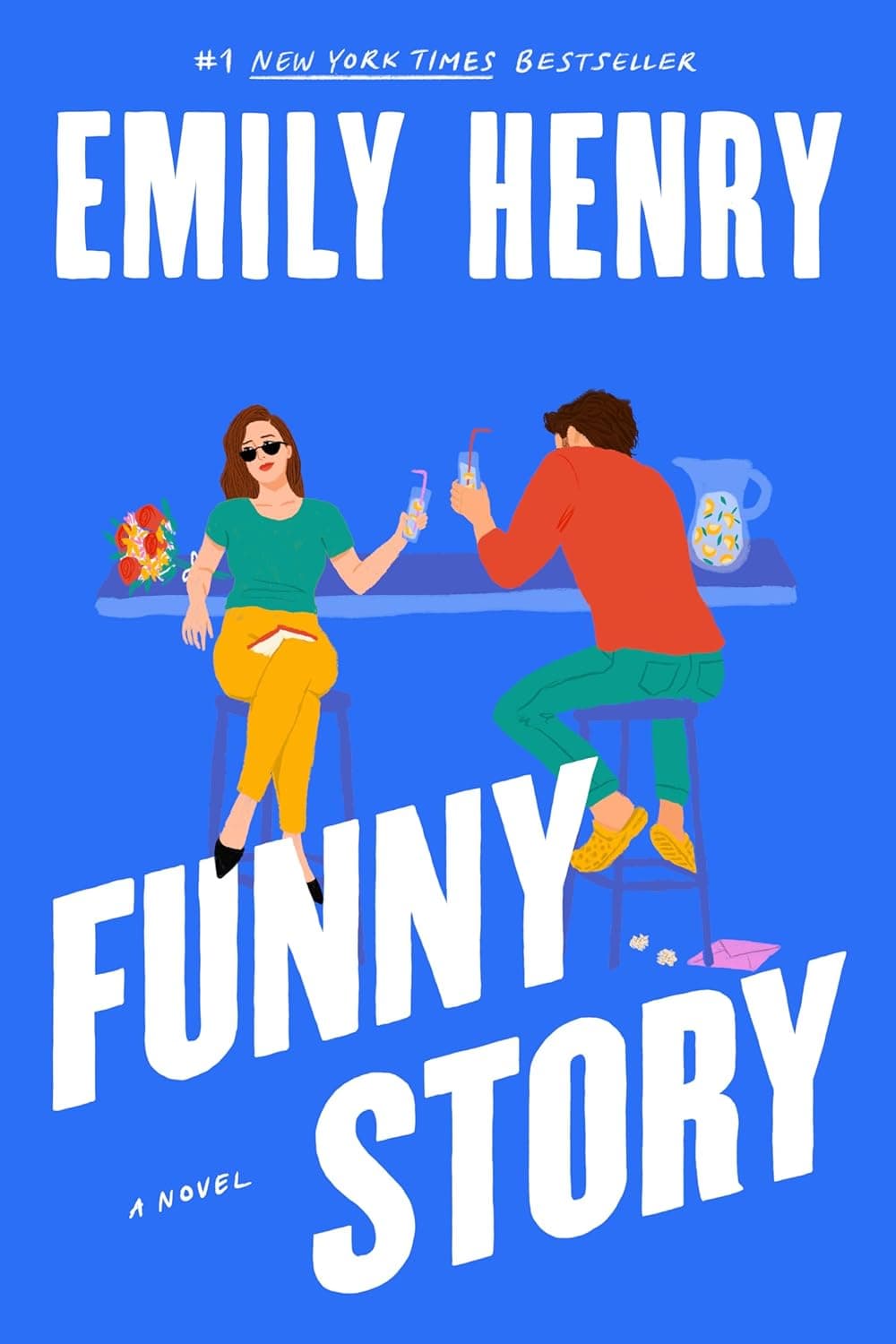
Funny Story
Romance representative
Contemporary dialogue and a clear emotional setup make Funny Story easy to enter, while relationship development requires quieter stretches than a domestic thriller. Romance averages moderately fast in this catalog because conversational prose and familiar social settings reduce explanation even when the plot is not driven by danger.
Use it as: an example of accessibility without thriller urgency. Its speed comes from voice and social tension rather than cliffhangers.
Fast middle
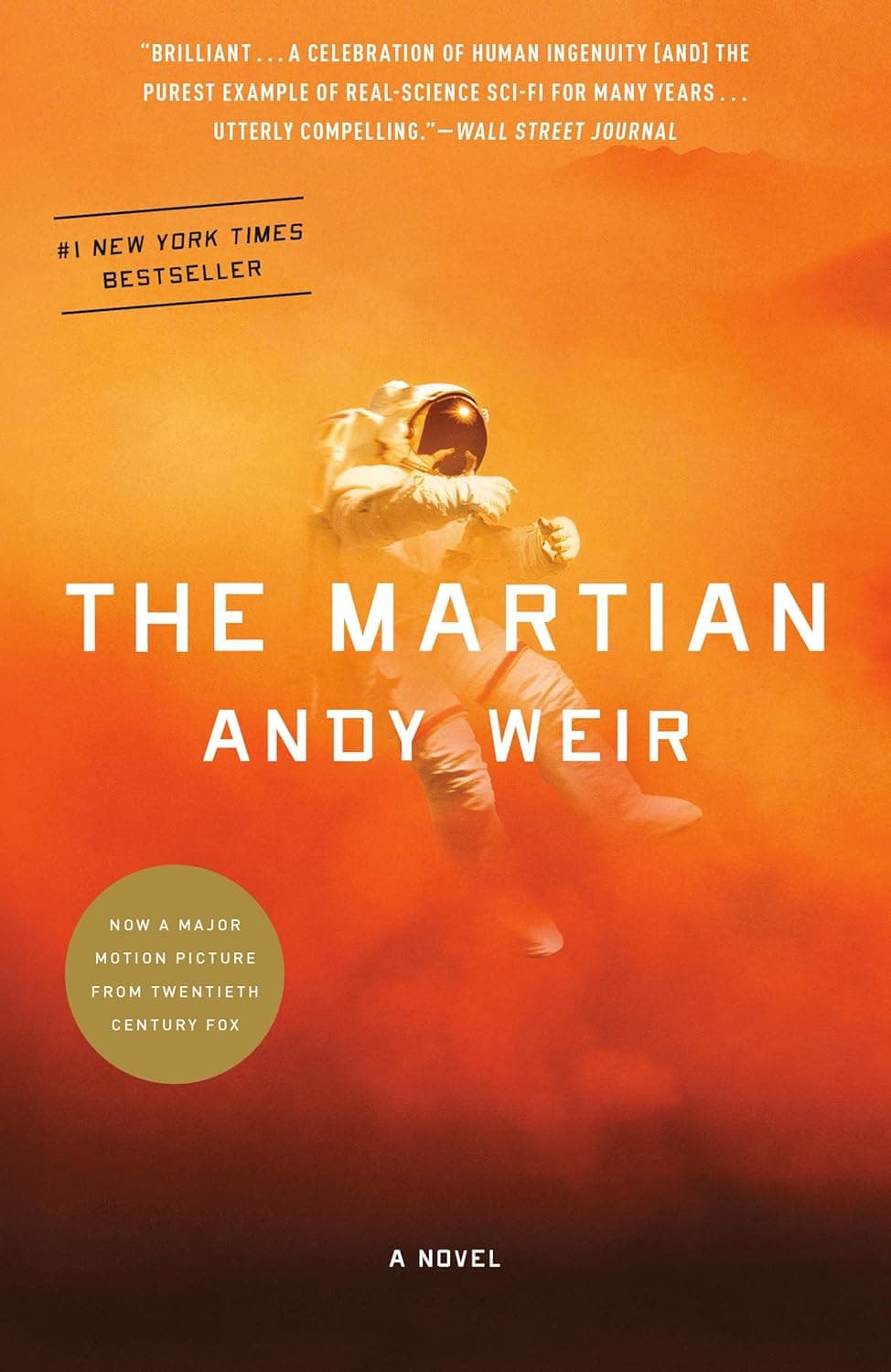
The Martian
Science fiction representative
Technical explanation could slow The Martian, but every calculation answers an immediate survival need. The result is a quick reading experience inside a genre whose average is closer to neutral. Science fiction varies widely because an engineering thriller and a philosophical deep-time novel share the same broad shelf.
Use it as: proof that large amounts of science need not create a slow book when each idea changes the next action.
Middle
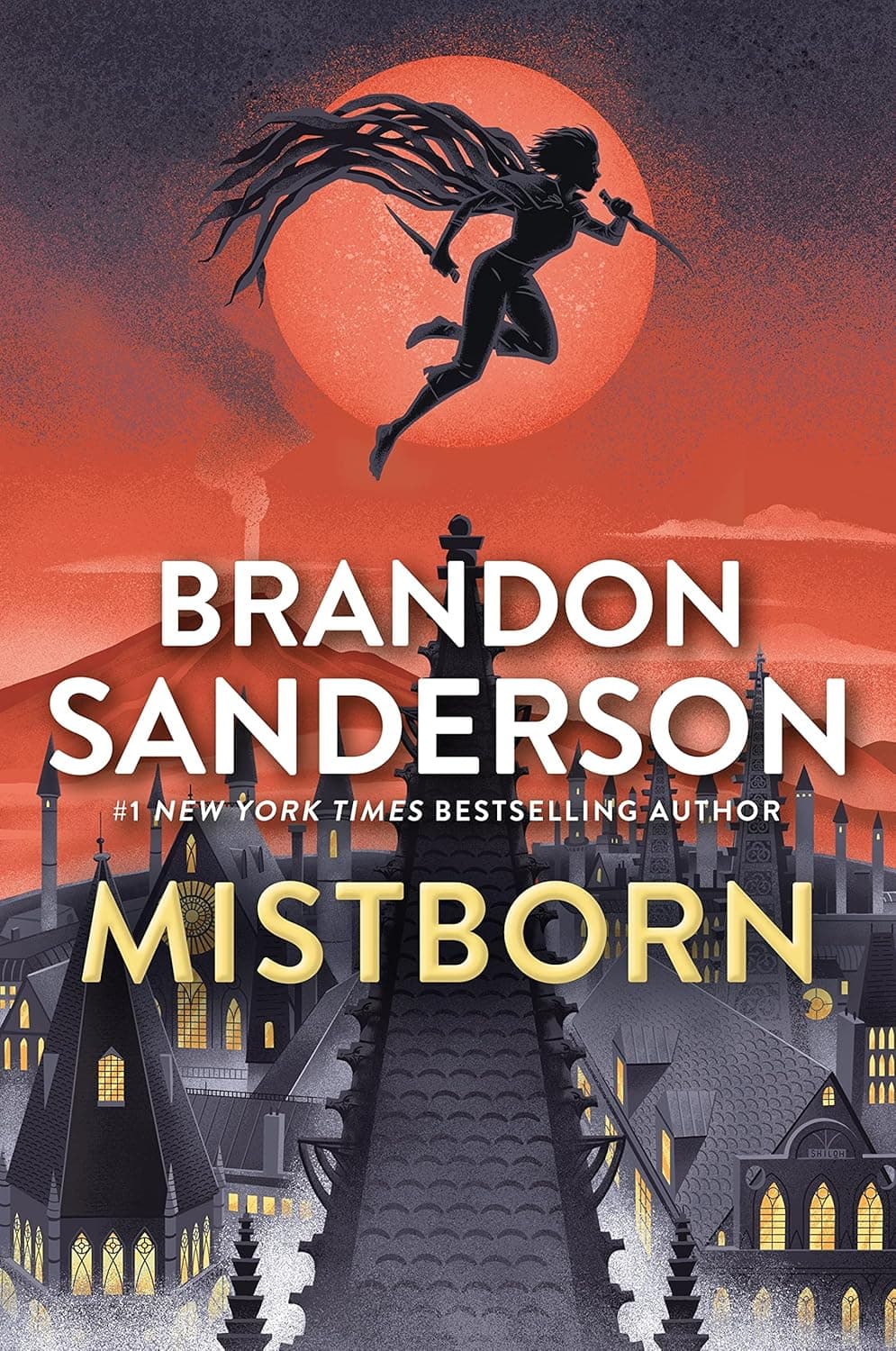
Mistborn: The Final Empire
Fantasy representative
Training, a heist plan, political context, and a rule-based magic system compete for space. Sanderson keeps the goals visible, so the book feels more propulsive than the slightly neutral fantasy average despite its length. Fantasy's broad range includes compact fairy tales, school stories, romance-led adventures, and multi-volume epics.
Use it as: a faster-than-average fantasy entry point for readers who accept explanation when it pays off in action.
Middle
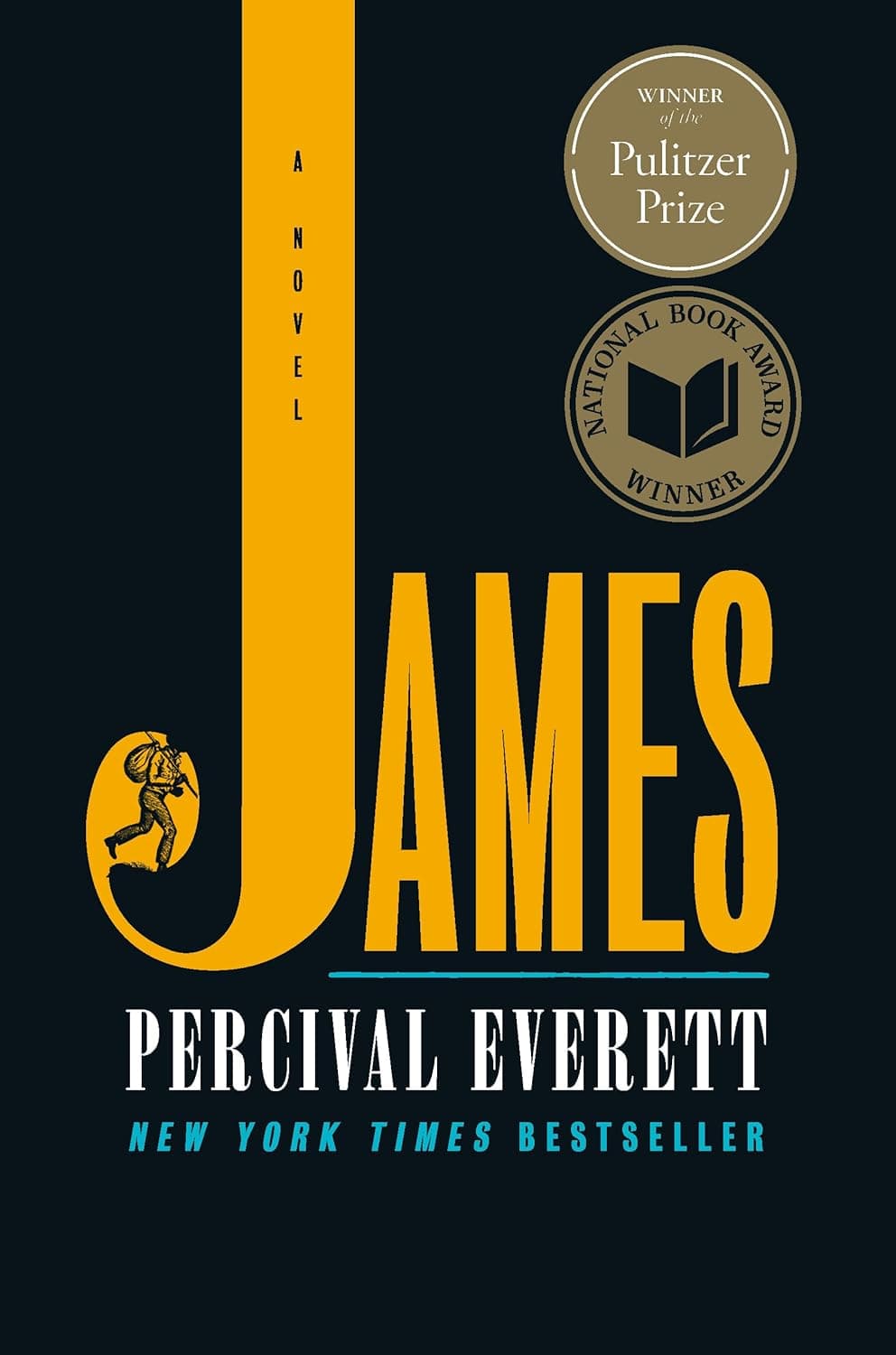
James
Historical fiction representative
Percival Everett combines literary voice, historical violence, and urgent movement. The sentences reward attention, yet the danger and shifting power keep the narrative from settling into a purely reflective mode. Historical fiction averages close to neutral here because action-led reinterpretations sit beside slower panoramic novels.
Use it as: an example of literary concentration and narrative momentum working together rather than canceling each other out.

Middle with spikes
The Shining
Horror representative
King spends considerable time on family history and the hotel's accumulation of pressure before the threat becomes inescapable. Horror averages moderately fast in the catalog, but its pace is rarely constant. Slow dread often makes later movement feel faster than the same sequence would in a thriller.
Use it as: a reminder that delay can produce suspense. Choose a thriller instead if you want nonstop pursuit.
Deliberate
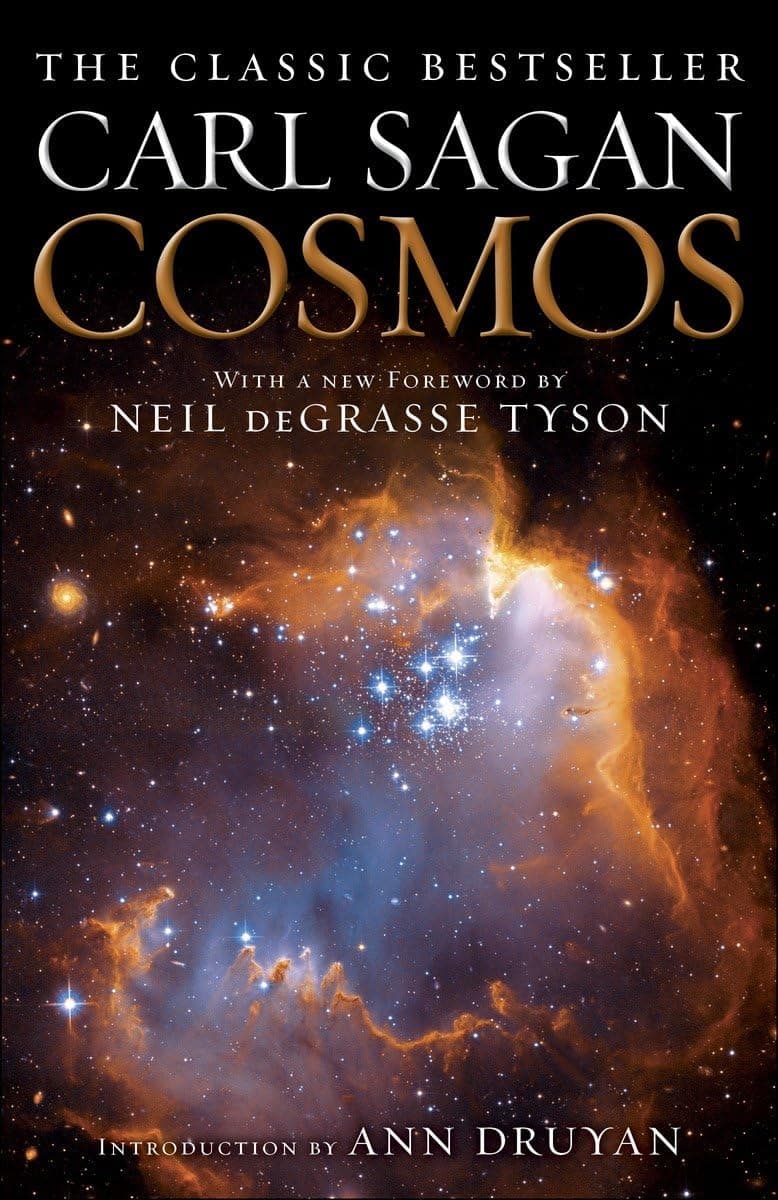
Cosmos
Nonfiction representative
Sagan writes clearly, but a chapter may ask the reader to move across astronomy, history, and philosophy before pausing. Nonfiction averages slightly deliberate because understanding an argument creates a different rhythm from waiting for a plot event. Chapter independence also encourages slower, separated sessions.
Use it as: a book to read with curiosity rather than a finish-line target. Clarity is not identical to speed.
Slowest group
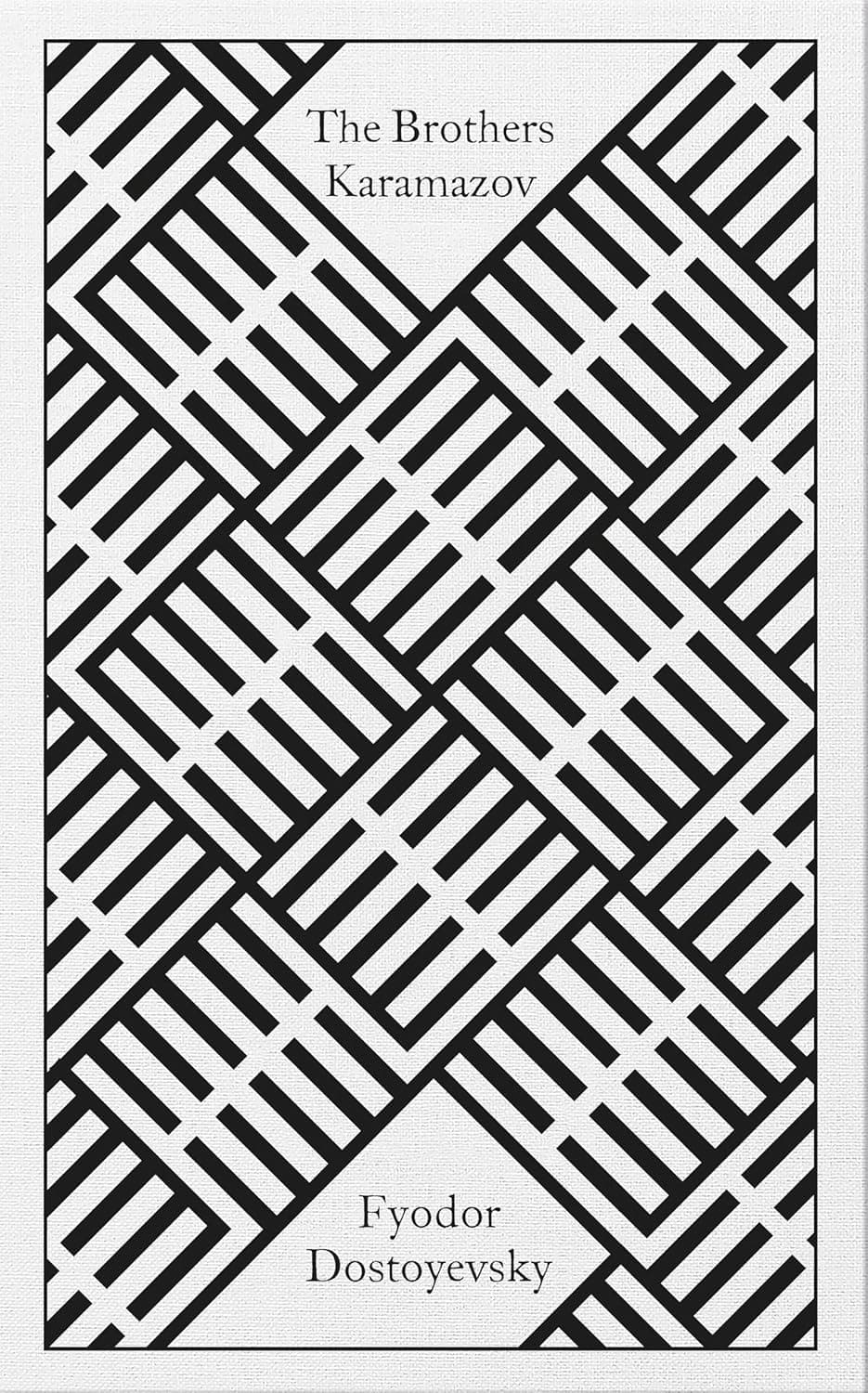
The Brothers Karamazov
Classic representative
Dostoevsky combines family conflict with theological, legal, and philosophical argument. Names, digressions, and long speeches increase the attention cost, even though the underlying murder case creates suspense. Classics average slowest in the catalog, partly because translation, historical context, and older narrative conventions ask readers to recalibrate.
Use it as: an intentional long read. A slower profile signals the kind of attention it rewards, not a defect or warning to avoid it.
Reproducible catalog data
Pace, darkness, romance, and difficulty across our reviewed sample
This snapshot contains 301 scored editorial reviews. Its latest recorded review revision is August 27, 2026. The generator uses only public book tags and visible editorial fields; it includes no visitor behavior, sales, or private notes.
For the physical size of these reading commitments, compare our average book length by genre, with page-count medians and a downloadable dataset.
Method and limitations
Directional scores are generated from public tags and the visible editorial review fields used by the site reading-profile system.
- Groups overlap because one reviewed book may carry more than one genre tag.
- Scores are editorial comparison labels, not measured reading speed, age ratings, or scientific observations.
- The sample describes books reviewed by Book Review Guide and is not representative of all published books.
- Pace
- Narrative momentum, delay, density, and structural propulsion.
- Darkness
- The degree of threat, dread, violence, grief, or bleakness in the editorial profile.
- Romance
- How central romantic attraction or courtship is to the reviewed reading experience.
- Difficulty
- The orientation, conceptual, structural, or prose demands described by the review.
Pace by overlapping genre
Within this reviewed sample, thriller has the highest average pace score (1.85, n=65), while classics has the lowest (-0.94, n=58).
| Genre | Sample | Average | Median | Label distribution |
|---|---|---|---|---|
| Thriller | 65 | 1.85 | 1.5 | Brisk: 40; Balanced: 15; Fast: 10 |
| Romance | 31 | 0.39 | 0.1 | Balanced: 23; Brisk: 6; Measured: 2 |
| Horror | 20 | 0.31 | 0 | Balanced: 15; Brisk: 3; Fast: 1; Slow burn: 1 |
| Science fiction | 90 | 0.27 | 0 | Balanced: 57; Brisk: 17; Measured: 15; Fast: 1 |
| Historical fiction | 32 | 0.11 | 0 | Balanced: 21; Brisk: 5; Measured: 5; Fast: 1 |
| Fantasy | 100 | 0 | 0 | Balanced: 84; Measured: 8; Brisk: 7; Slow burn: 1 |
| Nonfiction | 26 | -0.3 | 0 | Balanced: 21; Measured: 5 |
| Classics | 58 | -0.94 | -0.75 | Balanced: 35; Measured: 21; Slow burn: 2 |
Darkness by overlapping genre
Within this reviewed sample, horror has the highest average darkness score (4.03, n=20), while nonfiction has the lowest (0.09, n=26).
| Genre | Sample | Average | Median | Label distribution |
|---|---|---|---|---|
| Thriller | 65 | 1.39 | 1 | Moderate: 59; Dark: 4; Gentle: 1; Very dark: 1 |
| Romance | 31 | 0.14 | 0.25 | Gentle: 23; Moderate: 5; Dark: 3 |
| Horror | 20 | 4.03 | 3.9 | Dark: 17; Very dark: 3 |
| Science fiction | 90 | 0.78 | 0.55 | Moderate: 50; Gentle: 36; Dark: 4 |
| Historical fiction | 32 | 1.1 | 0.8 | Moderate: 16; Gentle: 13; Very dark: 2; Dark: 1 |
| Fantasy | 100 | 0.67 | 0.25 | Gentle: 69; Moderate: 22; Dark: 8; Very dark: 1 |
| Nonfiction | 26 | 0.09 | 0 | Gentle: 23; Moderate: 3 |
| Classics | 58 | 0.73 | 0.25 | Gentle: 39; Moderate: 12; Dark: 7 |
Romance by overlapping genre
Within this reviewed sample, romance has the highest average romance score (6.38, n=31), while nonfiction has the lowest (0.02, n=26).
| Genre | Sample | Average | Median | Label distribution |
|---|---|---|---|---|
| Thriller | 65 | 0.22 | 0 | Minimal: 63; Central: 2 |
| Romance | 31 | 6.38 | 5.9 | Central: 27; Significant: 4 |
| Horror | 20 | 0.81 | 0 | Minimal: 17; Central: 2; Significant: 1 |
| Science fiction | 90 | 0.12 | 0 | Minimal: 88; Central: 1; Light subplot: 1 |
| Historical fiction | 32 | 0.5 | 0 | Minimal: 28; Central: 2; Light subplot: 2 |
| Fantasy | 100 | 1.12 | 0 | Minimal: 83; Central: 12; Significant: 4; Light subplot: 1 |
| Nonfiction | 26 | 0.02 | 0 | Minimal: 26 |
| Classics | 58 | 0.22 | 0 | Minimal: 56; Central: 2 |
Difficulty by overlapping genre
Within this reviewed sample, classics has the highest average difficulty score (1.35, n=58), while romance has the lowest (-0.18, n=31).
| Genre | Sample | Average | Median | Label distribution |
|---|---|---|---|---|
| Thriller | 65 | 0.08 | 0 | Accessible: 56; Moderate: 7; Demanding: 2 |
| Romance | 31 | -0.18 | 0 | Accessible: 25; Moderate: 6 |
| Horror | 20 | 0.25 | 0 | Accessible: 13; Moderate: 7 |
| Science fiction | 90 | 0.78 | 0.65 | Accessible: 44; Moderate: 33; Demanding: 13 |
| Historical fiction | 32 | 0.31 | 0 | Accessible: 21; Moderate: 11 |
| Fantasy | 100 | 0.05 | 0 | Accessible: 66; Moderate: 34 |
| Nonfiction | 26 | 0.92 | 0.5 | Moderate: 14; Accessible: 7; Demanding: 5 |
| Classics | 58 | 1.35 | 1 | Moderate: 49; Demanding: 9 |
Why a genre average can mislead
Science fiction contains The Martian and House of Suns. Both are idea-rich space stories, but one turns every technical detail into an immediate survival problem while the other moves across deep time, clones, memory, and galactic history. Their shared shelf says very little about the number of concepts introduced per chapter.
The same problem appears inside romance. A sharp contemporary comedy can move quickly because the social world is familiar. A romantic fantasy may need to explain dynasties, magic, and war before the relationship can advance. Use the group average to begin browsing, then read the individual review's patience and writing notes.
How to use the data without flattening taste
If you are in a reading slump, begin one band faster than your usual comfort zone rather than treating thrillers as the only answer. A fantasy reader could choose Mistborn; a science fiction reader could choose The Martian; a classics reader could choose A Christmas Carol. Familiarity with the genre often reduces difficulty more effectively than chasing a numerical score.
If you want a slower book, look for deliberate structure with a clear reward. The Brothers Karamazov asks for patience because argument and moral uncertainty are the work. Cosmos pauses because its scale needs reflection. Slow is informative when the review explains what occupies the time.
Quick answers
Questions readers ask before buying
Is this based on how fast users actually read?
No. We do not track reading sessions or pages per hour. The profile is calculated from reviewed-book tags and editorial descriptions of momentum, density, delay, and structure.
Why can the same book count in more than one genre?
Genre tags overlap in ordinary reading life. A science fiction classic belongs in both groups. The table therefore describes browsing categories, not mutually exclusive research cohorts.
Will these averages change?
Yes. The snapshot should be recalculated as the catalog grows or profile rules change. The date and sample sizes are included so the values are not mistaken for permanent genre facts.
Sources
Sources for this guide
The generated analysis uses Book Review Guide's 300 scored reviews and the public editorial fields behind its reading profiles. It does not use visitor behavior, completion times, demographics, purchases, private notes, or external sales data. Publisher pages were checked only for representative-book context.
Keep reading