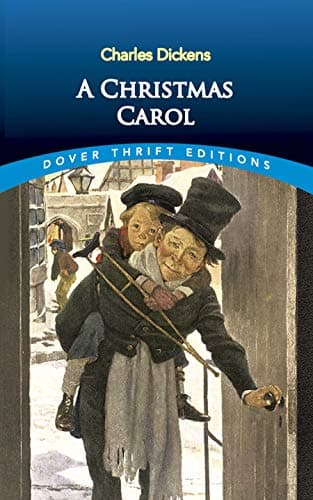
Should you read A Christmas Carol?
What works
The book turns an argument about generosity into a physical experience. Cold offices, bright food, crowded rooms, music, and silence make isolation and fellowship tangible before Scrooge is ready to name either one.
What may not work for you
Dickens sometimes presses the moral emotion too firmly, and Tiny Tim is idealized more as an appeal to the reader's conscience than developed as a full child character.
What may test your patience
The Spirit of Christmas Present's tour pauses for several descriptive celebrations. The abundance is purposeful, but the accumulating lists can feel repetitive if you already know the main story from an adaptation.
Does the ending reward the effort?
Yes. The closing pages move quickly because the real work has been done during the visits. Scrooge proves the change through specific actions, allowing the warmth to feel earned rather than merely announced.
Reading A Christmas Carol closely
A Christmas Carol introduces Ebenezer Scrooge as a man who has reduced nearly every human relationship to a calculation of cost. On Christmas Eve, a warning from his dead partner and visits from three spirits force him to see how memory, present suffering, and future consequence connect his private choices to other lives.
The supernatural structure is simple enough to feel timeless, but Dickens fills it with sensory energy: cold offices, warm rooms, food, music, crowded streets, and sudden silence. Those contrasts make generosity physical rather than abstract, while the ghost-story atmosphere prevents the moral lesson from becoming a gentle seasonal lecture.
Scrooge's transformation is familiar even to readers who know only adaptations, yet the original novella remains sharper about poverty and social responsibility. It argues for personal change while also attacking the language used to treat hunger, illness, and premature death as acceptable outcomes for people with little economic power.
A redemption story built on attention
The spirits do more than frighten Scrooge; they make him look closely at experiences he has dismissed or refused to imagine. His change becomes credible because it reconnects emotion, memory, and consequence rather than simply replacing sadness with holiday cheer.
Christmas warmth with a social edge
Family meals and celebrations represent forms of abundance that do not depend on wealth. Against them, Dickens places cold economic arguments and the vulnerability of the Cratchit family, insisting that goodwill matters most when it changes material behavior.
Three useful comparisons
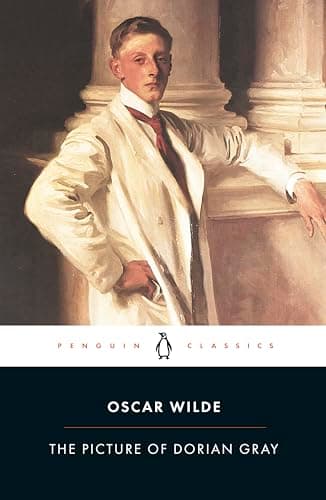
The Picture of Dorian Gray
The Picture of Dorian Gray also uses the supernatural to expose a damaged moral life, but offers wit without the same faith in reform. Choose it for decadence, concealment, and a much darker view of consequence.
Best for: Readers who enjoy Gothic corruption, social wit, queer subtext, and novels suspicious of their own beautiful surfaces.
As an Amazon Associate, I earn from qualifying purchases.
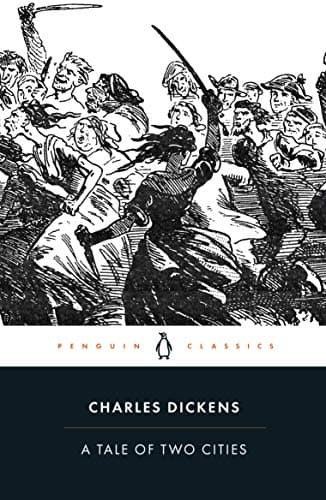
A Tale of Two Cities
A Tale of Two Cities expands Dickens's interest in sacrifice and renewal across revolution, family history, and a much larger cast. Choose it when you want the moral force of A Christmas Carol at the scale of a historical novel.
Best for: Choose it for revolution, sacrifice, courtroom suspense, family devotion, and a shorter but denser Dickens novel.
As an Amazon Associate, I earn from qualifying purchases.
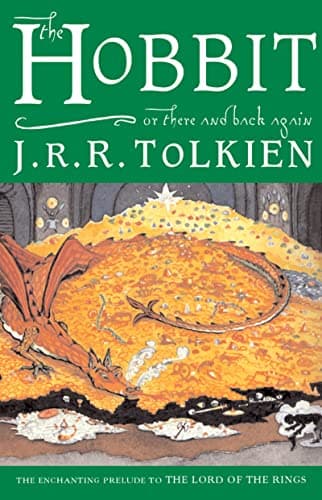
The Hobbit
The Hobbit is another approachable classic with warmth, danger, and a changed protagonist, but its growth comes through sustained adventure rather than supernatural moral intervention. Choose it for a longer family read with more outward action.
Best for: Families, younger readers, and adults wanting an accessible classic adventure with humor, danger, and moral weight.
As an Amazon Associate, I earn from qualifying purchases.
Make the next decision