Author profile
Charles Dickens: books, reviews, and where to start
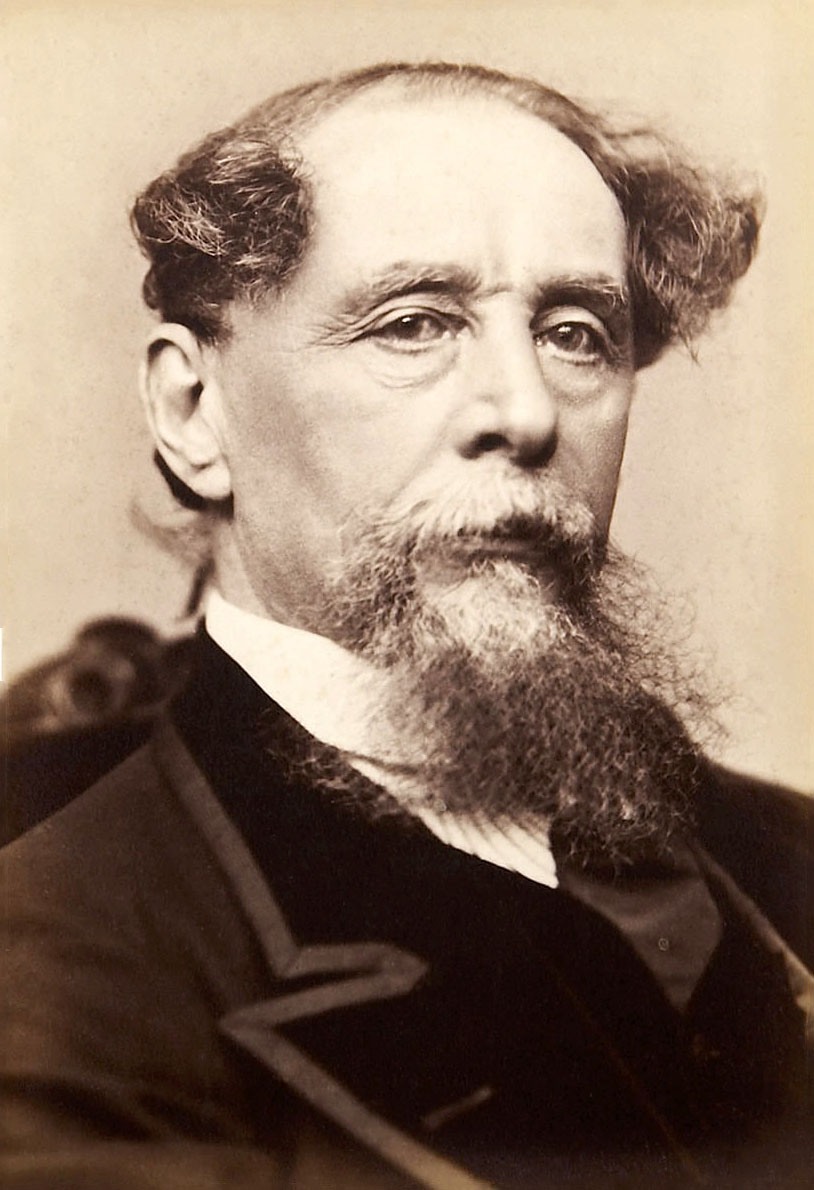
Charles Dickens transformed childhood hardship, journalistic observation, theatrical energy, and serial publication into novels that made Victorian institutions visible through unforgettable individual lives.
Biography and criticism
The public performer who made systems feel personal
Dickens could be sentimental, grotesque, comic, furious, and architecturally ambitious within the same novel. His contradictions are inseparable from his reach.
The wound he kept rewriting
Charles Dickens was born in Portsmouth in 1812 and grew up amid financial instability. When his father was imprisoned for debt, twelve-year-old Charles was sent to work at Warren's blacking warehouse, pasting labels onto pots. The humiliation and abandonment marked him deeply. He concealed the episode from much of his public world, but versions of the injured, observant child recur throughout his fiction. David Copperfield approaches autobiography most openly, while Little Dorrit, Oliver Twist, and Great Expectations transform debt, labor, shame, and social dependence into different narrative forms.
Dickens later worked as a solicitor's clerk, shorthand reporter, and parliamentary journalist. Reporting trained his eye for speech, crowds, procedure, and the gap between an institution's declared purpose and its actual behavior. Sketches by Boz and The Pickwick Papers turned that observation into literary celebrity. He became famous young, and serial publication made the relationship with readers unusually immediate. Installments had to satisfy while creating appetite for continuation, a pressure that shaped both his great momentum and some of his excess.
Institutions become weather
Dickens's social criticism is most powerful when an institution alters the atmosphere of every life around it. In Bleak House, legal delay becomes fog, dust, disease, ruined inheritance, and suspended adulthood. In Oliver Twist, the workhouse turns poverty into evidence of moral failure. Hard Times shows education reduced to extractable fact. Little Dorrit makes debt a physical prison and a social habit that follows characters after release.
He rarely builds these arguments through neutral case studies. He personifies, caricatures, repeats names, and pushes physical traits toward the grotesque. The method can flatten minor figures and substitute moral recognition for structural remedy. Yet it also makes bureaucratic violence memorable. A reader may forget a policy explanation while retaining the image of a child asking for more or a court case consuming generations.
Voice, performance, and the crowded page
Dickens loved theatre and performed his own work in public readings that became physically exhausting tours. His prose carries that performer's ear. Names have rhythm, entrances are staged, comic verbal habits return like refrains, and narration can lean toward an audience as if sharing confidential amusement. Dialogue distinguishes class and aspiration, though dialect sometimes becomes cruel or reductive. Sentiment and satire are not separate settings. A scene may court tears and then puncture respectability within a few lines.
The large casts let Dickens build social networks rather than isolated protagonists. Coincidence, often criticized as implausible, expresses his conviction that wealth and suffering are connected even when society arranges them to appear unrelated. This can make later revelations mechanical, but in the strongest novels the discovered connection is less important than the blindness that kept characters from seeing one another earlier.
The private costs of a public conscience
Dickens edited periodicals, campaigned on social issues, supported charitable projects, and cultivated the role of national moral voice. His private conduct complicates that image. His separation from Catherine Hogarth after a long marriage was managed publicly in ways that protected his reputation and exposed her to blame. His relationship with the younger actor Ellen Ternan was concealed. A responsible biography does not use the novels to acquit the man or the man to dismiss the novels. It notices how readily a writer sensitive to institutional cruelty could control the story of his own household.
A Christmas Carol offers the most compact entrance: comic, supernatural, angry, and structurally exact. Great Expectations is the best shorter route into shame and self-knowledge. Bleak House shows the full social architecture, while David Copperfield reveals the autobiographical pressure behind it. Dickens died in 1870 while working on The Mystery of Edwin Drood. His novels remain alive because they do not merely tell readers that society is connected. They make connection noisy, inconvenient, funny, and morally unavoidable.
Where to begin
A good place to start with Charles Dickens
Bleak House
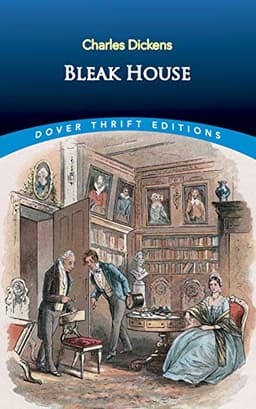
4.8 / 5Bleak House is Dickens's richest systems novel, turning legal delay into fog that spreads through families, streets, disease, money, and memory.
A Christmas Carol
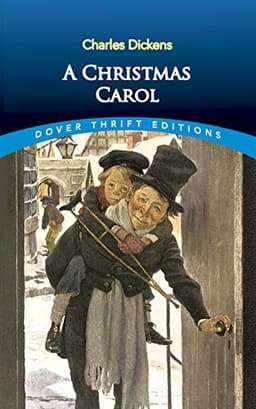
4.7 / 5A Christmas Carol is compact, funny, and angry enough to survive its own familiarity. Dickens makes Scrooge's change feel like a recovery of attention.
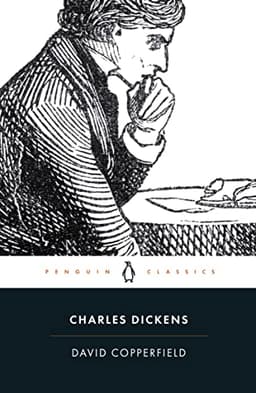
David Copperfield
4.6 / 5David Copperfield is sprawling, generous, and uneven, with a narrator whose growth depends on recognizing the people his romantic self-image failed to see clearly.
Reading order and buying help
Reading guides featuring Charles Dickens
Bibliography
Books by Charles Dickens
Reviewed titles open directly on Book Review Guide. Other editions and works remain marked until a full review is published.

Reviewed
A tale of two cities

Reviewed
Bleak house
Reviewed
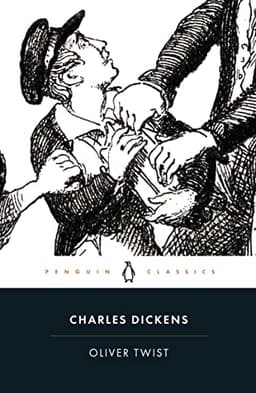
Oliver Twist

Reviewed
A Christmas carol

Reviewed
David Copperfield
Reviewed
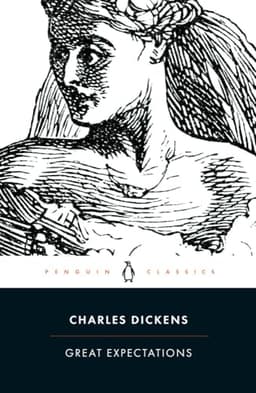
Great Expectations
Not reviewed yet
The posthumous papers of the Pickwick club
Not reviewed yet
Dickens' Christmas story
Not reviewed yet
Barnaby Rudge
Not reviewed yet
Die Pickwickier ...
Not reviewed yet
American notes for general circulation
Not reviewed yet
The mystery of Edwin Drood and other pieces
Not reviewed yet
Tale of Two Cities with Dragons - Traveling Book
Not reviewed yet
Tale of Two Cities with Dragons
Not reviewed yet
The old curiosity shop--and Reprinted pieces
Not reviewed yet
The uncommercial traveller, and Additional Christmas stories
Not reviewed yet
Prentice Hall Literature--The British Edition--Volume II

Not reviewed yet
The History of England
Not reviewed yet
The mystery of Edwin Drood, and other stories
Not reviewed yet
Dombey and son; or, Good Mrs. Brown, the child stealer
Not reviewed yet
Pickwick papers
Not reviewed yet
Dombey and son

Not reviewed yet
Los mejores cuentos de crímenes imperfectos
Not reviewed yet
The works of Charles Dickens
Not reviewed yet
Barnaby Rudge, or The murder at the warren
Not reviewed yet
Tom Tiddler's ground
Not reviewed yet
Our mutual friend
Not reviewed yet
Oliver Twist, or, The parish boy's progress
Not reviewed yet
The uncommercial traveller ; The haunted house
Not reviewed yet
The Veneerings
Not reviewed yet
Dickens' new stories

Not reviewed yet
Dracula's guest, and other weird stories
Not reviewed yet
The Dracula Book of Great Vampire Stories
Not reviewed yet
Christmas books
Not reviewed yet
The cricket on the hearth
Not reviewed yet
Charles Dickens on slavery in America
Not reviewed yet
The Pickwick papers
Not reviewed yet
The doom of English wills
Not reviewed yet
Letters, 1842
Not reviewed yet
The life and adventures of Martin Chuzzlewit
Not reviewed yet
The old curiosity shop

Not reviewed yet
The adventures of Oliver Twist
Not reviewed yet
Supplement to vacation rambles
Not reviewed yet
Famous Stories Every Child Should Know
Not reviewed yet
Weihnachtserzählungen
Not reviewed yet
Guía literaria de Londres
Not reviewed yet
The letters of Charles Dickens
Not reviewed yet
Holly tree inn
Bibliographic records: Open Library.
Reviewed bibliography
Charles Dickens books reviewed here
Every title below has a complete, spoiler-free review. Scores are our editorial ratings, not visitor averages.

19914.7 / 5
A Christmas Carol
A Ghost Story of Christmas
A Christmas Carol is compact, funny, and angry enough to survive its own familiarity. Dickens makes Scrooge's change feel like a recovery of attention.
As an Amazon Associate, I earn from qualifying purchases.

20034.6 / 5
A Tale of Two Cities
A Novel
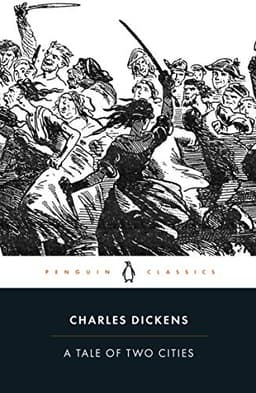
A Tale of Two Cities is melodramatic by design, but its doubled characters, political violence, and final sacrifice gather into extraordinary narrative force.
As an Amazon Associate, I earn from qualifying purchases.

20174.8 / 5
Bleak House
A Novel
Bleak House is Dickens's richest systems novel, turning legal delay into fog that spreads through families, streets, disease, money, and memory.
As an Amazon Associate, I earn from qualifying purchases.

20044.6 / 5
David Copperfield
A Novel
David Copperfield is sprawling, generous, and uneven, with a narrator whose growth depends on recognizing the people his romantic self-image failed to see clearly.
As an Amazon Associate, I earn from qualifying purchases.

19934.7 / 5
Great Expectations
A Novel
Great Expectations is a funny, painful first-person education in shame, showing how aspiration can make Pip misread kindness as embarrassment.
As an Amazon Associate, I earn from qualifying purchases.

20034.2 / 5
Oliver Twist
A Novel
Oliver Twist combines fierce institutional satire with unforgettable criminal atmosphere, though Oliver himself is less complex than the world exploiting him.
As an Amazon Associate, I earn from qualifying purchases.
Keep exploring