Weekend reading
The best books to read in a weekend
A short book is not automatically a quick read. These eight earn their place through momentum, clarity, and the satisfying sense that a Sunday-night finish is genuinely possible.

Start here
All Systems Red is the easiest weekend recommendation
Martha Wells fits a complete rescue plot, a memorable point of view, and a sharp argument about personhood into a novella that rarely feels hurried. Start there for fast science fiction with a real ending. Choose Permafrost for a colder technical puzzle, or A Christmas Carol for a comic ghost story with moral force.
A satisfying weekend book needs more than a low page count. Editions vary, and a dense 180-page novel can demand more time than a clear 320-page thriller. These choices have manageable casts, clean narrative goals, and chapters that pull you forward. Most can fit between Friday evening and Sunday night for a regular adult reader, although nobody should turn leisure into a stopwatch competition.
The list also avoids treating short fiction as minor fiction. The Metamorphosis and Animal Farm leave more interpretive work behind than many novels three times their size. What Moves the Dead creates a complete Gothic atmosphere without padding. The Narrow Road Between Desires feels like a return visit rather than a compressed epic. Pick according to the mood you want to carry through the weekend, not merely the smallest number on a product page.
To put a weekend reading commitment in perspective, compare typical book lengths and page-count ranges by genre.
Eight complete experiences
Weekend reads matched to your mood
Every book below has a clear reason to keep turning pages and a stopping point that feels earned. The order favors broad accessibility, then moves toward stranger or more stylistically demanding choices.
1
All Systems Red
Best overall
A security android would rather watch entertainment than discuss its feelings, but a dangerous expedition forces it to protect the humans it has been assigned to monitor. Wells makes the action legible and the private voice immediately distinctive. The corporate setting arrives through pressure and behavior instead of a heavy briefing.
The novella closes its immediate rescue plot while introducing a longer Murderbot sequence. The brisk action and private humor keep the argument about autonomy close to what the security unit does under pressure.
2
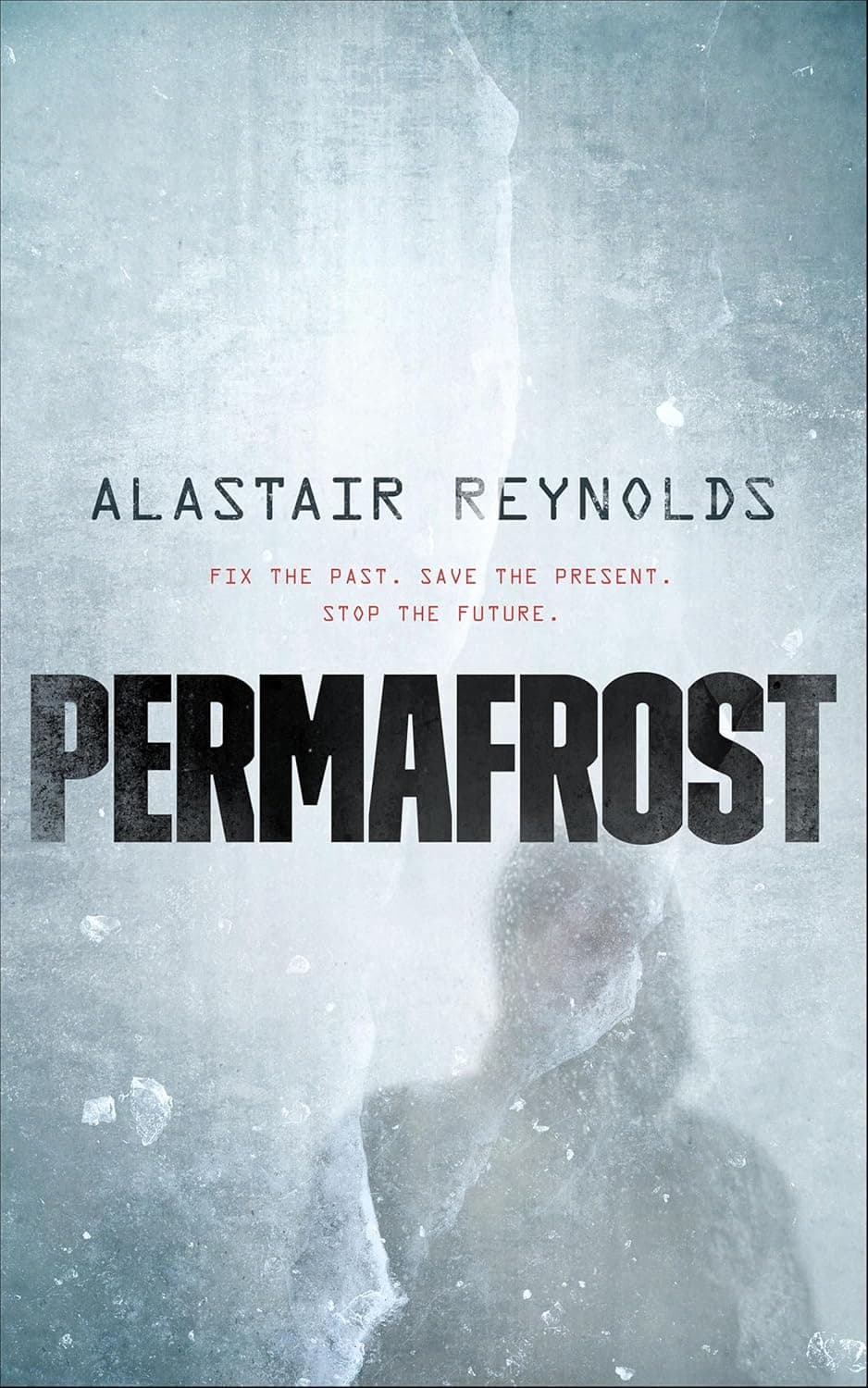
Permafrost
Best cerebral thriller
Alastair Reynolds sends a small team into the past through a constrained form of time travel, then turns the mission into an argument about memory, sacrifice, and unintended damage. The rules need attention, but the human objective remains simple enough to pull the reader through the technical turns.
Its compact time-travel problem needs close attention to the explanations. The central objective stays clear, but the rules reward a quieter stretch of reading rather than frequent interruptions.
3
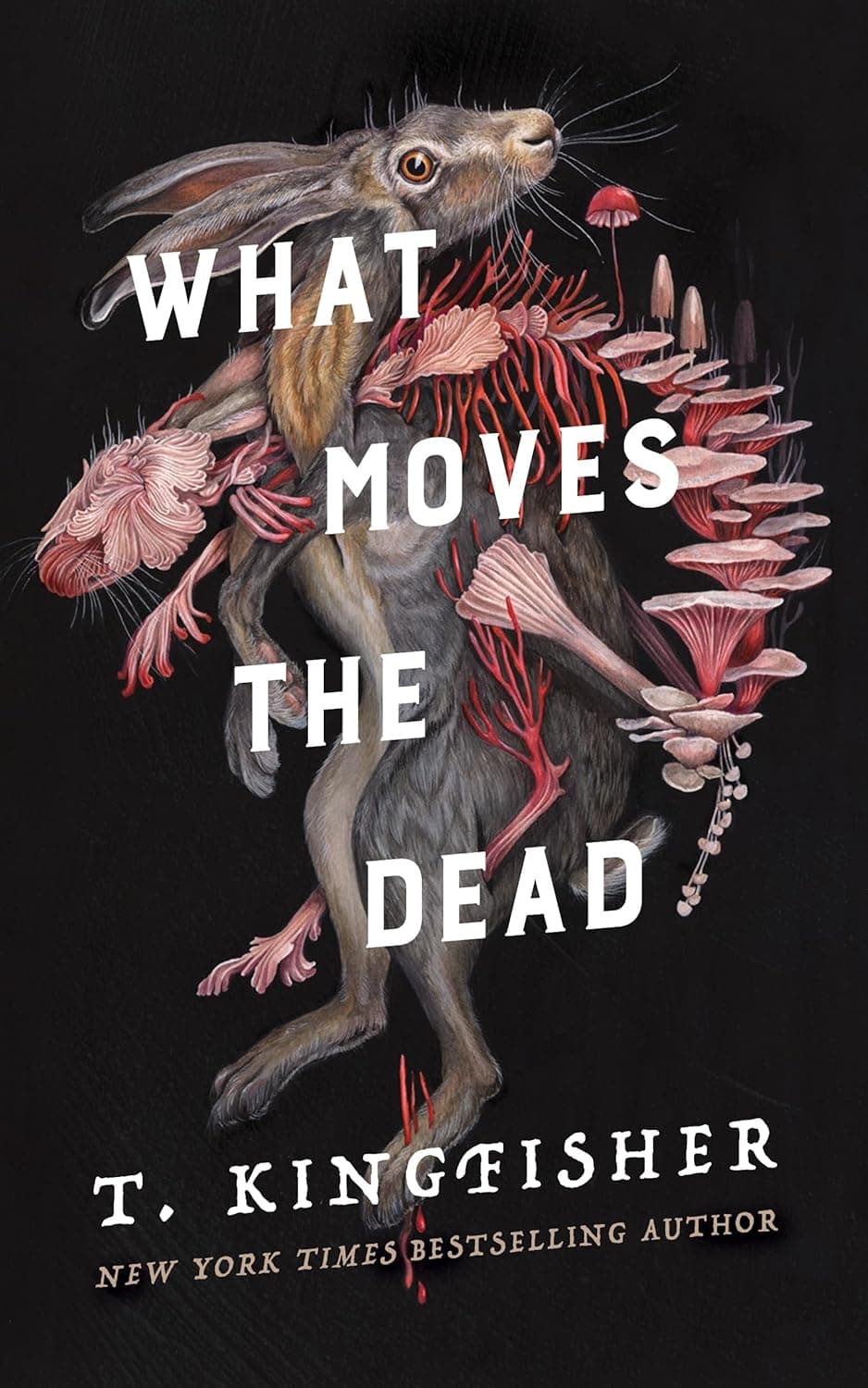
What Moves the Dead
Best Gothic choice
T. Kingfisher reworks The Fall of the House of Usher through fungal horror, practical observation, and a narrator whose concern for an old friend keeps the grotesque imagery emotionally grounded. The estate, hares, lake, and decaying household create atmosphere quickly without delaying the investigation.
The Usher connection adds another layer without requiring Poe in advance. Observation and investigation keep the grotesque material moving; the fungal and animal imagery still give the short story a strong bodily unease.
4
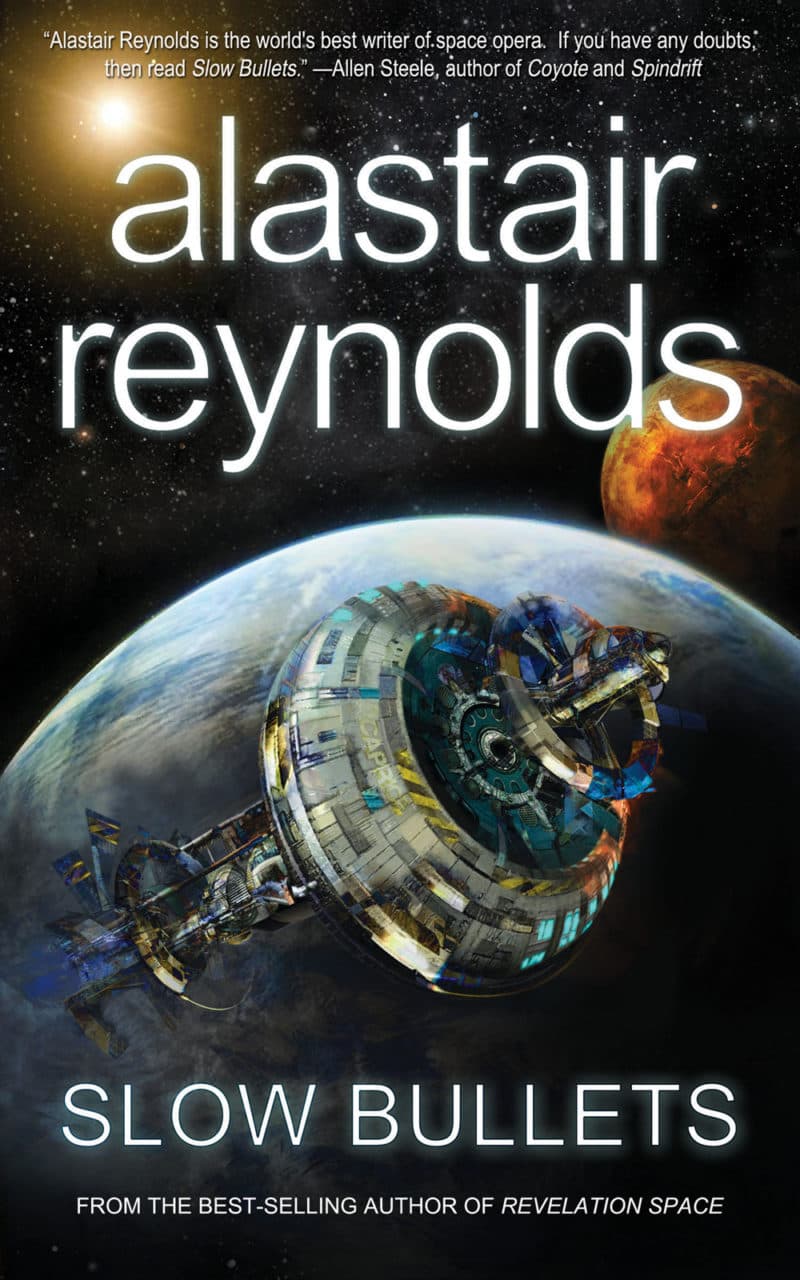
Slow Bullets
Best space mystery
Soldiers and civilians wake aboard a damaged transport with incomplete memories and no reliable account of how long they have been asleep. Reynolds uses the ship as a social pressure chamber. The larger cosmic situation matters, yet the most interesting question is what kind of community frightened survivors can build from partial records.
The survivors' initial confusion is deliberate. The story takes time to establish what can be known before turning the transport into a problem of records, trust and community, giving the hard-SF premise a humane center.
5
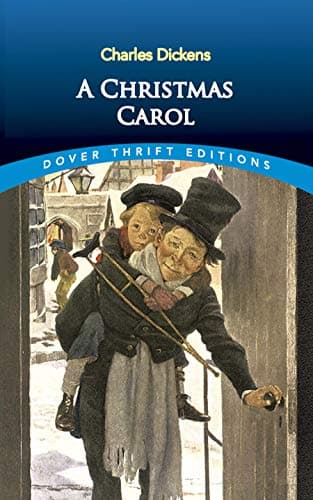
A Christmas Carol
Best classic
Dickens moves from social comedy to ghost story to moral reckoning with exceptional economy. Scrooge is broader than a modern realist protagonist, but the sensory detail and mounting emotional pressure keep the familiar conversion alive. Its seasonal setting helps, though the book is more about attention and responsibility than Christmas decoration.
The short structure leaves space to hear Dickens's comic timing. Its familiar moral reckoning gains texture from social observation and sensory detail rather than from surprise about where the story is going.
6
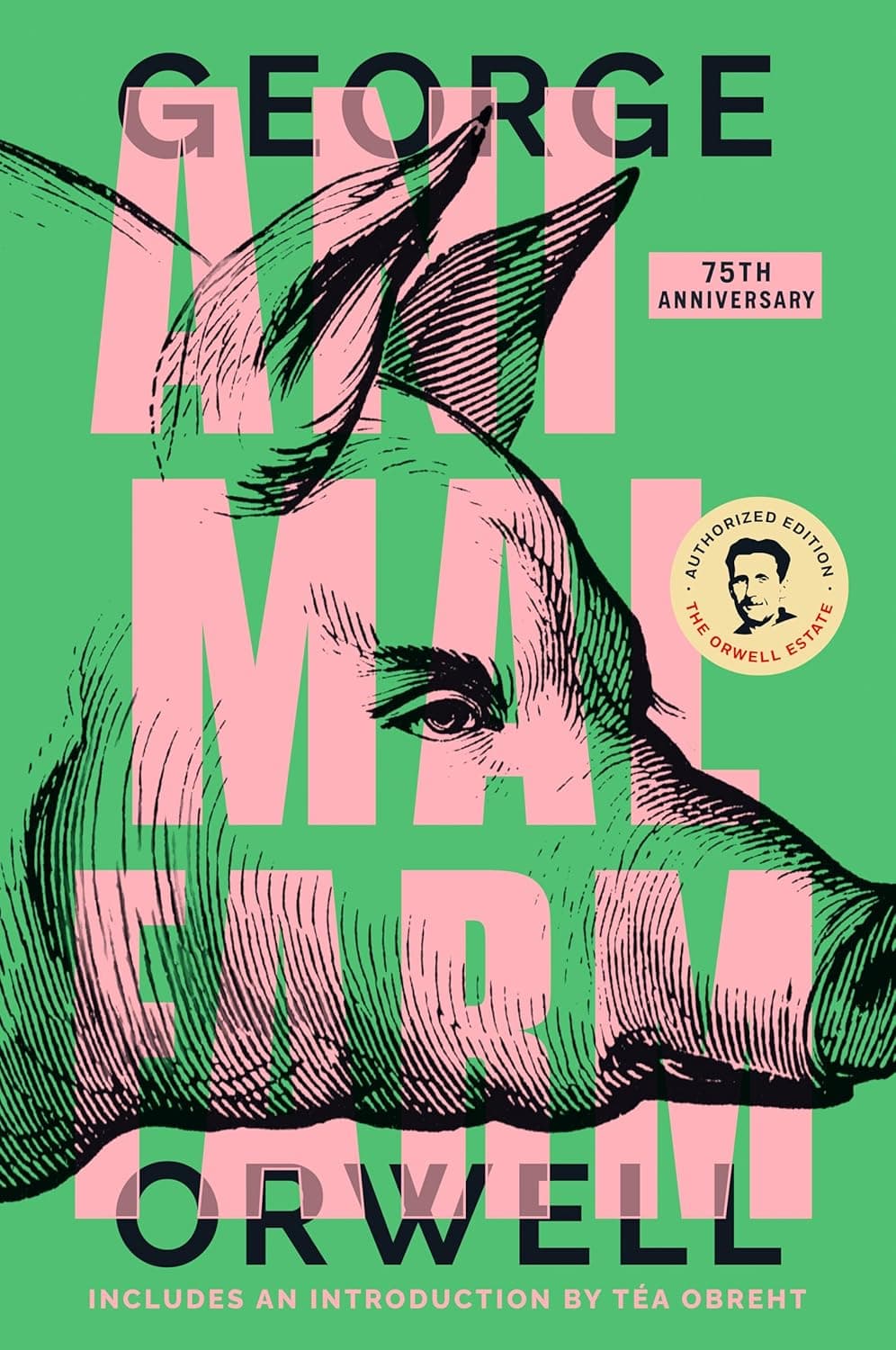
Animal Farm
Best political fable
Orwell's farm revolution is easy to follow because every stage has a concrete consequence: a rule changes, food disappears, labor grows harder, and language is revised to protect power. The allegory is direct, but its strongest scenes show how ordinary exhaustion and selective memory make manipulation possible.
Brevity does not make the revolution light. Changes in work, food and language show power consolidating through ordinary exhaustion, with implications that extend well beyond the farm's simple surface.
7
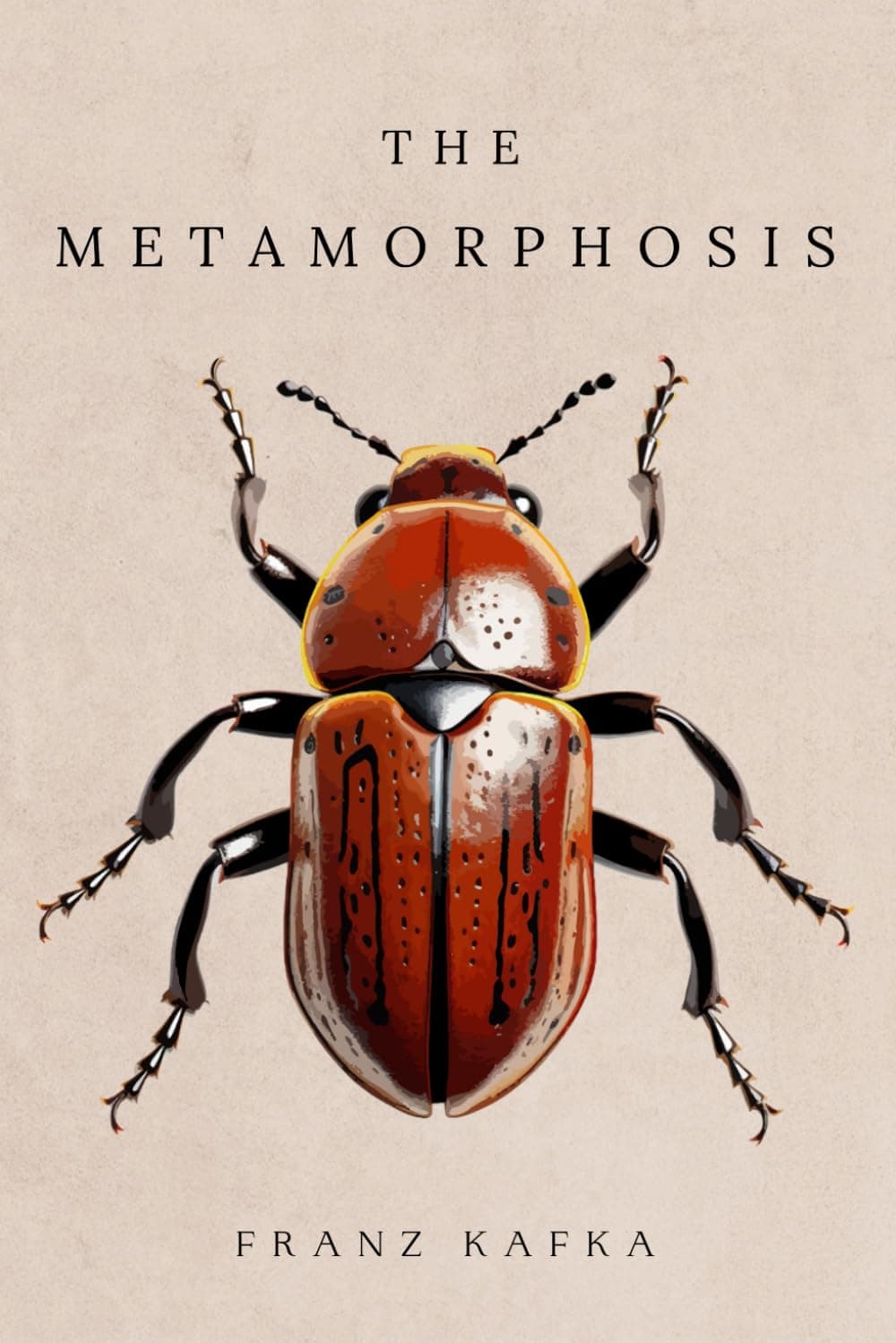
The Metamorphosis
Best strange classic
Gregor Samsa's transformation is announced immediately, then Kafka concentrates on work, rent, appetite, shame, and the family's changing tolerance. The plain treatment of an impossible event makes the domestic cruelty more disturbing. It is readable in an afternoon but emotionally abrasive enough that some space afterward is welcome.
The transformation has no tidy explanatory solution. The family's changing response supplies the psychological movement, making the concentrated domestic cruelty more important than a mechanism for the impossible event.
8
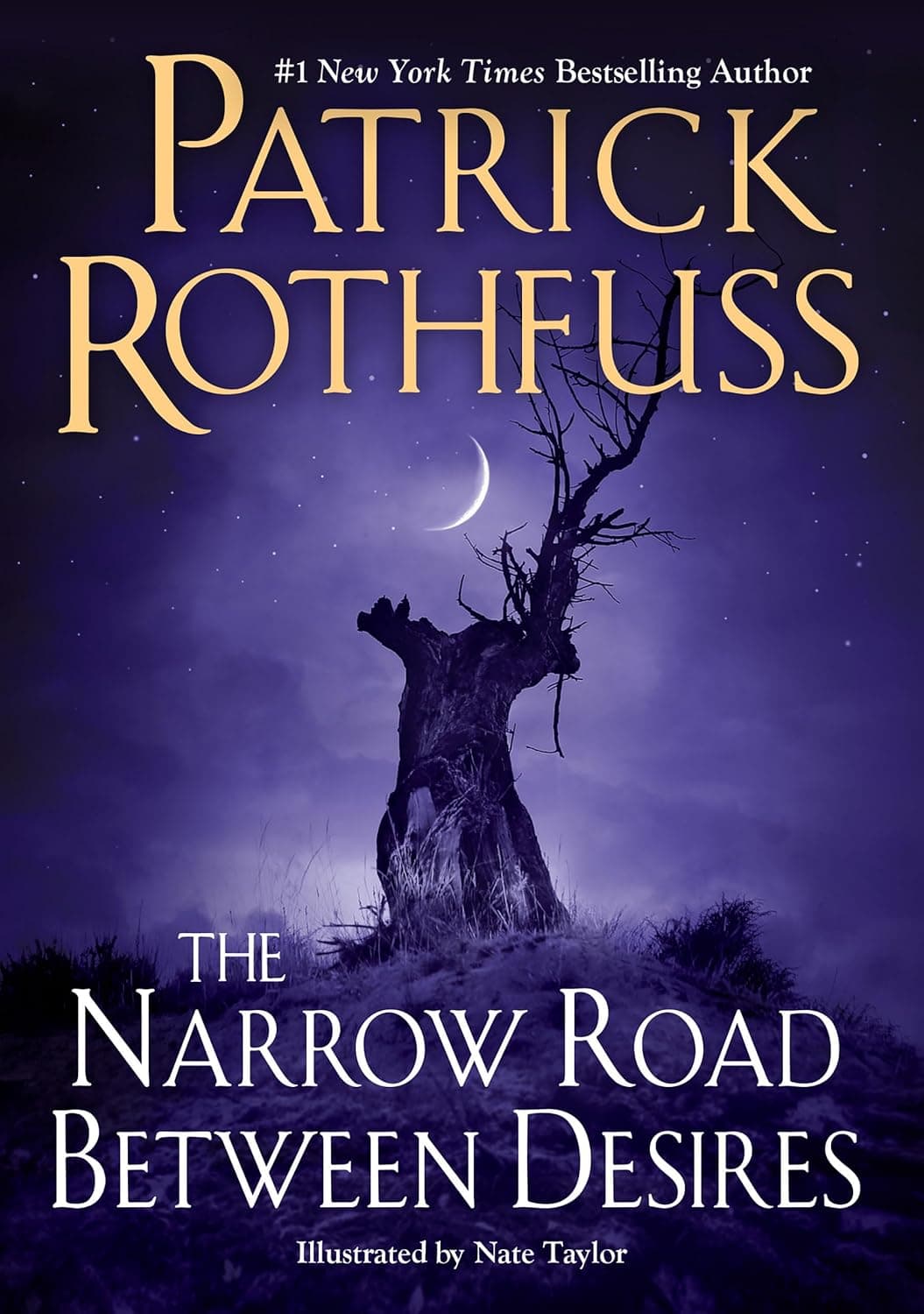
The Narrow Road Between Desires
Best fantasy interlude
Patrick Rothfuss follows Bast through a single day of bargains, favors, small cruelties, and carefully balanced gifts. Knowledge of The Kingkiller Chronicle adds texture, yet the immediate episodes are understandable on their own. The pleasure lies in watching an apparently playful figure calculate the cost of every promise.
The single day gives Bast's bargains and favors a clear boundary. Newcomers can follow the episodes, while The Kingkiller Chronicle adds character history beneath the lyrical, folklore-shaped surface.
Side by side
How to choose your weekend book
The fastest-looking option is not always the easiest. Use the table to match the mental energy and emotional aftertaste you actually want.
| If you want | Best match | Reading feel | Watch for |
|---|---|---|---|
| Immediate momentum | All Systems Red | Quick, witty, action-led | It may send you straight into the sequel |
| A compact puzzle | Permafrost | Concentrated and technical | The time mechanics need attention |
| Atmosphere | What Moves the Dead | Creeping and visual | Body horror and fungal imagery |
| A classic with moral force | A Christmas Carol | Warm, comic, increasingly emotional | Nineteenth-century sentence rhythms |
| A book to argue about | Animal Farm | Clear on the surface, bitter underneath | The allegory invites historical context |
A realistic weekend plan
Choose one main book and one backup with a different texture. Pair All Systems Red with A Christmas Carol, for example, rather than stacking three anxious science fiction novellas. Read the opening on Friday. If the voice has not created curiosity by Saturday morning, switch without guilt. A weekend list should reduce decision fatigue, not turn finishing into an obligation.
Audiobook listeners should compare duration rather than printed pages, and ebook readers should remember that location counts do not map neatly to paper editions. The useful question is whether the story has a stable central line. Every recommendation here does, even when the surrounding ideas are complex.
What the selections leave out
The selections leave out unfinished serial installments that stop before a meaningful local resolution, reference books designed for dipping, and short books whose density makes a two-day schedule misleading. A book can be excellent and still resist that time frame. Dune is a useful example: its chapters move, but its vocabulary and political structure reward more breathing room.
Quick answers
Questions readers ask before buying
How many pages can most people read in a weekend?
There is no honest universal number. Reading speed, typography, available hours, and prose density matter more than a round page target. These choices favor momentum and manageable structure rather than promising a precise finish time.
Are all of these books under 300 pages?
Most commonly available editions are compact, but page counts vary by format and publisher. Check the specific edition before buying if an exact limit matters to you.
Which weekend read is the least dark?
The Narrow Road Between Desires is the gentlest overall, while All Systems Red balances danger with humor and growing trust. Animal Farm and The Metamorphosis are short but emotionally much harsher.
Sources
Sources for this guide
Edition length and official series position were checked on publisher pages. Final inclusion reflects editorial assessment of pace, density, and whether the book supplies a satisfying local ending.
Keep reading