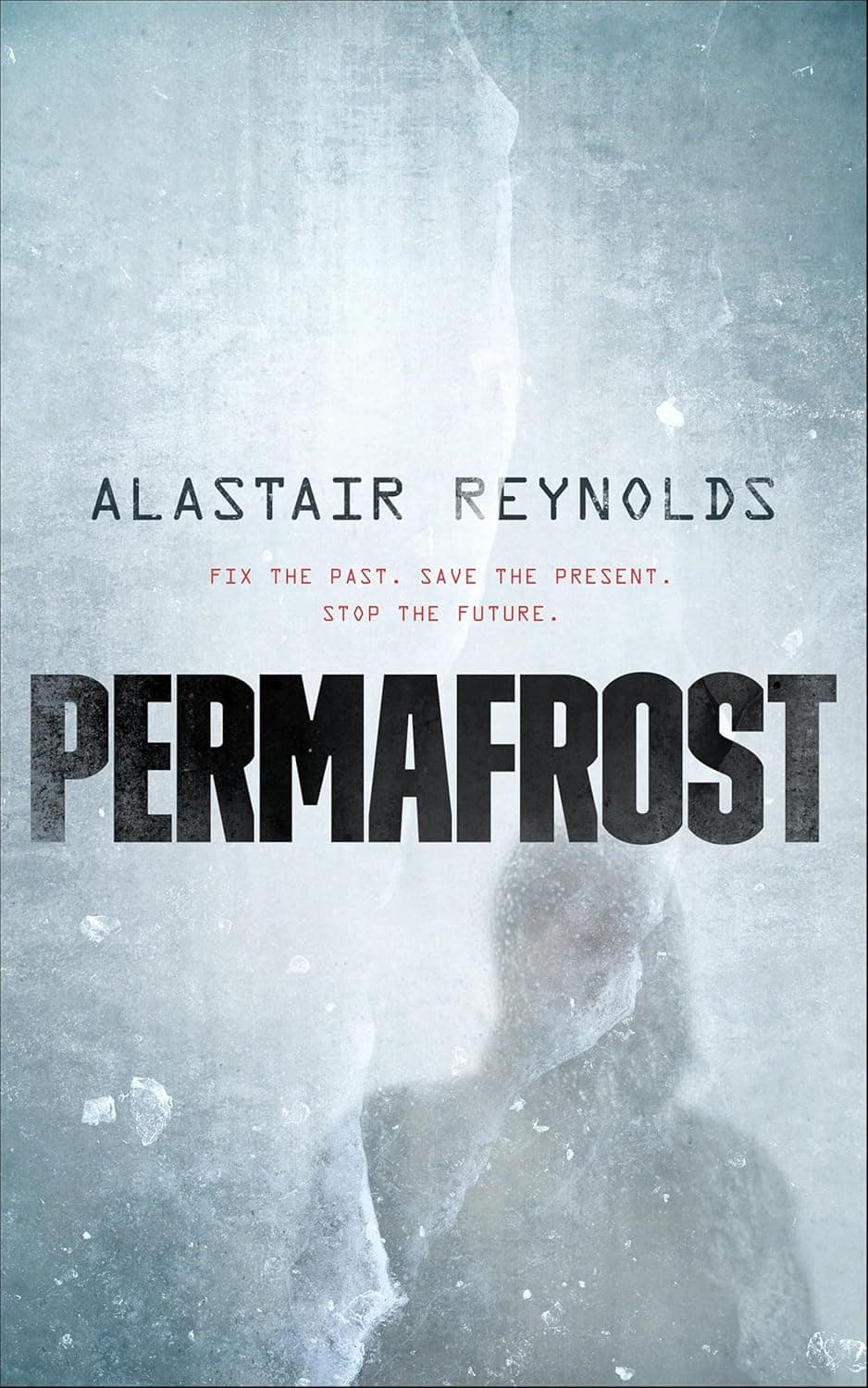
Should you read Permafrost?
What works
Valentina's age and memory give the mission weight, while occupying a past host makes intervention an intimate violation rather than abstract timeline repair.
What may not work for you
The supporting team is thin, rules arrive quickly, and the short form limits the future society's texture.
What may test your patience
The opening assembles mission, technology, and ecological collapse rapidly; readers may need to accept rules before feeling their consequences.
Does the ending reward the effort?
Yes. The temporal solution follows the story's consciousness rules and lands with an earned balance of sacrifice and possibility.
Reading Permafrost closely
Permafrost begins in 2080, when climate collapse and food failure have left humanity almost no future. Valentina Lidova, an aging teacher whose mother worked on a secret project, joins scientists trying to send consciousness backward through time. Their goal is one precise intervention that might preserve a path to survival.
In 2028, Tatiana undergoes brain surgery and begins hearing another presence in her mind. Reynolds alternates between the desperate future team and the young woman experiencing their mission as an invasion of identity. Her perspective prevents a plan to save billions from becoming a clean, morally uncomplicated engineering exercise.
The novella moves quickly but takes causality seriously, introducing its rules through consequences. Its climate premise is bleak and the body-sharing element is unsettling, yet the story remains interested in responsibility rather than nihilism. It is an accessible standalone for readers seeking scientific speculation, emotional stakes, and a complete ending.
Two women across time
Valentina brings urgency while Tatiana bears the immediate cost, giving the rescue plan essential moral friction.
No simple climate reset
Time travel offers a narrow chance rather than a magical undo button, and every alteration creates new uncertainty.
Compact causal logic
The mechanism is established efficiently and then tested through memory, cause, and paradox.
Three useful comparisons
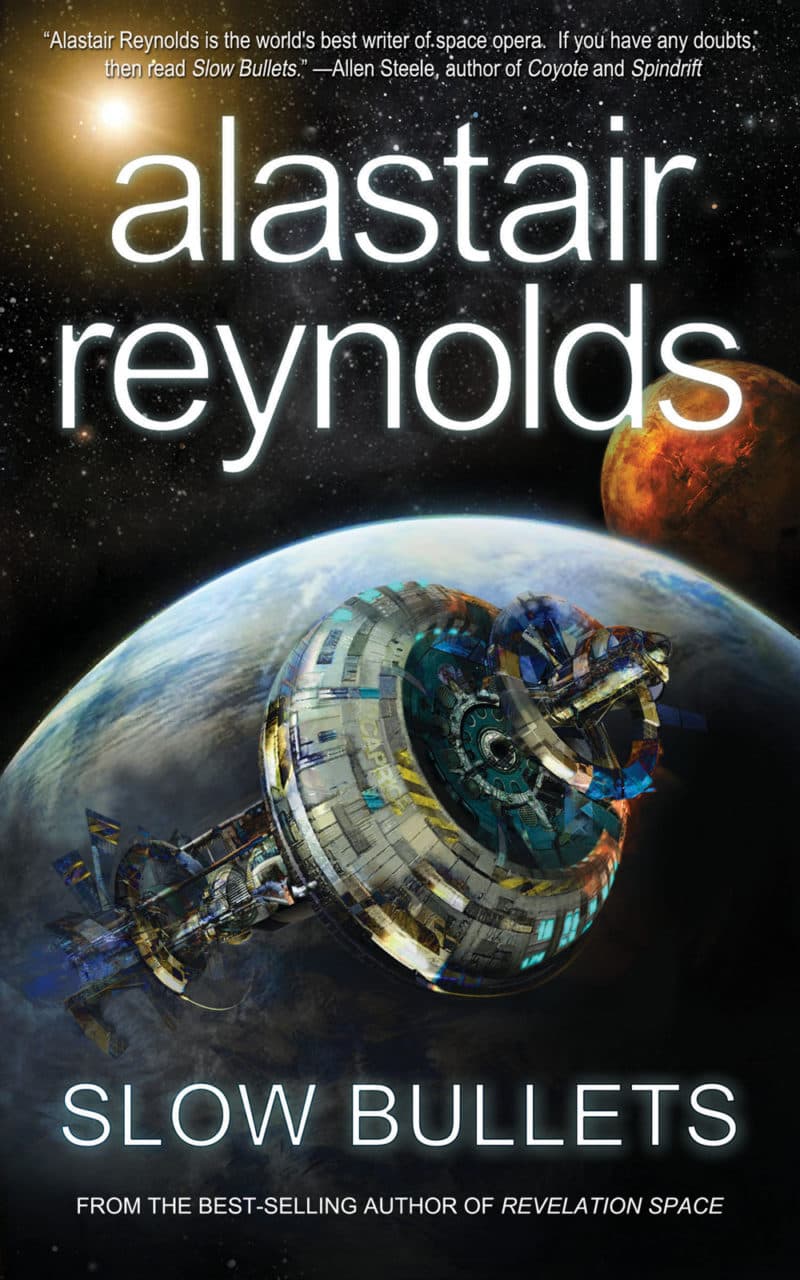
Slow Bullets
Slow Bullets is another compact standalone, focused on memory archives and social reconstruction in space.
Best for: A concise space opera about memory, generation survival, and war's aftermath, with no series commitment.
As an Amazon Associate, I earn from qualifying purchases.
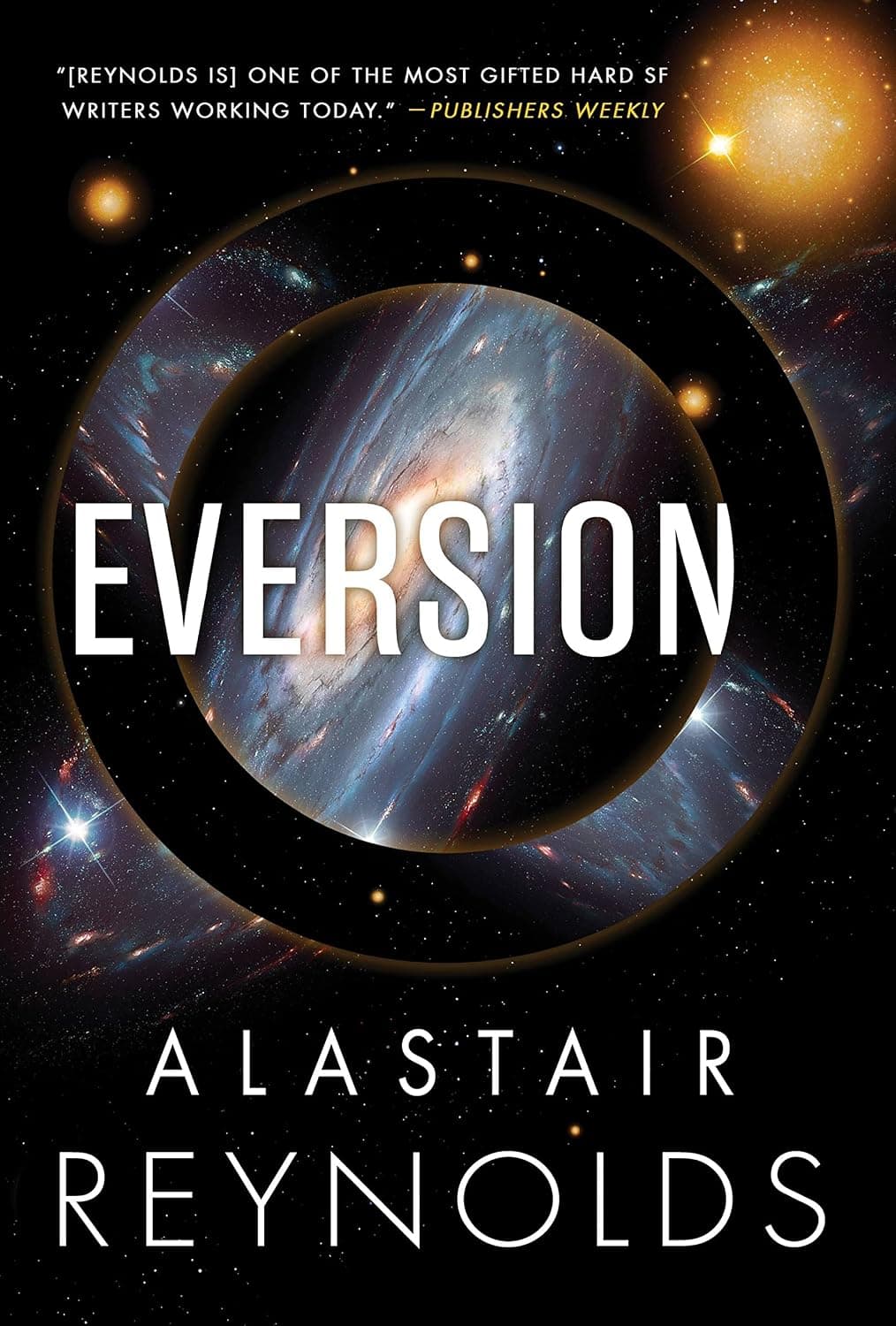
Eversion
Eversion offers a more elaborate nested mystery and stronger reality destabilization.
Best for: Pick this for standalone science fiction, unreliable reality, exploration, artificial intelligence, and a strong late reveal.
As an Amazon Associate, I earn from qualifying purchases.
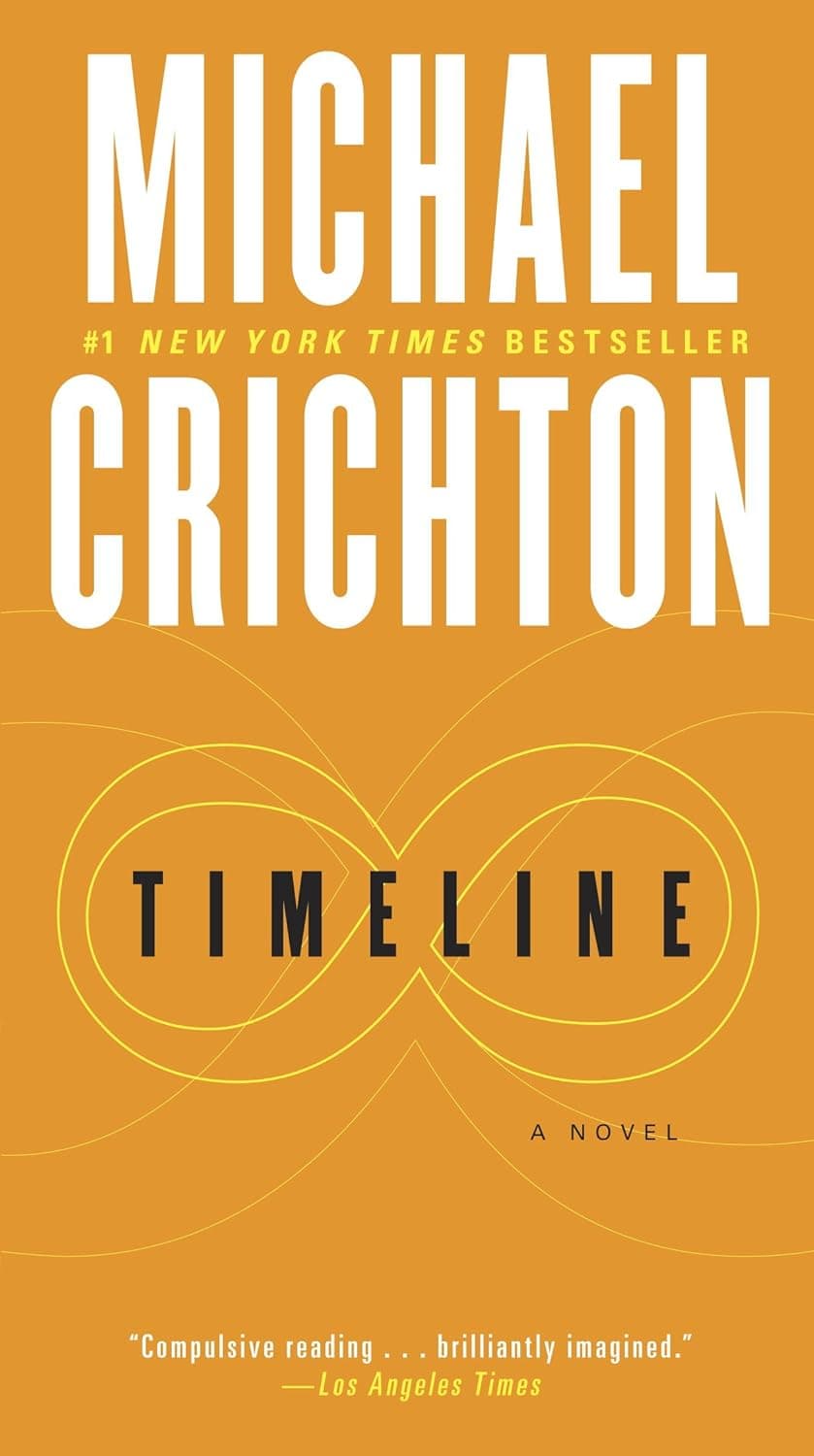
Timeline
Timeline is a much longer, action-heavy medieval rescue with looser time-travel science.
Best for: A good fit for researched medieval action, archaeology, speculative time travel, and a long setup followed by rapid adventure.
As an Amazon Associate, I earn from qualifying purchases.
Make the next decision