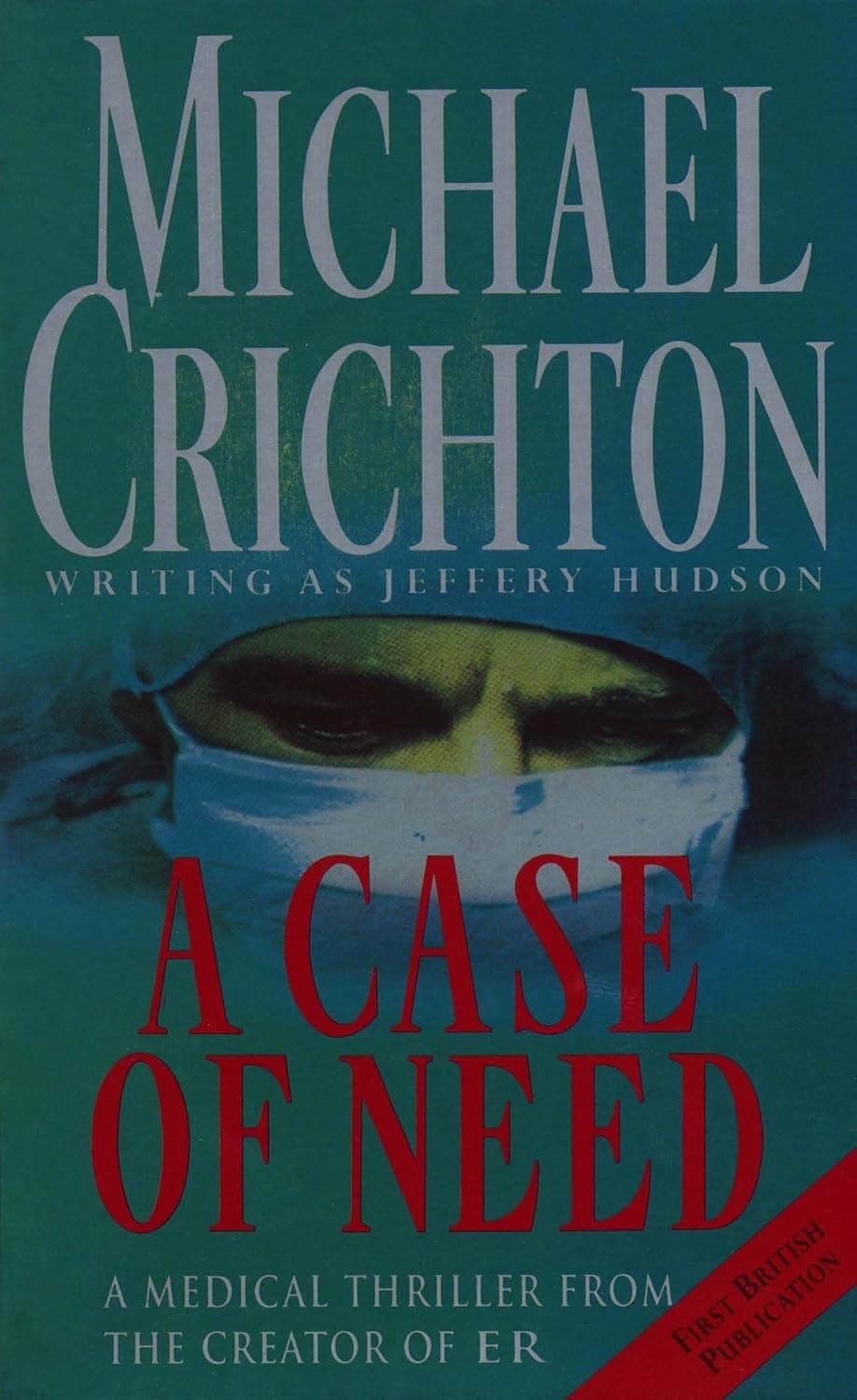
Should you read A Case of Need?
What works
John Berry's clinical reasoning gives the mystery credible constraints, while institutional self-protection makes each medical fact socially dangerous.
What may not work for you
The period's gender and racial attitudes are visible, Berry's access strains plausibility, and some exposition now reads as historical rather than current medicine.
What may test your patience
Early interviews repeat conflicting patient histories before the medical timeline produces a reliable direction.
Does the ending reward the effort?
The solution fits the evidence and exposes institutional hypocrisy, though the final turns rely on thriller compression.
Reading A Case of Need closely
A Case of Need follows Boston pathologist John Berry after his colleague Art Lee is accused of causing a young woman's death during an illegal abortion. Berry believes the case does not fit Lee's methods and investigates the patient's medical history, relationships, and influential family while police and hospital politics push toward a convenient conclusion.
Crichton's medical training gives the mystery its strongest feature: diagnoses, professional hierarchies, and ethical disagreements shape what witnesses say and what evidence means. The novel was written before abortion was legal across the United States, so its danger arises from both medicine and criminalization. It treats certainty cautiously, showing how reputation and institutional pressure can distort a clinical question.
Some language and attitudes have aged, and readers should expect frank discussion of pregnancy, abortion, sexual behavior, and death. Yet the investigative logic remains compelling because Berry must distinguish malpractice, concealment, and murder without idealizing the medical profession. This is a fuller and more serious early Crichton novel than the John Lange capers, with moral ambiguity alongside procedural suspense.
John Berry investigates his own profession
As a pathologist, Berry can read evidence that outsiders miss, but his friendships also make neutrality impossible.
Medicine, law, and abortion
The pre-Roe setting makes confidential care legally dangerous and gives wealthy families unequal power over the narrative.
A mystery with institutional pressure
Hospitals, police, and social status influence which explanation becomes acceptable before the facts are settled.
Three useful comparisons
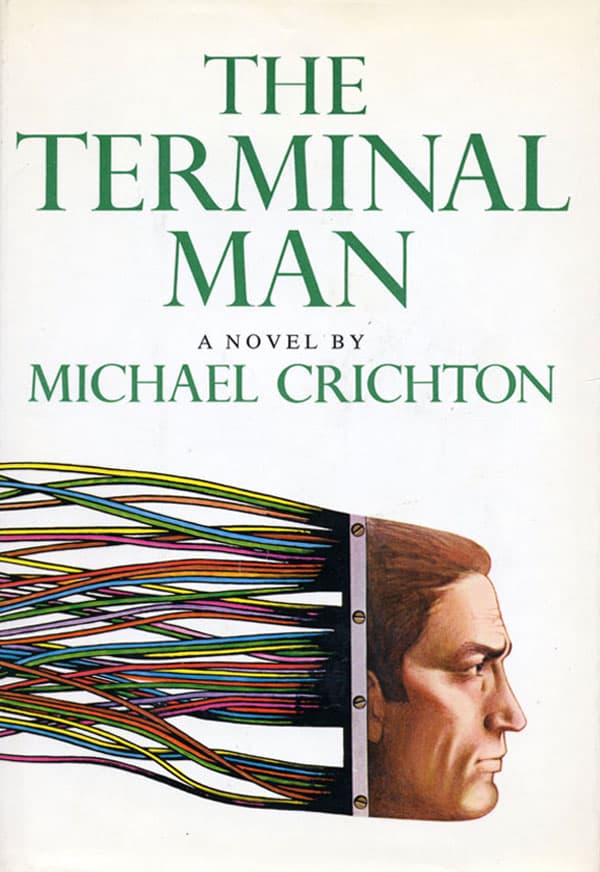
The Terminal Man
The Terminal Man shifts from medical mystery to experimental neuroscience and loss of control.
Best for: Readers interested in neuroscience, medical ethics, behavioral control, and concise technothrillers.
As an Amazon Associate, I earn from qualifying purchases.
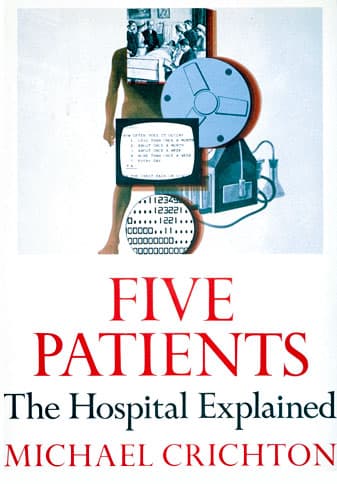
Five Patients
Five Patients is nonfiction and offers a calmer institutional view of medicine through real cases.
Best for: Readers interested in medical history, hospital systems, and Crichton's nonfiction roots.
As an Amazon Associate, I earn from qualifying purchases.
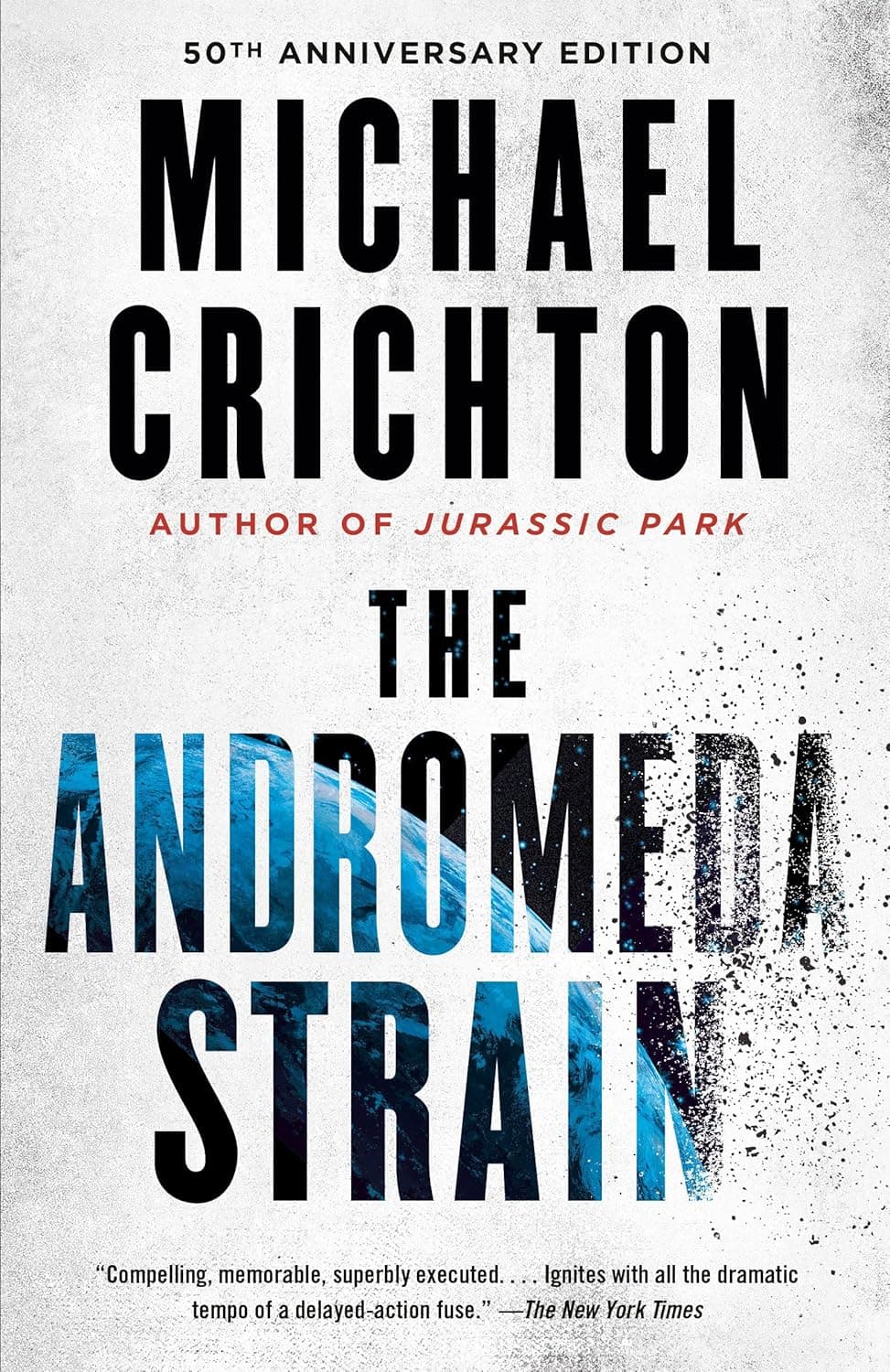
The Andromeda Strain
Andromeda turns clinical procedure into a high-containment science-fiction crisis.
Best for: Hard-edged outbreak science fiction for anyone who values laboratory procedure and containment systems over sentiment.
As an Amazon Associate, I earn from qualifying purchases.