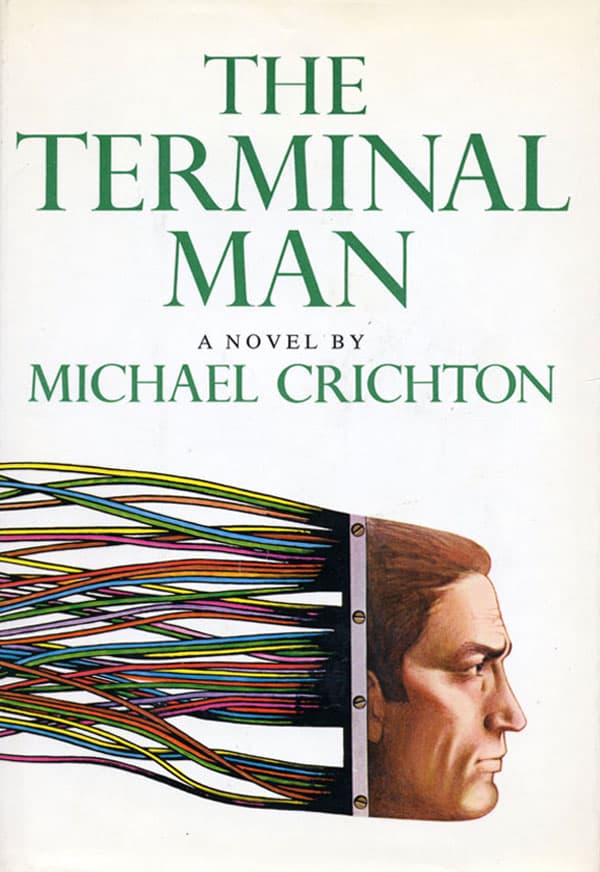
Should you read The Terminal Man?
What works
The electrodes, seizures, institutional optimism, and reward mechanism create a precise tragic logic rather than a generic machine-goes-wrong plot.
What may not work for you
Harry Benson remains more case than person, women are marginalized, and the novel's clinical distance limits emotional complexity.
What may test your patience
The surgical and committee discussions dominate the opening before the behavioral consequences escape the hospital.
Does the ending reward the effort?
Yes. The conclusion follows the reinforcement mechanism established early and refuses an easy distinction between patient failure and medical hubris.
Reading The Terminal Man closely
The Terminal Man centers on Harry Benson, whose seizures are followed by blackouts and episodes of violence. Doctors implant electrodes intended to detect the seizure pattern and stimulate a pleasure center before the attack develops. The procedure appears technically successful, but Benson's brain begins learning from the reward and alters the cycle the device was designed to control.
Crichton divides attention between Benson and the medical team, especially psychiatrist Janet Ross, who questions whether a mechanistic intervention can be separated from personality and fear. Hospital routines and technical explanations make the premise concrete, while disagreement among specialists exposes how professional confidence can outrun evidence when an experimental treatment becomes urgent.
The neuroscience is historically dated and the association between mental illness, epilepsy, and violence requires caution. The novel is strongest as an ethical systems thriller rather than a current portrait of neurological care. Its clinical pace eventually becomes a pursuit, asking whether the true failure lies in the patient, the machine, or the assumptions that joined them.
A feedback loop inside the brain
The implant changes the system it monitors, making adaptation more dangerous than a simple hardware malfunction.
Janet Ross and medical dissent
Ross's objections show how ethical and psychological uncertainty can be marginalized by technical enthusiasm.
Dated science, durable concern
Specific medicine has changed, but the problem of intervening in behavior through opaque technology remains relevant.
Three useful comparisons
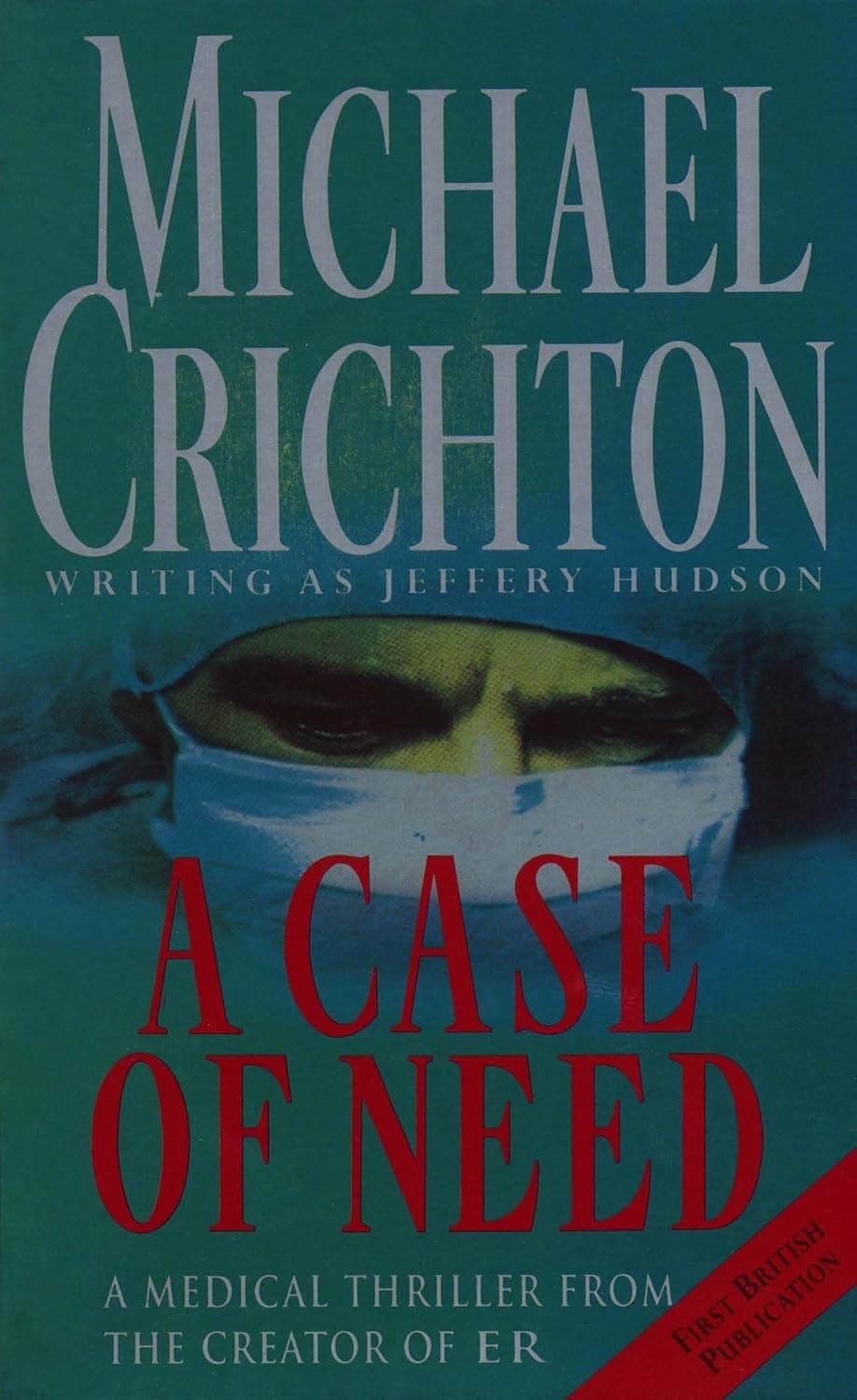
A Case of Need
A Case of Need is a warmer, more social medical mystery centered on diagnosis and law.
Best for: Readers of medical thrillers interested in diagnosis, professional ethics, and the pre-Roe history of abortion care.
As an Amazon Associate, I earn from qualifying purchases.
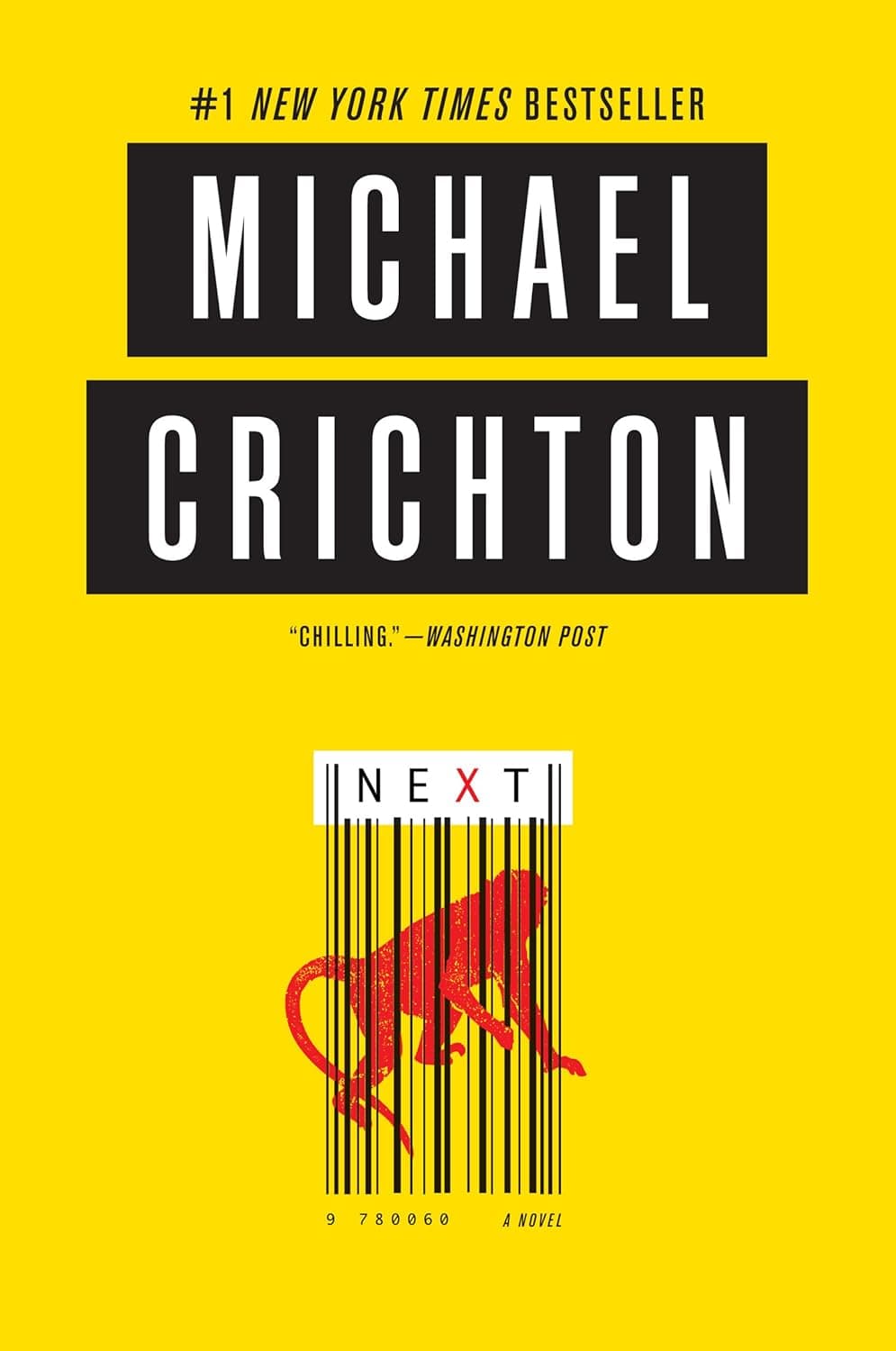
Next
Next broadens biotechnology into satire, ownership disputes, and multiple storylines.
Best for: Readers interested in biotechnology, patents, genetic privacy, satire, and idea density more than unified character drama.
As an Amazon Associate, I earn from qualifying purchases.
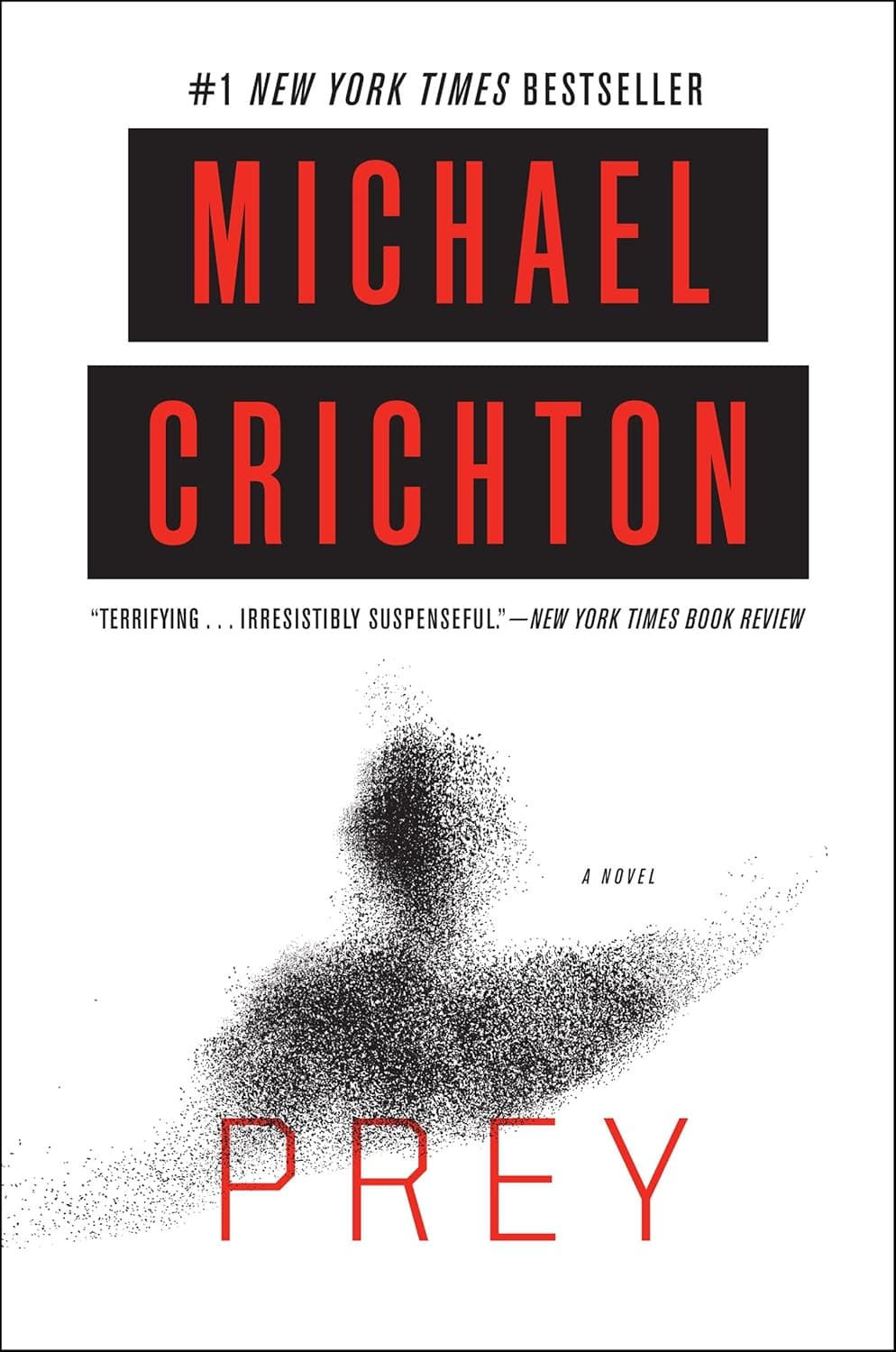
Prey
Prey gives technological self-reinforcement a faster, more commercial survival-thriller form.
Best for: Pick it for nanotechnology, emergent systems, laboratory isolation, corporate secrecy, and fast survival suspense.
As an Amazon Associate, I earn from qualifying purchases.