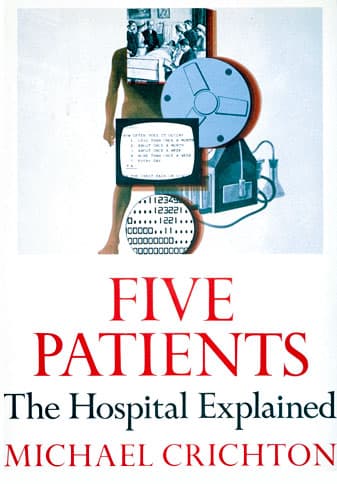
Should you read Five Patients?
What works
Individual cases open into staffing, cost, records, training, emergency care, and institutional history without losing the bodies affected by those systems.
What may not work for you
Medical practice and terminology are dated, patient perspectives receive less space than institutional analysis, and some forecasts now read as artifacts.
What may test your patience
Administrative history and cost structures interrupt the case narratives, requiring interest in hospitals as organizations rather than only diagnosis.
Does the ending reward the effort?
The cumulative portrait succeeds without a dramatic ending, leaving medicine as an evolving system rather than a series of heroic cures.
Reading Five Patients closely
Five Patients uses five cases at Massachusetts General Hospital to explain how a major American hospital worked around 1970. Crichton moves from the patient's immediate problem into laboratories, operating rooms, professional hierarchies, billing, and institutional history. The individuals keep a systems-level account connected to the uncertainty and vulnerability of actual care.
His medical training lets him translate procedures without writing a textbook. He is interested in technology not simply as progress, but as a force that changes specialization, cost, authority, and the relationship between physician and patient. Several predictions and assumptions belong to their period, making the book a revealing record of medicine at a particular transition.
This is narrative nonfiction rather than a collection of dramatic medical mysteries. Some terminology, privacy expectations, and social attitudes have aged, and current readers should not treat its clinical information as advice. It remains worthwhile for readers interested in hospital history, medical systems, or the institutional concerns that later powered Crichton's fiction.
Five cases, one institution
Each patient opens a different route through diagnosis, treatment, staffing, technology, and administration.
Medicine at a technological turning point
Crichton records excitement about new tools while asking what growing complexity will cost and who will control it.
Historical value and limitations
Its strongest modern use is as an accessible snapshot of hospital culture rather than a guide to present-day care.
Three useful comparisons
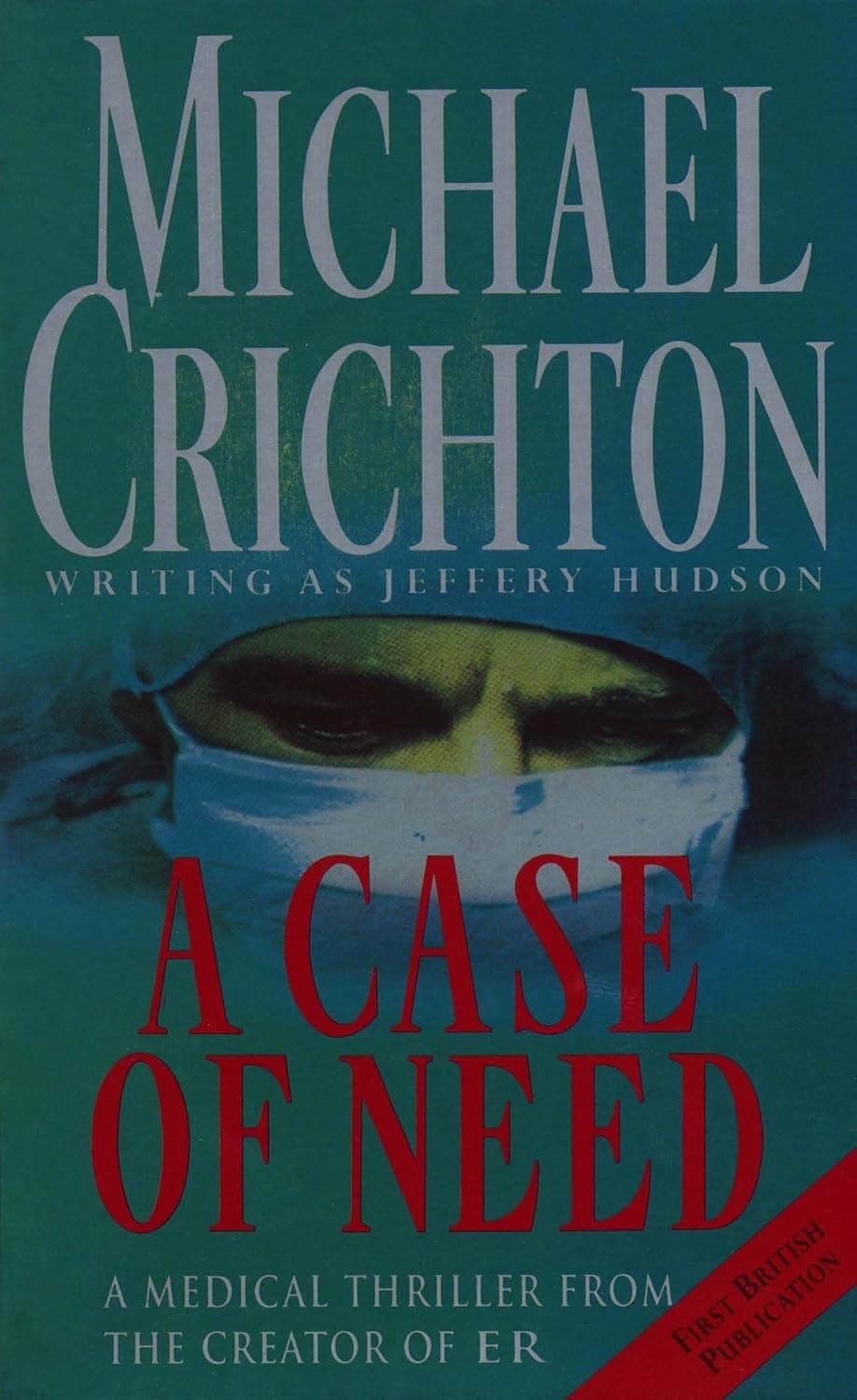
A Case of Need
A Case of Need turns medical knowledge into a fictional investigation with greater suspense and period politics.
Best for: Readers of medical thrillers interested in diagnosis, professional ethics, and the pre-Roe history of abortion care.
As an Amazon Associate, I earn from qualifying purchases.

Travels
Travels is more personal, spiritual, and uneven, revealing Crichton himself rather than one institution.
Best for: Readers curious about Crichton's life and willing to follow a memoir from medicine into unconventional spiritual territory.
As an Amazon Associate, I earn from qualifying purchases.
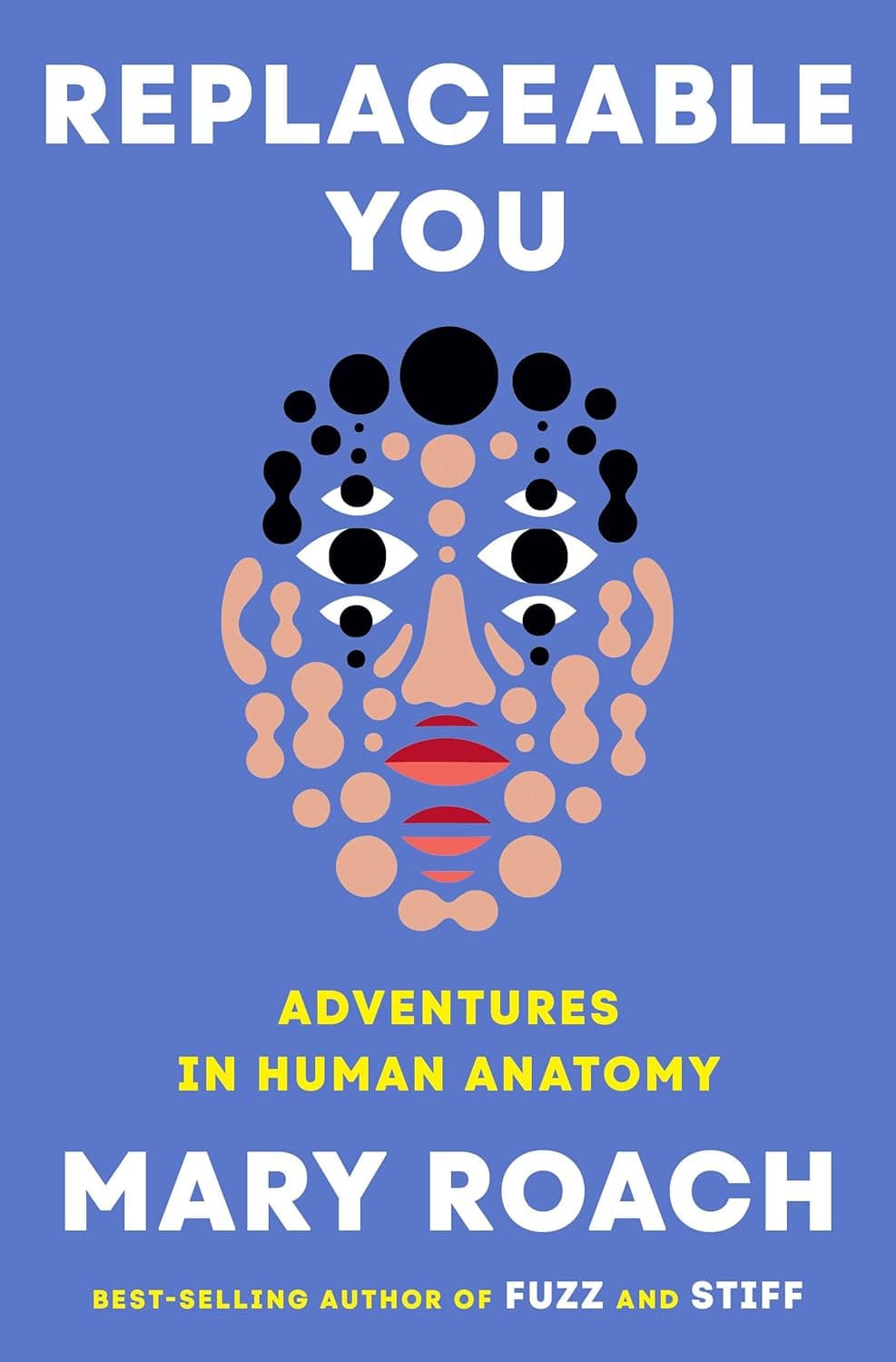
Replaceable You
Replaceable You provides contemporary medical reporting with more humor and direct patient encounters.
Best for: General readers interested in bodies, medical innovation, laboratory culture, and science writing with a comic voice.
As an Amazon Associate, I earn from qualifying purchases.