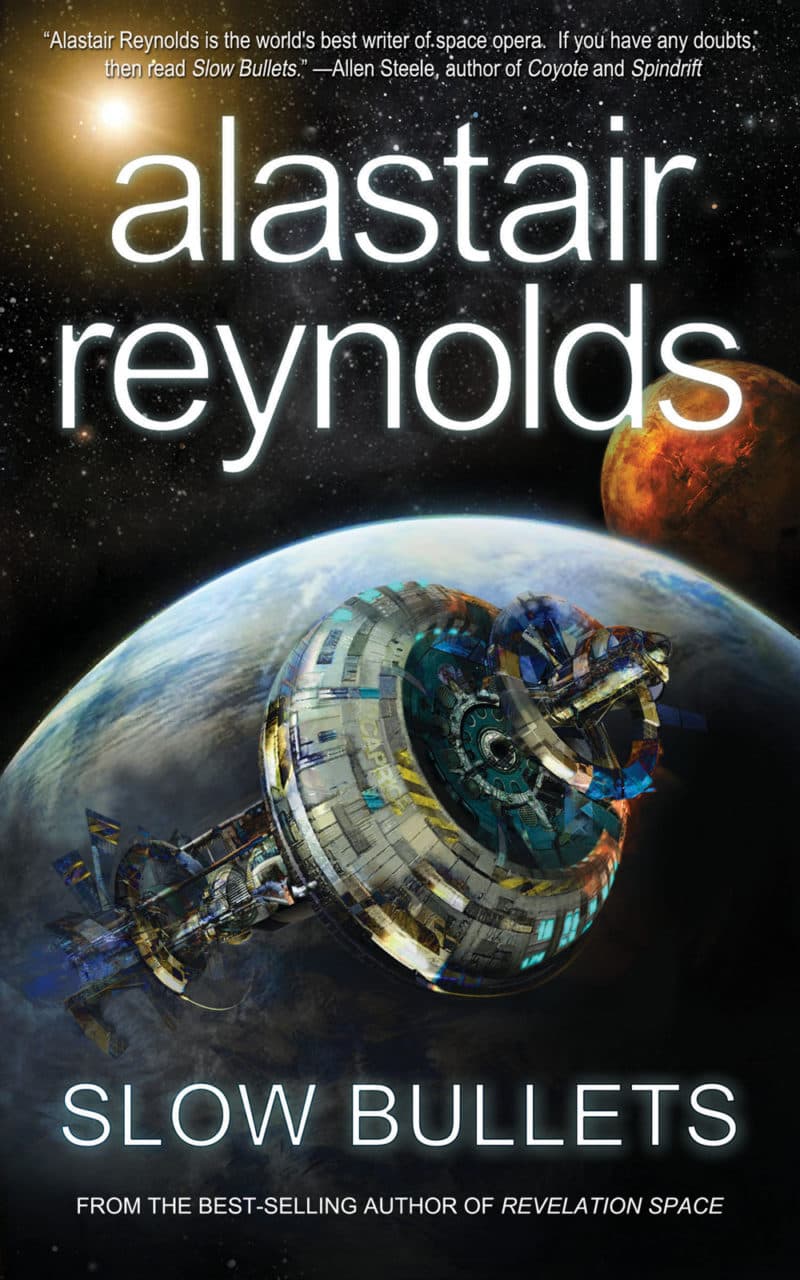
Should you read Slow Bullets?
What works
Scur's personal grievance, the ship's mixed enemies, and the slow bullets carrying records make memory both evidence and limited infrastructure.
What may not work for you
The compressed timescale leaves secondary communities thin, and the central antagonist is more functional than complex.
What may test your patience
The shift from immediate revenge to long-term social reconstruction requires accepting a sudden widening of scale.
Does the ending reward the effort?
Yes. The final act makes editing history a morally compromised survival decision rather than a simple triumph of preservation.
Reading Slow Bullets closely
Slow Bullets opens near the end of an interstellar war. Soldier Scur is captured and tortured by Orvin, an enemy who implants a slow bullet in her body. These devices normally store a soldier's identity and service record, but his altered projectile is intended to inflict prolonged damage.
Scur later awakens aboard the prison transport Caprice among combatants from both sides. The ship is damaged, its destination and time are uncertain, and its records are decaying. Former enemies must cooperate while deciding which histories, languages, and religious texts can be preserved with severely limited storage.
The novella compresses war trauma, revenge, memory, and the foundation of a new society into a focused survival story. Its speculative premise remains large, but Scur's unresolved encounter with Orvin prevents abstraction. Reynolds asks whether civilization means recording the past accurately, choosing a usable story, or refusing to repeat what the survivors remember.
The slow bullet as identity and wound
A standard bullet makes military identity readable inside the body. Scur's corrupted version turns that archive into continuing violence, binding personal trauma to the same technology the survivors may need for reconstructing who they were.
Building an archive after war
As Caprice loses data, preservation becomes political. Technical manuals, cultural memory, and sacred texts compete for space, forcing survivors to confront whether a supposedly complete archive ever represented all communities equally.
Novella pace and content
The story moves quickly through capture, awakening, social conflict, and historical choice. It includes torture, bodily injury, war crimes, religious tension, and revenge, but its strongest interest lies in how people negotiate a future after the institutions that named them enemies disappear.
Three useful comparisons
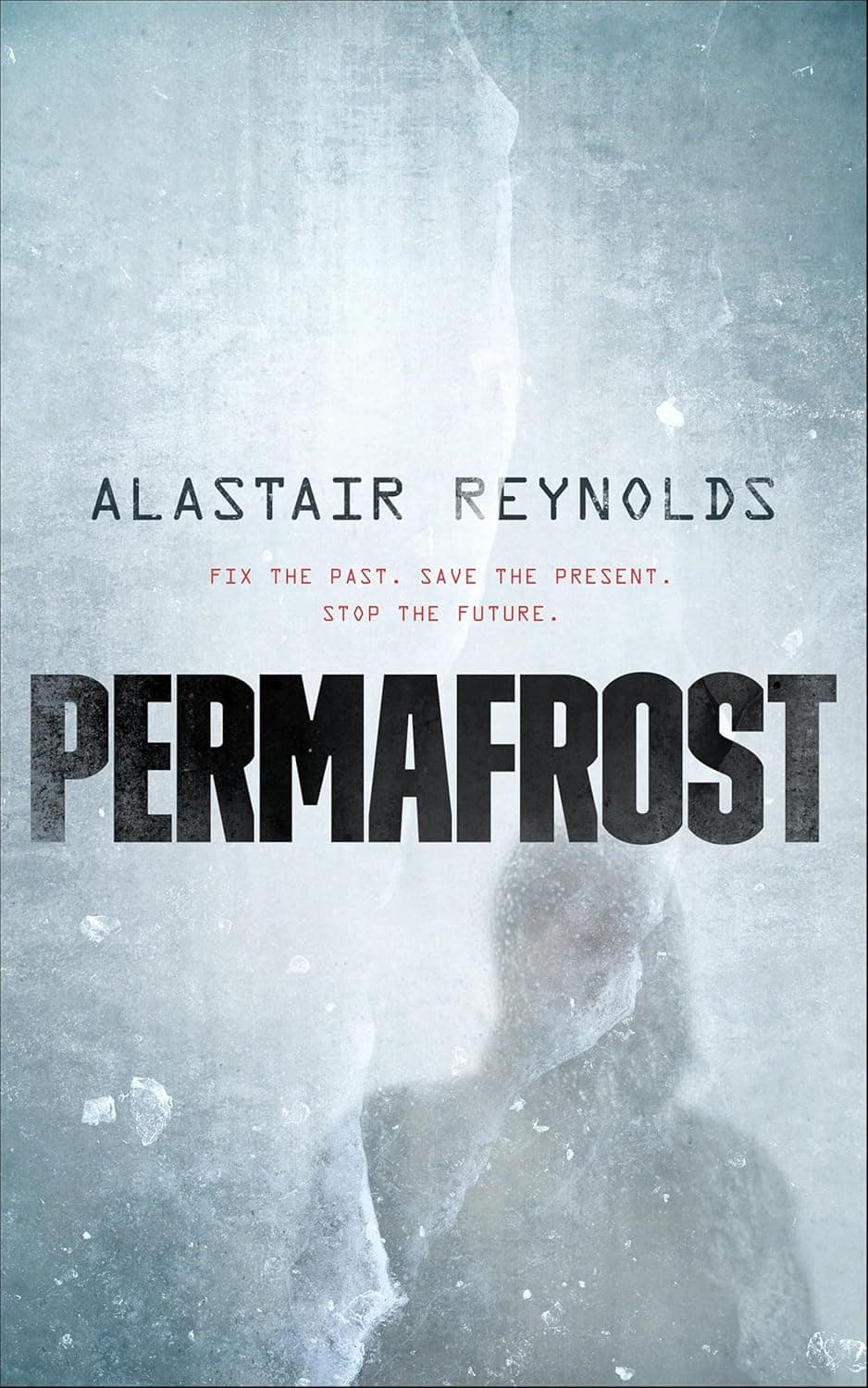
Permafrost
Permafrost is another compact standalone, using time intervention and climate catastrophe with a more intricate chronology.
Best for: A concise climate and time-travel story with an older protagonist, ethical tension, and a strong ending.
As an Amazon Associate, I earn from qualifying purchases.
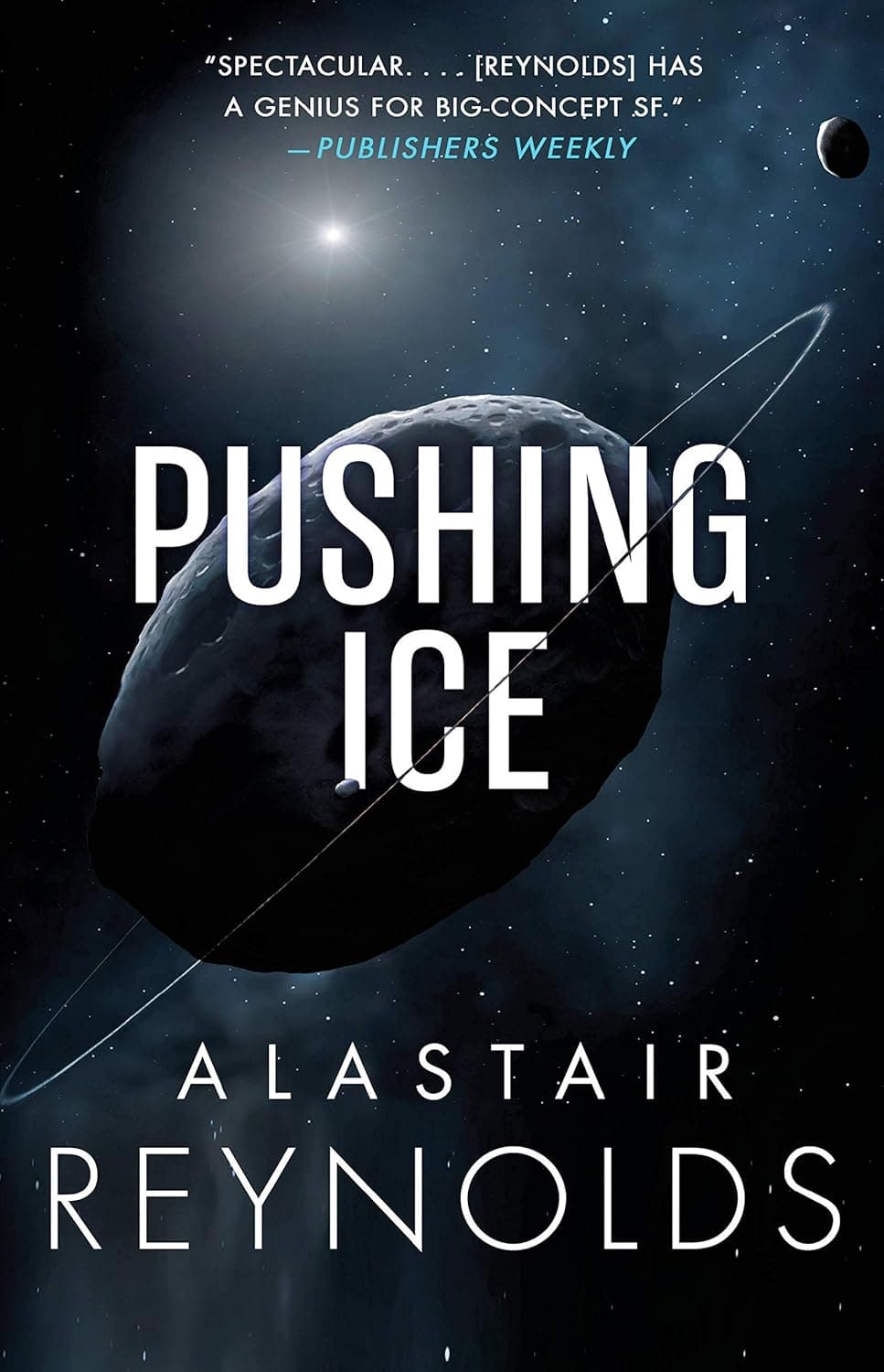
Pushing Ice
Pushing Ice explores involuntary deep-time community formation at novel length and with more abrasive politics.
Best for: The draw is standalone hard SF with generation survival, first contact, cosmic scale, and abrasive human politics.
As an Amazon Associate, I earn from qualifying purchases.
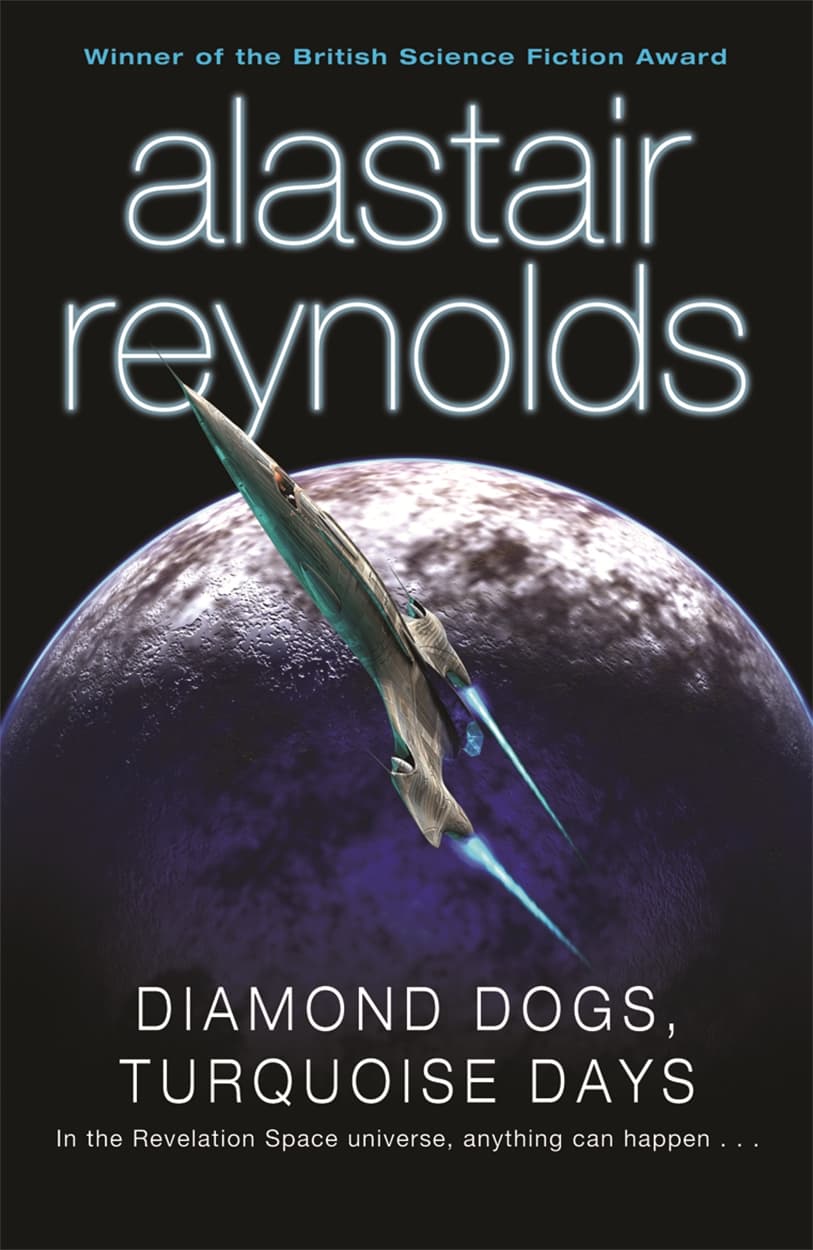
Diamond Dogs, Turquoise Days
Diamond Dogs offers denser body horror and alien puzzles in two separate novellas.
Best for: Compact hard SF with mathematical traps, body horror, alien oceans, and Revelation Space ideas without a full novel's commitment.
As an Amazon Associate, I earn from qualifying purchases.
Make the next decision