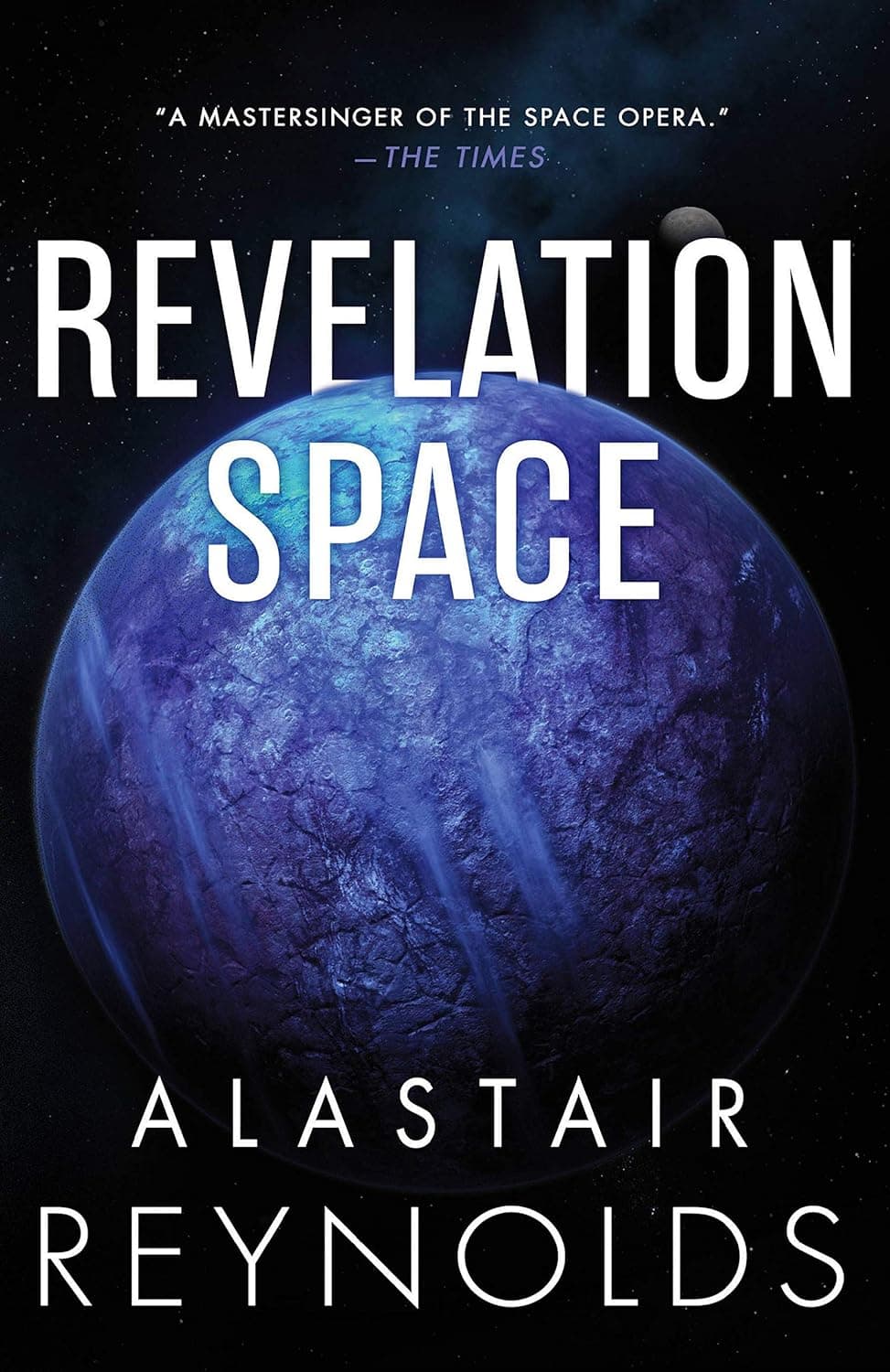
Should you read Revelation Space?
What works
The Amarantin extinction turns ruins into testimony, while Sylveste, Volyova, and Khouri approach the same threat through incompatible motives.
What may not work for you
The opening overloads factions and terminology, characters can feel emotionally remote, and convergence takes a long time.
What may test your patience
Resurgam, Yellowstone, the lighthugger, and multiple histories appear before readers know which information will matter.
Does the ending reward the effort?
Yes. The answer expands the extinction mystery into a durable cosmic threat without making the universe feel fully explained.
Reading Revelation Space closely
Revelation Space begins with archaeologist Dan Sylveste excavating the remains of the Amarantin on Resurgam. Their civilization achieved spaceflight and then vanished almost instantly, a mystery Sylveste pursues with enough certainty to disregard political danger, family history, and the people working beside him.
Elsewhere, weapons officer Ilia Volyova commands the vast lighthugger Nostalgia for Infinity while its captain is consumed by the Melding Plague. Ana Khouri, a soldier displaced by interstellar travel, is recruited to assassinate Sylveste. Relativistic journeys delay their convergence, allowing motives and loyalties to change before the characters finally meet.
Reynolds combines archaeological mystery, Gothic imagery, hard-science constraints, and technologies that feel ancient even when they are human-made. The book is dense, cold, and occasionally difficult to orient within, but its scale and central question, why intelligent life appears so rare, create a powerful foundation for the universe that follows.
A first-contact story built around absence
The Amarantin cannot answer Sylveste directly, so ruins, biological traces, and an alien artifact become competing forms of testimony. The mystery expands beyond one extinct species into a theory about what happens when civilizations become visible on an interstellar scale.
No faster-than-light shortcuts
Lighthuggers travel close to light speed rather than crossing space instantly. Time dilation separates passengers from the societies they left, makes old grudges survive across decades, and lets information become dangerously outdated before anyone reaches a destination.
Three useful comparisons
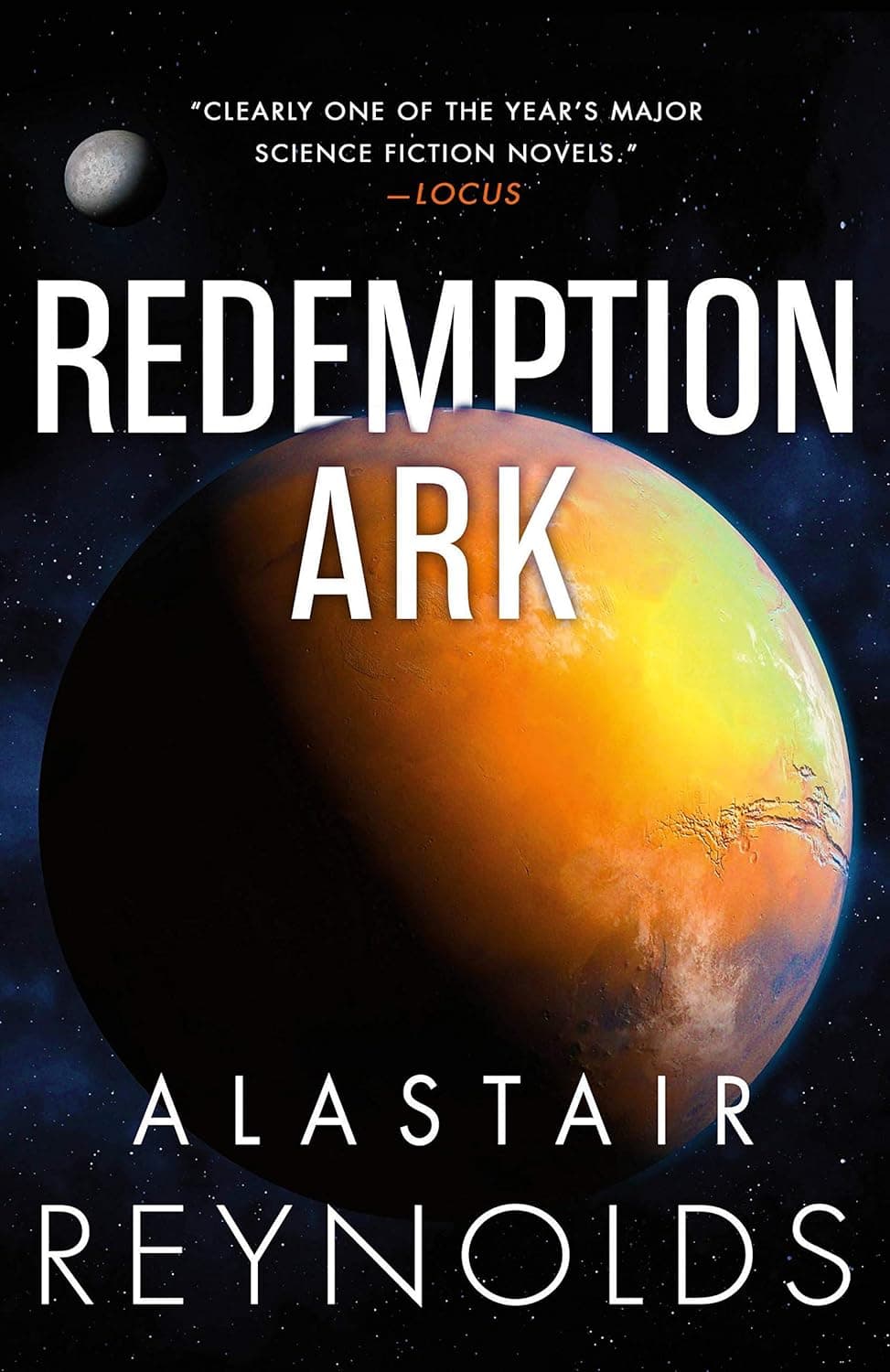
Redemption Ark
Redemption Ark is more propulsive and turns the discovered threat into active strategy; read Revelation Space first.
Best for: Revelation Space readers ready for faster space opera, factional strategy, evacuation, and ethically dangerous technology.
As an Amazon Associate, I earn from qualifying purchases.
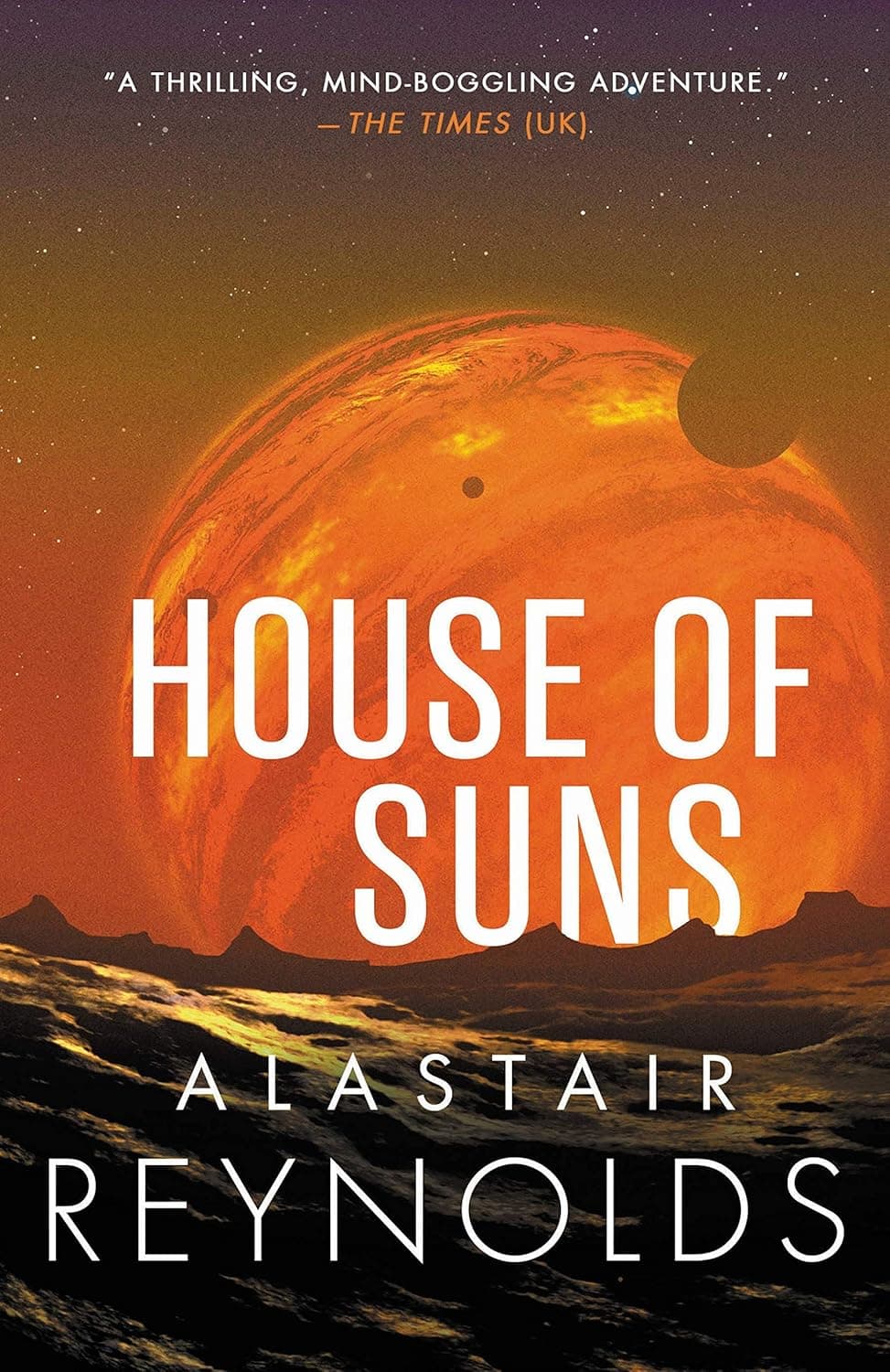
House of Suns
House of Suns is a more accessible standalone with warmer relationships and even larger temporal scale.
Best for: Choose it for an accessible standalone epic with deep time, clones, machine people, romance, pursuit, and galactic mystery.
As an Amazon Associate, I earn from qualifying purchases.
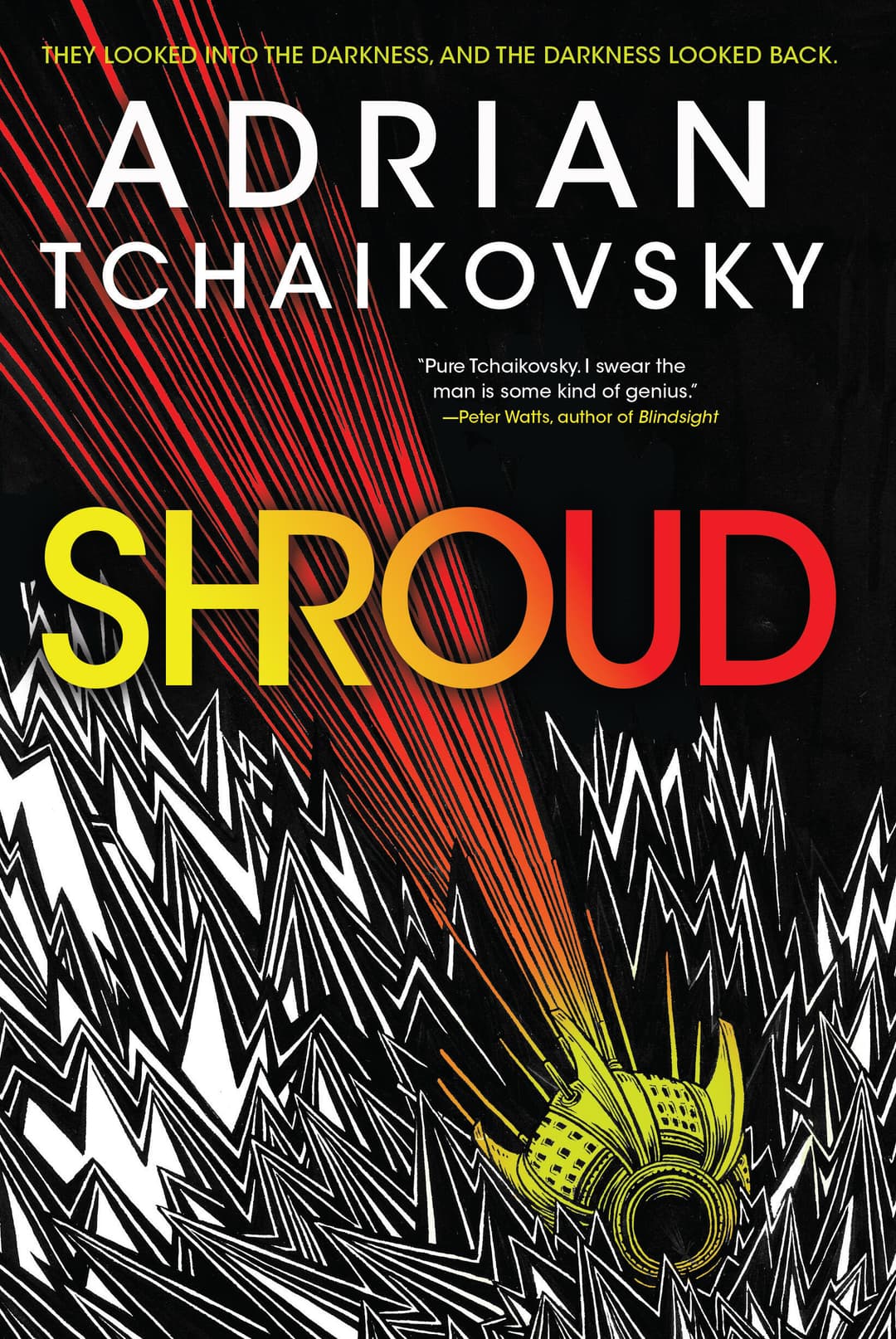
Shroud
Shroud narrows alien difficulty to one hostile ecology and a much smaller survival cast.
Best for: Readers of rigorous first contact, hostile-environment survival, alien cognition, and detailed ecological science fiction.
As an Amazon Associate, I earn from qualifying purchases.
Make the next decision