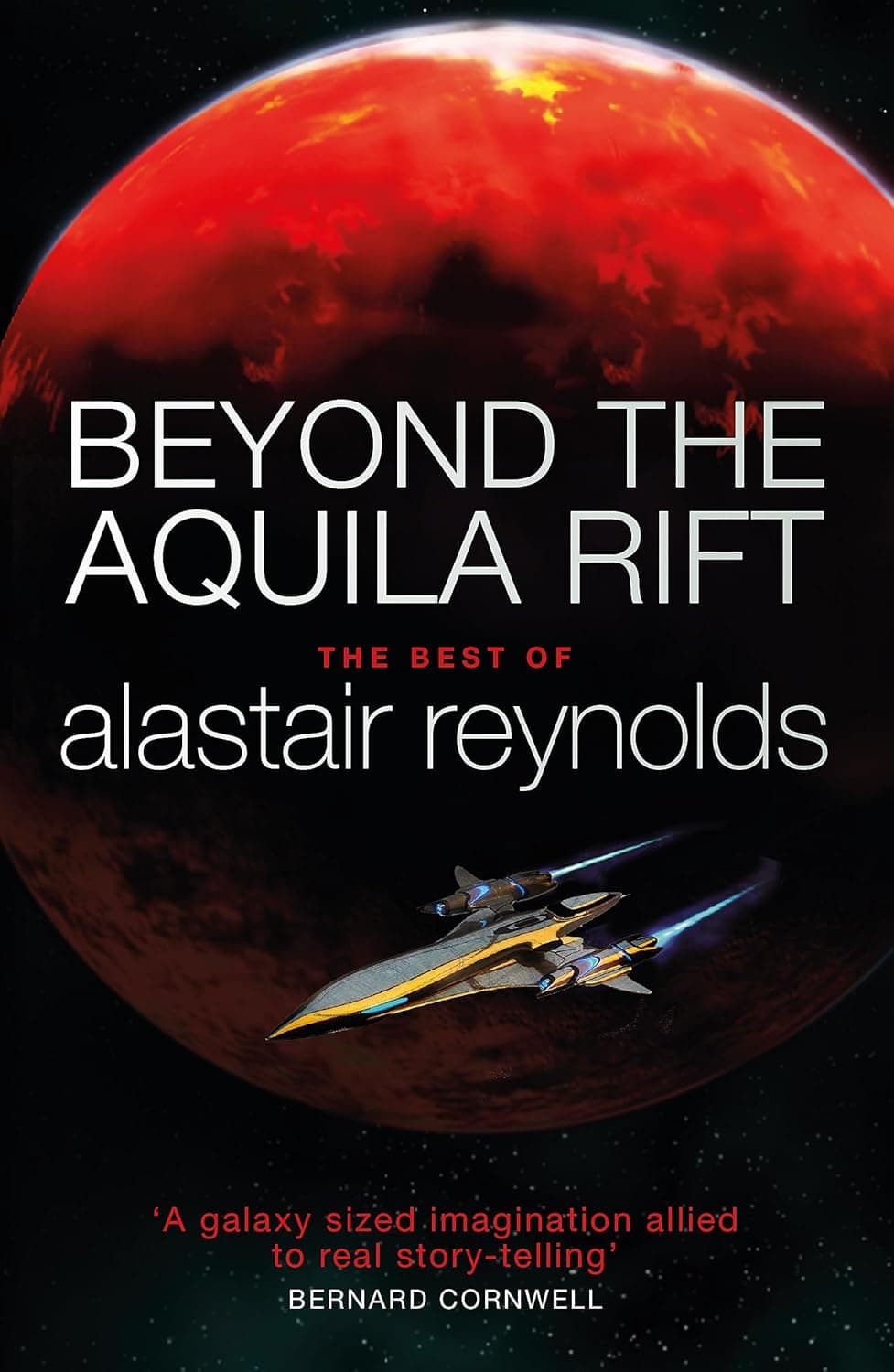
Should you read Beyond the Aquila Rift?
What works
Long novellas and short pieces show technology changing grief, distance, art, war, and identity rather than repeating one space-opera mode.
What may not work for you
The collection is very large, some stories overlap other volumes, and quality naturally varies across a career survey.
What may test your patience
Reading chronologically or straight through can make the volume feel more archival than curated; selecting by length or theme works better.
Does the ending reward the effort?
The collection's payoff is range rather than sequence, and the best stories remain distinct long after their mechanisms are understood.
Reading Beyond the Aquila Rift closely
Beyond the Aquila Rift is a large career-spanning selection edited by Jonathan Strahan and William Schafer. It gathers major Reynolds stories and novellas from Revelation Space, independent far futures, alternate histories, planetary adventures, machine civilizations, and cosmic horror.
The volume includes well-known pieces such as Zima Blue, Diamond Dogs, Troika, Thousandth Night, Great Wall of Mars, Weather, and the title story. Their lengths vary substantially, giving Reynolds room for both compact conceptual turns and novella-scale worlds with the density of short novels.
For newcomers, this is a broad demonstration of his range; for established readers, overlap with Galactic North, Zima Blue and Other Stories, and other collections is significant. Story notes add useful context about origins and connections. It is best treated as a curated library rather than one thematically unified sequence.
A best-of across multiple universes
Revelation Space stories sit beside entirely independent settings, and Thousandth Night shares roots with House of Suns. The arrangement emphasizes recurring interests such as deep time, machine minds, isolation, and bodily change without implying that every story belongs to one chronology.
Famous stories and screen adaptations
Zima Blue and Beyond the Aquila Rift became widely known through Love, Death & Robots, but the original prose versions differ in detail, rhythm, and emphasis. Reading them beside longer pieces shows that their impact is not dependent on adaptation.
Three useful comparisons
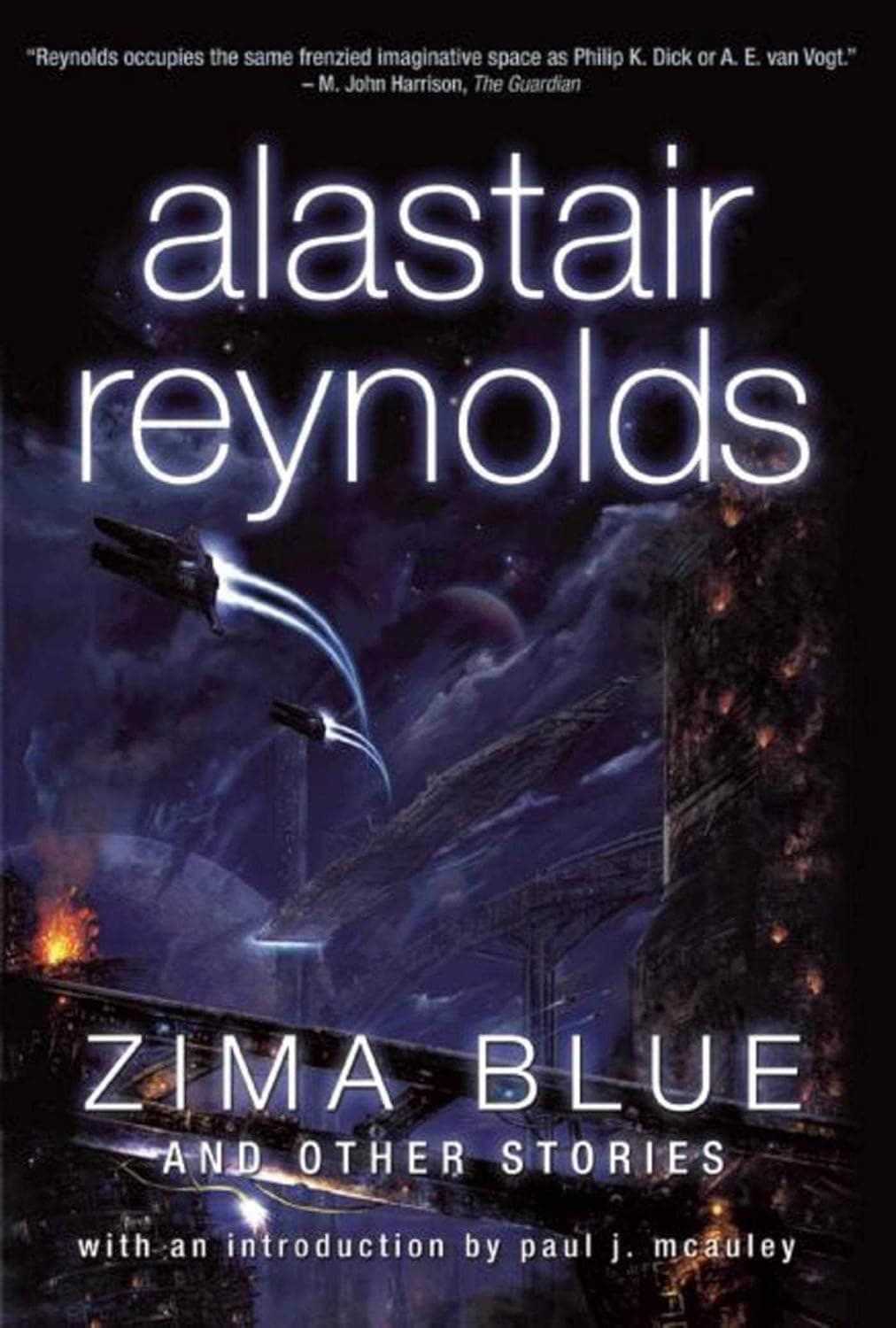
Zima Blue and Other Stories
Zima Blue is shorter and more consistently approachable, with several of the best-known stories.
Best for: New and established Reynolds readers wanting varied standalone short science fiction with both darkness and humanity.
As an Amazon Associate, I earn from qualifying purchases.
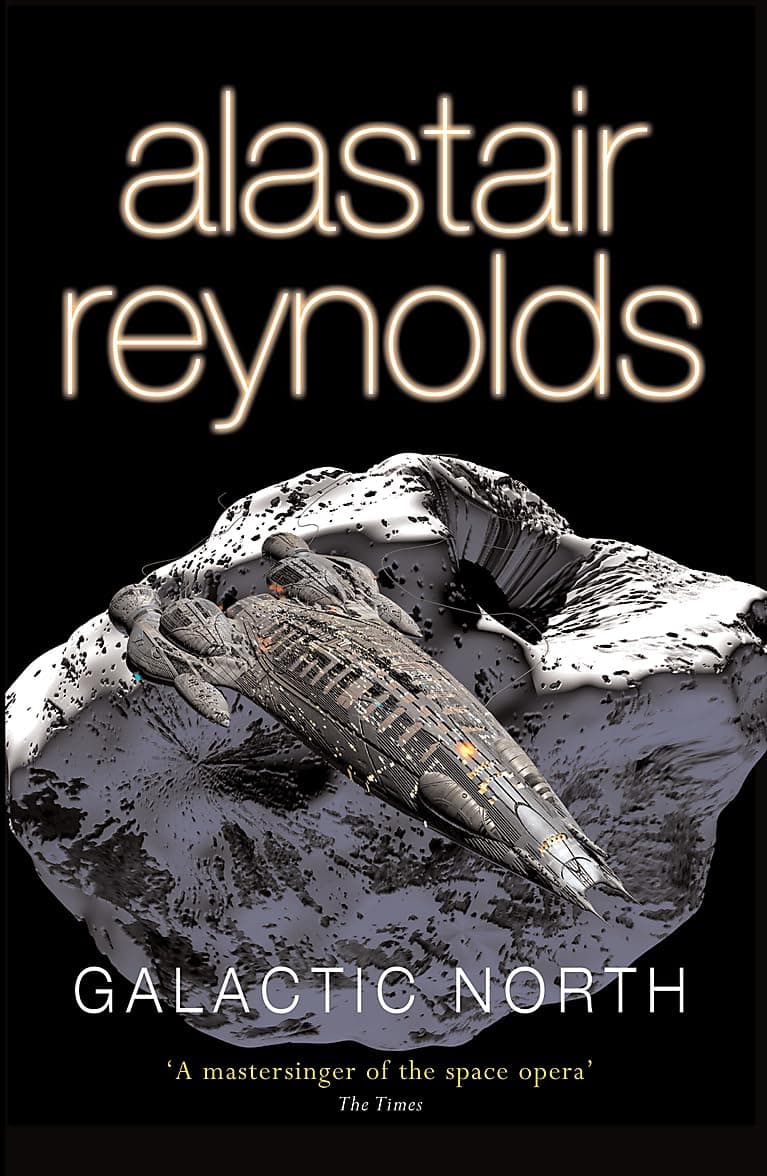
Galactic North
Galactic North is specifically for Revelation Space history and recurring characters.
Best for: Best for established Revelation Space fans who want essential short fiction, origin stories, horror, and the universe's widest chronology.
As an Amazon Associate, I earn from qualifying purchases.
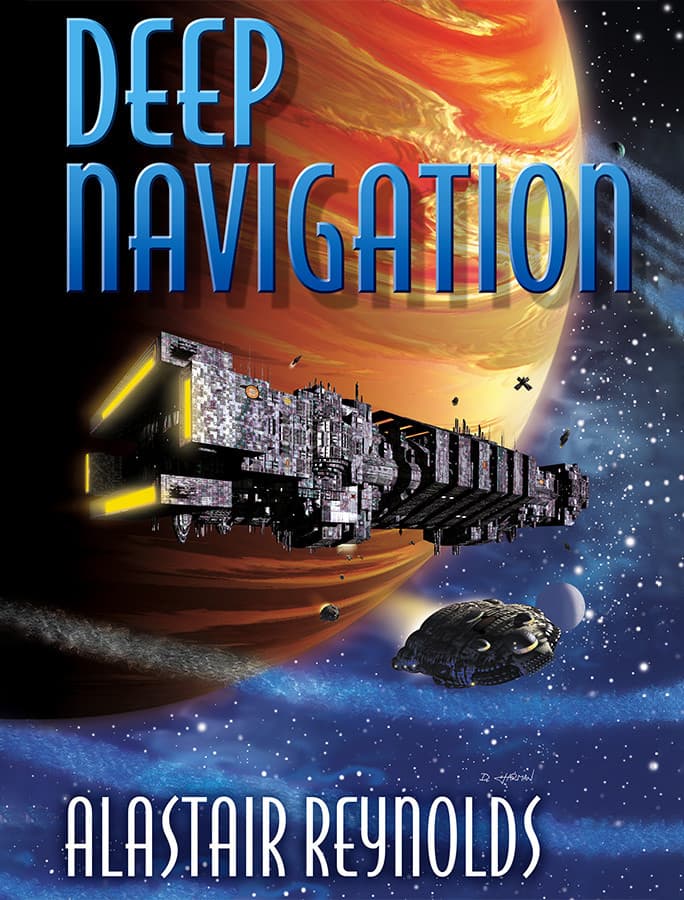
Deep Navigation
Deep Navigation emphasizes early and rarer work, making it more valuable to completists.
Best for: Best for established Reynolds fans curious about rare early fiction and how his technical and emotional range developed.
As an Amazon Associate, I earn from qualifying purchases.