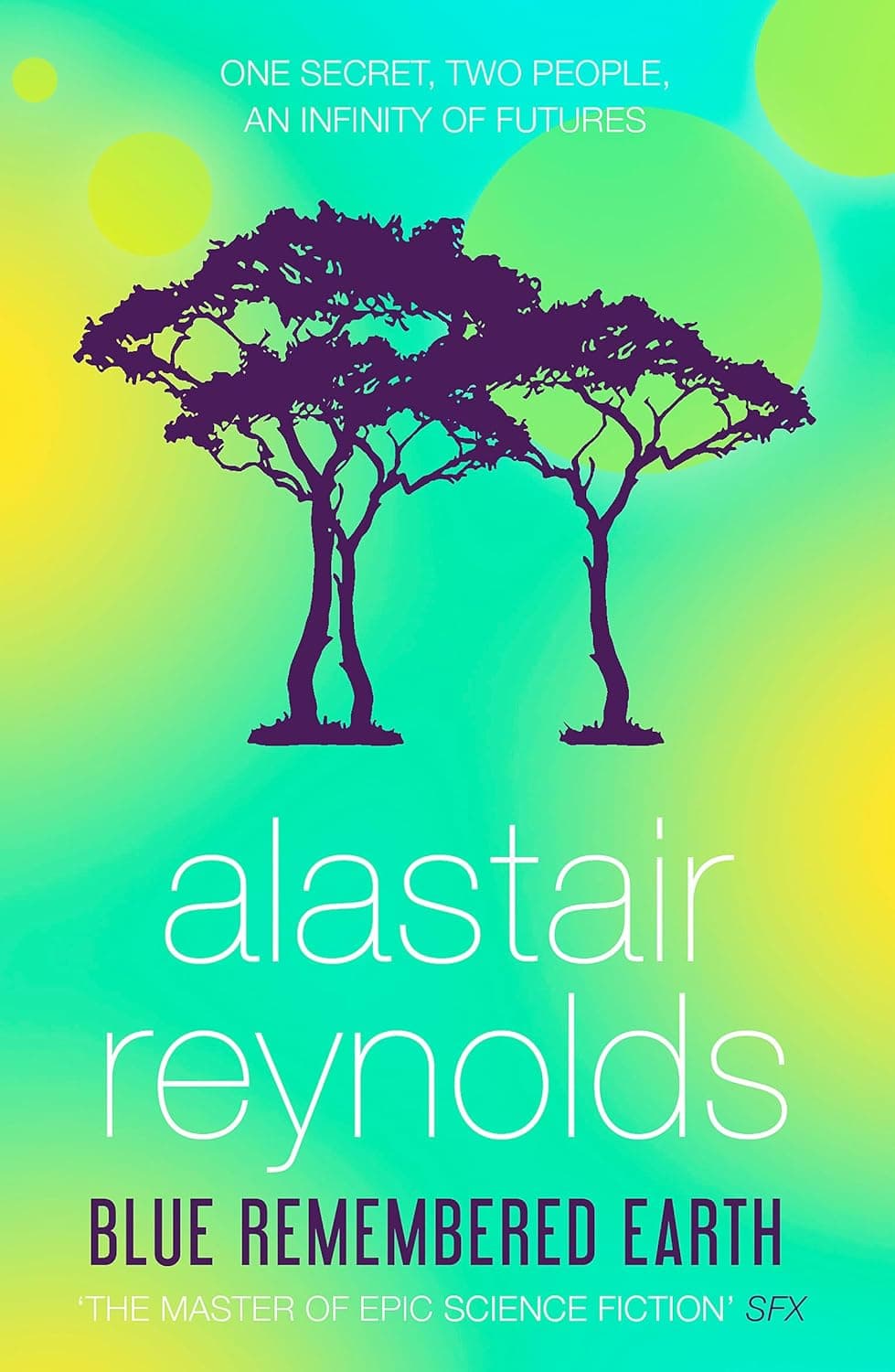
Should you read Blue Remembered Earth?
What works
Geoffrey's elephants, Sunday's art, Eunice's clues, and the Mechanism make family ambition collide with surveillance, privacy, and chosen purpose.
What may not work for you
The sibling trail is slow, corporate relatives are broad, and the final discovery is more setup than emotional culmination.
What may test your patience
Earth, Moon, family history, and surveillance systems receive extensive establishment before the clues produce urgent travel.
Does the ending reward the effort?
Yes as foundation. Eunice's secret changes the family's horizon, though the trilogy's real destination remains ahead.
Reading Blue Remembered Earth closely
Blue Remembered Earth begins in the twenty-second century, when Africa is prosperous, solar-system travel is established, and the Mechanism provides pervasive observation that has greatly reduced ordinary crime. Against that optimistic background, wealthy explorer and entrepreneur Eunice Akinya dies on the Moon.
Her grandchildren Geoffrey, who studies elephants in the Amboseli basin, and Sunday, an artist living within the Moon's less regulated communities, inherit a chain of clues. Their search takes them away from the roles chosen by the powerful Akinya family and toward a secret that changes the meaning of Eunice's ventures.
Reynolds deliberately writes a warmer near future than Revelation Space. The family mystery unfolds gradually through surveillance systems, robotics, habitats, and travel rather than apocalyptic threat. The pace is patient, but the optimism is not naive: privacy, corporate control, and the ability to choose one's own purpose remain contested.
An African-led and cautiously optimistic future
The novel imagines technological development without assuming that power remains centered in Europe or North America. Greater prosperity and safety solve real problems, yet the Mechanism's constant visibility creates new questions about consent, anonymity, and who can live outside accepted systems.
Geoffrey, Sunday, and Eunice's clues
Geoffrey's bond with elephants and Sunday's artistic independence place both siblings at the edge of family ambition. Following Eunice's trail becomes a way to learn whether their grandmother escaped that ambition or simply pursued it on a scale nobody else understood.
Pacing and trilogy expectations
This first Poseidon's Children novel is primarily a solar-system family mystery and foundation for a much longer future history. Readers expecting immediate interstellar war may find it slow; those interested in plausible infrastructure, elephants, and generational consequences have more to enjoy.
Three useful comparisons
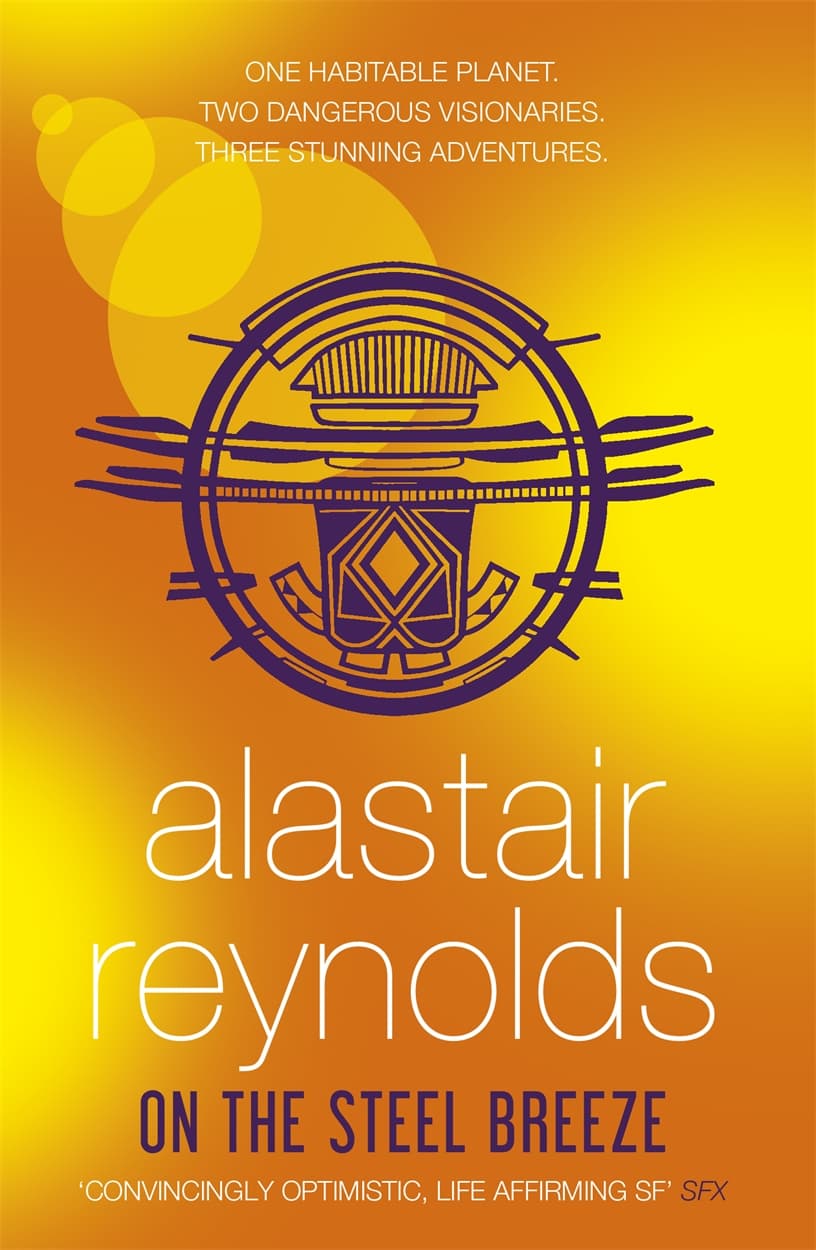
On the Steel Breeze
On the Steel Breeze advances the family history through generation ships, machine governance, and greater urgency.
Best for: Blue Remembered Earth readers wanting generation ships, artificial intelligence, identity copies, and higher-stakes space travel.
As an Amazon Associate, I earn from qualifying purchases.
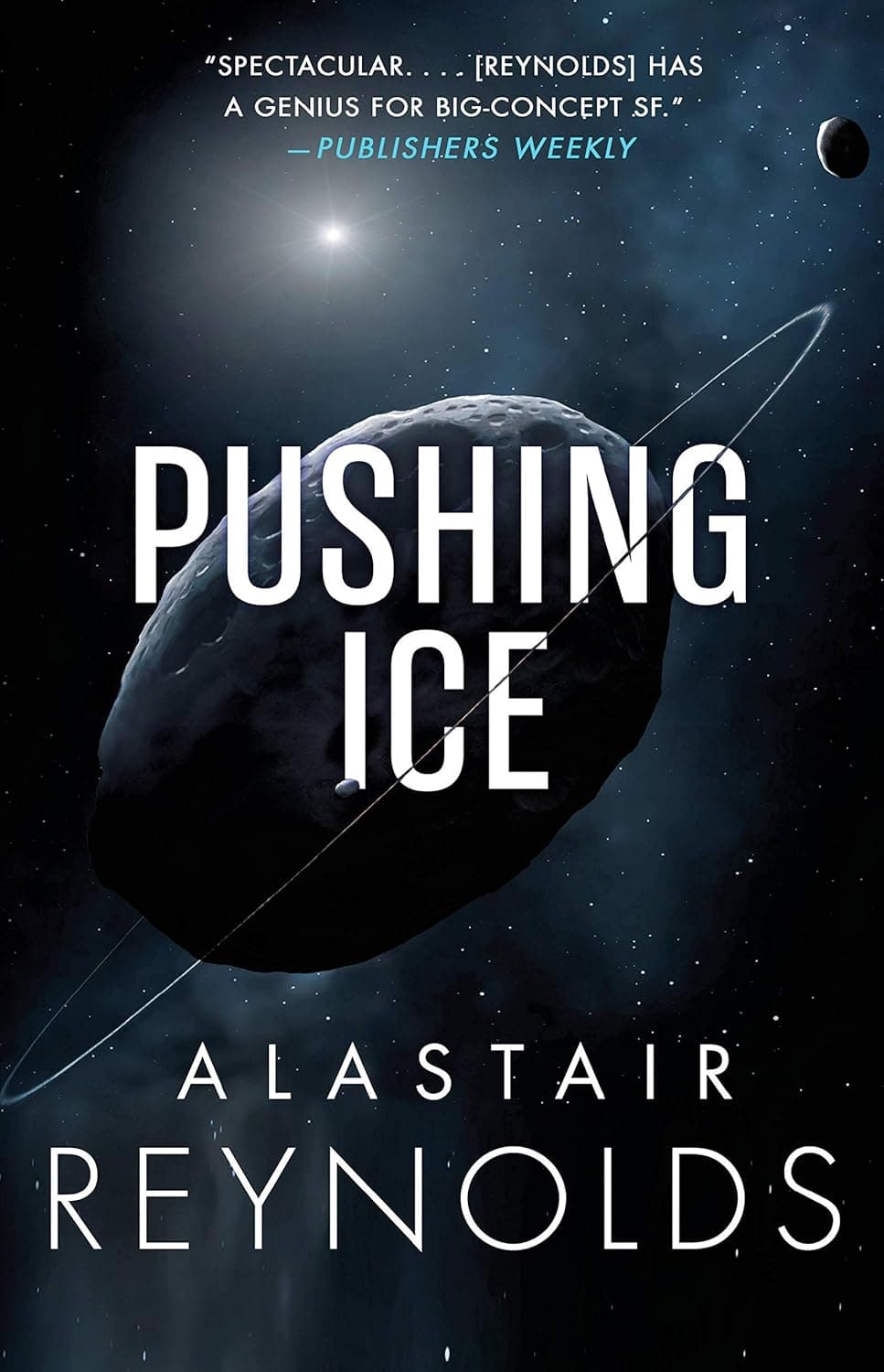
Pushing Ice
Pushing Ice is harsher and more immediate, with one mission becoming irreversible deep-time exile.
Best for: The draw is standalone hard SF with generation survival, first contact, cosmic scale, and abrasive human politics.
As an Amazon Associate, I earn from qualifying purchases.
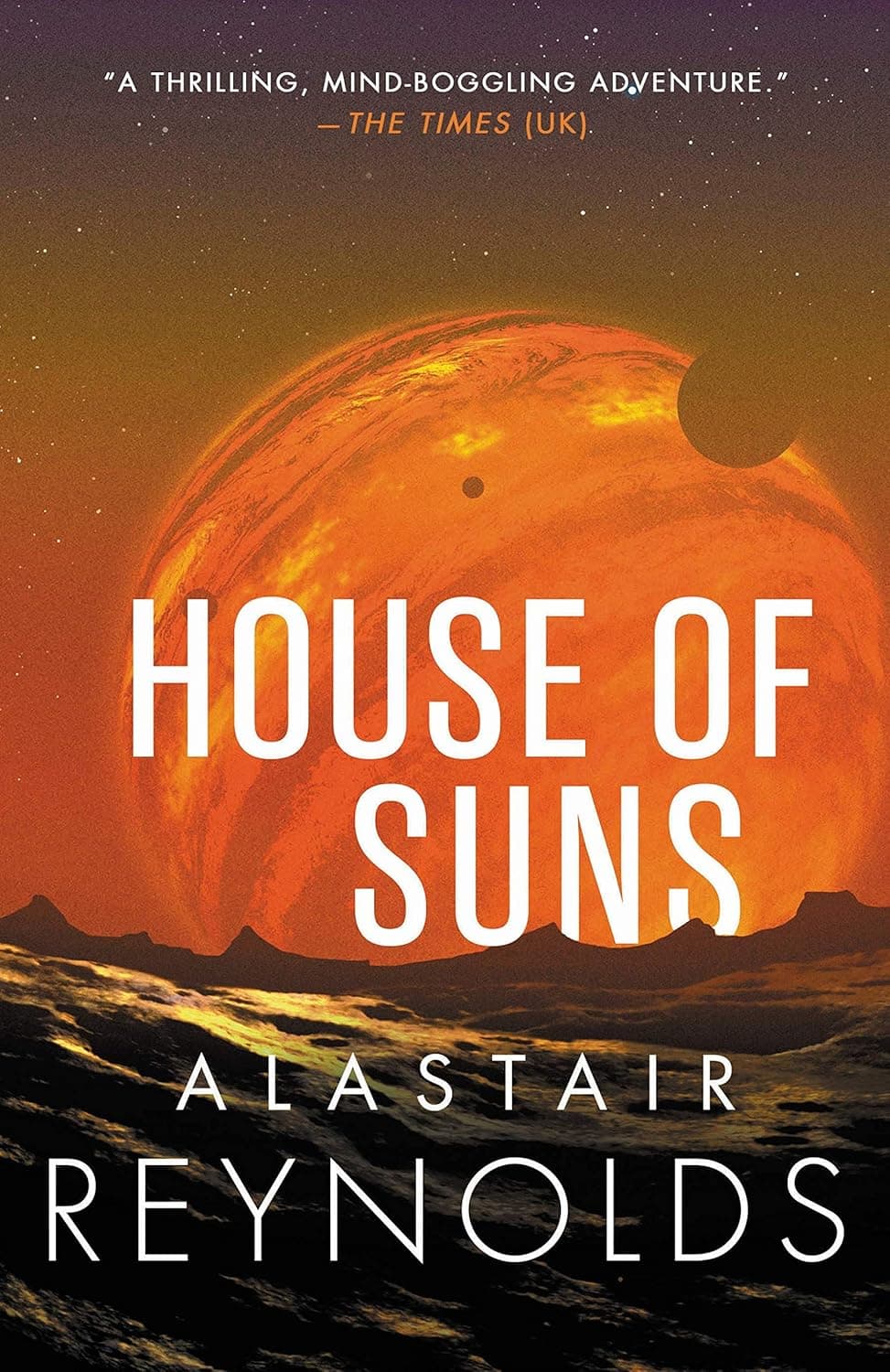
House of Suns
House of Suns offers a more complete standalone and far greater temporal scale.
Best for: Choose it for an accessible standalone epic with deep time, clones, machine people, romance, pursuit, and galactic mystery.
As an Amazon Associate, I earn from qualifying purchases.
Make the next decision