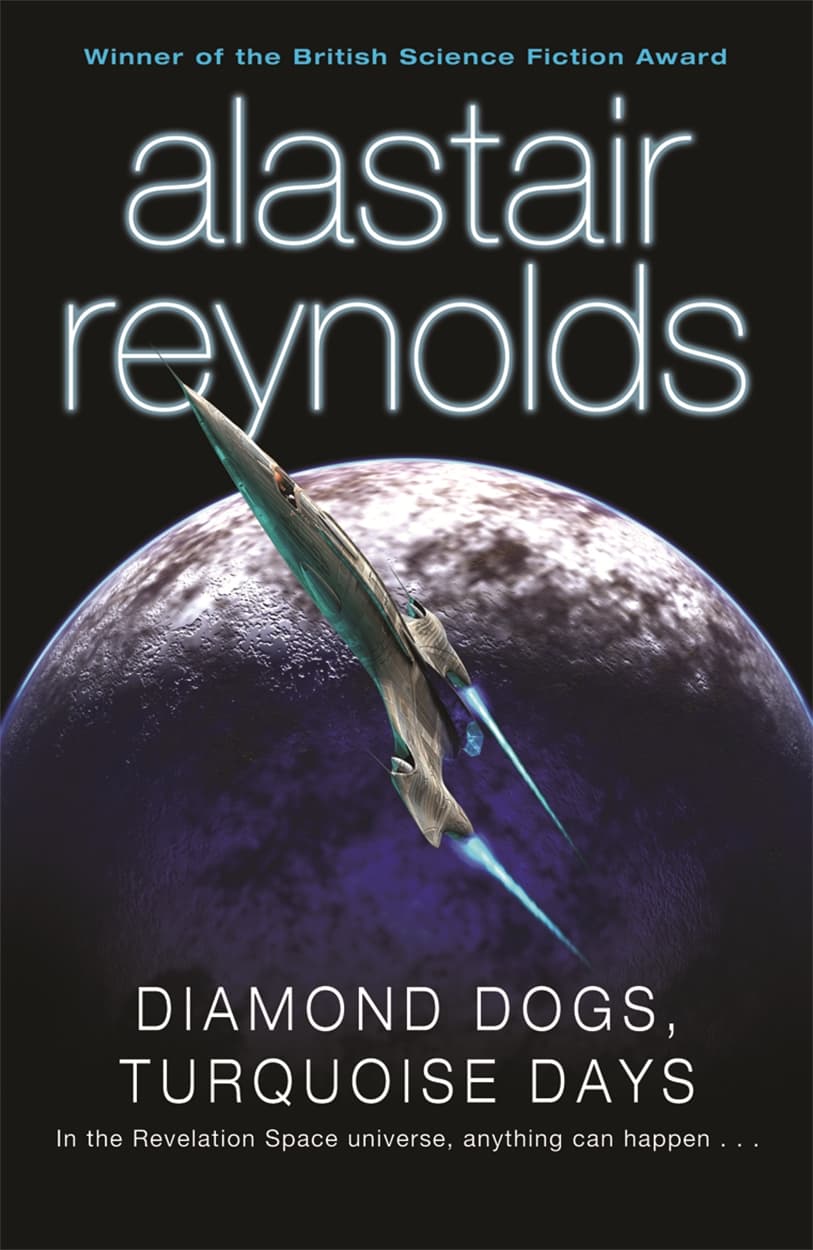
Should you read Diamond Dogs, Turquoise Days?
What works
The Blood Spire turns intellect into obsession and mutilation, while the Pattern Jugglers make memory an ecological and ethical relationship.
What may not work for you
Diamond Dogs pushes character decisions toward extremity for the premise, and Turquoise Days can feel comparatively subdued.
What may test your patience
The tonal reset between novellas asks readers to leave escalating claustrophobia for slower cultural and scientific reflection.
Does the ending reward the effort?
Both endings land: one exposes the hollowness of conquest, while the other protects ambiguity around stored consciousness.
Reading Diamond Dogs, Turquoise Days closely
Diamond Dogs, Turquoise Days contains two independent novellas set in the Revelation Space universe. Diamond Dogs follows Richard Swift when Roland Childe recruits him to investigate the Blood Spire, an alien tower whose increasingly difficult mathematical rooms punish incorrect answers with mutilation or death.
As the expedition advances, obsession transforms bodies and relationships. Medical modification lets the team meet new physical demands, but every improvement also makes retreat less imaginable. The tower becomes a brutal measure of what intelligent people will sacrifice when a mystery appears to promise meaning.
Turquoise Days changes mood and setting. Naqi Okpik studies the Pattern Jugglers, oceanic organisms able to absorb and preserve aspects of the minds that enter them. When off-world visitors threaten the planet's isolation, scientific study, grief, cultural identity, and the ethics of stored consciousness become inseparable.
The Blood Spire and the cost of solving
Diamond Dogs combines puzzle-box science fiction with explicit body horror. The frightening question is not only what waits at the top, but why the group repeatedly treats irreversible harm as acceptable evidence of commitment and intelligence.
Pattern Jugglers as memory and ecosystem
Turquoise Days treats alien contact as a long relationship with an environment rather than a single meeting. The Jugglers store minds without fitting human categories of archive, person, or god, making every attempt to use them ethically uncertain.
Length, tone, and reading order
Both novellas are compact but idea-dense. Diamond Dogs is harsher and more claustrophobic; Turquoise Days is more reflective and ecological. They can be read after Revelation Space or independently, though knowledge of Ultras and Pattern Jugglers gives their world extra depth.
Three useful comparisons
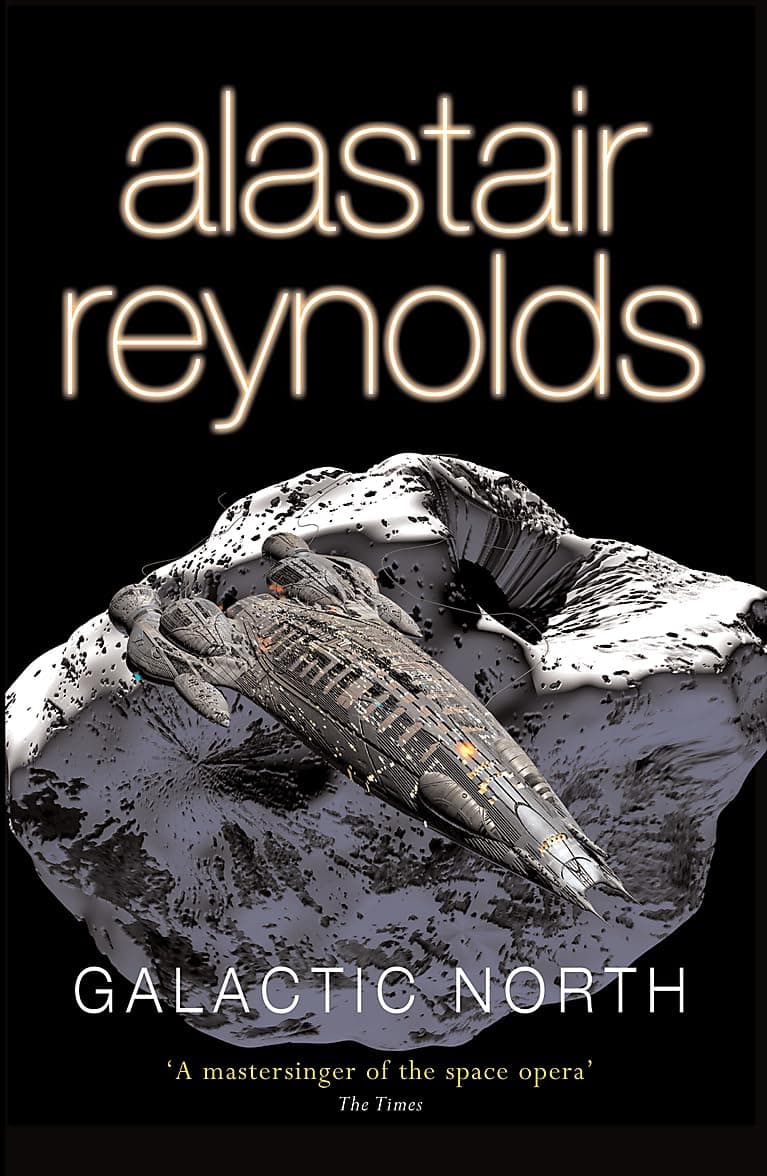
Galactic North
Galactic North offers more stories and broader history inside the same universe.
Best for: Best for established Revelation Space fans who want essential short fiction, origin stories, horror, and the universe's widest chronology.
As an Amazon Associate, I earn from qualifying purchases.
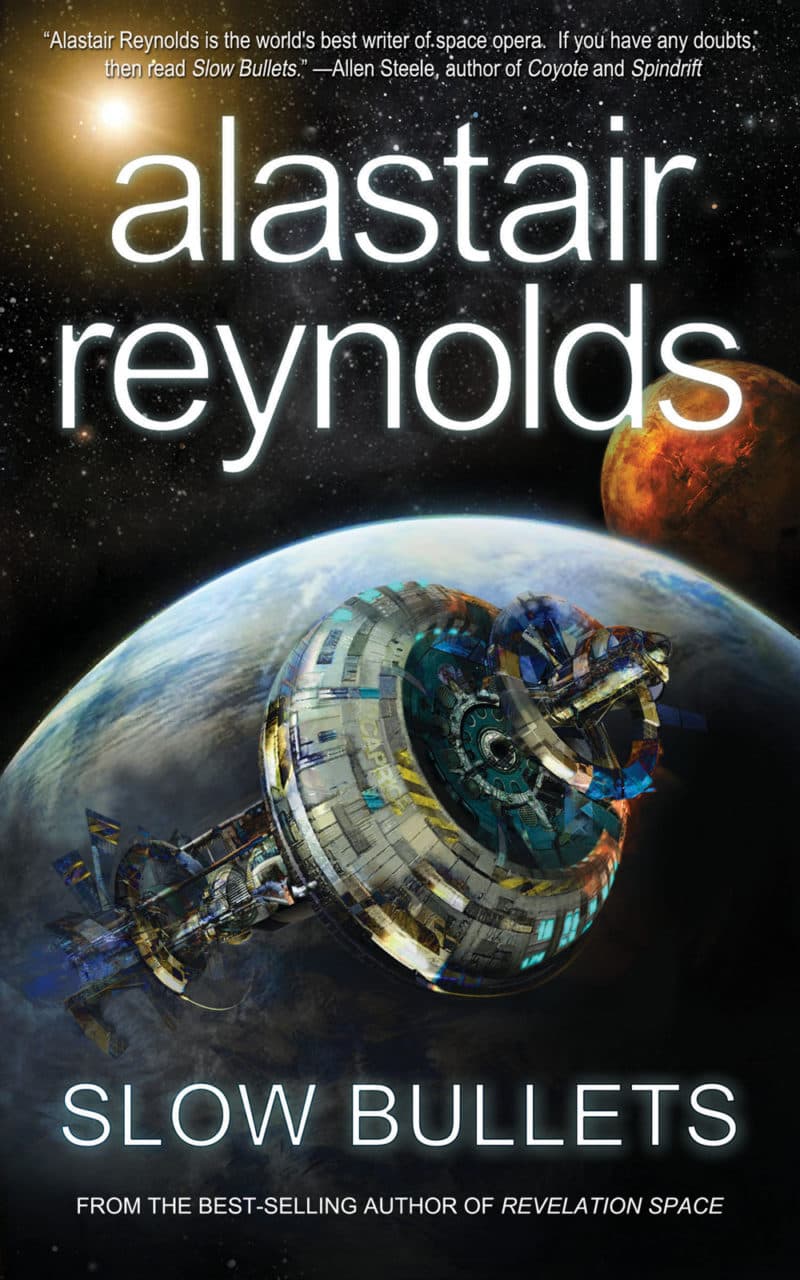
Slow Bullets
Slow Bullets is another compact Reynolds work, focused on memory, language, and a damaged generation ship.
Best for: A concise space opera about memory, generation survival, and war's aftermath, with no series commitment.
As an Amazon Associate, I earn from qualifying purchases.
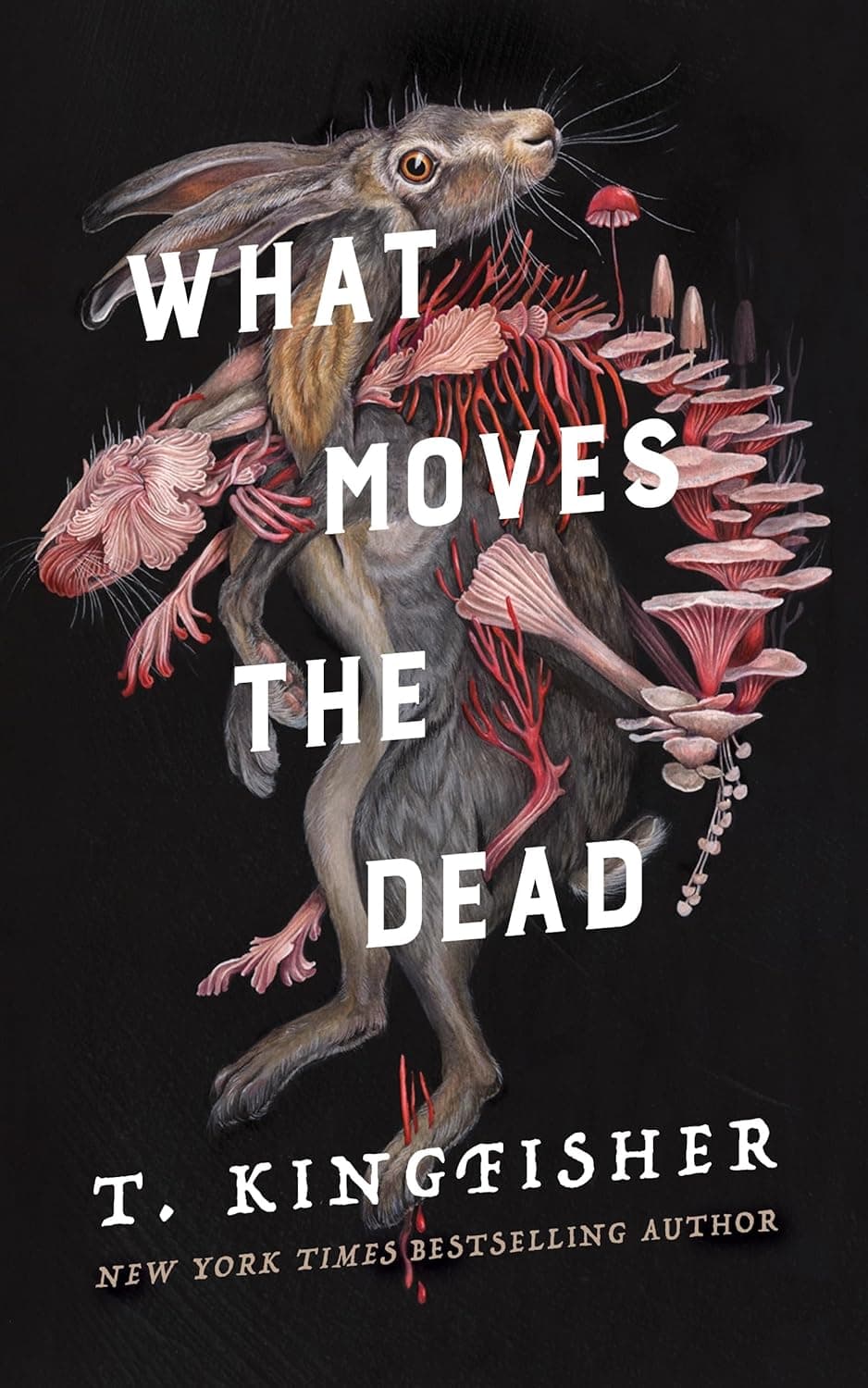
What Moves the Dead
What Moves the Dead gives body horror a shorter Gothic and biological mystery structure.
Best for: Best for anyone who wants a short Gothic retelling, fungal horror, body unease, and a practical narrator with flashes of dry humor.
As an Amazon Associate, I earn from qualifying purchases.
Make the next decision