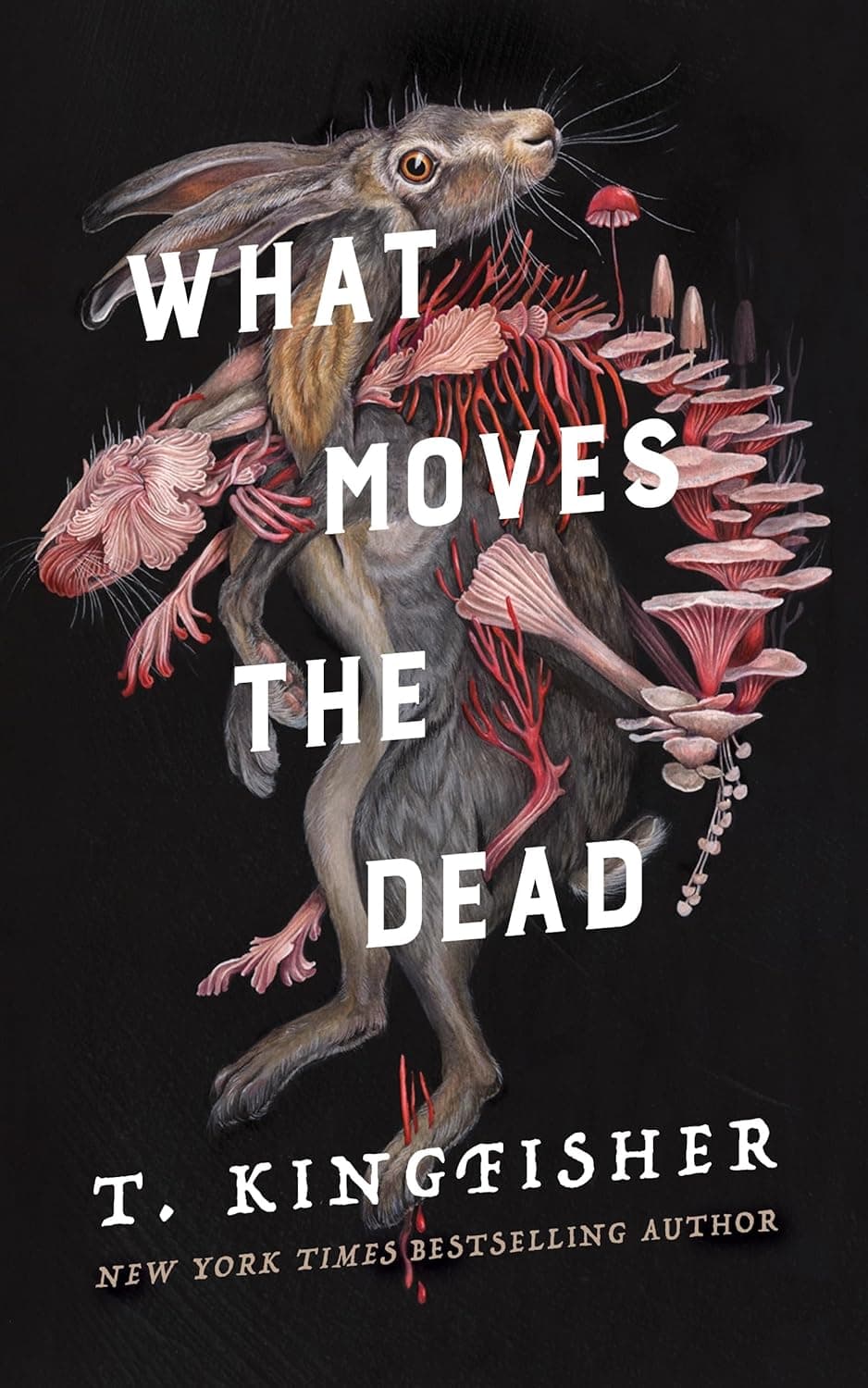
Should you read What Moves the Dead?
What works
The landscape behaves like evidence. Fungi, water, hares, and human illness repeat the same wrong patterns, allowing the mystery to emerge through observation instead of a late supernatural announcement.
What may not work for you
Explaining the haunting in material detail sacrifices some of Poe's uncertainty. The Gallacian customs and pronouns are interesting, but the novella spends more space establishing them than this particular plot ultimately uses.
What may test your patience
The middle investigation circles Madeline's symptoms and the behavior of the hares once more than necessary before Miss Potter's observations sharpen the direction of the mystery. The short length keeps this from becoming a serious drag.
Does the ending reward the effort?
Mostly. The explanation recasts earlier details in a satisfying way, although the physical confrontation is quicker and more conventional than the dread that precedes it.
Reading What Moves the Dead closely
What Moves the Dead sends retired Gallacian soldier Alex Easton to the ancestral home of childhood friends Madeline and Roderick Usher. Madeline is gravely ill, Roderick is unraveling, and the estate seems biologically wrong: hares move in disturbing patterns, fungi spread everywhere, and the lake reflects nothing reassuring.
The novella reworks Edgar Allan Poe's The Fall of the House of Usher without depending on surprise about the family's fate. Kingfisher expands the original's atmosphere through mycology and an outsider narrator who responds to Gothic excess with military practicality, dry humor, and growing alarm.
Its short length keeps the investigation moving, though readers looking for a slow, ambiguous haunting may find the eventual explanation unusually concrete. The horror comes from collapsing boundaries between organism, environment, and individual will. It is a clever, unsettling entry point for readers curious about fungal and body horror.
Poe retold through natural history
Miss Potter, an enthusiastic British mycologist, helps turn the landscape into evidence. Mushrooms and wildlife are not decorative signs of decay; their structures raise questions about communication, control, and what counts as one living thing.
Alex Easton as a practical witness
Easton's experience as a soldier makes danger recognizable without making it manageable. Gallacian language and ka/kan pronouns add texture to the narrator's identity while conversations with Angus and Miss Potter give the bleak house moments of humane wit.
Three useful comparisons
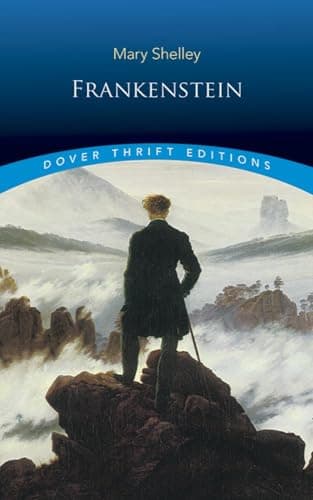
Frankenstein
Frankenstein is longer, more philosophical, and more interested in responsibility between creator and created life. Choose it for layered narration and moral argument; choose What Moves the Dead for a fast biological mystery.
Best for: Readers interested in responsibility, isolation, unreliable self-justification, and Gothic philosophy more than conventional horror.
As an Amazon Associate, I earn from qualifying purchases.
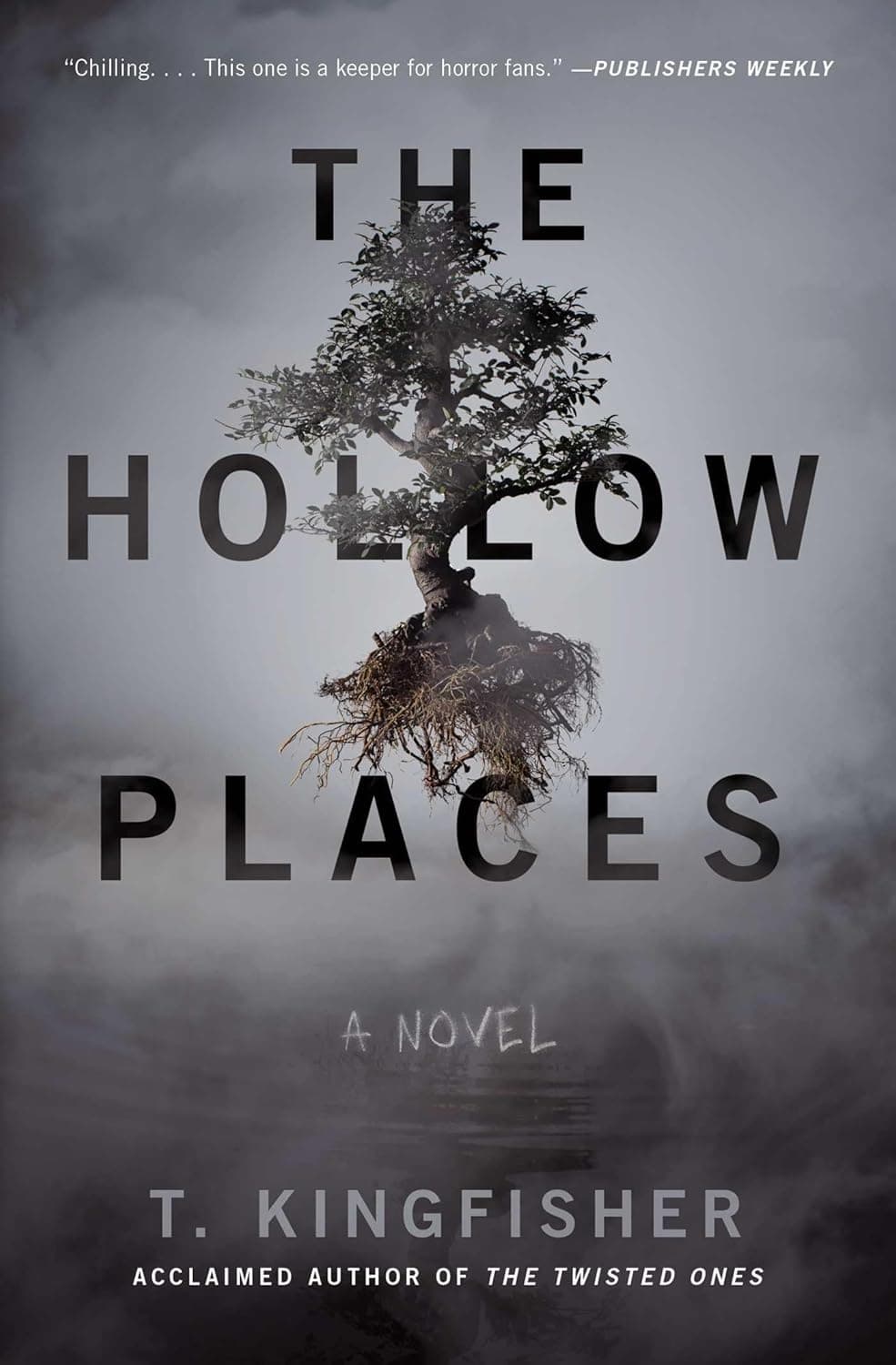
The Hollow Places
The Hollow Places gives Kingfisher more room for banter, friendship, and escalating portal horror. Choose it for a contemporary setting and sustained uncanny exploration rather than a compact literary retelling.
Best for: Readers new to cosmic horror who want impossible spaces, body unease, friendship, and relief from unbroken bleakness.
As an Amazon Associate, I earn from qualifying purchases.
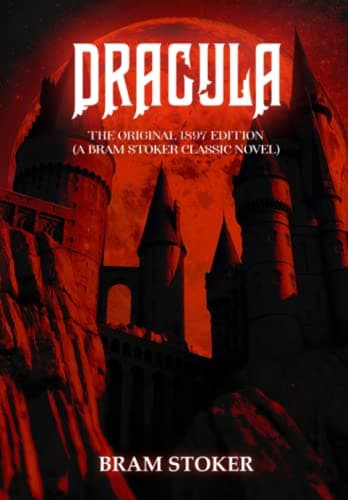
Dracula
Dracula builds its Gothic threat through diaries, letters, and a broad group of witnesses. It is slower and less explanatory, making it the better choice if you want accumulating suspense and uncertainty instead of a concise revealed mechanism.
Best for: Readers willing to accept Victorian pacing for Gothic atmosphere, epistolary suspense, and the source of countless vampire conventions.
As an Amazon Associate, I earn from qualifying purchases.
Make the next decision