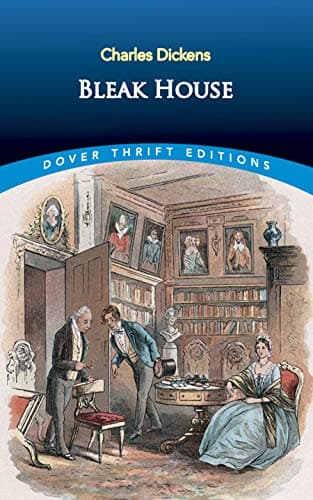
Should you read Bleak House?
What works
Esther's intimate narration and the present-tense panoramic voice reveal different truths about Chancery, while the mystery gives institutional criticism a human cost.
What may not work for you
The cast is enormous, Esther's self-effacement can frustrate, and coincidences connect London with almost supernatural completeness.
What may test your patience
Early movement among Jarndyce parties, lawyers, aristocrats, and strangers is difficult before names and hidden relationships begin to repeat.
Does the ending reward the effort?
Yes. The legal, familial, and investigative lines converge with both emotional reward and a refusal to make the institution capable of justice.
Reading Bleak House closely
Bleak House begins in the fog surrounding the Court of Chancery, where the inheritance suit Jarndyce and Jarndyce has consumed money, attention, and generations of hope. Esther Summerson enters this world as a companion to Ada Clare, one of the young people whose future appears tied to the case, and gradually confronts mysteries surrounding her own birth.
Dickens alternates Esther's intimate first-person account with an unnamed present-tense narrator who moves across London. The two voices create unusual range: Esther notices care, embarrassment, and domestic relationships, while the broader narrator exposes institutions, fashion, philanthropy, disease, policing, and neglect as parts of one connected social system.
The early chapters introduce many people before their relationships are visible, making this one of Dickens's more demanding novels. The reward is an intricate combination of legal satire, family secret, detective story, and urban panorama. Coincidences remain abundant, but here they reinforce the central idea that lives separated by class are materially linked.
Chancery as a machine of delay
The court does not need a single villain because its procedures, fees, and traditions sustain harm on their own. Jarndyce and Jarndyce becomes both a plot engine and a warning about allowing the promise of future wealth to replace an actual life.
Two narrators, two kinds of knowledge
Esther's modest voice can understate her own importance and pain, so readers must notice what she avoids claiming. The omniscient sections are sharper and more experimental, turning fog, mud, paperwork, and disease into evidence of social relationships that comfortable characters prefer not to see.
Three useful comparisons
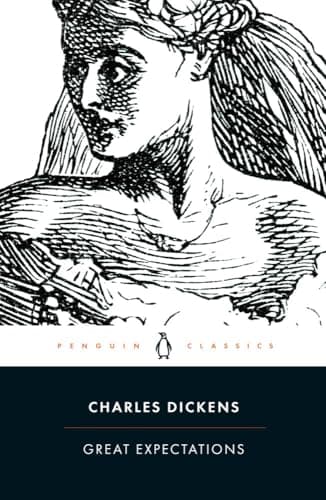
Great Expectations
Great Expectations is shorter and easier, with one narrator and a tighter class-and-identity plot.
Best for: An accessible Dickens novel about class, guilt, love, money, and a narrator learning to read his own past.
As an Amazon Associate, I earn from qualifying purchases.

The Trial
The Trial turns inaccessible law into a shorter, stranger nightmare without Dickens's social abundance or explanation.
Best for: Choose it if an unfinished, darkly funny legal nightmare can hold your attention even when every promised answer becomes another appointment.
As an Amazon Associate, I earn from qualifying purchases.
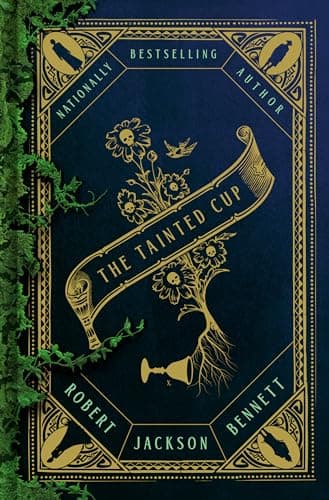
The Tainted Cup
The Tainted Cup offers a much faster institutional mystery whose clues are governed by explicit fantasy biology.
Best for: Mystery readers who want a fair trail of clues and fantasy readers who enjoy learning a world through an investigation.
As an Amazon Associate, I earn from qualifying purchases.