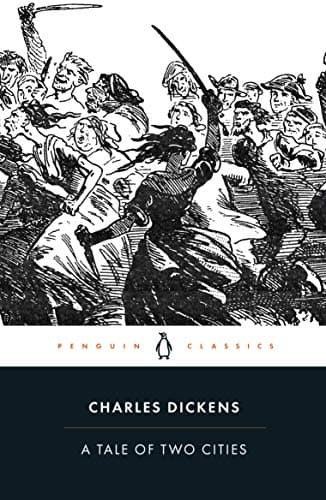
Should you read A Tale of Two Cities?
What works
London and Paris, resurrection, resemblance, imprisonment, and vengeance repeat in altered forms until private lives and revolution become inseparable.
What may not work for you
Lucie is idealized, historical crowds can become a single threatening force, and the opening's secrecy makes relationships difficult to enter.
What may test your patience
Book One and the early English chapters withhold motives and connections before the French trial gives the story a firm dramatic center.
Does the ending reward the effort?
Completely. The conclusion pays the novel's doubles and resurrection imagery with clarity, emotion, and real cost.
Reading A Tale of Two Cities closely
A Tale of Two Cities moves between London and Paris in the years surrounding the French Revolution. Lucie Manette's reunion with her long-imprisoned father creates the emotional center, while Charles Darnay's rejected inheritance and Sydney Carton's wasted ability establish the doubles and divided identities that shape the novel.
Dickens writes history as pressure felt inside homes, courtrooms, prisons, and streets. The French aristocracy's cruelty makes revolt understandable, yet the revolutionary crowd can reproduce the dehumanization it opposes. That balance gives the novel moral urgency without turning either nation into a simple symbol of virtue or evil.
The opening chapters require patience because several relationships and mysteries are introduced before their importance becomes clear. Once the Paris plot accelerates, the short chapters, recurring images, and tightening danger produce some of Dickens's strongest suspense. The conclusion is famous, but its power comes from the careful development of character rather than surprise alone.
Revolution seen through private lives
Rather than offering a complete political history, Dickens follows people whose families, names, and obligations cross national boundaries. Hunger, legal power, vengeance, and fear become personal forces, allowing the scale of revolution to remain emotionally legible.
Doubles, memory, and resurrection
Darnay and Carton resemble one another physically but respond differently to privilege, love, and responsibility. Dr. Manette's return from imprisonment adds another form of resurrection, while his recurring trauma prevents recovery from feeling easy or sentimental.
Three useful comparisons
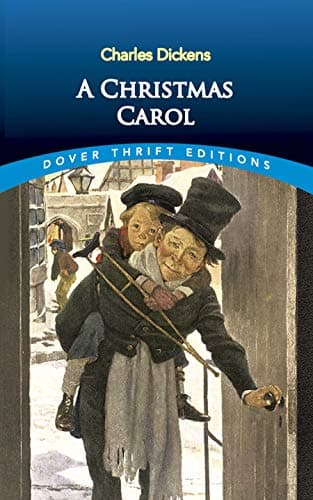
A Christmas Carol
A Christmas Carol is shorter, funnier, and more direct about personal redemption and social responsibility.
Best for: Newcomers to Dickens, families comfortable with ghostly imagery, and rereaders who want more social anger than most adaptations preserve.
As an Amazon Associate, I earn from qualifying purchases.
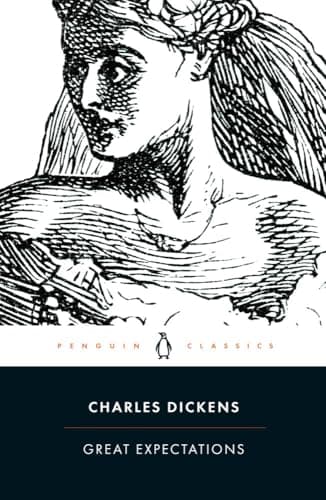
Great Expectations
Great Expectations offers a more intimate first-person reckoning with class and shame.
Best for: An accessible Dickens novel about class, guilt, love, money, and a narrator learning to read his own past.
As an Amazon Associate, I earn from qualifying purchases.
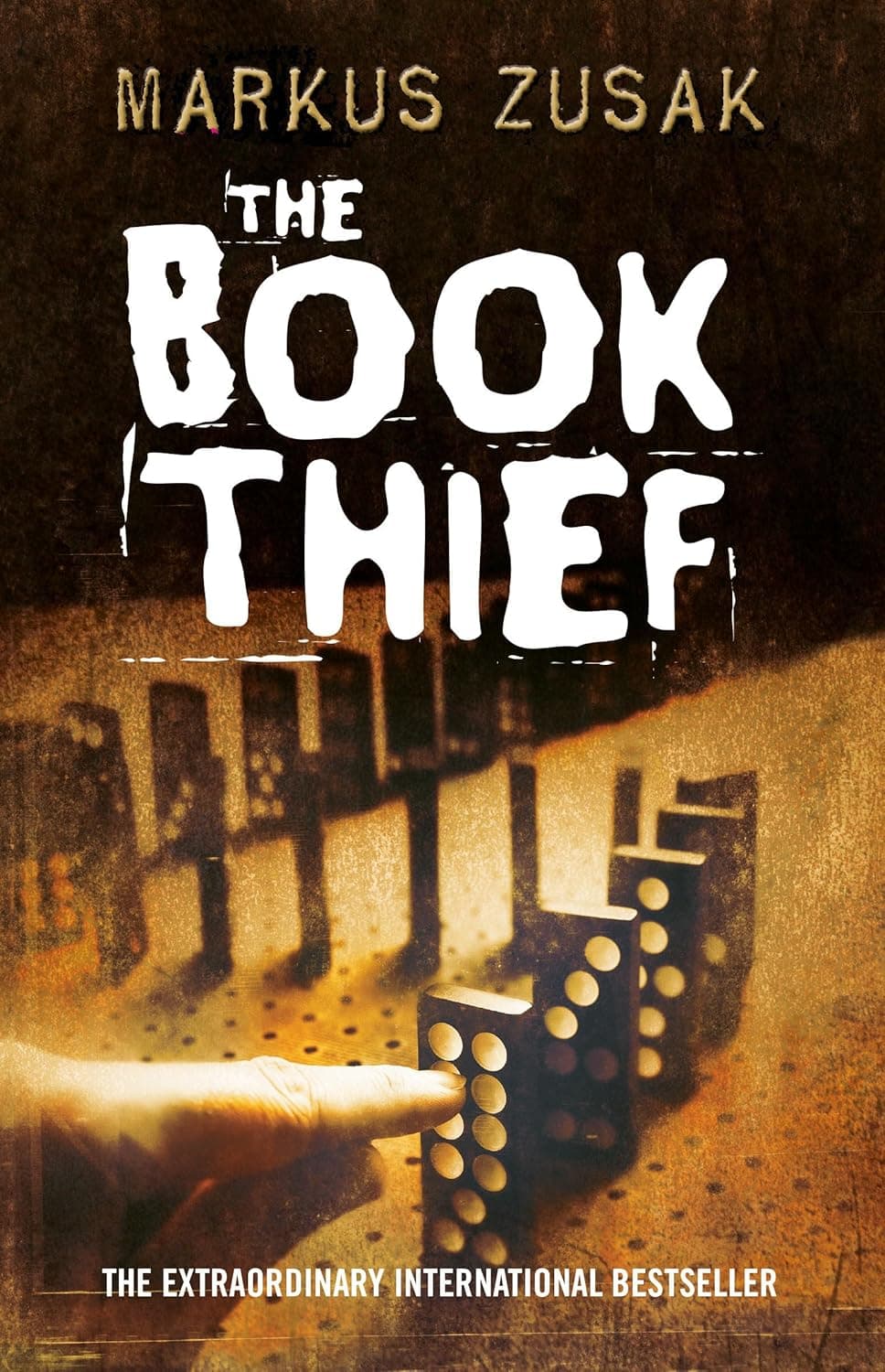
The Book Thief
The Book Thief approaches historical violence through a child's reading life and more openly lyrical sentiment.
Best for: Best for older teens and adults who want a slow, lyrical wartime novel about a foster family, the uses of language, and the cost of small acts of decency.
As an Amazon Associate, I earn from qualifying purchases.