Halloween reading
11 Books to Read for Halloween: From Atmospheric to Truly Scary
A haunted hotel, a doorway behind a museum wall, or a circus glowing after dark: eleven books with different kinds of October atmosphere and unease.

Quick picks
Six kinds of Halloween reading
- The Shining: a haunted hotel and a family crisis, with high psychological and supernatural scares.
- What Moves the Dead: a short Gothic investigation built around fungi, illness and bodily unease.
- Dracula: vampire dread assembled from diaries, letters and partial discoveries.
- The Night Circus: nocturnal magic and romantic mystery, with little outright terror.
- Nettle & Bone: a dark rescue quest, macabre companions and humane humor.
- The Talisman: a long supernatural journey through dangerous parallel worlds.
The Shining gives its family pressures and haunting a long buildup. What Moves the Dead concentrates its investigation into a shorter story, though fungal and body horror can make it intense. The Night Circus has the gentlest atmosphere here, with magic and yearning carrying more weight than sustained terror.
Halloween reading can mean wanting the house to feel less safe, or wanting somewhere beautiful and strange to spend an evening. Those are different pleasures. A book full of ghosts, bones, or magic is not automatically frightening, and a cheerful narrator can lead you into very unpleasant territory.
Start with the horror novels for the strongest scares, the classics for a slower Gothic chill, or the fantasy choices for wonder alongside the danger. Dead Beat is for returning Dresden Files readers, and the two Talisman sequels are follow-ups rather than starting points. Scare levels compare these books; they are not age ratings or a guarantee of how frightened you will feel. A brief book can still be the most disturbing choice.
Eleven different October nights
Eleven books, from haunted rooms to dangerous journeys
The settings and sources of unease differ. The notes retain the content warnings and earlier-reading context that affect each experience.
If you want to be genuinely scared
These books make familiar shelter unreliable. King traps a family with its history; Kingfisher turns a museum, a cleanup job, and a friend's sickroom into places where ordinary explanations stop helping.
1
The Shining
Stephen King | High scare | Psychological and supernatural horror
The Overlook Hotel is frightening because it knows how to work on people. A winter caretaking job isolates Jack, Wendy, and Danny Torrance, but addiction, resentment, and the fear of a parent becoming dangerous are already inside the family. King gives those pressures time to develop before the haunting tightens its grip. The dread comes from watching ordinary excuses become less ordinary, with a child noticing what the adults struggle to face.
The deliberate opening gives addiction, resentment and family fear room to gather before the haunting tightens. Domestic abuse, addiction and danger to a child remain central to the horror. No earlier King reading is needed.
2
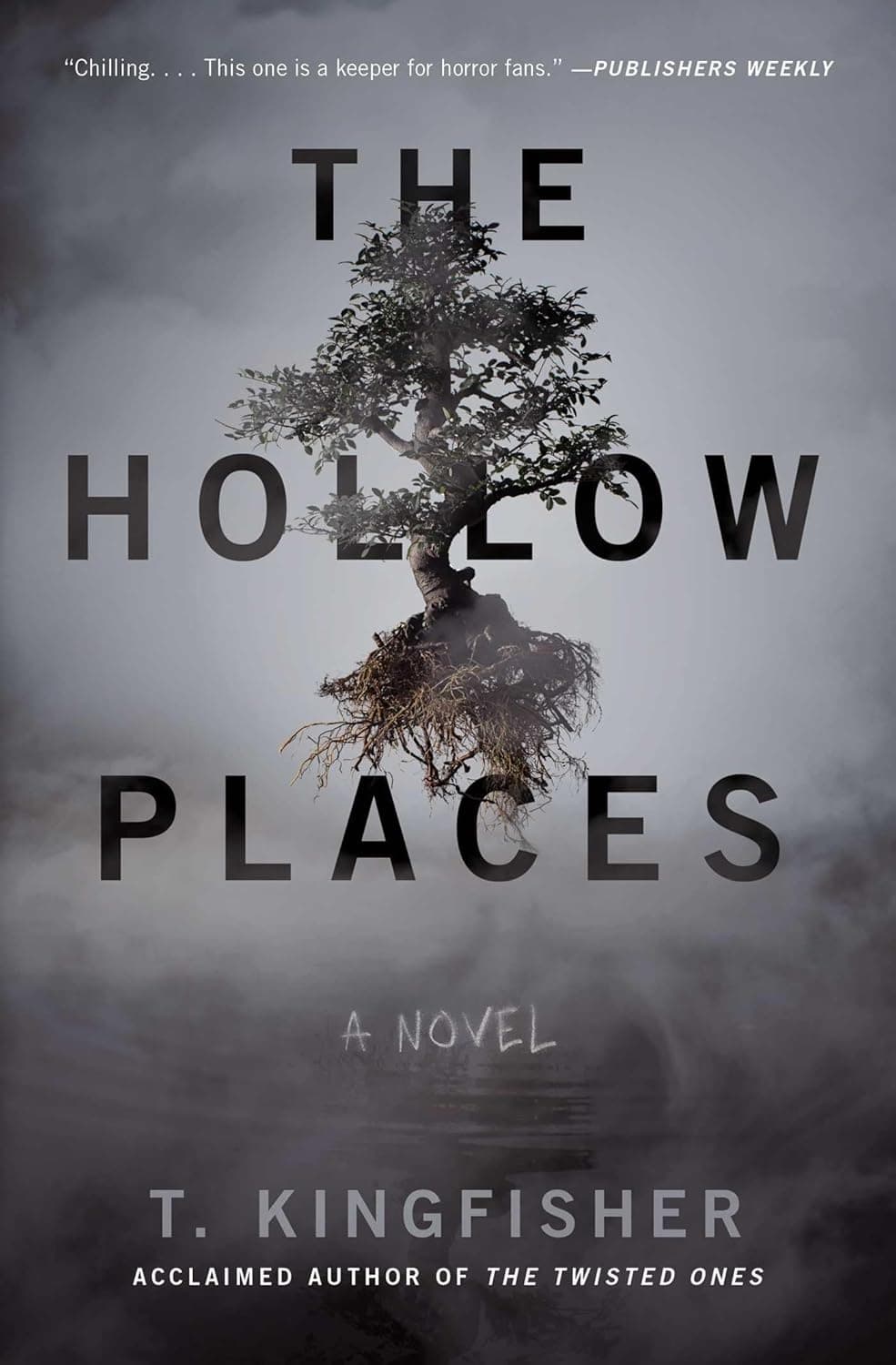
The Hollow Places
T. Kingfisher | High scare with comic relief | Cosmic horror
A hole in an oddities museum opens onto willows, islands, and concrete bunkers that should have no place behind its wall. Here, a doorway can leave you exposed rather than get you out, and an apparently empty landscape may be paying attention. Kara's conversational narration and her friendship with Simon keep you invested in the people as well as the strange place. Their jokes make the fear bearable without making the creatures safe.
The museum setup takes time, and the banter sometimes loosens the tension. Companionship gives the exploration warmth, but distorted bodies and unseen threats keep it firmly in horror. It stands alone.
3
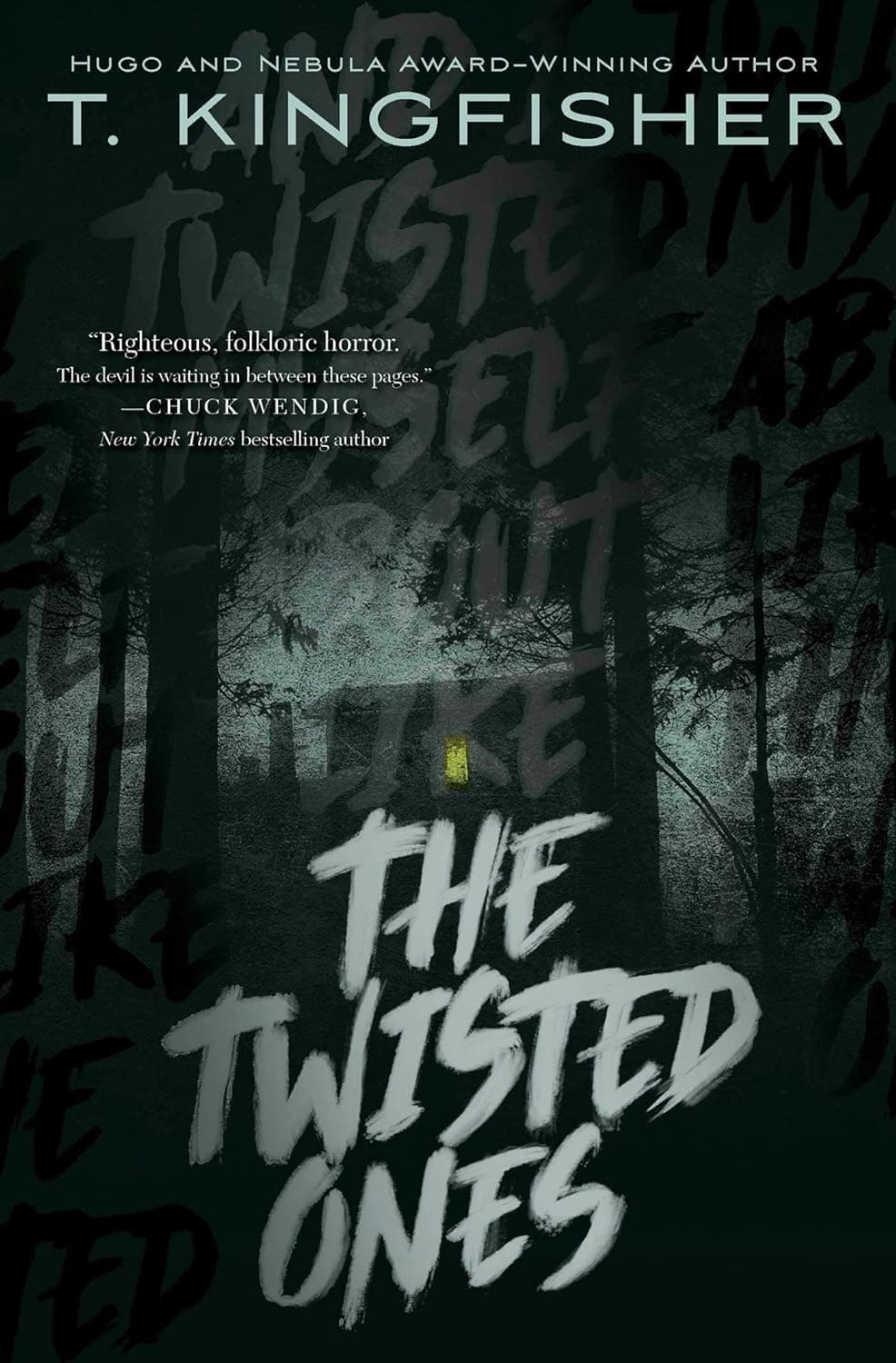
The Twisted Ones
T. Kingfisher | High scare with comic relief | Rural folk horror
Mouse arrives at her late grandmother's North Carolina house to sort out a hoard, with her dog Bongo for company. A journal should be one more object to clear away. Instead, its impossible descriptions begin to match what she sees outside. The domestic exhaustion matters: by the time the woods become wrong, the ordinary job has already worn her down. Repeated phrases and disturbing figures make the countryside feel governed by rules she has stumbled into.
The house-clearing work gives the opening an exhausted, domestic rhythm before the rural folklore takes hold. Concern for Bongo's safety is part of the suspense. This is a separate standalone, not a sequel to The Hollow Places.
4
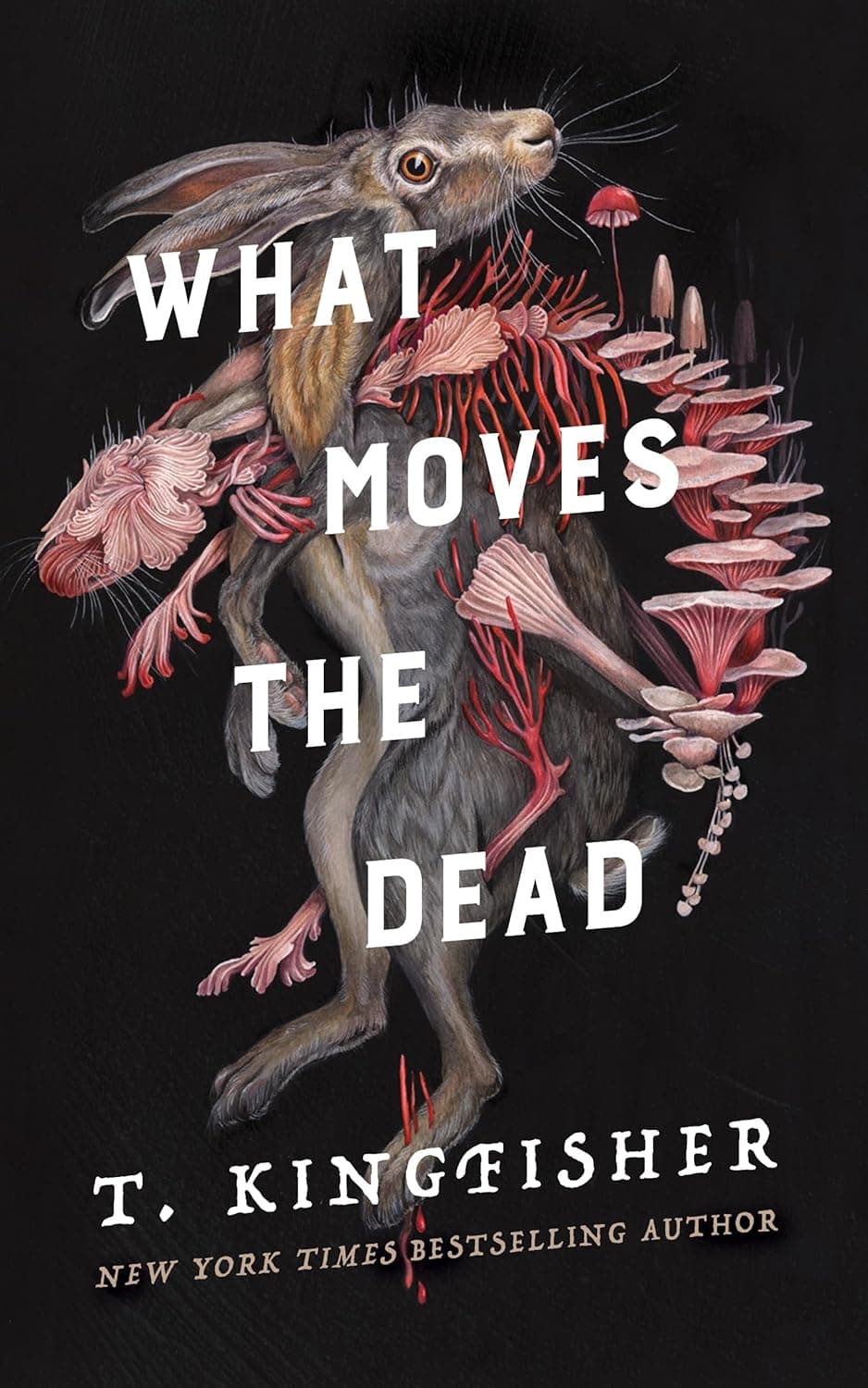
What Moves the Dead
T. Kingfisher | Moderate to high scare | Short Gothic body horror
Retired soldier Alex Easton visits the decaying Usher estate to find a sick friend and a landscape that seems to share the illness. Fungi, water, and strangely behaving hares become clues in a compact reworking of Poe's The Fall of the House of Usher. Easton meets all this rot with dry humor and a soldier's common sense, until staying calm gets harder. The fungal horror is especially unsettling if the thought of something taking over your body bothers you.
Fungal imagery, disturbing animals and body horror give the short investigation its force. Kingfisher explains more than Poe, so the experience is closer to solving a case than inhabiting an unresolved haunting. It starts the Sworn Soldier series, but neither Poe nor a later installment is required.
If you want a Gothic Halloween atmosphere
A vampire hunt, a creator's confession and a beautiful life hiding its damage produce different kinds of Gothic unease. Their older narrative rhythms matter as much as the familiar monsters and images.
5
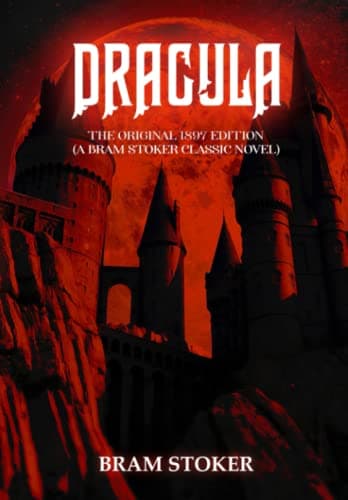
Dracula
Bram Stoker | Moderate scare | Victorian vampire dread
Jonathan Harker's stay at the count's castle begins with hospitality and becomes confinement. Stoker then spreads the danger through journals, letters, ship records, and medical observations. No one has the whole picture; comparing their notes is how the characters begin to understand what they are facing. Those diaries and records let you piece together the vampire threat alongside them.
See more
The different voices let discoveries arrive in fragments. The middle repeats medical crises and reassurances, and Victorian attitudes can grate. The slow sections build a different rhythm from the continuous urgency of a modern thriller.
6
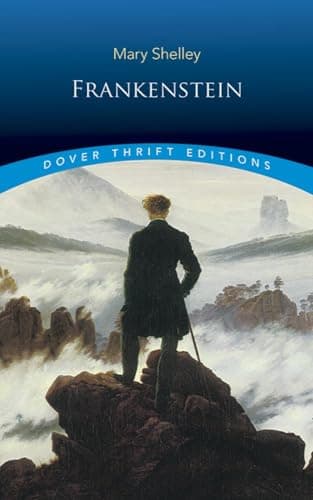
Frankenstein
Mary Shelley | Low to moderate scare, high emotional unease | Gothic science fiction
The Halloween creature is here, but the unsettling question is what its creator owes it. Victor Frankenstein makes a living being and recoils from the responsibility; the creature's own eloquent account makes that abandonment harder to dismiss. Shelley lets the supposed monster argue his case, while his creator keeps finding excuses. That makes the book more disturbing, and more worth arguing about, than a straightforward monster chase.
See more
The creature's voice gives the argument over responsibility a second center. The accounts within accounts place some crises at a distance, and Victor's anguish can feel melodramatic. Its unease comes through competing testimony as much as immediate threat.
7
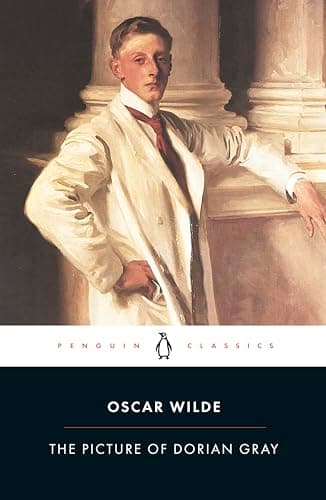
The Picture of Dorian Gray
Oscar Wilde | Low to moderate scare | Supernatural corruption and social wit
A portrait makes hidden consequence visible while Dorian's public beauty remains intact. Wilde surrounds that Gothic device with attractive conversation, turning wit into part of the danger: Lord Henry makes cruelty sound sophisticated enough to try. Polished manners and a beautiful face stop feeling reassuring once you know what the portrait records.
See more
Moral corruption and social wit create unease without continuous terror. The long middle passage about collecting and private obsessions slows the story; the decadent description is part of its texture.
If you want magic and adventure alongside the chills
The Night Circus is the least frightening book here. The other two mix fantastic companionship with real danger: Nettle & Bone has warmth but an abusive marriage at its center, while The Talisman can be cruel as well as wondrous.
8
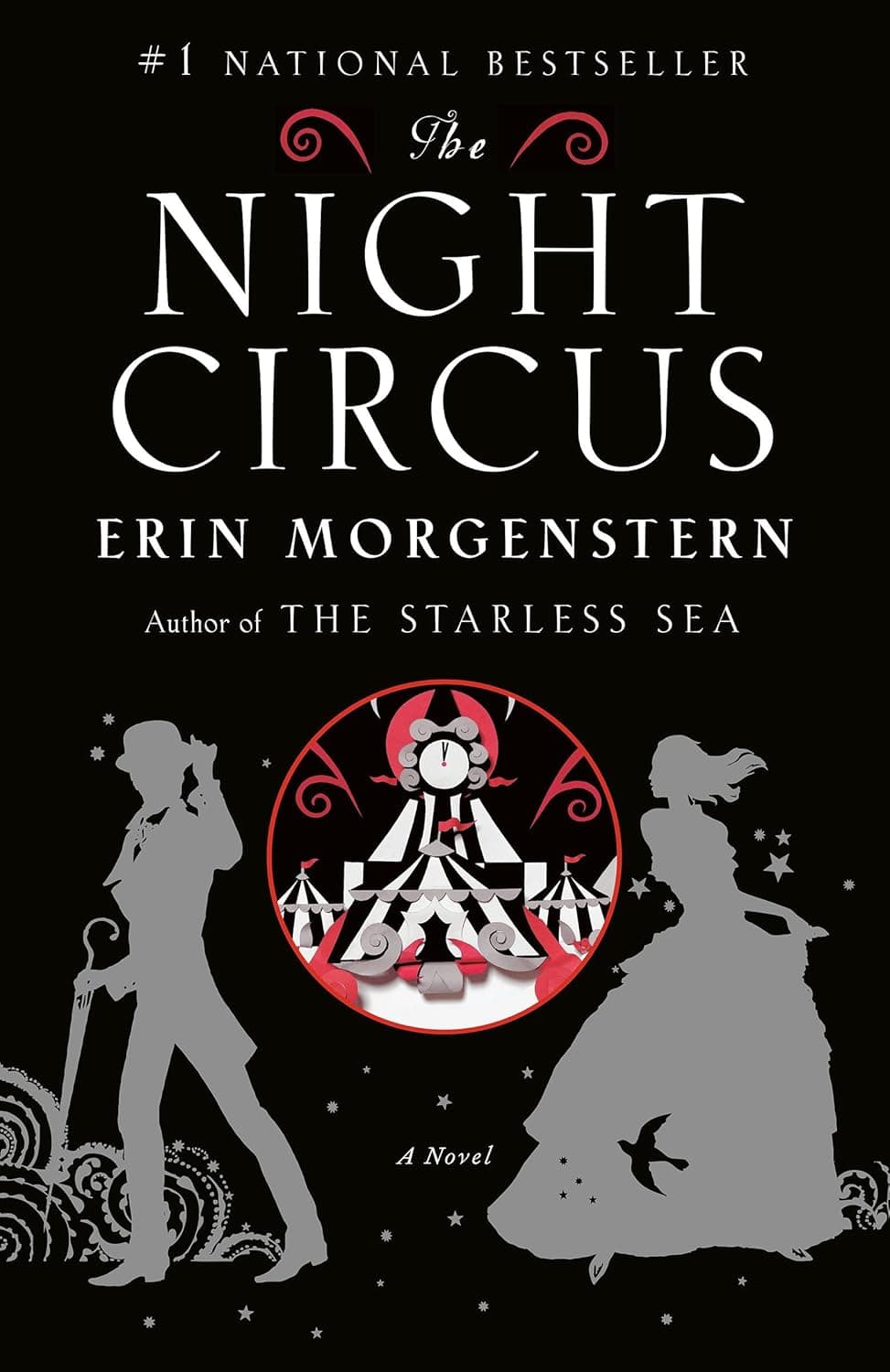
The Night Circus
Erin Morgenstern | Low scare | Nocturnal magic and romantic atmosphere
A circus opens only at night, and its black-and-white tents offer the pleasure of wandering somewhere impossible. Celia and Marco's magical competition gives that beauty a dangerous foundation, but the tents are more memorable than the contest. For October, the appeal is lingering over elaborate magic and nocturnal spectacle rather than bracing for horror.
See more
The magical setting carries the book, though danger and loss remain within it. Its chronology shifts and the competition's rules stay vague. This is low-scare Halloween atmosphere with more room for sensory detail than a fast plot.
9
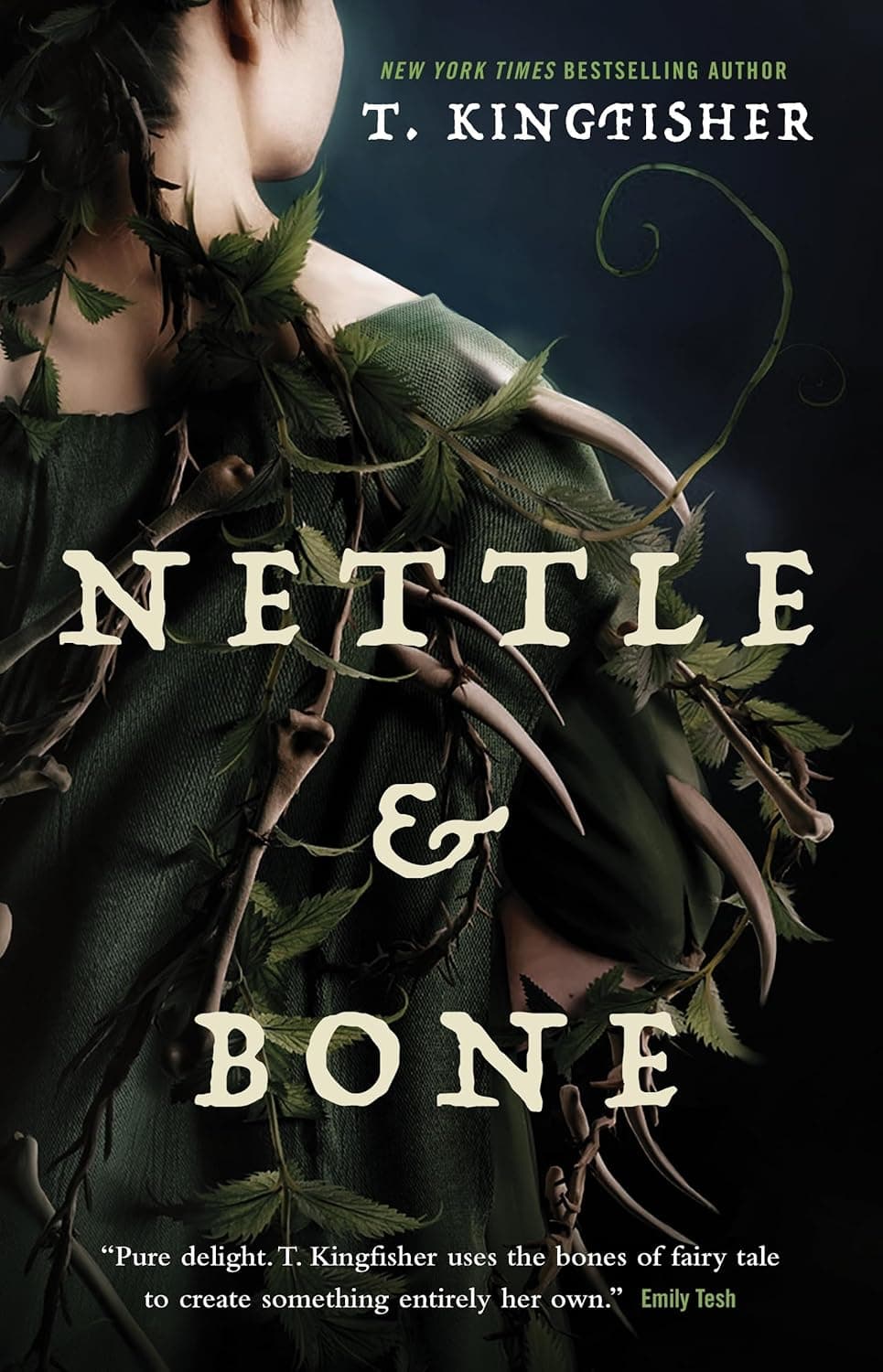
Nettle & Bone
T. Kingfisher | Moderate scare | Macabre fairy tale with warmth
Marra's attempt to save her sister from an abusive prince turns into a quest built from sewing, bones, graveyard knowledge, and unlikely help. A bone dog and a demon-possessed chicken supply memorable Halloween company. The warmth comes from these odd companions helping one another, even when the quest is grim. Kingfisher gives ordinary practical skills the force that other fairy tales give royal blood or a prophecy.
The eccentric companions bring humane humor, but domestic abuse drives the rescue. Royal politics are deliberately simple and romance stays secondary. The story stands alone; its warmth does not remove the severity of the marriage at its center.
10
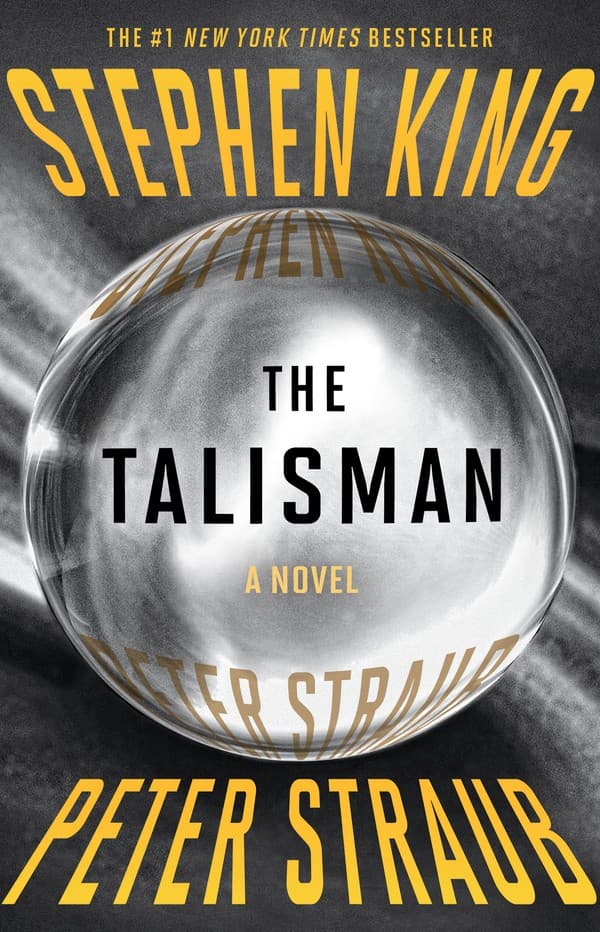
The Talisman
Stephen King and Peter Straub | Moderate to high scare | Long supernatural quest
Twelve-year-old Jack Sawyer crosses America and the parallel Territories to seek something that might save his dying mother. The journey holds fantastic beauty beside ugly human behavior, so crossing into another world never guarantees refuge. Wolf, the werewolf companion, gives Jack someone to depend on and to care for. For Halloween, it offers strange creatures and dangerous thresholds with a reason to keep hoping as well as fearing.
This begins Jack's trilogy and needs no Dark Tower preparation. The episodic road can stall during prolonged stretches of cruelty. Jack's age does not make the book cozy or children's fantasy.
A Halloween pick for Dresden Files readers
Dead Beat earns its place because Halloween shapes the case itself. It is also book seven, so this is a return visit for Dresden Files readers rather than the easiest place to begin.
11
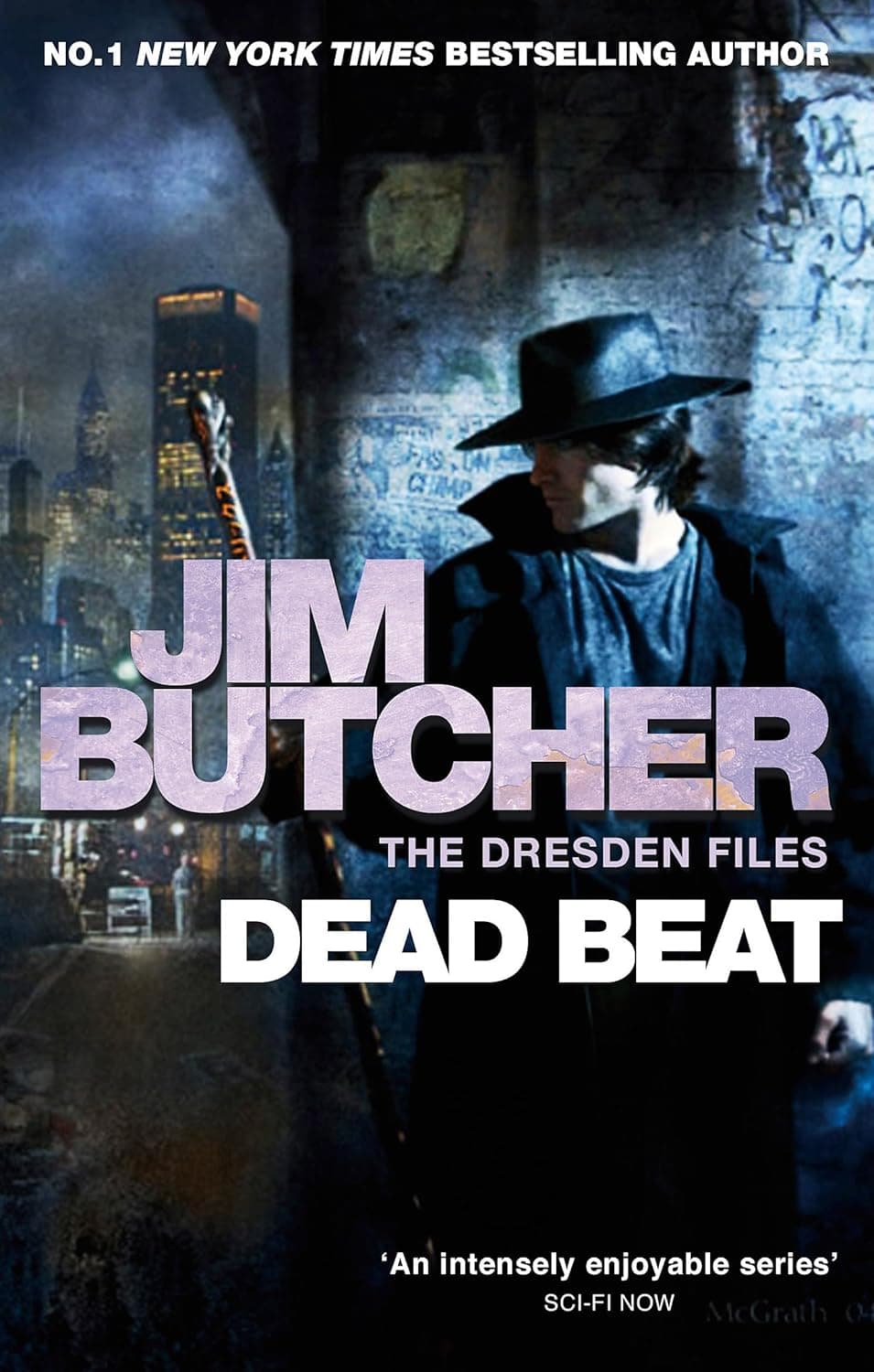
Dead Beat
Jim Butcher | Moderate scare, high action | The Dresden Files, book seven
Halloween is an actual deadline in this Chicago case, rather than decoration added to a frightening story. Harry Dresden is pulled into a contest over necromantic knowledge, with several dangerous players pursuing the Word of Kemmler. Butcher makes magical rules feed tactical problems and increasingly extravagant action. Wisecracks and detective work give the death magic a much livelier rhythm than the slower hauntings elsewhere on this list.
The case has momentum, but Dead Beat is Dresden Files book seven and carries relationships and consequences from earlier novels. Storm Front provides the beginning of that sequence. Dated humor and a busy cast of opponents are part of this installment's texture.
Side by side
How to choose your Halloween read
Scare level is only one part of the choice. Match the source of unease and the reading commitment to the evening you actually want; none of these labels promises an exact finishing time.
| Book | Scare level | Atmosphere and main appeal | Commitment | Where to start |
|---|---|---|---|---|
| The Shining | High | Modern haunted hotel; psychological and family dread | Substantial novel; deliberate buildup | Standalone entry |
| The Hollow Places | High, with comic relief | Contemporary museum and hostile cosmic spaces | Full novel; leisurely setup | Standalone |
| The Twisted Ones | High, with comic relief | Rural folk horror and a disturbing journal | Full novel; cleanup before escalation | Standalone |
| What Moves the Dead | Moderate to high | Gothic decay; fungal and body horror | Short novella; concentrated investigation | Sworn Soldier book one; no prior reading |
| Dracula | Moderate | Victorian vampire dread and group investigation | Longer classic; slower middle | Standalone |
| Frankenstein | Low to moderate; emotionally harsh | Gothic responsibility, abandonment, and isolation | Layered classic; reflective prose | Standalone |
| The Picture of Dorian Gray | Low to moderate | Gothic corruption and seductive social wit | Classic; descriptive middle | Standalone |
| The Night Circus | Low | Nocturnal magic and romantic mystery | Full novel; slow and nonlinear | Standalone |
| Nettle & Bone | Moderate | Macabre fairy tale; warmth alongside abuse | One complete rescue quest | Standalone |
| The Talisman | Moderate to high | Parallel-world adventure and frightening cruelty | Long, episodic quest | Talisman book one |
| Dead Beat | Moderate; action-led | Halloween necromancy in modern Chicago | Fast-moving novel; established continuity | Dresden book seven; earlier books preferred |
Two Talisman follow-ups for returning readers
The Talisman is the main recommendation here. These sequels belong later on your list, once you know Jack Sawyer. They change the mood as well as his age, so do not expect two more versions of the same rescue quest.
Black House: the darker second book
Adult Jack, now a former detective, investigates murders of children in Wisconsin. This is frightening supernatural crime, much grimmer than The Talisman. The roaming, present-tense narrator makes the town feel watched, but takes time to settle into the case. Read The Talisman first for Jack's history, and take the violence toward children seriously. Dark Tower connections become more explicit here.
Other Worlds Than These: the third Talisman book
An older, grieving Jack faces danger across America and Mid-World. Moderate to high scares sit alongside a reflective opening and much more accumulated mythology. King wrote this final book using ideas from Straub. Read The Talisman and Black House first. The publisher offers it as a standalone, but my review finds the lore a significant barrier. Dark Tower familiarity helps without being an official prerequisite.
Where to go after your Halloween book
A frightening place, a funny narrator, or a world you want to revisit can point you toward the next book. Start with the part you enjoyed most.
More books like The Hollow Places
Find another unsettling place to explore, with comparisons that explain where the fear and the companionship differ.
Explore T. Kingfisher
Compare the author's horror and fairy tales before assuming that the humor in one book makes another equally gentle.
The Talisman books in order
Keep Jack's three novels in order and see how much Dark Tower background is worth reading first.
How the sources of fear differ
The Hollow Places may suit you better than The Shining if creatures are easier to face than a dangerous parent. The short length of What Moves the Dead will not help if something taking over a body is what unsettles you most. For magic without sustained terror, start with The Night Circus. Nettle & Bone is warmer than the horror novels, but its abuse theme still matters.
What Moves the Dead compresses its fungal horror into one short investigation. The Night Circus spreads a much gentler unease through its magical setting. Dracula accumulates discoveries more slowly, while The Talisman carries its danger along a long road. I find those differences more useful than treating Halloween reading as a test of how much fear someone can endure.
Quick answers
Questions about choosing a Halloween book
What should I read on Halloween night?
Choose What Moves the Dead for a compact Gothic horror story, The Night Circus for a beautiful nocturnal setting with little outright terror, or The Shining if you want to begin a longer, frightening read. Your tolerance for body horror or family danger matters more than finishing before midnight.
Which Halloween books are not too scary?
The Night Circus is the gentlest choice on this list because atmosphere and magic carry it. The Picture of Dorian Gray offers moral unease and Gothic imagery without continuous terror. Nettle & Bone has warmer companionship, but its domestic abuse theme makes it a less straightforward comfort choice.
What is a good short horror book for October?
What Moves the Dead is the short recommendation here. It tells a concentrated Usher-inspired story with fungi, sickly surroundings, and disturbing wildlife. You do not need to read Poe first, but sensitivity to body horror may make it a stronger scare than its length suggests.
Which classic horror book should I start with?
Start with Dracula for the most recognizable Halloween atmosphere and a group piecing together a vampire threat. Choose Frankenstein for the more intimate moral argument, or The Picture of Dorian Gray if social wit and hidden corruption appeal most. Victorian pacing and reflective narration differ from modern horror's rhythm.
Sources for this guide
Sources & references
Premises and series positions were checked against these author and publisher pages on October 9, 2026. Scare levels, reader fit, and limitations reflect Book Review Guide's editorial coverage.
- Stephen King: The Shining
- Saga Press: The Hollow Places
- Saga Press: The Twisted Ones
- Tor Nightfire: What Moves the Dead
- Penguin Random House: Dracula
- Penguin Random House: Frankenstein reader's guide
- Penguin Random House: The Picture of Dorian Gray
- Penguin Random House: The Night Circus
- Tor: Nettle & Bone
- Penguin Random House: Dead Beat Halloween premise
- Jim Butcher: Dead Beat series position
- Stephen King: The Talisman
- Stephen King: Black House
- Stephen King: Other Worlds Than These
- Scribner: Other Worlds Than These, Talisman Trilogy book three
Keep reading
