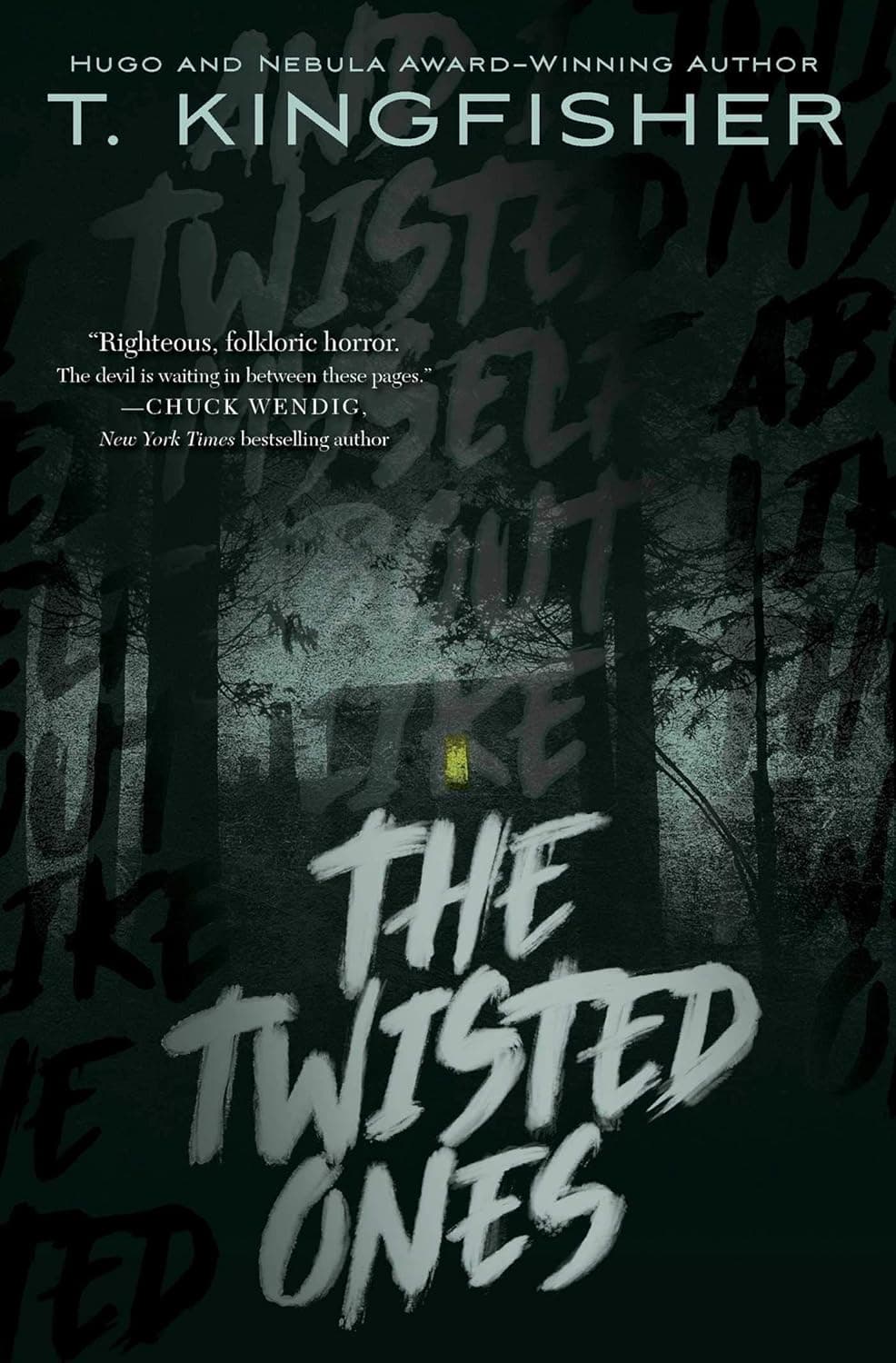
Should you read The Twisted Ones?
What works
Mouse and Bongo give the horror an ordinary emotional center, while the repeated carved stones and wrong-moving animals make reading the journal feel dangerous.
What may not work for you
The cleanup opening and comic asides delay the threat, and the later explanation cannot equal the first sight of the figures in the woods.
What may test your patience
Sorting the grandmother's house occupies a substantial opening stretch before Cotgrave's words begin appearing in the landscape.
Does the ending reward the effort?
Mostly. Mouse's practical choices and family history matter, though the final confrontation is more conventional than the earlier uncertainty.
Reading The Twisted Ones closely
Mouse agrees to clear out her late grandmother's rural North Carolina house and quickly discovers that the neglect is worse than expected. With her dog Bongo as company, she sorts through rooms of hoarded objects until she finds a journal written by her step-grandfather, Frederick Cotgrave.
The journal describes impossible stones, white figures, and rituals in the woods. Mouse initially treats its repeated phrases as evidence of a troubled mind, but the landscape begins echoing the text. Effigies appear, deer move incorrectly, and the comforting certainty that Bongo would sense danger becomes unreliable.
Kingfisher builds the horror from exhaustion, isolation, inherited family damage, and the fear that an ordinary task has opened a path into something ancient. Mouse's humor and devotion to Bongo keep the narration grounded, while the imagery drawn from Arthur Machen grows progressively less explainable.
A journal that changes the landscape
Cotgrave's writing gives Mouse a partial map but no trustworthy interpretation. Repeated phrases become more frightening as physical evidence accumulates, turning reading itself into exposure to a reality that was safer while it remained nonsense.
Family obligation and a very good dog
The grandmother's cruelty and hoarding make the house emotionally hostile before anything supernatural appears. Bongo gives Mouse a reason to act carefully and gives readers warmth, though concern for him also becomes one of the novel's most effective sources of tension.
Folk horror, body horror, and pace
The novel starts with a deliberate cleanup narrative before its folk-horror machinery fully emerges. It contains unsettling animal forms, effigies, corpses, and bodily transformation, but conversational humor makes the experience more accessible than relentlessly bleak horror.
Three useful comparisons
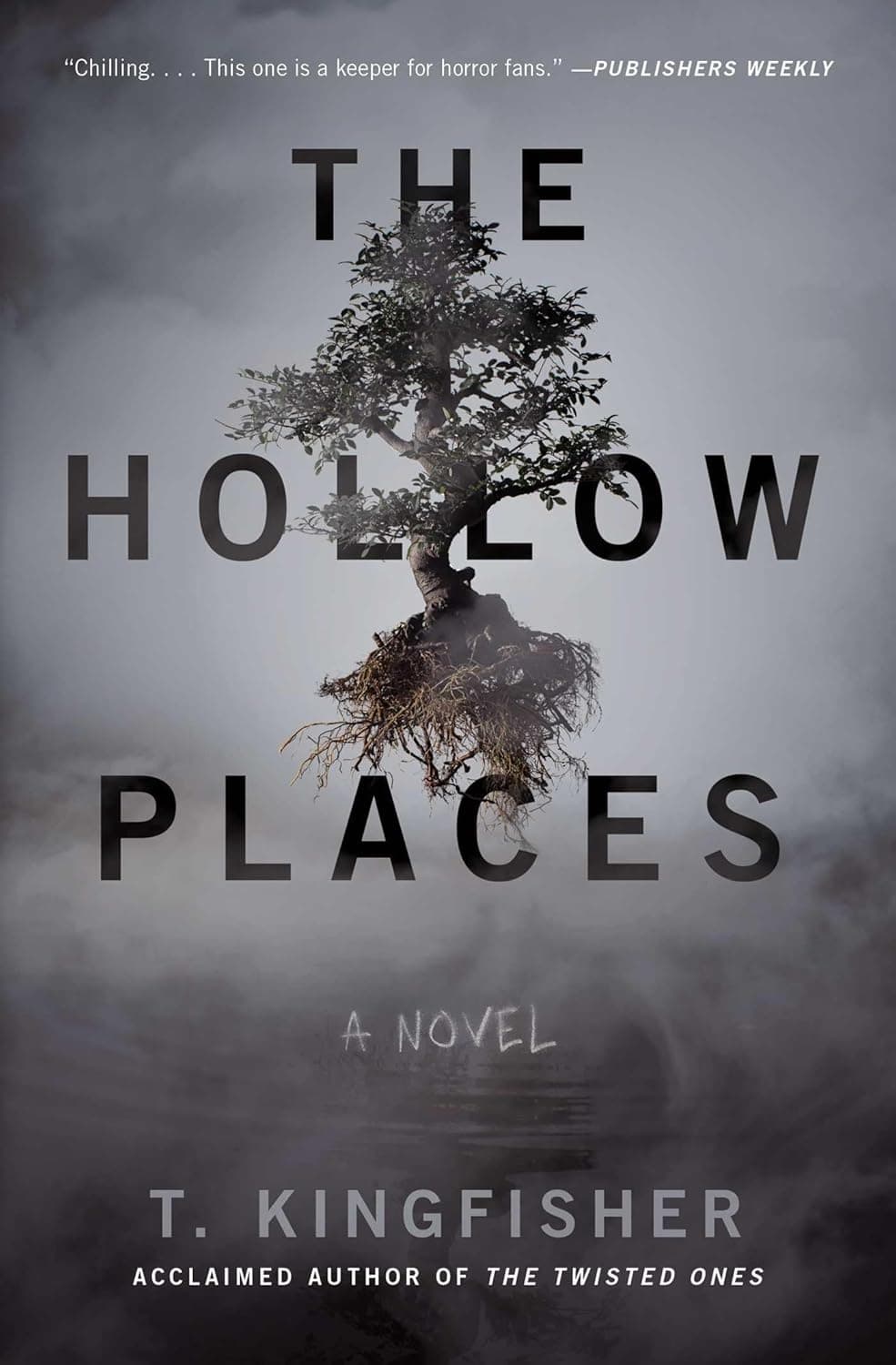
The Hollow Places
The Hollow Places offers stronger cosmic geography and a central friendship; Twisted Ones is earthier and more folkloric.
Best for: Readers new to cosmic horror who want impossible spaces, body unease, friendship, and relief from unbroken bleakness.
As an Amazon Associate, I earn from qualifying purchases.
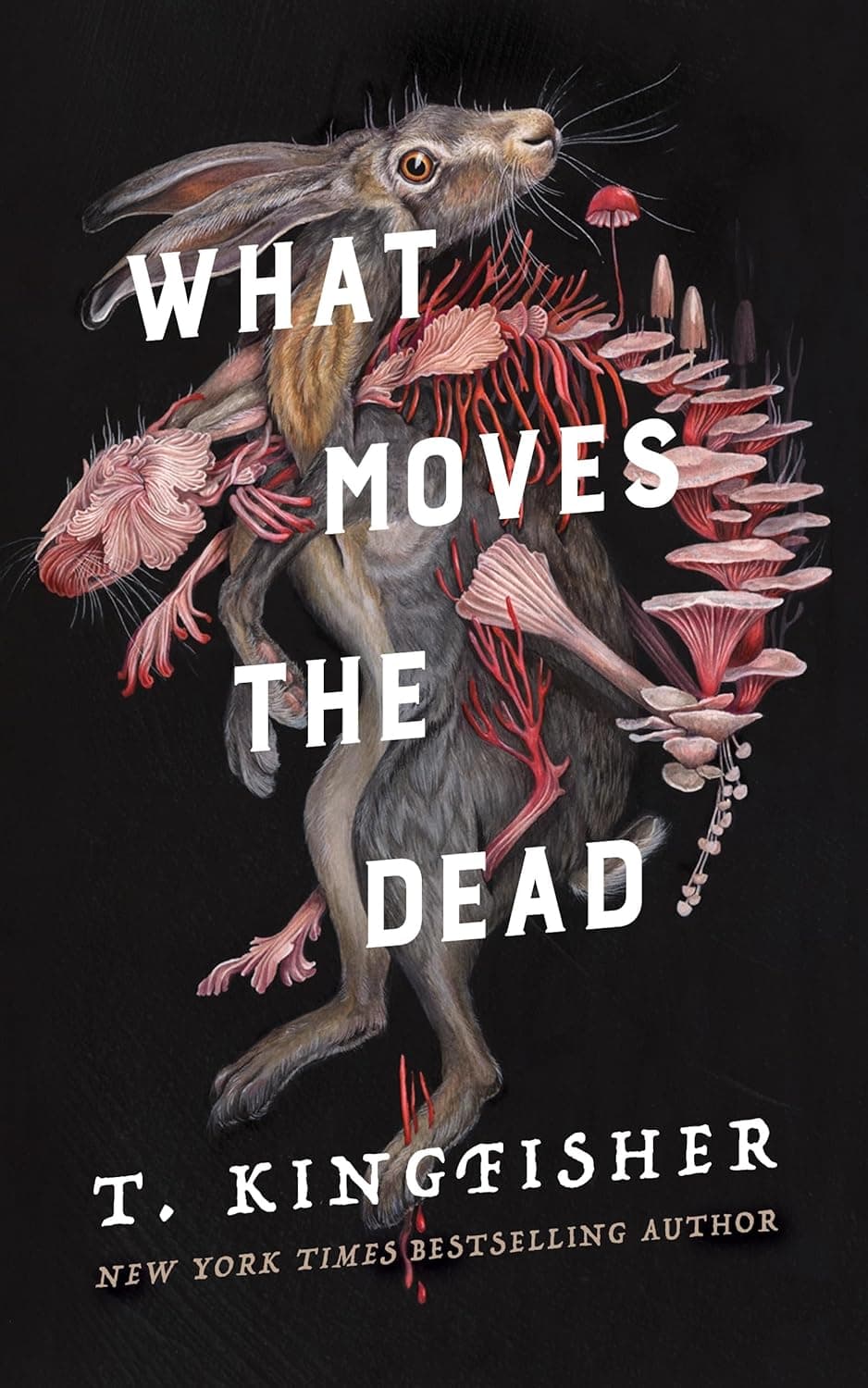
What Moves the Dead
What Moves the Dead is a shorter literary retelling with tighter biological logic.
Best for: Best for anyone who wants a short Gothic retelling, fungal horror, body unease, and a practical narrator with flashes of dry humor.
As an Amazon Associate, I earn from qualifying purchases.
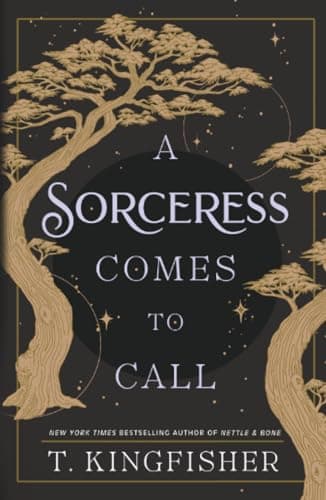
A Sorceress Comes to Call
A Sorceress Comes to Call moves horror into polite domestic space and gives coercion a human face.
Best for: Try it for dark fairy-tale revision, coercive-control horror, older heroines, and humane humor.
As an Amazon Associate, I earn from qualifying purchases.
Make the next decision