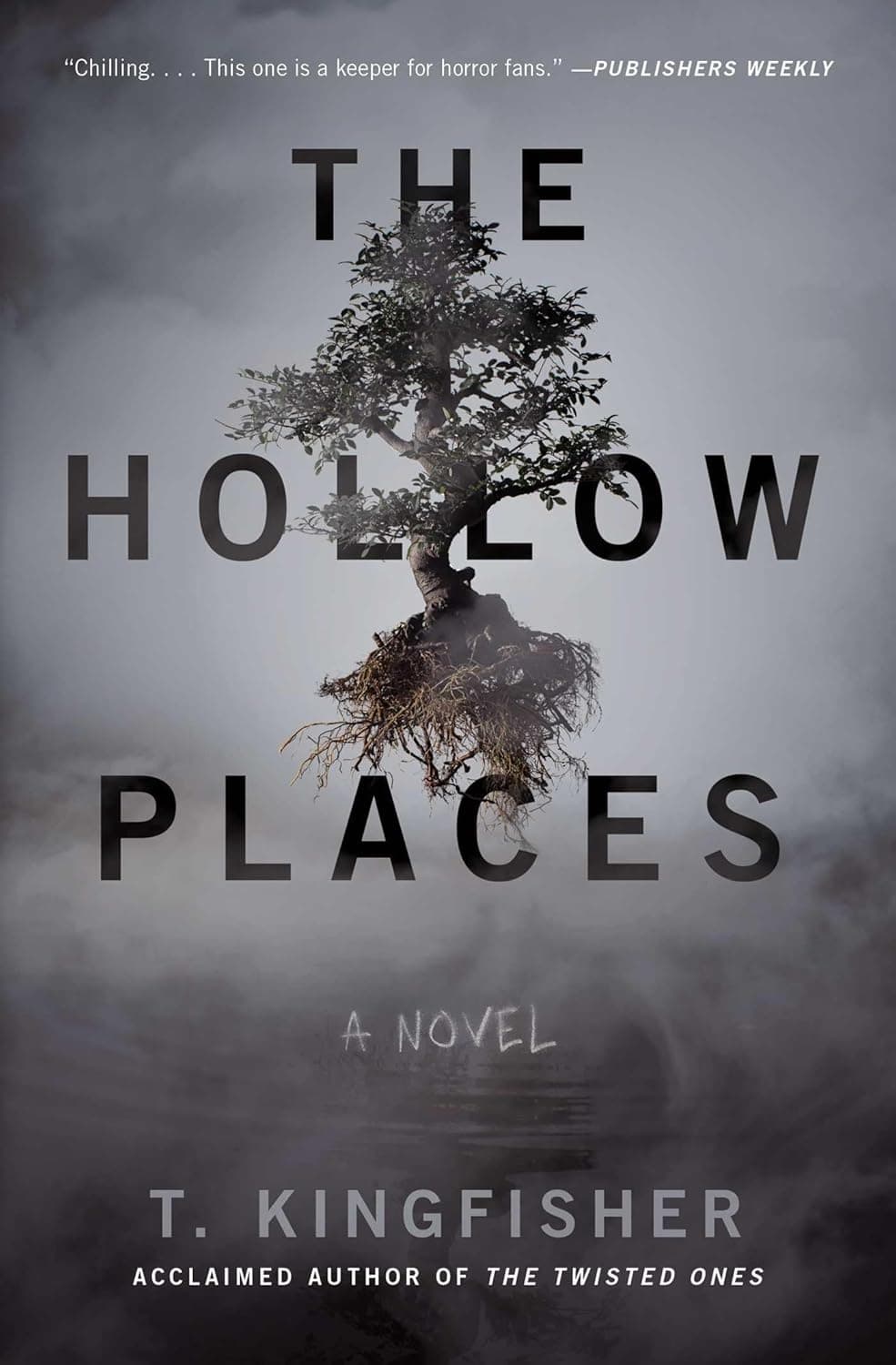
Should you read The Hollow Places?
What works
The bunkers, islands, and willows make every doorway feel like exposure, while Kara and Simon's practical bond prevents cosmic horror from becoming emotionally empty.
What may not work for you
Conversational jokes sometimes release tension too quickly, and the return to familiar space makes the final threat more literal than the strongest middle chapters.
What may test your patience
The Wonder Museum setup is leisurely before the wall opens. The horror waits while Kara settles into life after divorce and an odd new home.
Does the ending reward the effort?
Mostly. The intimate final danger gives Kara something concrete to fight, but it reduces some of the alien mystery that made the other world so effective.
Reading The Hollow Places closely
After a divorce leaves Kara without money or direction, she moves into the Wonder Museum operated by her uncle Earl. Its taxidermy, mermaids, and questionable artifacts are comfortably strange until Kara and Simon, the barista next door, find a hole leading somewhere much larger than the building could contain.
Beyond the wall lies an island-filled world of willows and concrete bunkers connected to countless realities. The place seems empty until evidence suggests that its inhabitants notice thought itself. Kingfisher uses the need not to think about danger as both a frightening rule and an impossible mental trap.
Kara's conversational narration and her friendship with Simon keep the novel lively without dissolving the cosmic dread. The final movement returns the horror to intimate, familiar spaces, asking whether a door can ever be fully closed once another world has recognized what lies on this side.
A portal that makes escape feel smaller
Portal fantasy usually promises wonder and expansion. Here, every opening implies exposure. The endless bunkers and alternate worlds make human reality feel fragile, while the willows conceal creatures whose motives cannot be translated into ordinary predator behavior.
Humor inside cosmic horror
Kara and Simon joke because they are frightened people trying to keep moving, not because the danger is harmless. Their practical friendship gives the story emotional stability and avoids forcing romance into a situation already crowded with existential terror.
Three useful comparisons
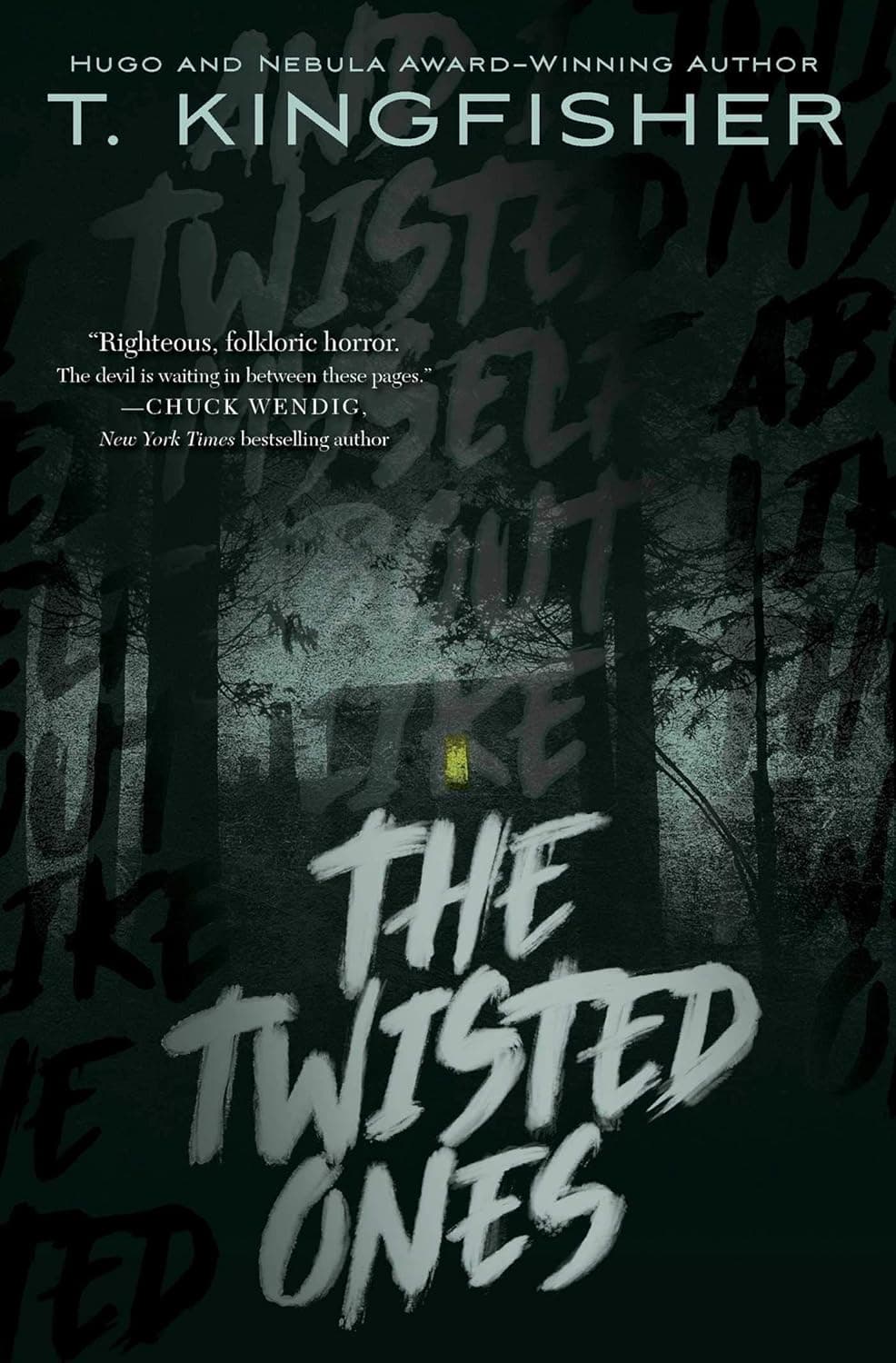
The Twisted Ones
The Twisted Ones uses rural folk horror and a discovered journal; The Hollow Places is more spatial and cosmic.
Best for: Approachable folk horror for anyone who wants a likable dog, rural isolation, and disturbing creatures without relentless despair.
As an Amazon Associate, I earn from qualifying purchases.
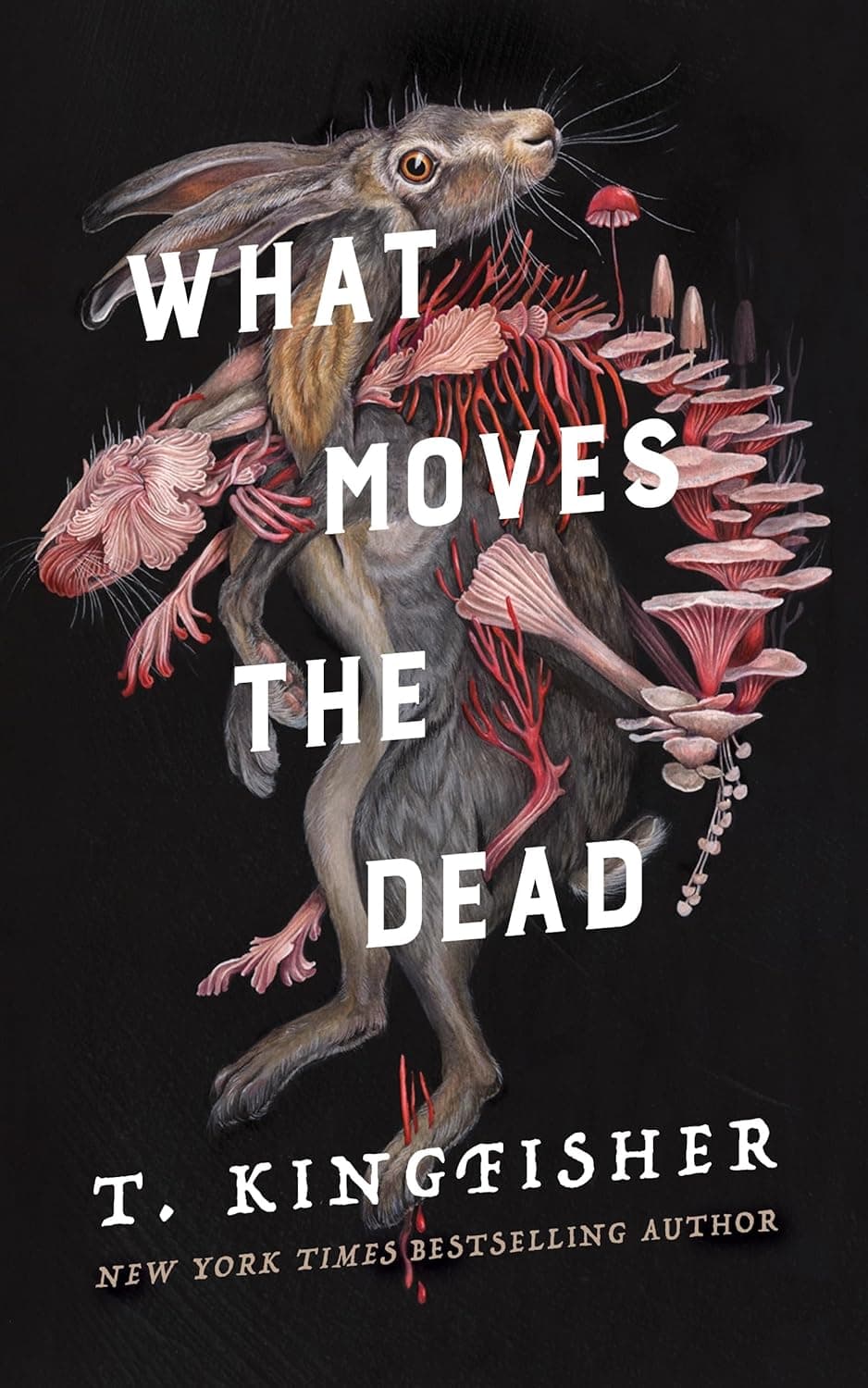
What Moves the Dead
What Moves the Dead is tighter, more Gothic, and more biologically explanatory, with less banter.
Best for: Best for anyone who wants a short Gothic retelling, fungal horror, body unease, and a practical narrator with flashes of dry humor.
As an Amazon Associate, I earn from qualifying purchases.

The Shining
The Shining offers a slower, psychologically denser haunting centered on family and addiction rather than friendship.
Best for: Readers who want a long haunted-house novel grounded in addiction, family fear, and a child's vulnerable perception.
As an Amazon Associate, I earn from qualifying purchases.
Make the next decision