What to read next
10 books like What Moves the Dead
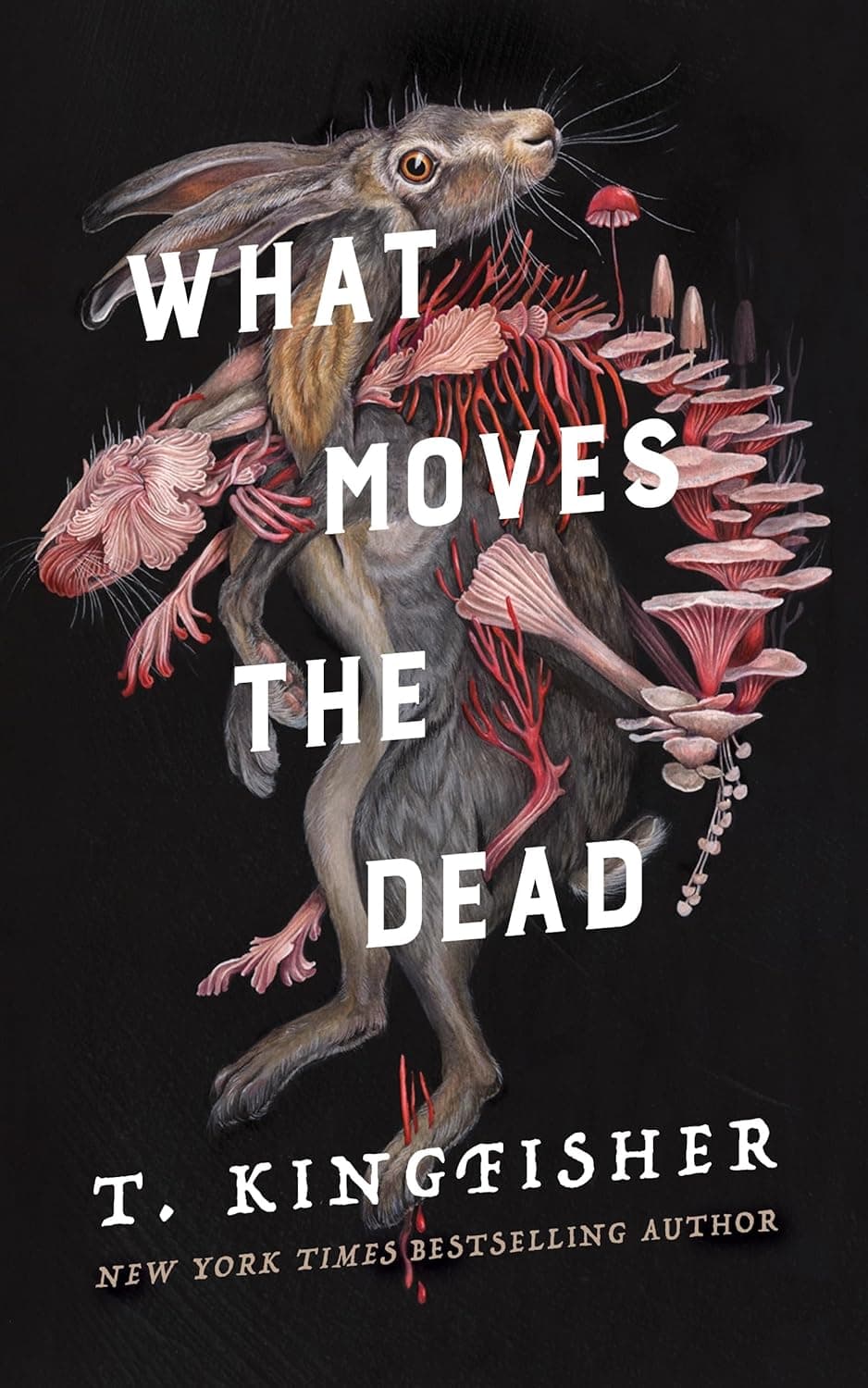
The landscape behaves like evidence. If that is what you want more of after What Moves the Dead, these recommendations preserve that appeal in different ways, without pretending every similar book offers the same experience.
Start with our What Moves the Dead review by T. Kingfisher.

Choose by reading mood
Where to start
For the fastest read
Wolf Worm
BalancedFor the darkest read
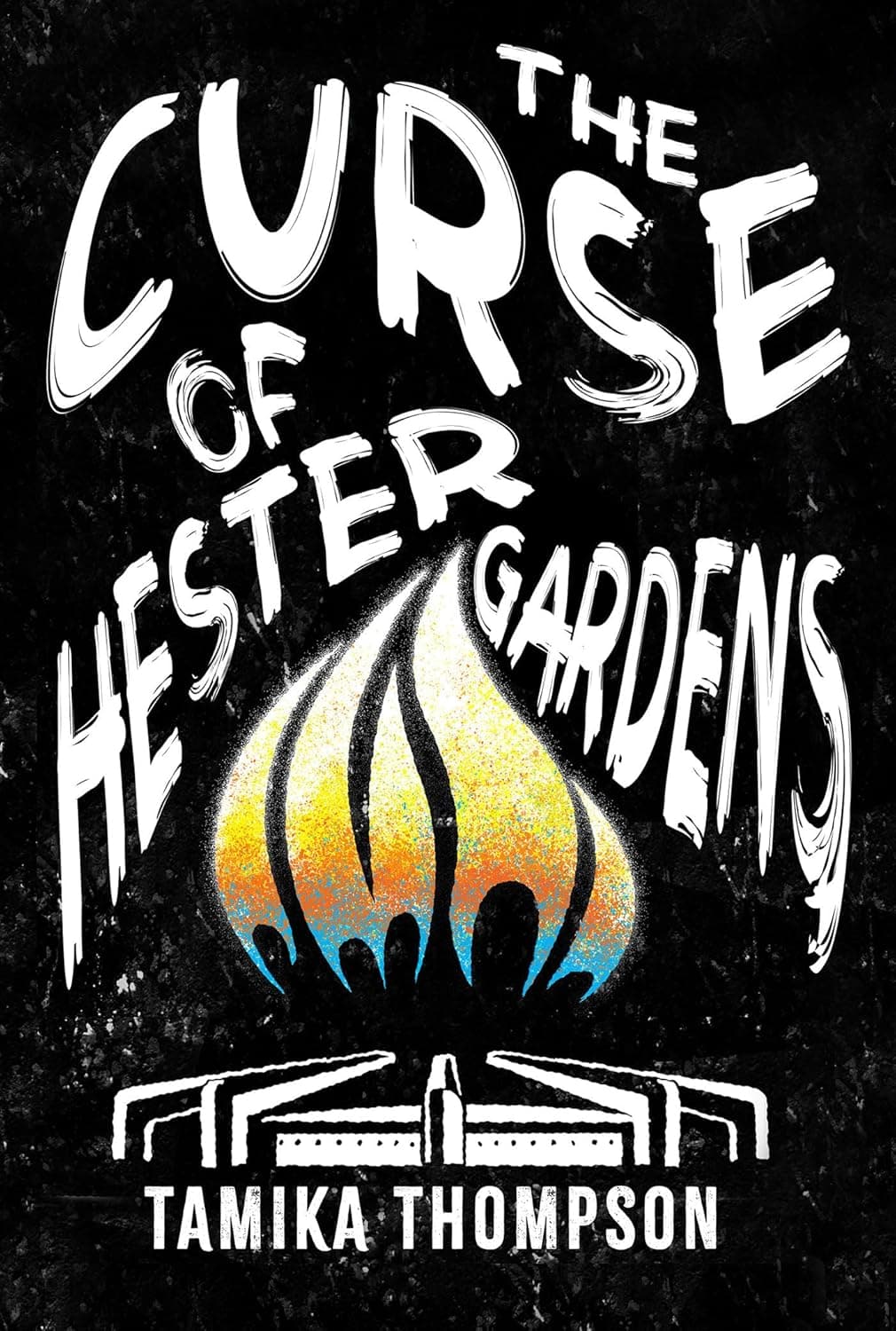
The Curse of Hester Gardens
Very darkFor the strongest romance
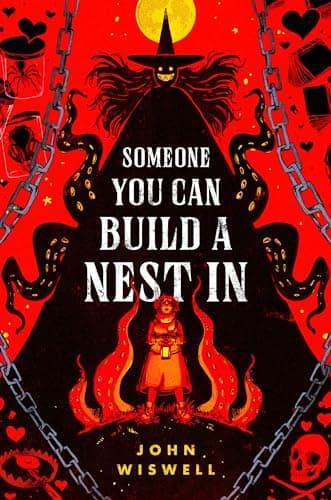
Someone You Can Build a Nest In
CentralFor the easiest entry
The Twisted Ones
AccessibleThe full shortlist
Why each book belongs here
Each match is judged against What Moves the Dead, not merely placed beside it because the books share a broad genre label.
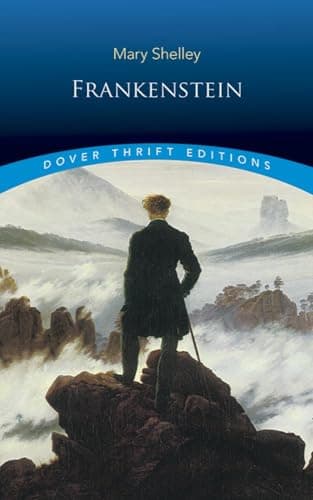
Frankenstein
- Shared ground
- Both books build unease from a threat the characters cannot safely understand at first.
- What changes
- Frankenstein is longer, more philosophical, and more interested in responsibility between creator and created life. Choose it for layered narration and moral argument; choose What Moves the Dead for a fast biological mystery.
- Best for
- Readers interested in responsibility, isolation, unreliable self-justification, and Gothic philosophy more than conventional horror.
- Pace Balanced
- Darkness Dark
- Romance Minimal
- Difficulty Moderate
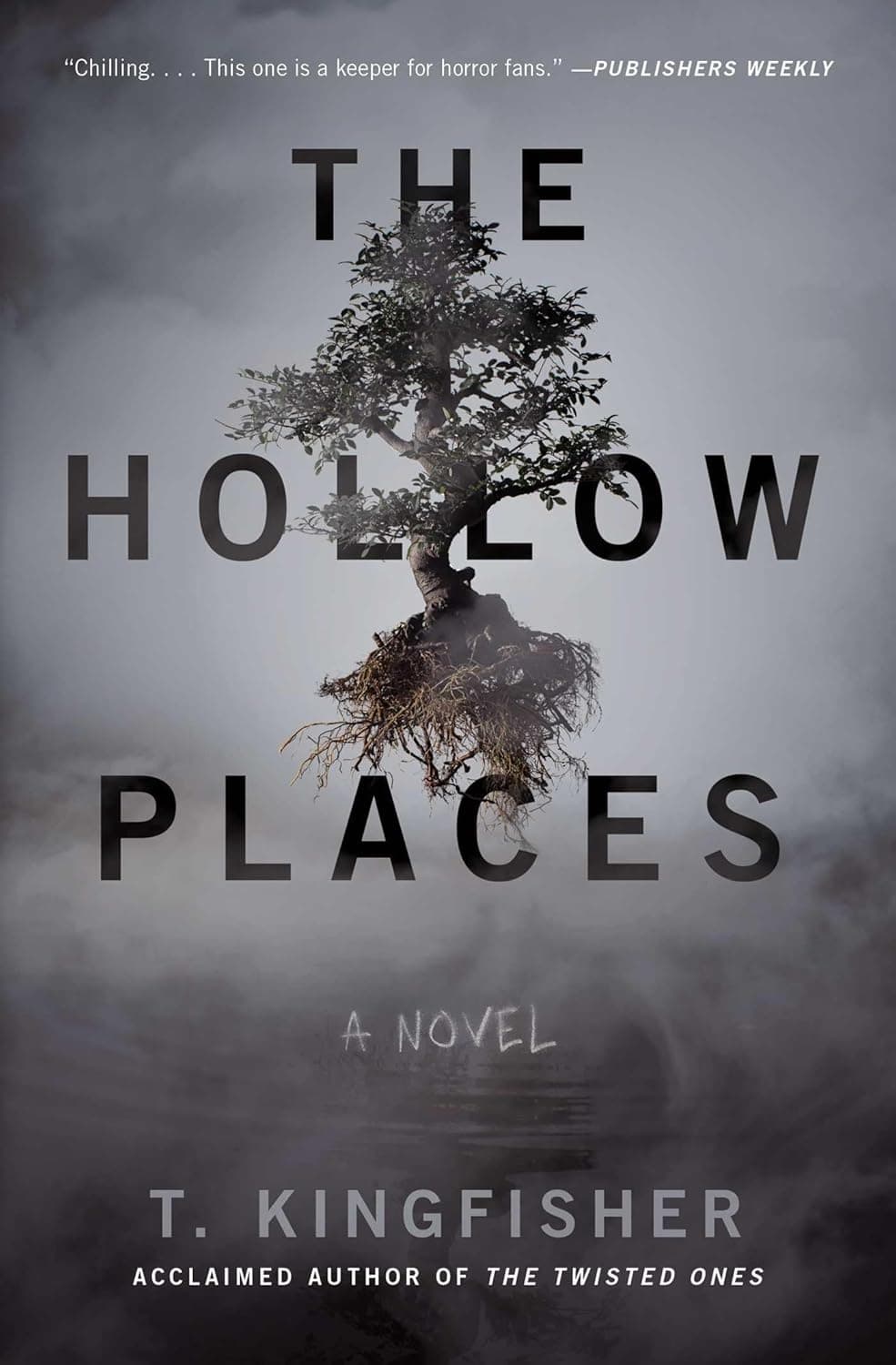
The Hollow Places
- Shared ground
- Both books use distance, alien environments, or interstellar travel to change the scale of the conflict.
- What changes
- The Hollow Places gives Kingfisher more room for banter, friendship, and escalating portal horror. Choose it for a contemporary setting and sustained uncanny exploration rather than a compact literary retelling.
- Best for
- Readers new to cosmic horror who want impossible spaces, body unease, friendship, and relief from unbroken bleakness.
- Pace Balanced
- Darkness Dark
- Romance Minimal
- Difficulty Accessible
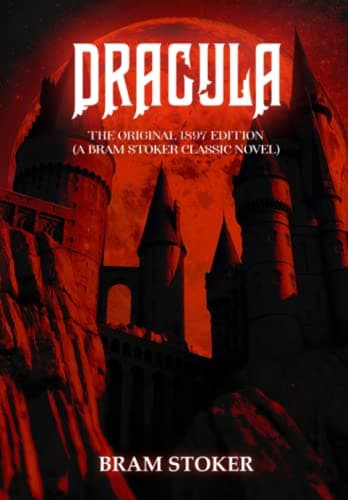
Dracula
- Shared ground
- Both books make observation, missing information, and the search for an explanation part of the pleasure.
- What changes
- Dracula builds its Gothic threat through diaries, letters, and a broad group of witnesses. It is slower and less explanatory, making it the better choice if you want accumulating suspense and uncertainty instead of a concise revealed mechanism.
- Best for
- Readers willing to accept Victorian pacing for Gothic atmosphere, epistolary suspense, and the source of countless vampire conventions.
- Pace Slow burn
- Darkness Dark
- Romance Minimal
- Difficulty Moderate
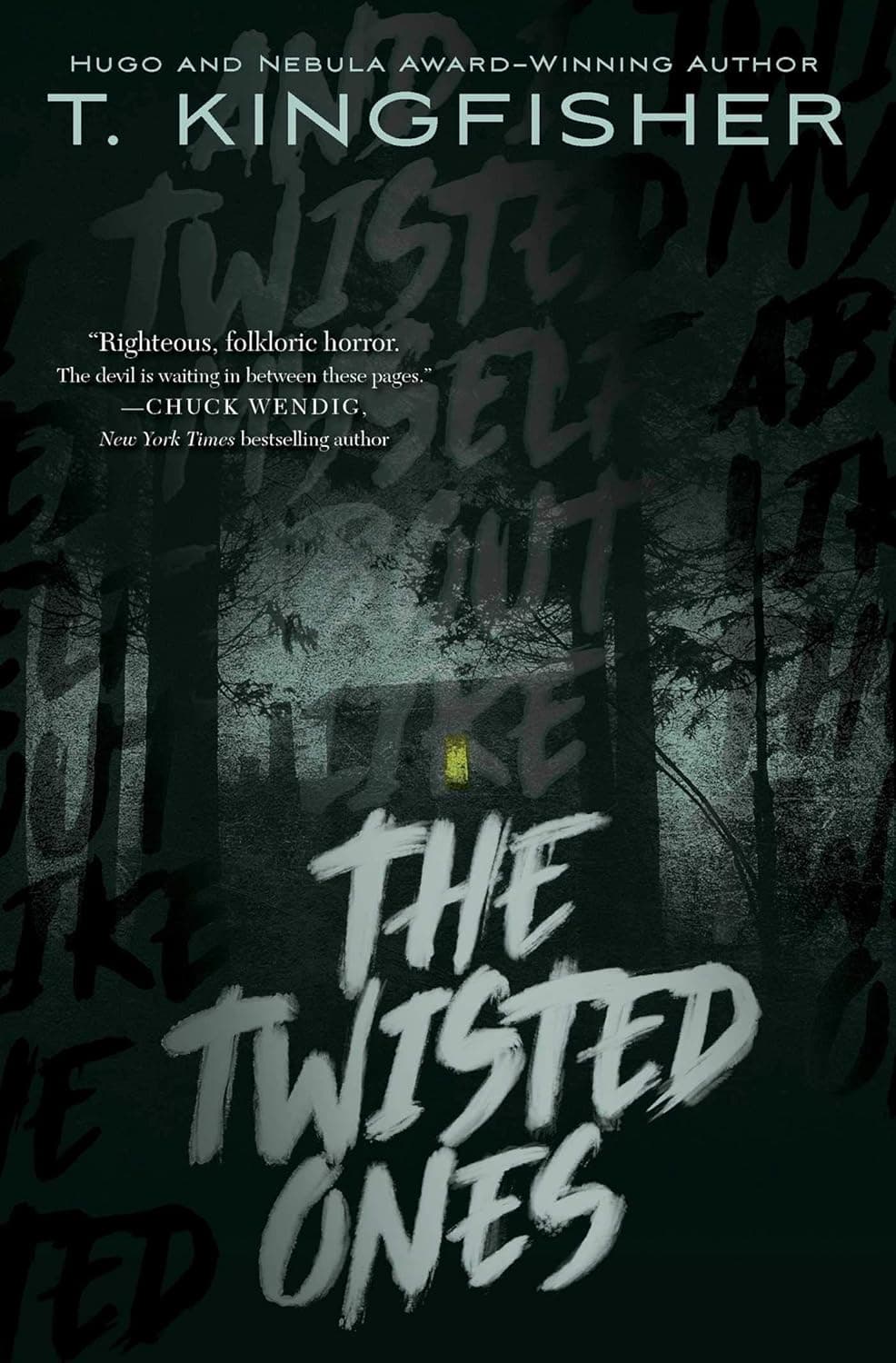
The Twisted Ones
- Shared ground
- Both books build unease from a threat the characters cannot safely understand at first.
- What changes
- The Twisted Ones has a similar overall reading load, but changes the emphasis. Mouse and Bongo give the horror an ordinary emotional center, while the repeated carved stones and wrong-moving animals make reading the journal feel dangerous.
- Best for
- Readers wanting approachable folk horror, a likable dog, rural isolation, and disturbing creatures without relentless despair.
- Pace Balanced
- Darkness Dark
- Romance Minimal
- Difficulty Accessible
Someone You Can Build a Nest In
- Shared ground
- Both books use distance, alien environments, or interstellar travel to change the scale of the conflict.
- What changes
- Someone You Can Build a Nest In is more romance-led than What Moves the Dead. Shesheshen's improvised bodies and reproductive instincts remain genuinely alien, while Homily's family reveals how ordinary cruelty can be harder to identify than monstrosity.
- Best for
- Readers wanting queer monster romance, body horror, disability themes, abusive-family recovery, dark comedy, and a protagonist whose nonhuman nature remains meaningful.
- Pace Balanced
- Darkness Dark
- Romance Central
- Difficulty Accessible
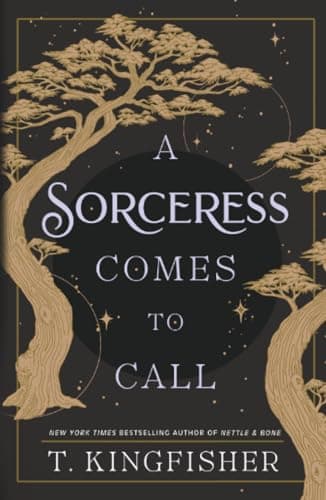
A Sorceress Comes to Call
- Shared ground
- Both books build unease from a threat the characters cannot safely understand at first.
- What changes
- A Sorceress Comes to Call has a similar overall reading load, but changes the emphasis. Cordelia's bodily loss of control is frightening without spectacle, while Hester's practical intelligence gives resistance a social and emotional method.
- Best for
- Readers wanting dark fairy-tale revision, coercive-control horror, older heroines, and humane humor.
- Pace Balanced
- Darkness Dark
- Romance Minimal
- Difficulty Accessible
Alchemised
- Shared ground
- Both books make observation, missing information, and the search for an explanation part of the pleasure.
- What changes
- Alchemised is more romance-led than What Moves the Dead. Helena's missing memory gives political history personal stakes, and the collision of healing, alchemy, and necromancy makes bodies both evidence and contested territory.
- Best for
- Adult dark-fantasy readers prepared for captivity, torture, war trauma, coercive intimacy, necromancy, nonlinear structure, and an exceptionally long emotional ordeal.
- Pace Balanced
- Darkness Dark
- Romance Significant
- Difficulty Accessible
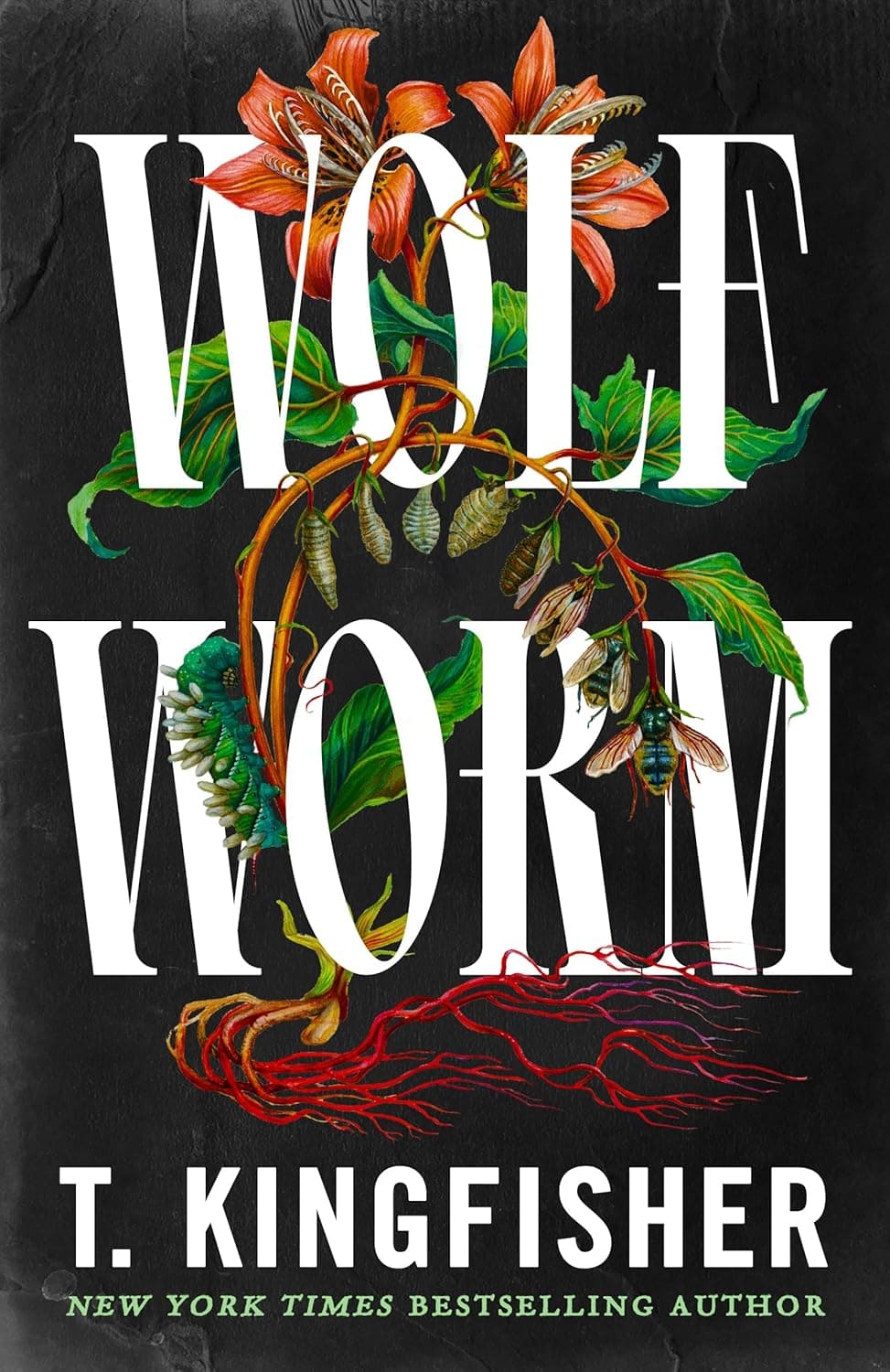
Wolf Worm
- Shared ground
- Both books build unease from a threat the characters cannot safely understand at first.
- What changes
- Wolf Worm has a similar overall reading load, but changes the emphasis. The novel keeps bodily vulnerability and unreliable perception close together, so even quiet observations can alter the apparent shape of the danger.
- Best for
- Horror readers who prefer paranoia, isolation, and body unease to constant action or elaborate lore.
- Pace Balanced
- Darkness Very dark
- Romance Minimal
- Difficulty Accessible
The Curse of Hester Gardens
- Shared ground
- Both books build unease from a threat the characters cannot safely understand at first.
- What changes
- The Curse of Hester Gardens is more measured and darker than What Moves the Dead. The house's unstable geography, inherited records, and buried violence create sustained unease, while the family history gives the supernatural threat emotional roots.
- Best for
- Gothic-horror readers who prefer inherited secrets, oppressive houses, family trauma, slow dread, and supernatural violence to constant jump scares.
- Pace Balanced
- Darkness Very dark
- Romance Minimal
- Difficulty Accessible
Between Two Fires
- Shared ground
- Both books show how organized violence reshapes loyalty, identity, and ordinary life.
- What changes
- Between Two Fires is darker than What Moves the Dead. Thomas, Delphine, and the priest form an unstable moral company, while each monstrous episode grows from a historical or theological fear.
- Best for
- Readers wanting medieval horror, plague, faith, demons, violence, and a damaged knight's redemptive journey.
- Pace Balanced
- Darkness Very dark
- Romance Minimal
- Difficulty Accessible
Side-by-side
Pace, darkness, romance, and difficulty
Use these labels as directional guidance. The individual notes above explain the tradeoffs.
| Book | Pace | Darkness | Romance | Difficulty |
|---|---|---|---|---|
| What Moves the Dead | Balanced | Dark | Minimal | Accessible |
| Frankenstein | Balanced | Dark | Minimal | Moderate |
| The Hollow Places | Balanced | Dark | Minimal | Accessible |
| Dracula | Slow burn | Dark | Minimal | Moderate |
| The Twisted Ones | Balanced | Dark | Minimal | Accessible |
| Someone You Can Build a Nest In | Balanced | Dark | Central | Accessible |
| A Sorceress Comes to Call | Balanced | Dark | Minimal | Accessible |
| Alchemised | Balanced | Dark | Significant | Accessible |
| Wolf Worm | Balanced | Very dark | Minimal | Accessible |
| The Curse of Hester Gardens | Balanced | Very dark | Minimal | Accessible |
| Between Two Fires | Balanced | Very dark | Minimal | Accessible |
Keep exploring
Explore another Books Like guide
Start from another familiar book and compare a new set of reading paths.