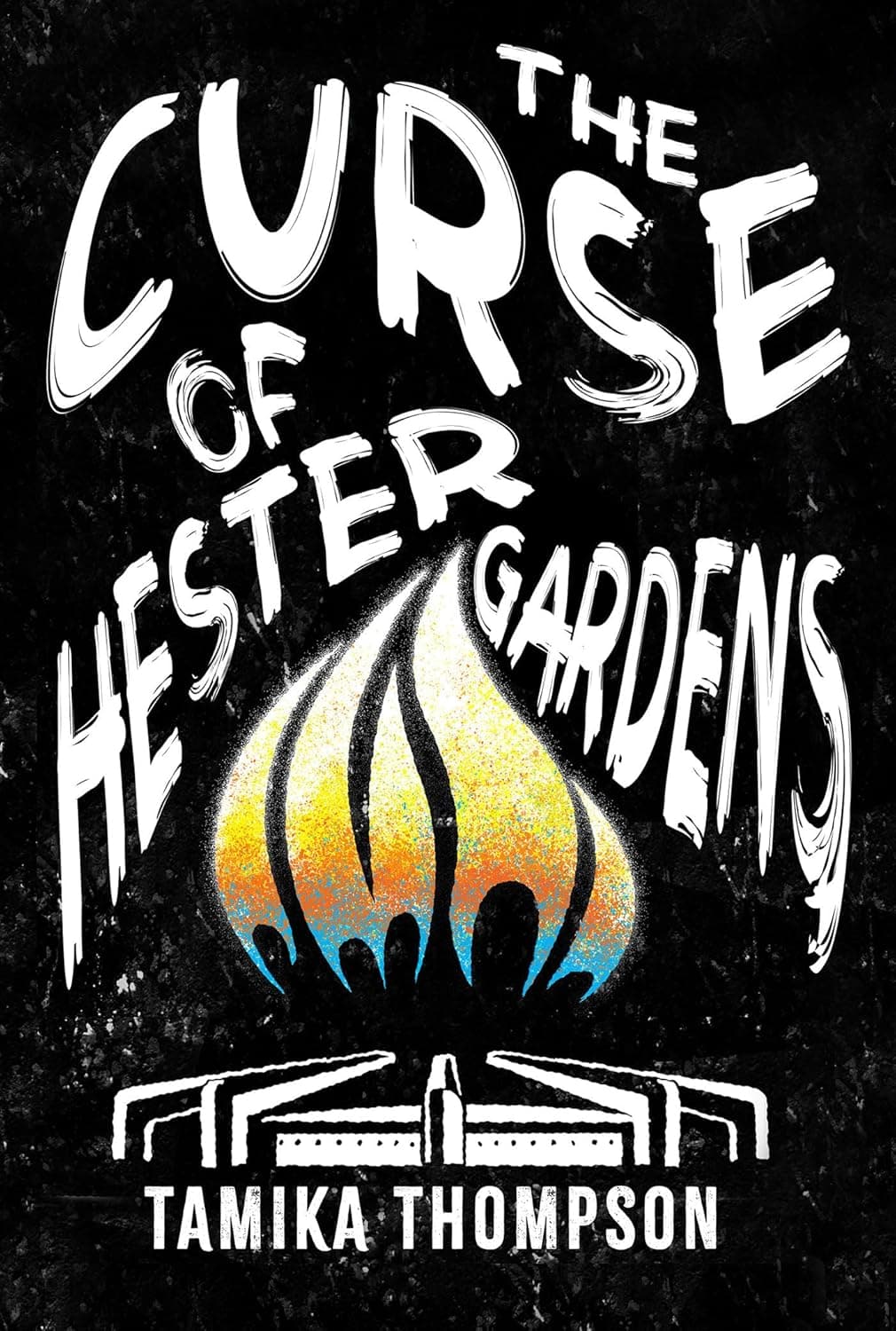
Should you read The Curse of Hester Gardens?
What works
The house's unstable geography, inherited records, and buried violence create sustained unease, while the family history gives the supernatural threat emotional roots.
What may not work for you
The first act withholds so much context that dread sometimes becomes vagueness, and the final acceleration is louder than the book's best quiet disturbances.
What may test your patience
The protagonist spends many early chapters doubting patterns the reader can already see, so the investigation takes time to catch up with the atmosphere.
Does the ending reward the effort?
Mostly. The central history comes into focus and the confrontation pays off, although a few magical rules remain convenient rather than fully established.
Reading The Curse of Hester Gardens closely
The Curse of Hester Gardens uses a family estate to make old harm feel physically present. Rooms, records, and inherited rules matter as much as any apparition, and the house grows more oppressive as the family's official history begins to crack.
Thompson builds dread patiently instead of chasing constant shocks. That restraint gives small changes in the house real weight, though the early pace may feel slow once suspicion has settled in. The closest comparison is The Shining, but Hester Gardens is more concerned with family memory and who was written out of it.
The supernatural danger is tied to the estate's history rather than pasted onto a generic haunted house. The strongest scenes connect a new disturbance to a lie, an inheritance, or a relative who has learned to keep quiet. The final stretch moves faster, but the book is better at pressure than spectacle.
Browse our psychological horror collection for more stories about haunted buildings, family secrets, and isolation.
What The Curse of Hester Gardens does well
The house is more frightening than any single apparition, and its atmosphere tightens each time the family history comes back into view.
Records, inherited rules, and altered rooms connect each new disturbance to the family's effort to suppress its past.
The final act is louder and faster, but the quieter changes inside the house are more frightening.
Three useful comparisons
The Shining
The Shining traps a small family inside a hostile hotel and probes addiction more deeply; Hester Gardens places greater weight on ancestry and an estate's private record.
Best for: Readers who want a long haunted-house novel grounded in addiction, family fear, and a child's vulnerable perception.
The Hollow Places
The Hollow Places is stranger, funnier, and more openly cosmic, while Hester Gardens maintains a solemn Gothic register.
Best for: Readers new to cosmic horror who want impossible spaces, body unease, friendship, and relief from unbroken bleakness.
The Twisted Ones
The Twisted Ones uses a chatty narrator and rural folklore for quicker unease; Thompson offers denser family history and a more claustrophobic house.
Best for: Approachable folk horror for anyone who wants a likable dog, rural isolation, and disturbing creatures without relentless despair.