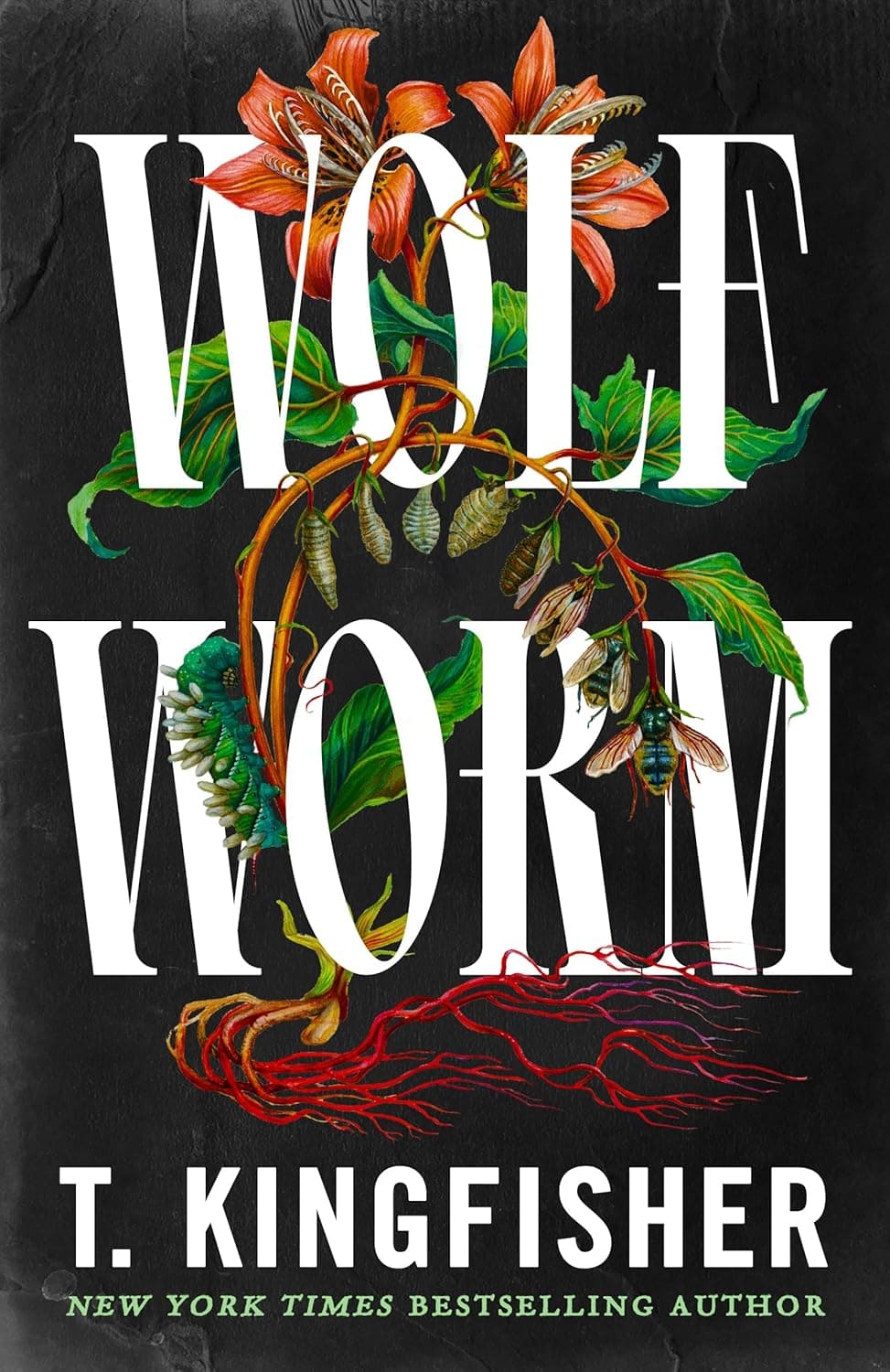
Should you read Wolf Worm?
What works
The novel keeps bodily vulnerability and unreliable perception close together, so even quiet observations can alter the apparent shape of the danger.
What may not work for you
Character motives outside the central fear remain thin, and several withheld explanations feel like delay rather than organic uncertainty.
What may test your patience
The slow middle revisits mistrust and ambiguous symptoms before the threat acquires a clearer direction; atmosphere carries more weight than event.
Does the ending reward the effort?
The final escalation pays off the physical unease, though the explanation is less distinctive than the dread that preceded it.
Reading Wolf Worm closely
Wolf Worm builds dread through isolation, bodily vulnerability, and the suspicion that the danger is changing faster than anyone can understand it. The book is more interested in sustained discomfort than in a string of jump scares.
Quiet chapters stay tense because the characters cannot agree on what is real, what is fear, and what may already be beyond repair. That uncertainty is the book's strongest quality, though the lack of firm answers may frustrate anyone who needs a clean explanation.
The tone is heavy and the horror has psychological and bodily edges. Choose it for paranoia and slow-building pressure, not for a light thriller or a reassuring ending.
Browse our psychological horror collection for more books built around isolation and uncertain perception.
What Wolf Worm does well
Creeping dread and claustrophobic tension from start to finish.
A dark blend of thriller momentum and horror atmosphere.
Strong fit for readers who enjoy unsettling psychological fiction.
Three useful comparisons
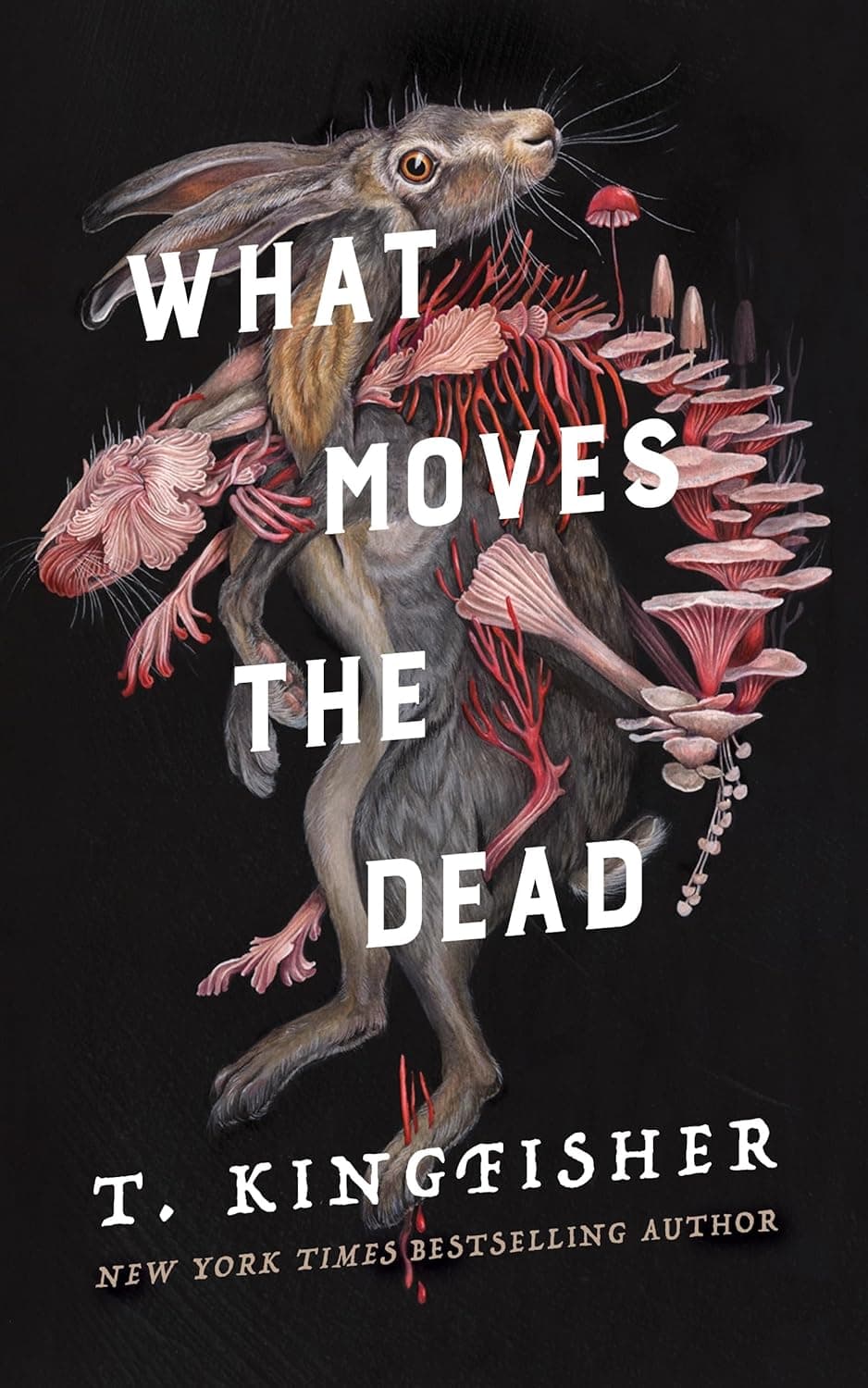
What Moves the Dead
What Moves the Dead is shorter and more exact about its biological mystery, with a stronger literary frame.
Best for: Best for anyone who wants a short Gothic retelling, fungal horror, body unease, and a practical narrator with flashes of dry humor.
As an Amazon Associate, I earn from qualifying purchases.
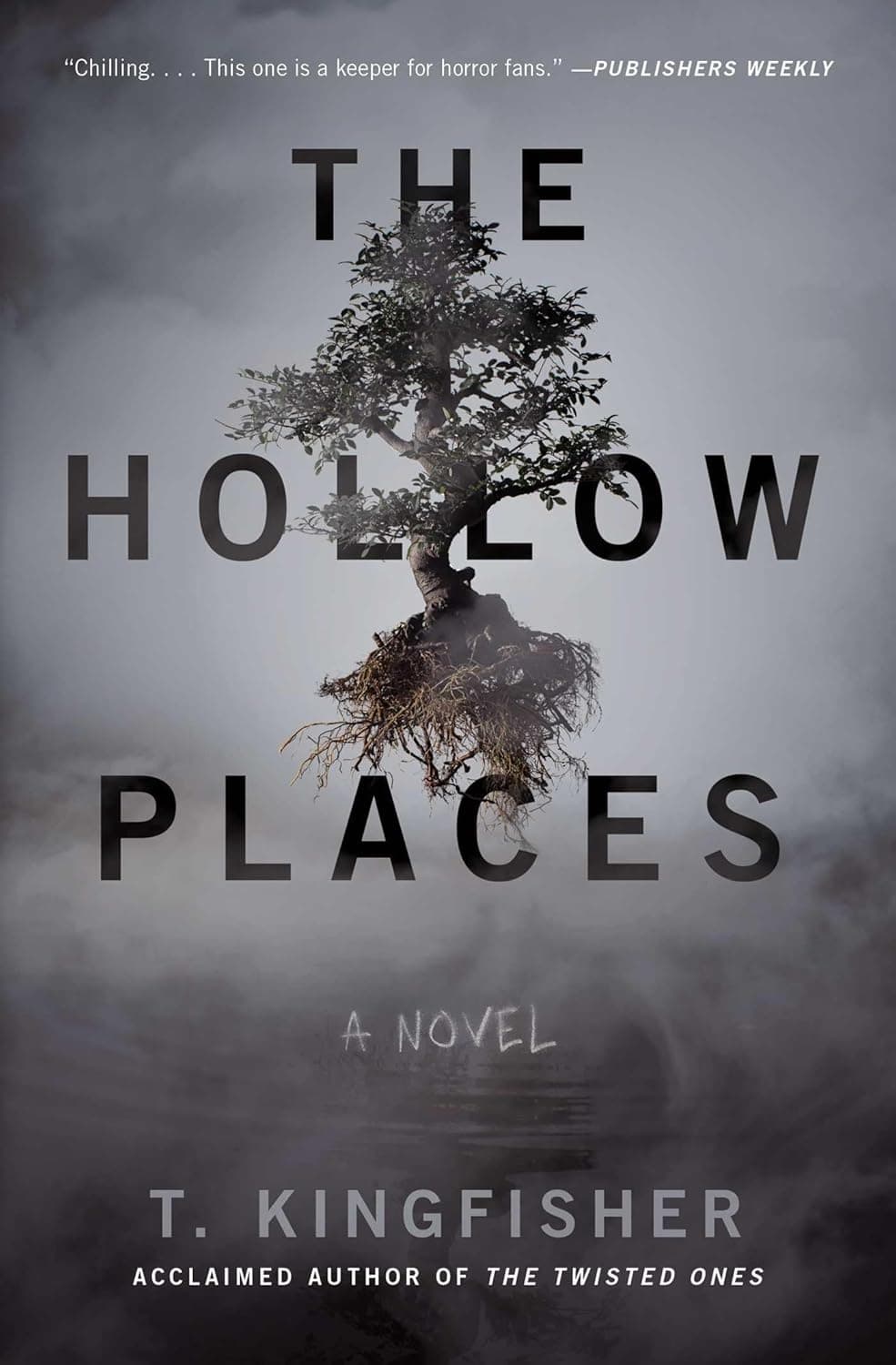
The Hollow Places
The Hollow Places offers more humor, friendship, and spatial imagination around its cosmic threat.
Best for: Readers new to cosmic horror who want impossible spaces, body unease, friendship, and relief from unbroken bleakness.
As an Amazon Associate, I earn from qualifying purchases.
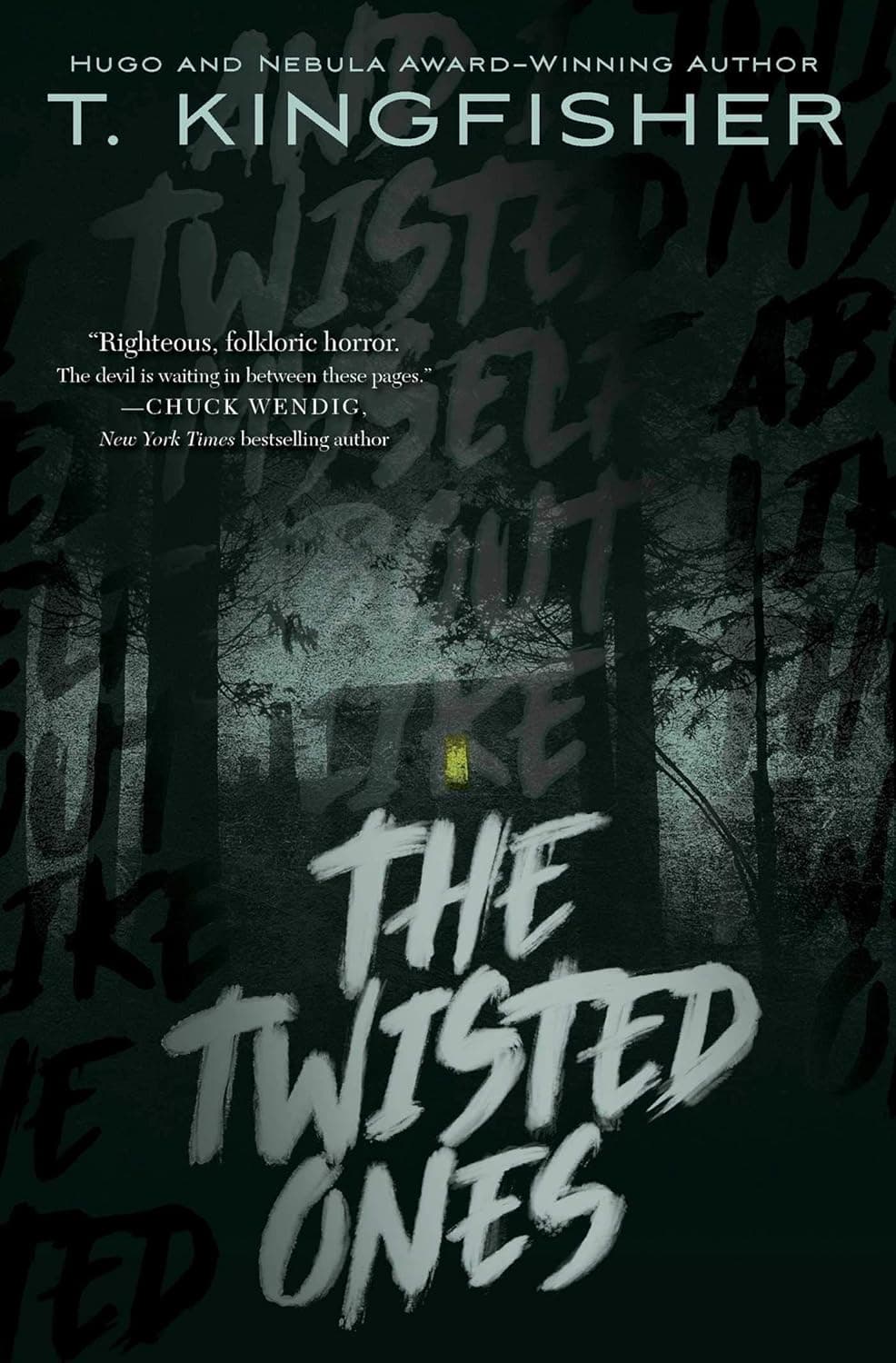
The Twisted Ones
The Twisted Ones builds folk horror through a rural house, a journal, and a more personable narrator-dog relationship.
Best for: Approachable folk horror for anyone who wants a likable dog, rural isolation, and disturbing creatures without relentless despair.
As an Amazon Associate, I earn from qualifying purchases.