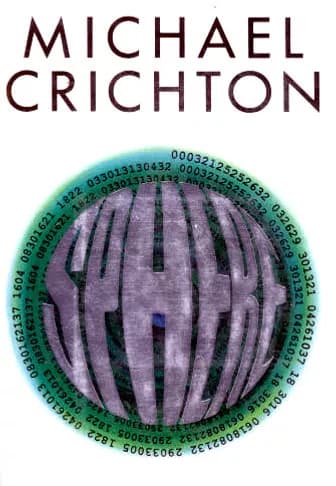
Should you read Sphere?
What works
The habitat, pressure, communication delays, alien object, and group psychology create layers of confinement that keep changing the likely explanation.
What may not work for you
Character psychology is sometimes reduced to one formative wound, and the late rules become less rigorous than the excellent physical setup.
What may test your patience
The team spends a long stretch testing the sphere and debating contact before the manifestations establish a firmer pattern.
Does the ending reward the effort?
Mostly. The final choice fits the psychological argument, though it tidies consequences more conveniently than the preceding terror deserves.
Reading Sphere closely
Sphere sends psychologist Norman Johnson and a team of specialists to a deep-sea habitat after an enormous spacecraft is discovered on the Pacific floor. The vessel appears to have rested there for centuries, yet its construction creates questions that make an ordinary alien-contact explanation impossible. Inside waits a polished sphere that resists every attempt at interpretation.
Isolation turns the investigation inward. Limited communication, pressure, darkness, and dependency on habitat systems make every disagreement consequential. Crichton combines scientific specialties with psychological suspense, asking what happens when trained observers encounter evidence shaped by fear, expectation, and private thought. The most dangerous variable may not be the object itself.
The novel is accessible and fast, though its character psychology sometimes serves the mechanism more neatly than real behavior would. It contains deaths, underwater peril, and disturbing manifestations but is more suspenseful than graphically horrific. Readers should avoid detailed plot summaries because the nature of the threat is revealed in stages; the premise alone provides enough reason to enter.
A spacecraft beneath the Pacific
The impossible age of the vessel converts archaeological investigation into a problem about time and origin.
The habitat as pressure chamber
Physical confinement makes mistrust, sleep loss, and mechanical failure impossible to escape.
Psychology becomes operational
Norman's expertise matters because perception and imagination influence which dangers the team can recognize.
Three useful comparisons
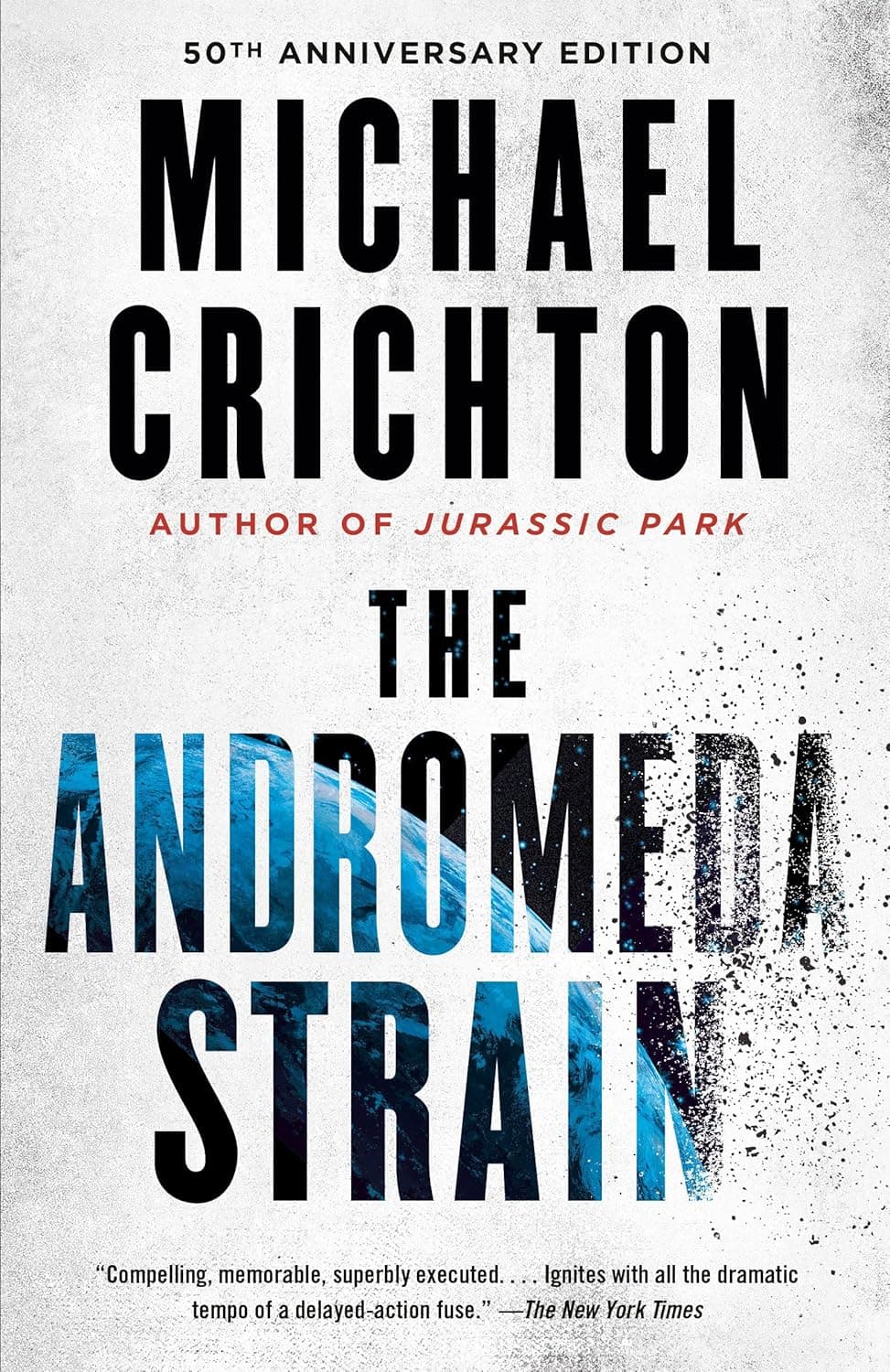
The Andromeda Strain
Andromeda is colder and more procedurally rigorous, with less character psychology.
Best for: Hard-edged outbreak science fiction for anyone who values laboratory procedure and containment systems over sentiment.
As an Amazon Associate, I earn from qualifying purchases.
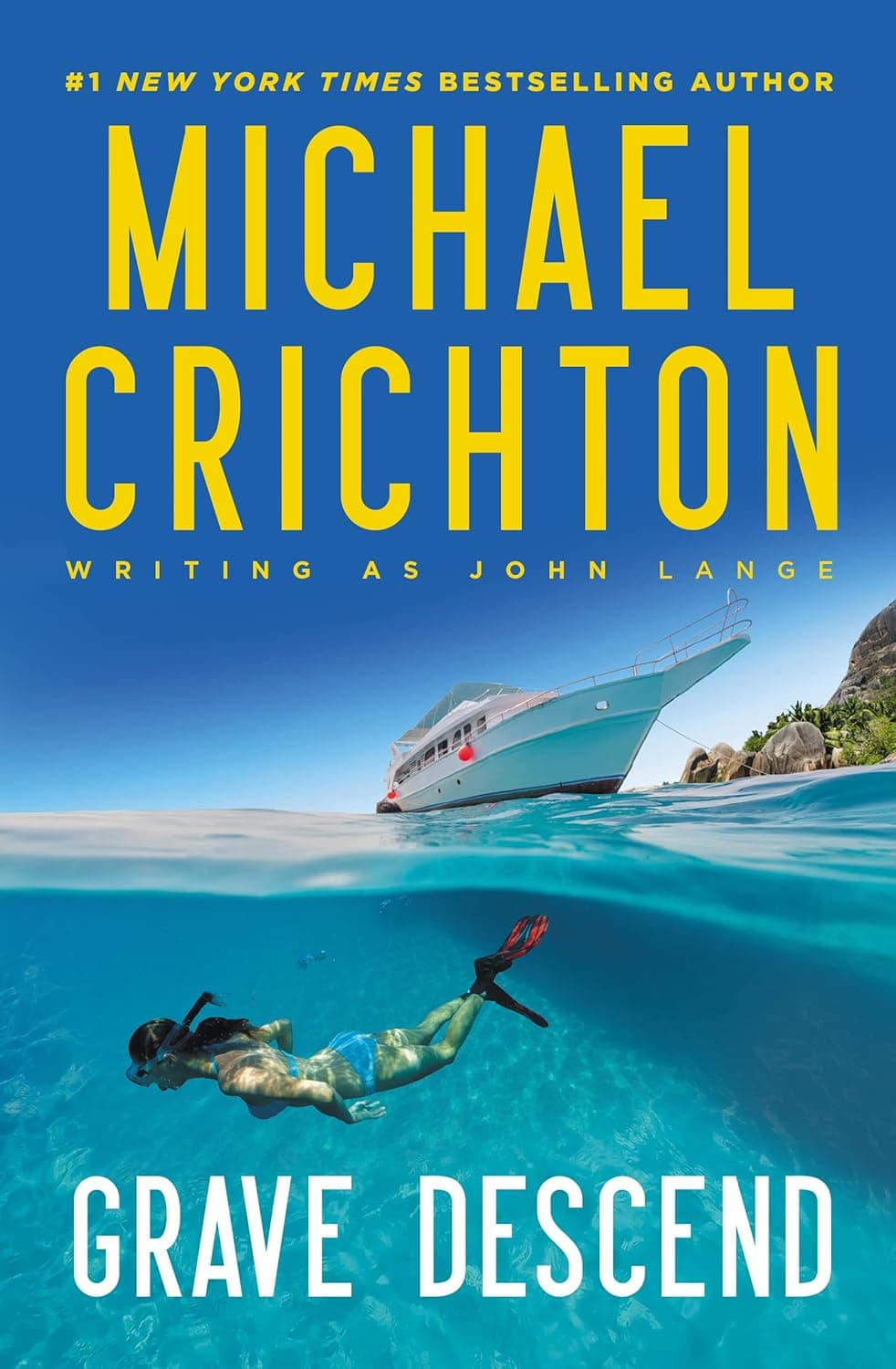
Grave Descend
Grave Descend offers a much smaller realistic diving mystery without science-fiction scale.
Best for: Choose it for a short maritime mystery, diving procedure, and straightforward vintage suspense.
As an Amazon Associate, I earn from qualifying purchases.
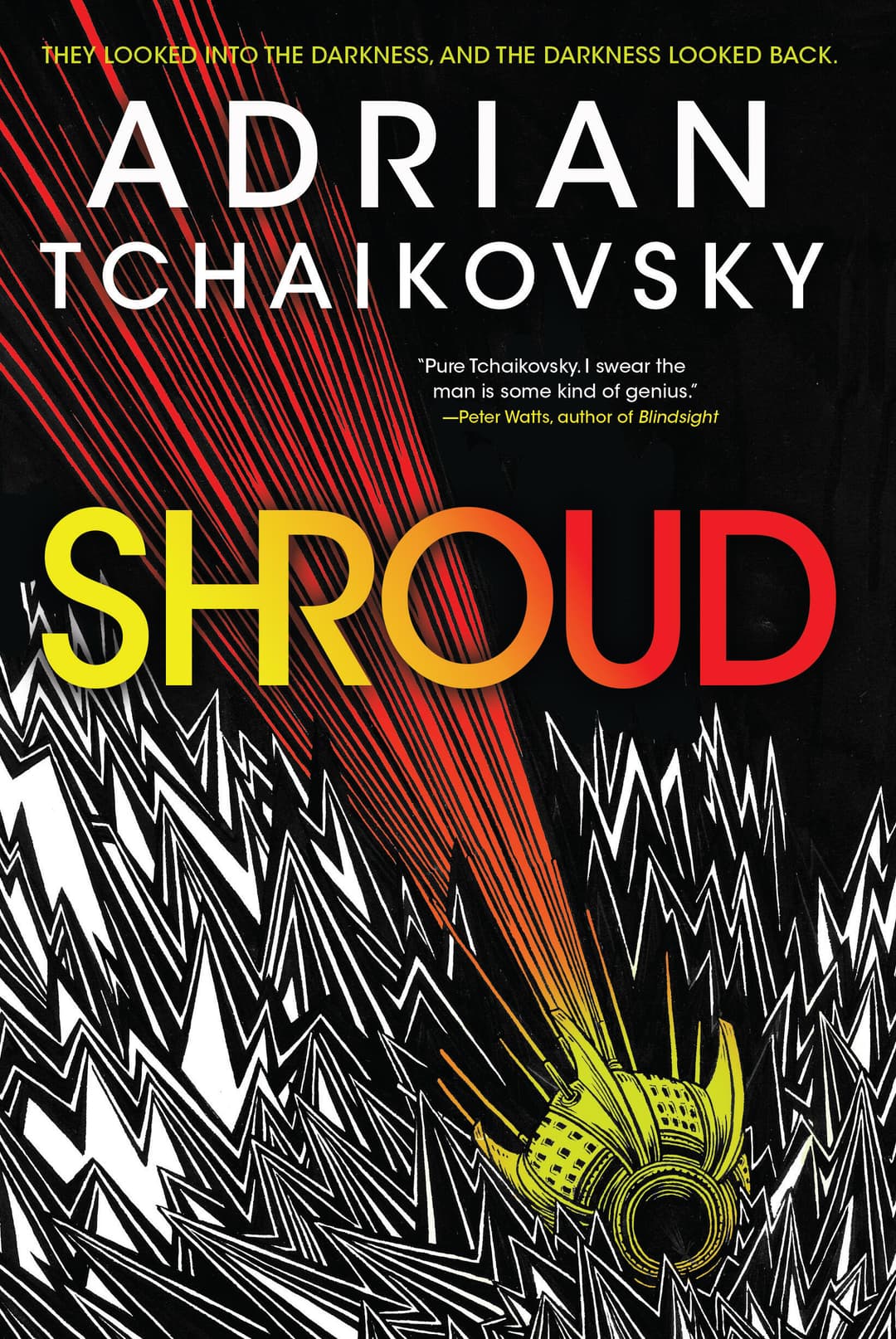
Shroud
Shroud gives alien cognition and hostile-environment science far greater rigor, but moves more slowly.
Best for: Readers of rigorous first contact, hostile-environment survival, alien cognition, and detailed ecological science fiction.
As an Amazon Associate, I earn from qualifying purchases.
Make the next decision