Idea-led reading
Accessible books with big ideas
Each book gives you a clear way in without pretending the question is simple. You can follow the story or argument on a first read and still have something worth disputing afterward.
Best starting point
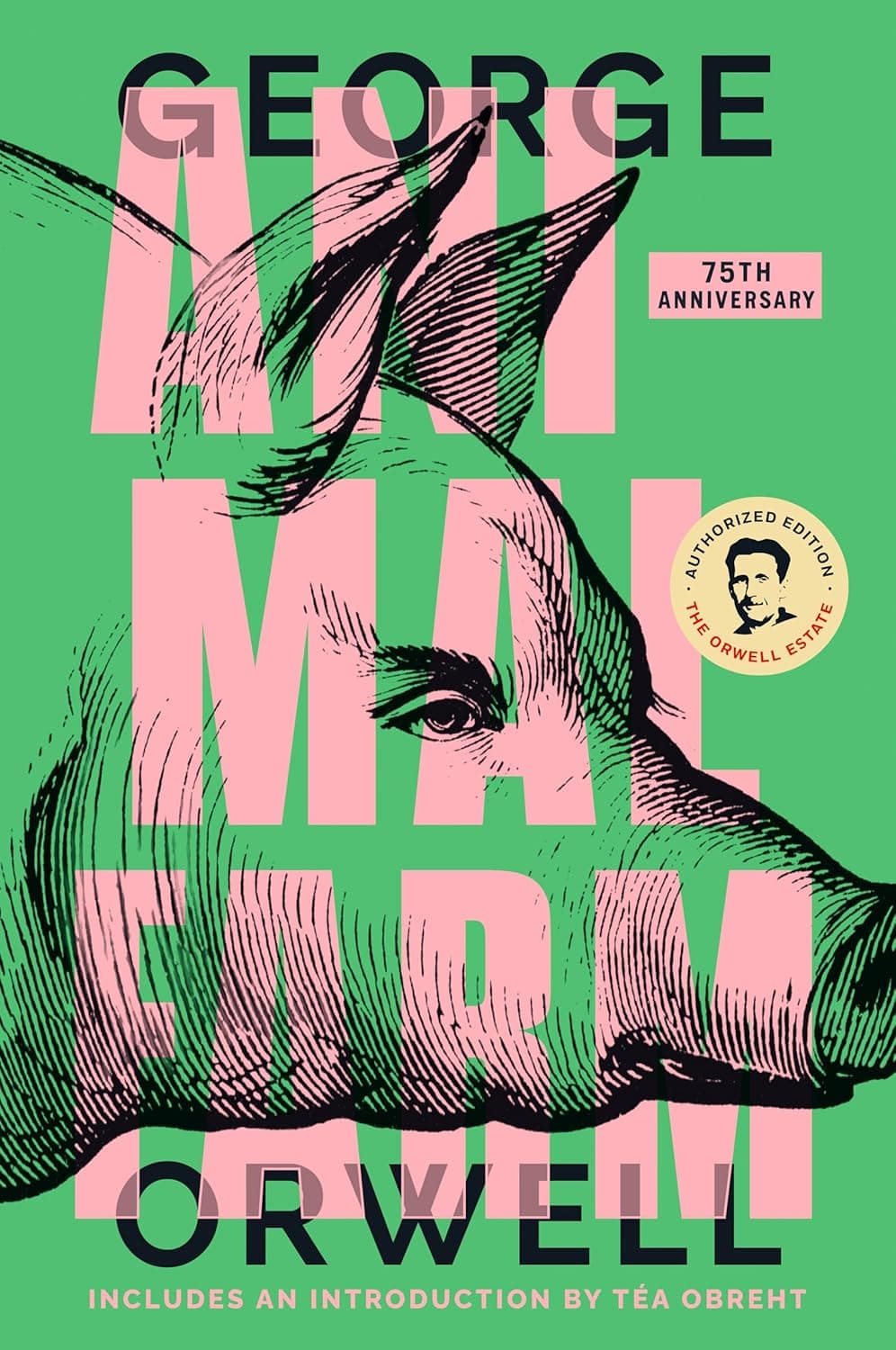
Animal Farm offers the highest idea-to-page ratio
Orwell gives every political change a visible form: a commandment is altered, work increases, food changes hands, and yesterday's memory becomes dangerous. The fable is easy to follow without making its argument harmless. Readers who prefer scientific problem solving should start with The Martian instead.
Accessible does not mean intellectually easy. It means the book establishes its problem quickly and gives you enough context to continue without specialist knowledge. You may still disagree, need historical context, or stop over a difficult implication. The obstacle should be the idea, not unnecessary confusion about what the book is doing.
Big ideas do not require long books. All Systems Red asks who counts as a person through the irritated private voice of someone treated as equipment. Fahrenheit 451 turns censorship into a story about attention, pleasure, and the fear of discomfort. Jurassic Park examines control and commercial systems while dinosaurs dismantle the claim that the park is manageable. Narrative pressure can carry serious thought.
The choices
Eight clear books that open larger arguments
The notes identify both the idea and the device that makes it approachable. No choice is presented as the final word on its subject.
1
Animal Farm
Power and language
A farm rebellion replaces one authority and gradually reproduces the habits it condemned. Animals, rules, songs, labor, and food distribution make political manipulation concrete. The allegory invites historical reading, but its clearest insight is broader: control over ordinary memory and shared language can make an obvious betrayal difficult to name.
Start here for: a short classic that can support both first reading and serious discussion. Pair it with historical context rather than reducing every character to a quiz answer.
2
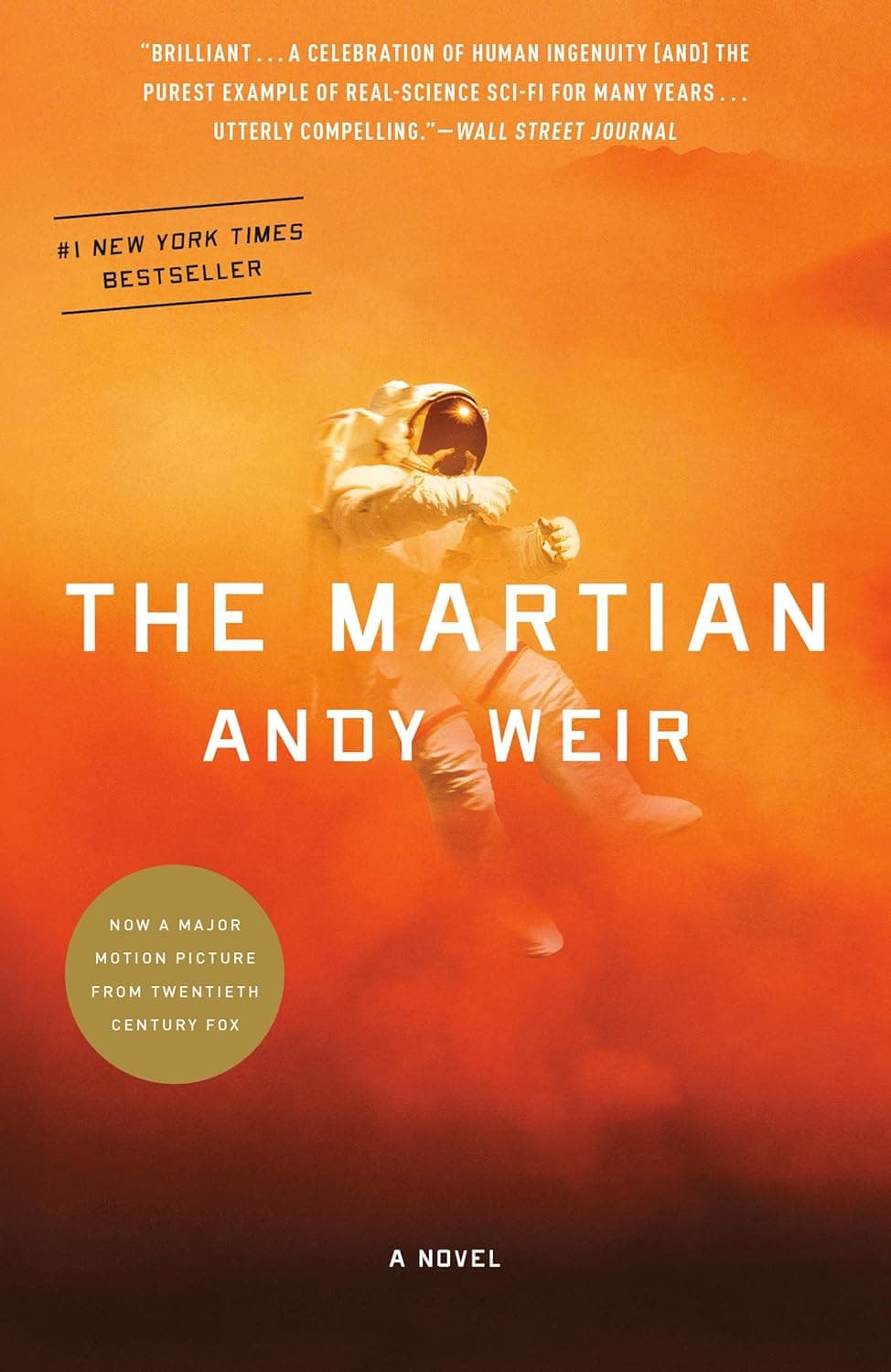
The Martian
Science as process
An astronaut stranded on Mars survives by turning food, air, water, communication, and travel into a chain of testable problems. Weir explains enough engineering to make solutions satisfying, then uses failure to show why evidence and revision matter. The larger idea is not solitary genius but competence distributed across many people.
Start here for: readers intimidated by hard science fiction. The technical detail is substantial, yet almost every explanation answers an urgent physical need.
3
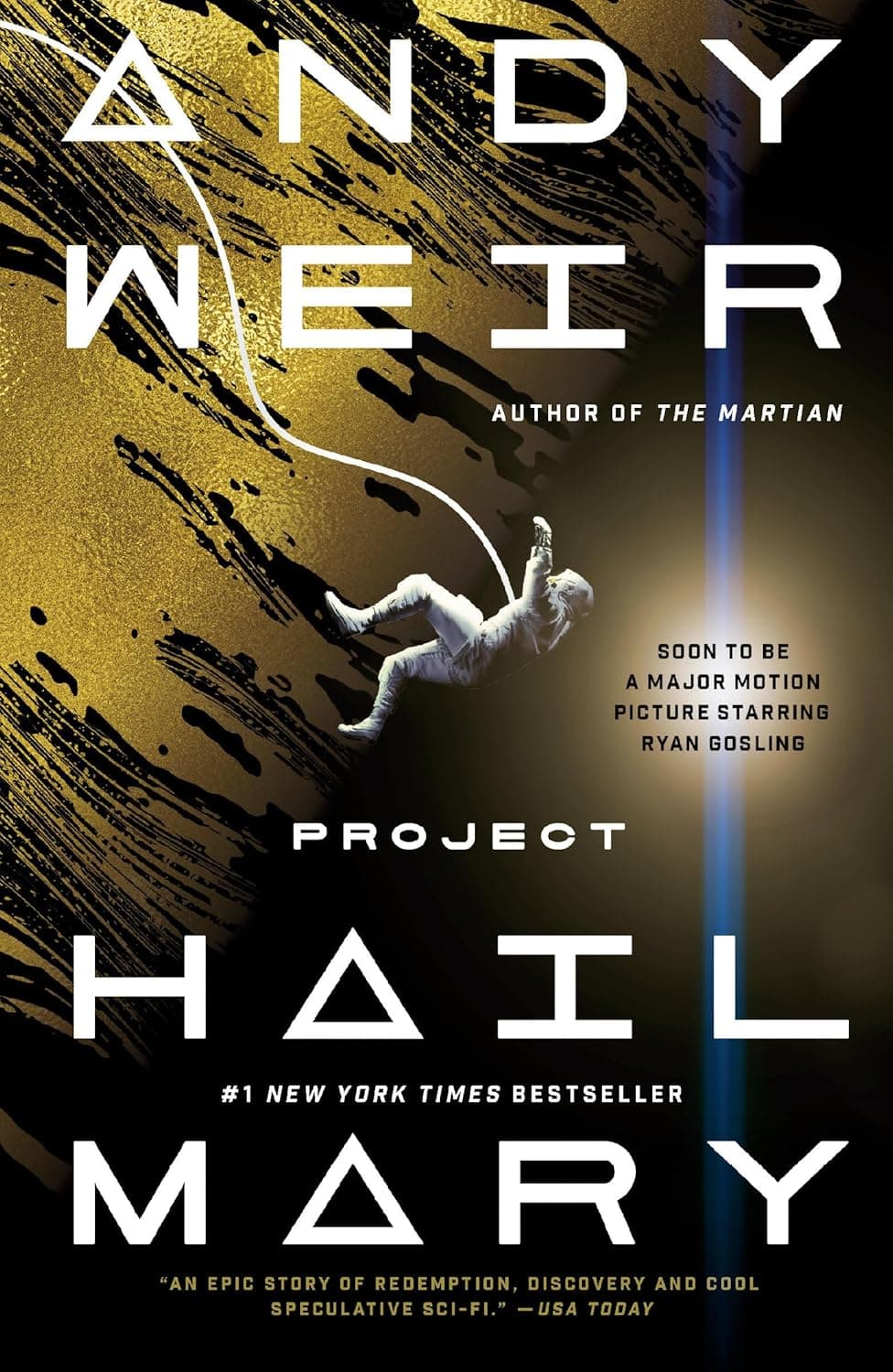
Project Hail Mary
Communication and cooperation
A scientist wakes with incomplete memory aboard a mission tied to Earth's survival. The recovered problem solving is accessible because each experiment has a visible question. The novel grows beyond competence when communication across radical difference becomes necessary, turning curiosity into a form of ethical attention.
Start here for: a longer, warmer science thriller. It offers more emotional discovery than The Martian while retaining a similarly clear problem-solving rhythm.

4
All Systems Red
Personhood and autonomy
Murderbot is legally equipment, secretly free of its control module, and deeply uncomfortable with human attention. Wells avoids an abstract lecture by making autonomy visible in small preferences: privacy, entertainment, contracts, risk, and the right not to perform gratitude. The action plot keeps those questions attached to choices.
Start here for: a one-evening route into artificial intelligence and personhood. It is concise enough to invite rereading without feeling like a philosophical exercise.
5
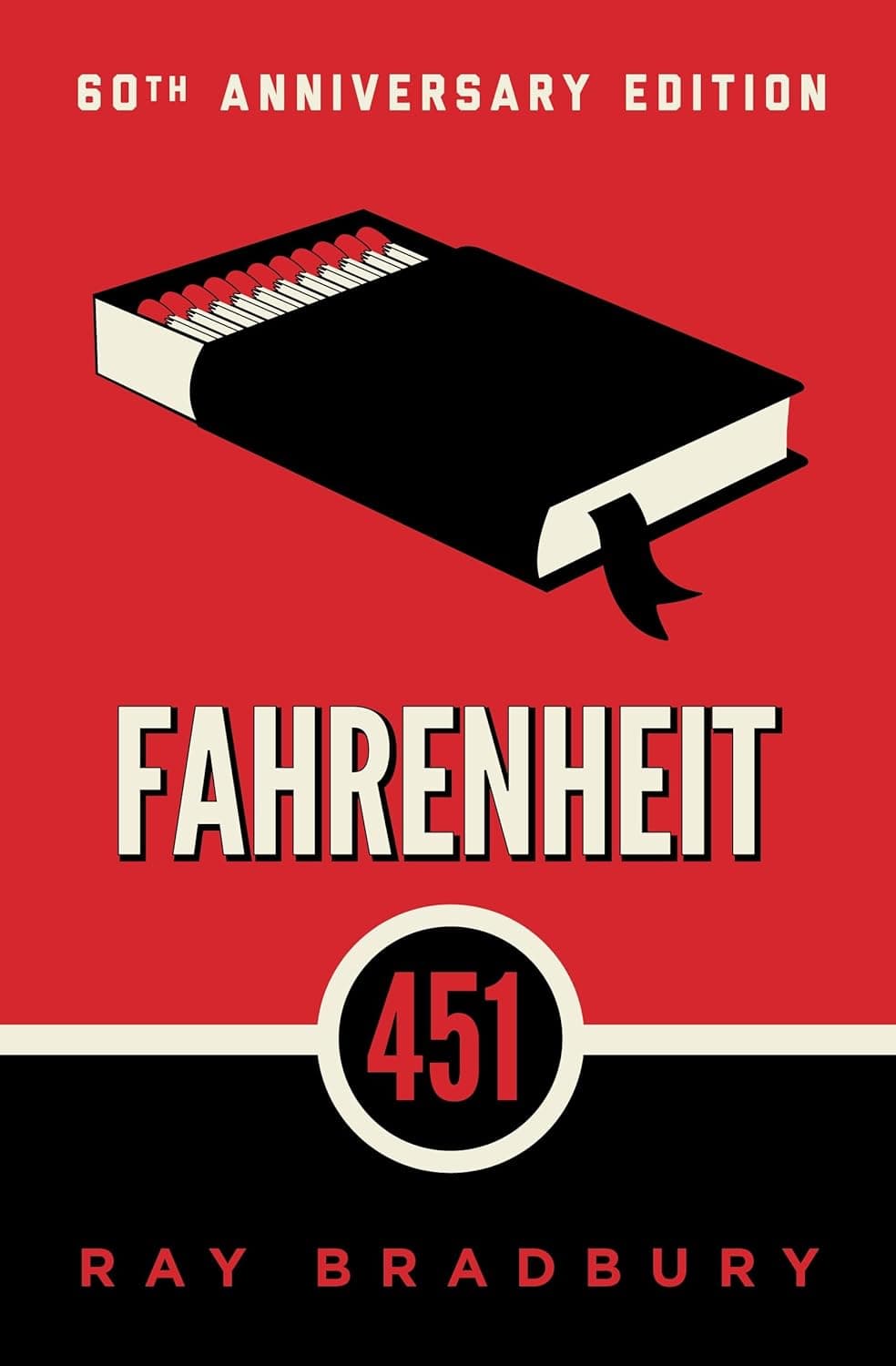
Fahrenheit 451
Attention and censorship
Bradbury imagines a culture where firemen burn books, but the novel's anxiety reaches beyond formal censorship. Speed, shallow entertainment, social conformity, and fear of unsettling thought all help maintain the system. The imagery is immediate even when the worldbuilding mechanics are looser than modern dystopian readers may expect.
Start here for: a classic that asks why people abandon difficult attention. Read it for its language and social pressure, not as a literal prediction checklist.
6
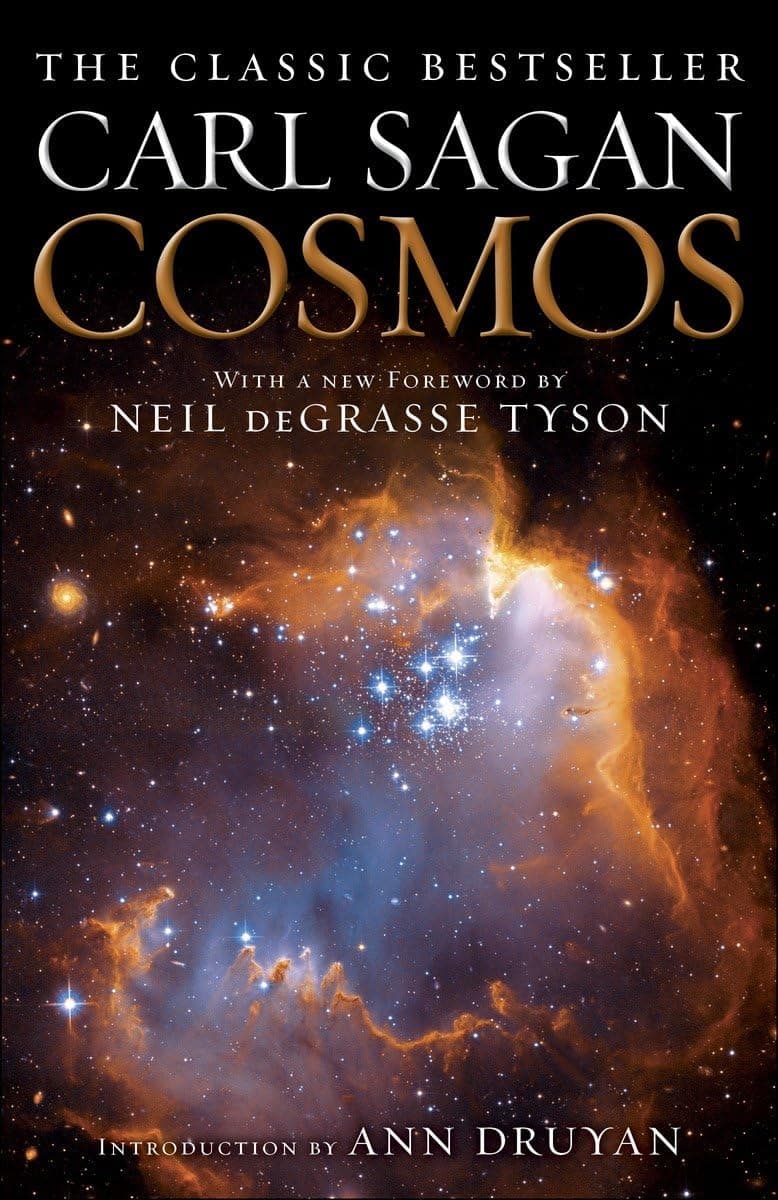
Cosmos
Scale and scientific wonder
Sagan moves between astronomy, evolution, history, and human responsibility while keeping the general reader inside the argument. Analogy and narrative help explain scale, and wonder does not replace skepticism. Some scientific details reflect the book's publication era, but its model of curious explanation remains powerful.
Start here for: nonfiction that makes the universe feel larger without treating the reader as an expert. Choose one chapter at a time rather than rushing for completion.
7
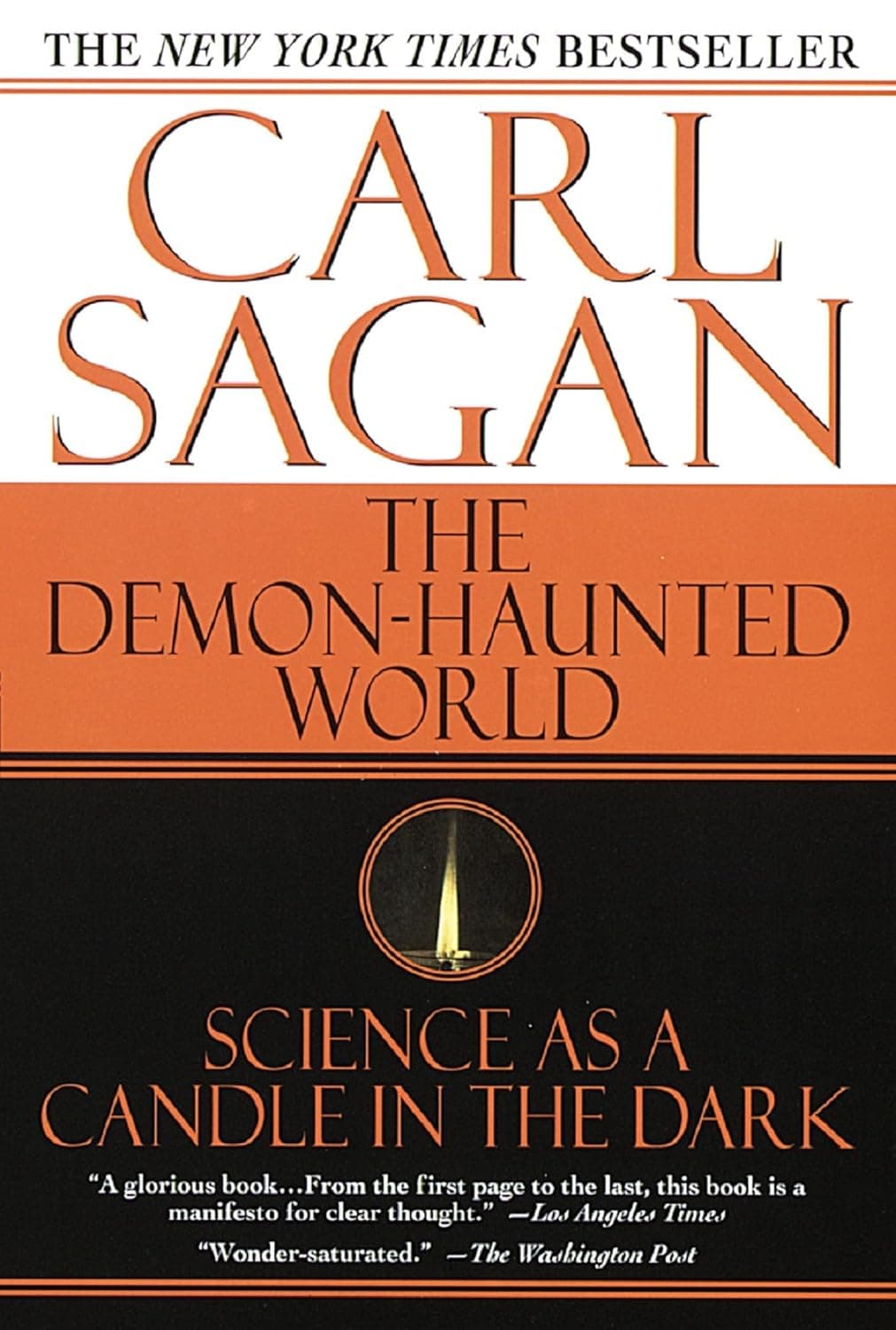
The Demon-Haunted World
Evidence and belief
Sagan examines why extraordinary claims attract us and how scientific habits can protect both wonder and public reasoning. The famous practical tools matter, but the stronger book also considers education, fear, memory, and the social conditions that make poor evidence persuasive.
Start here for: a humane introduction to skepticism. It is more argumentative than Cosmos and works best when readers test its principles rather than repeating them as slogans.
8
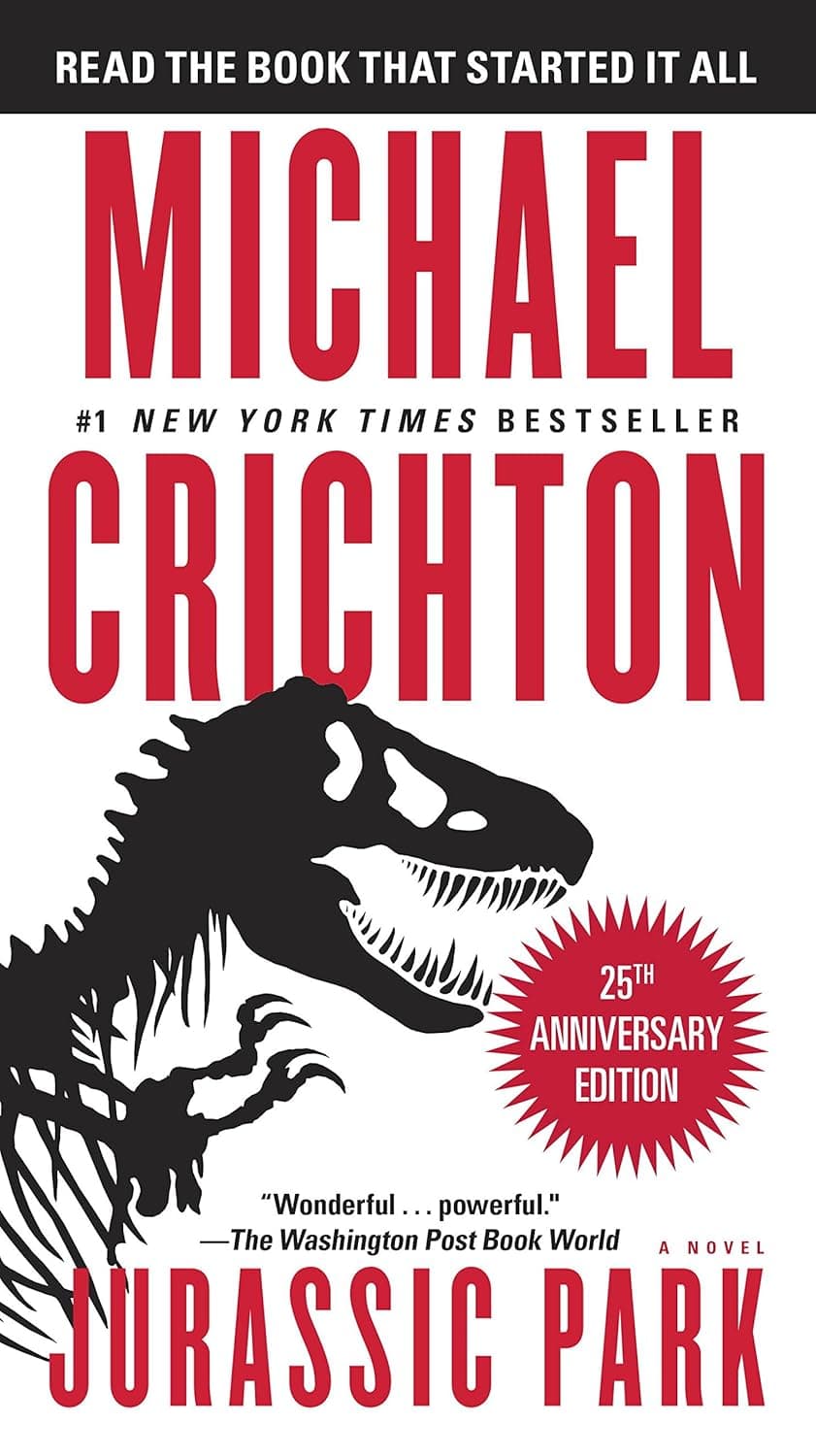
Jurassic Park
Complex systems and control
A theme park built around cloned dinosaurs depends on its owners believing that visible monitoring equals genuine control. Crichton uses technical briefings, financial incentives, biological reproduction, and cascading failures to show why complex systems resist neat management. The adventure makes the systems argument difficult to ignore.
Start here for: big ideas delivered through a fast thriller. Expect stronger violence and more technical discussion than the film adaptation.
Side by side
Choose the idea and the delivery system
A reader who dislikes essays may love the same question inside a survival plot. Format matters as much as subject.
| Book | Central idea | How it becomes accessible | Reading effort |
|---|---|---|---|
| Animal Farm | Power changes language | Concrete political fable | Low |
| The Martian | Knowledge advances through testing | Immediate survival problems | Low to moderate |
| All Systems Red | Autonomy belongs to persons | Distinctive voice and action | Low |
| Fahrenheit 451 | Attention can be surrendered | Vivid dystopian images | Moderate |
| Cosmos | Scientific scale changes perspective | Analogy and historical narrative | Moderate |
Accessibility should invite disagreement
A clear book can still simplify. Animal Farm compresses political history into a fable. Jurassic Park makes complex systems vivid through a spectacular failure. Sagan chooses examples to build an argument about evidence. Good reading does not end with recognizing the thesis. It asks what the form reveals, what it leaves out, and whether the conclusion survives a different case.
That is why the reviews linked here include what did not work and where patience was tested. A book with a valuable idea is not exempt from clumsy characterization, dated assumptions, or a solution that arrives too neatly.
A three-book route from story to argument
Begin with All Systems Red for personhood dramatized through voice and action. Continue with Animal Farm for a compact political form whose clarity invites historical context. Finish with The Demon-Haunted World, where the argument is explicit and the reader must examine habits of evidence directly. For a science-focused route, replace Animal Farm with The Martian and end with Cosmos.
Quick answers
Questions readers ask before buying
Are these books suitable for beginners?
Yes, in the sense that specialist knowledge is not required. Content and historical context still matter, so use the individual reviews to check age fit, violence, and the kind of attention each book asks for.
Which book is shortest?
All Systems Red and Animal Farm are the most compact choices in common editions. Page counts vary, so check the edition if a strict limit matters.
Which book has the biggest ideas with the least science?
Animal Farm and Fahrenheit 451 are the clearest fiction choices. The Demon-Haunted World is nonfiction about evidence and public reasoning but does not require technical training.
Sources
Sources for this guide
Publisher pages were checked for official premises and edition context. Accessibility and idea-to-effort judgments reflect our reviews and are presented as reading guidance, not academic measures of complexity.
Keep reading