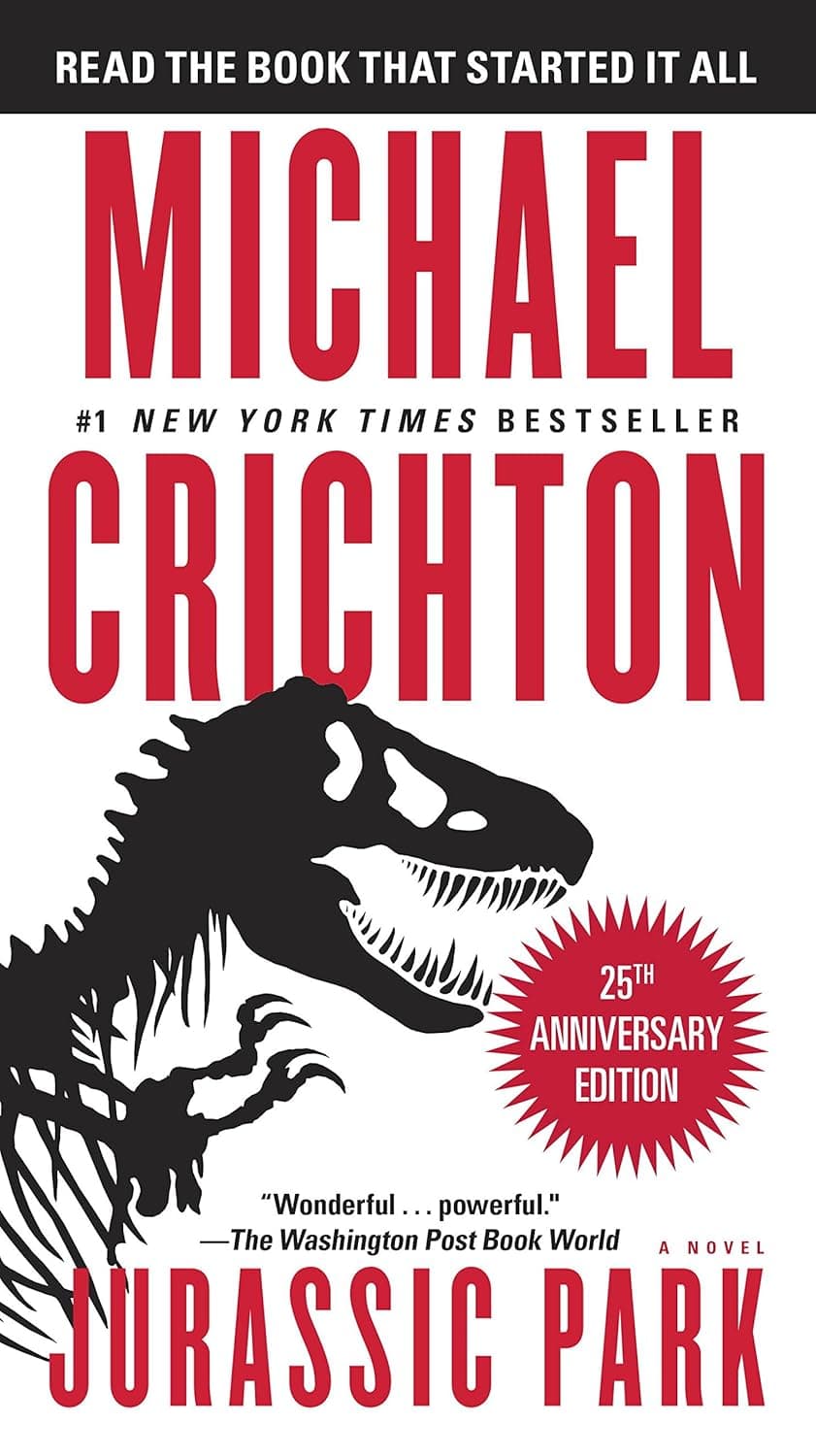
Should you read Jurassic Park?
What works
The park fails as a system, not through one loose cable or one villain. Breeding assumptions, incomplete software, secrecy, staffing, incentives, and animal behavior interact until no single safeguard means what management thinks it means.
What may not work for you
Several characters become delivery systems for positions in the novel's argument, especially when Malcolm repeats the case against control. The lectures can halt scenes that already demonstrated the point more effectively through action.
What may test your patience
The later chaos-theory discussions restate instability after the park has already made it visible. They are central to the novel, but one or two exchanges arrive when the survival plot has more momentum than the argument needs.
Does the ending reward the effort?
Yes. The escape pays off the practical failures established from the opening chapters, and the final consequences support the warning about institutional control. A few character outcomes are abrupt, but the system-level argument lands.
Reading Jurassic Park closely
Jurassic Park begins with entrepreneur John Hammond's island attraction, where geneticists reconstruct dinosaurs from ancient DNA and engineers automate their containment. Paleontologist Alan Grant, paleobotanist Ellie Sattler, mathematician Ian Malcolm, and Hammond's grandchildren visit before the park opens. Evidence of uncontrolled breeding already suggests that the official inventory is a comforting fiction.
Crichton treats dinosaurs as animals rather than movie monsters, giving their behavior ecological consequences. Chaos theory supplies a language for why a complex living system cannot be made safe through more confident spreadsheets and redundant technology. Corporate secrecy, rushed software, divided incentives, and selective testing turn spectacular science into an institutional failure long before fences visibly collapse.
The novel is more technical, violent, and critical of Hammond than the film adaptation. Some genetic science has aged, but the argument about complex systems remains strong, and the alternating viewpoints keep explanations attached to escalating danger. It is an effective thriller for adult and mature teen readers who want dinosaurs alongside sustained questions about commercialization, control, and scientific responsibility.
Dinosaurs as an ecosystem
Breeding, hunting, movement, and adaptation reveal why a living population cannot be managed like theme-park inventory.
Malcolm and chaos theory
His warnings do not predict every event; they explain why the park's confidence exceeds what its data can justify.
Book and film differences
The central premise remains familiar, but characterization, violence, scientific discussion, and several events differ substantially.
Three useful comparisons
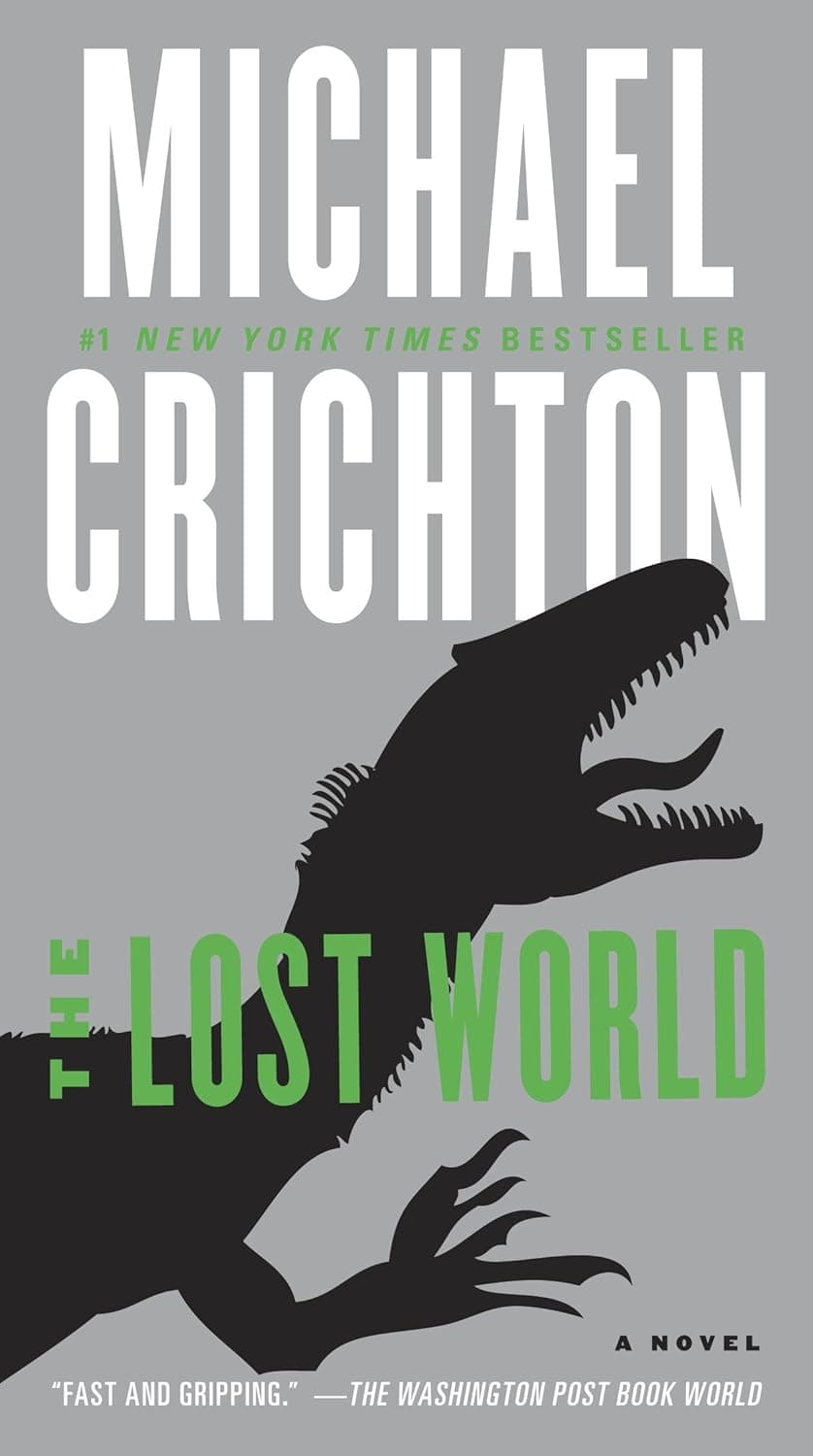
The Lost World
The Lost World replaces the managed park with an abandoned breeding island and spends more time on dinosaur behavior and extinction theory. Read it next for ecological fieldwork, but expect a slower opening and less elegant construction.
Best for: Jurassic Park readers wanting more dinosaur ecology, a research expedition, and substantial differences from the film.
As an Amazon Associate, I earn from qualifying purchases.
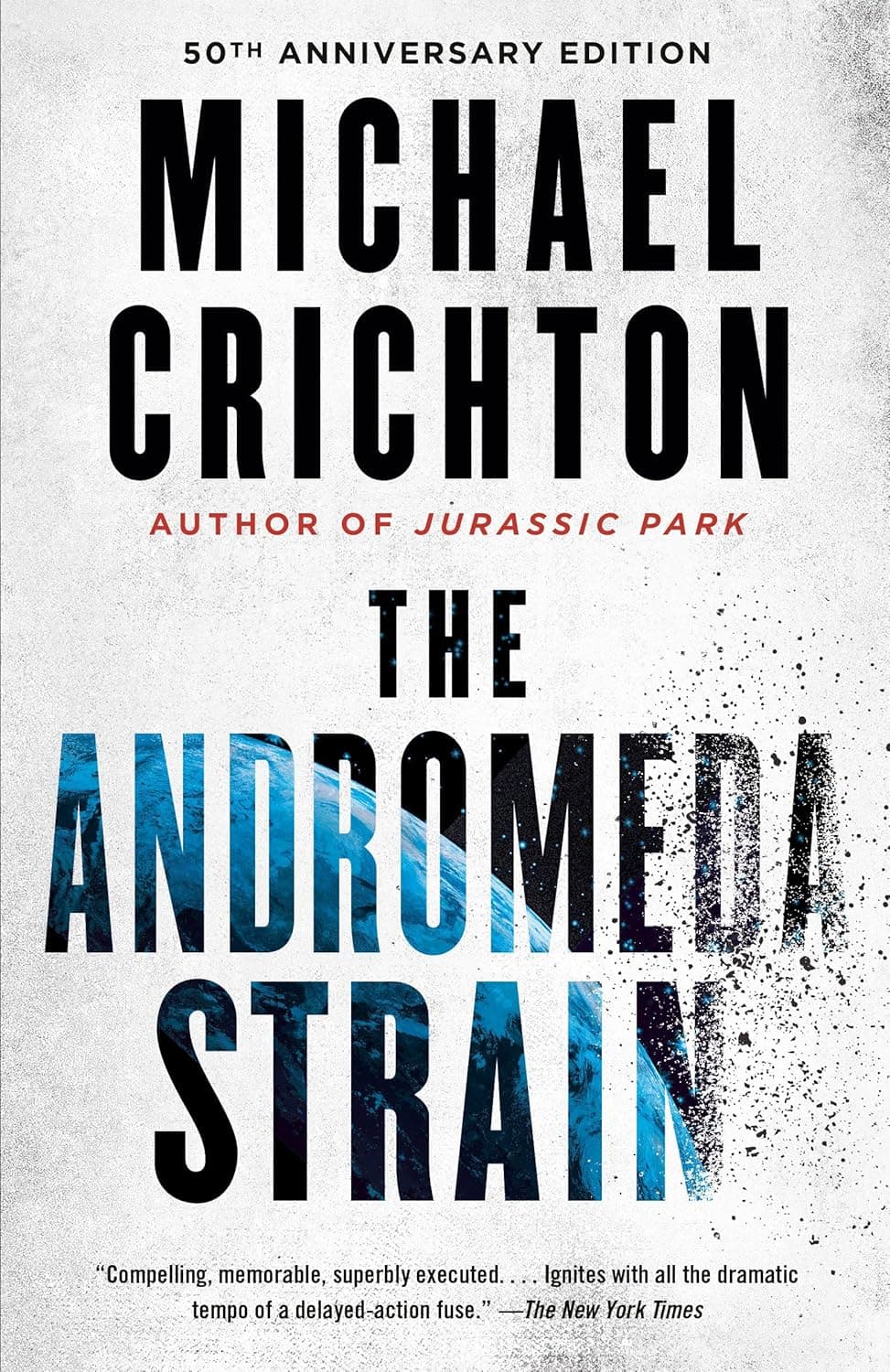
The Andromeda Strain
The Andromeda Strain is a colder, more procedural containment story with little adventure spectacle. Choose it if the laboratory protocols and institutional response interested you more than the dinosaurs.
Best for: Hard-edged outbreak science fiction for anyone who values laboratory procedure and containment systems over sentiment.
As an Amazon Associate, I earn from qualifying purchases.
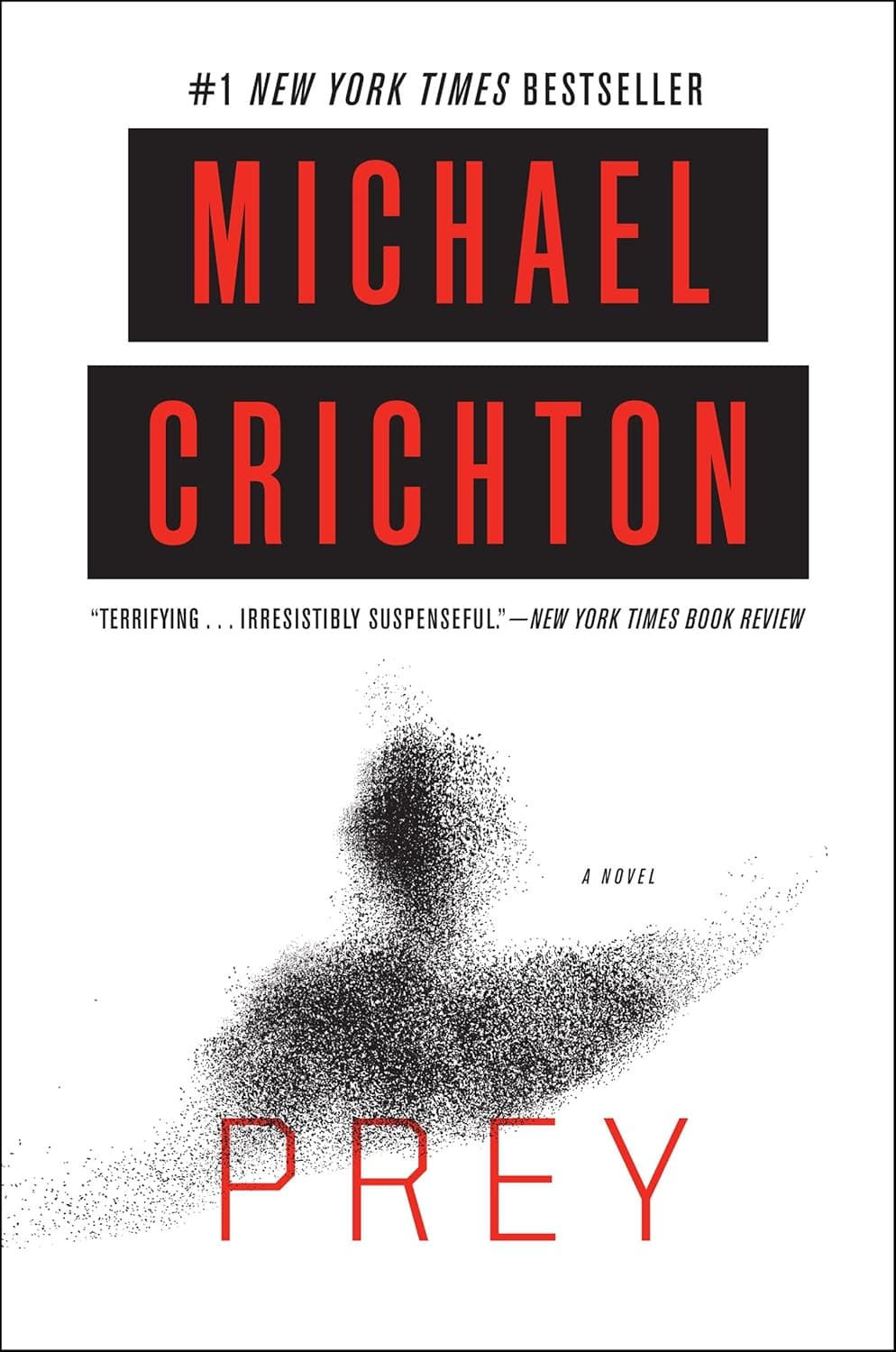
Prey
Prey returns to emergent behavior and failed technological control through nanotechnology. It is more claustrophobic and contemporary, but also more direct about turning scientific explanation into a domestic survival thriller.
Best for: Pick it for nanotechnology, emergent systems, laboratory isolation, corporate secrecy, and fast survival suspense.
As an Amazon Associate, I earn from qualifying purchases.
Make the next decision