Hopeful science fiction
Optimistic science fiction that still earns its hope
Hopeful science fiction is strongest when hope is an action rather than a decorative mood. These books let people solve, cooperate, adapt, and sometimes build something better after the damage is clear.
Best overall
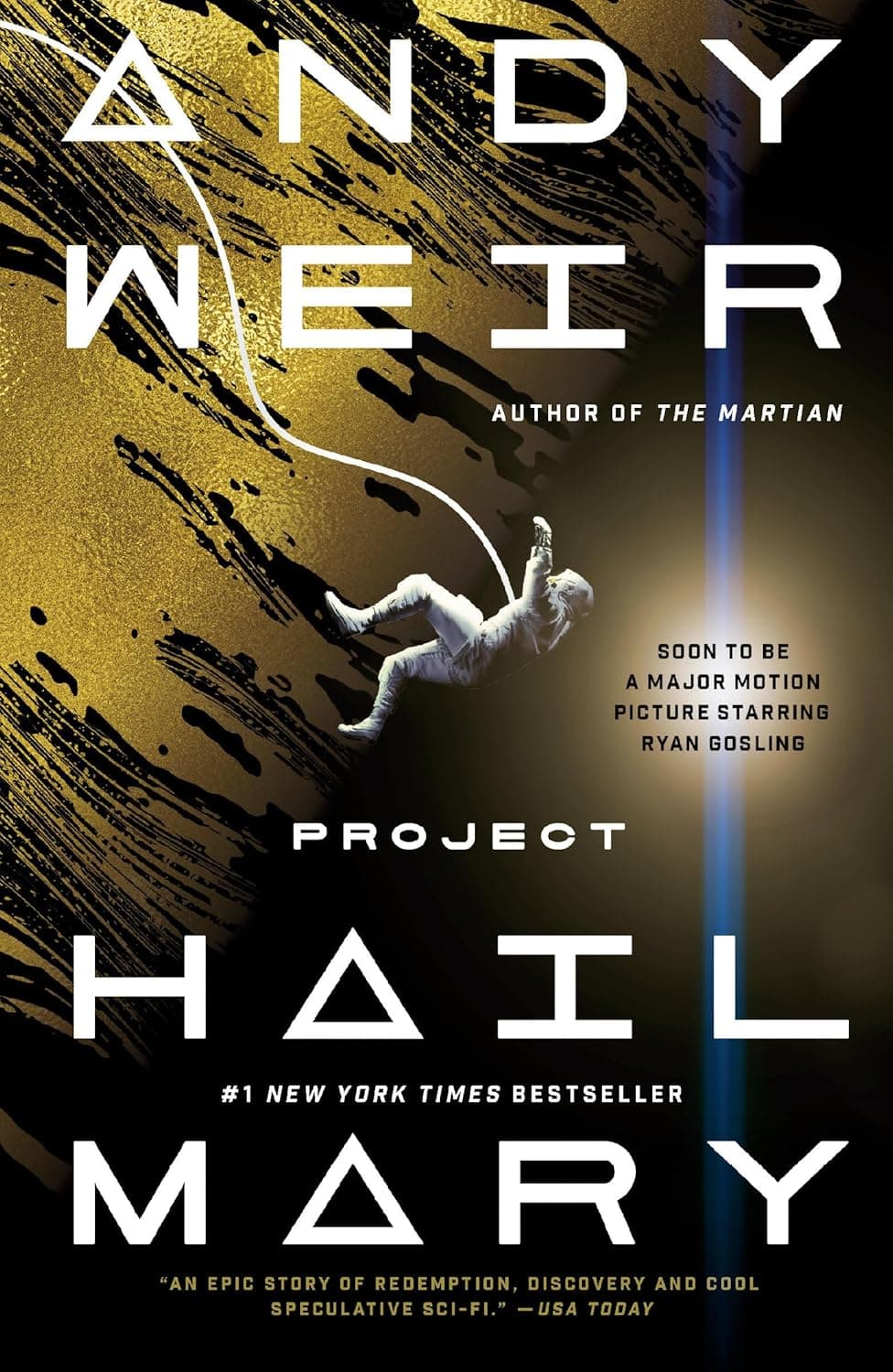
Project Hail Mary makes cooperation feel like discovery
Andy Weir builds the novel around a catastrophic problem, but curiosity keeps one isolated scientist from treating the unknown as an enemy. Experiments fail, memory complicates responsibility, and survival has a cost. Careful communication creates options that fear alone cannot see.
Optimistic science fiction does not require a spotless future. In fact, several books here begin with corporate exploitation, ecological crisis, war, or extinction risk. What separates them from despair-led stories is the range of action they leave available. Characters can learn, institutions can be challenged, strangers can cooperate, and intelligence can lead to care rather than domination.
The list includes two kinds of hope. Project Hail Mary and The Martian are competence stories in which solvable problems create momentum. Children of Time and Blue Remembered Earth take the longer view, asking whether societies and species can change. Murderbot offers something smaller but just as important: a person shaped as property can discover preferences, boundaries, and relationships without becoming conventionally human.
The choices
Nine hopeful futures with real resistance in them
The order begins with the most accessible recommendations, then widens toward larger timescales and more structurally demanding space opera.
1
Project Hail Mary
Best overall
A scientist wakes alone on a mission he cannot remember, facing a problem large enough to threaten Earth. The early chapters turn memory recovery into a sequence of testable questions. The book's defining development is not the crisis itself but the possibility of understanding another intelligence through patience, error, and shared work.
Read it for: scientific puzzles, emotional payoff, and a fast reading rhythm. Some solutions arrive very neatly, but the central relationship gives the competence story genuine warmth.

2
All Systems Red
Best short choice
Murderbot has hacked the device that controls it and mainly wants privacy. Protecting a research team forces it to negotiate attention, trust, and the terrifying possibility that people might care what it wants. The corporate future is ugly, yet the novella finds hope in boundaries, imperfect clients, and self-definition rather than instant liberation.
Read it for: a complete, witty story you can finish quickly. Its optimism is personal and provisional, which keeps it from turning sentimental.
3
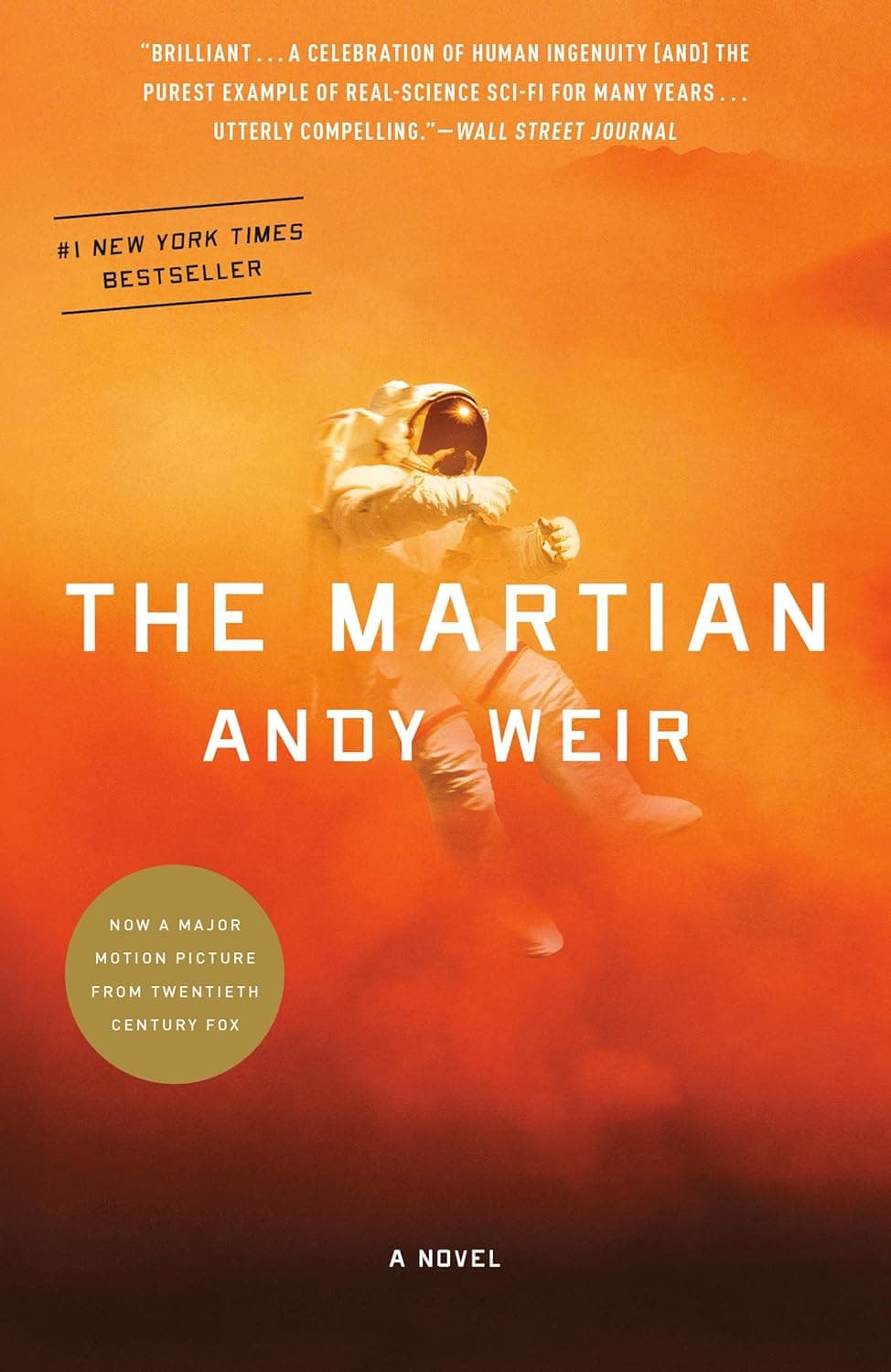
The Martian
Best competence story
Mark Watney survives Mars by breaking impossible-looking needs into smaller engineering problems. The jokes can become repetitive, but they protect the book from solemnity while teams on Earth and in space work across institutional pressure. Rescue depends on expertise shared by many people, not an isolated genius proving everyone else useless.
Read it for: clear technical problems and practical improvisation. It is less emotionally layered than Project Hail Mary but even more focused on process.
4
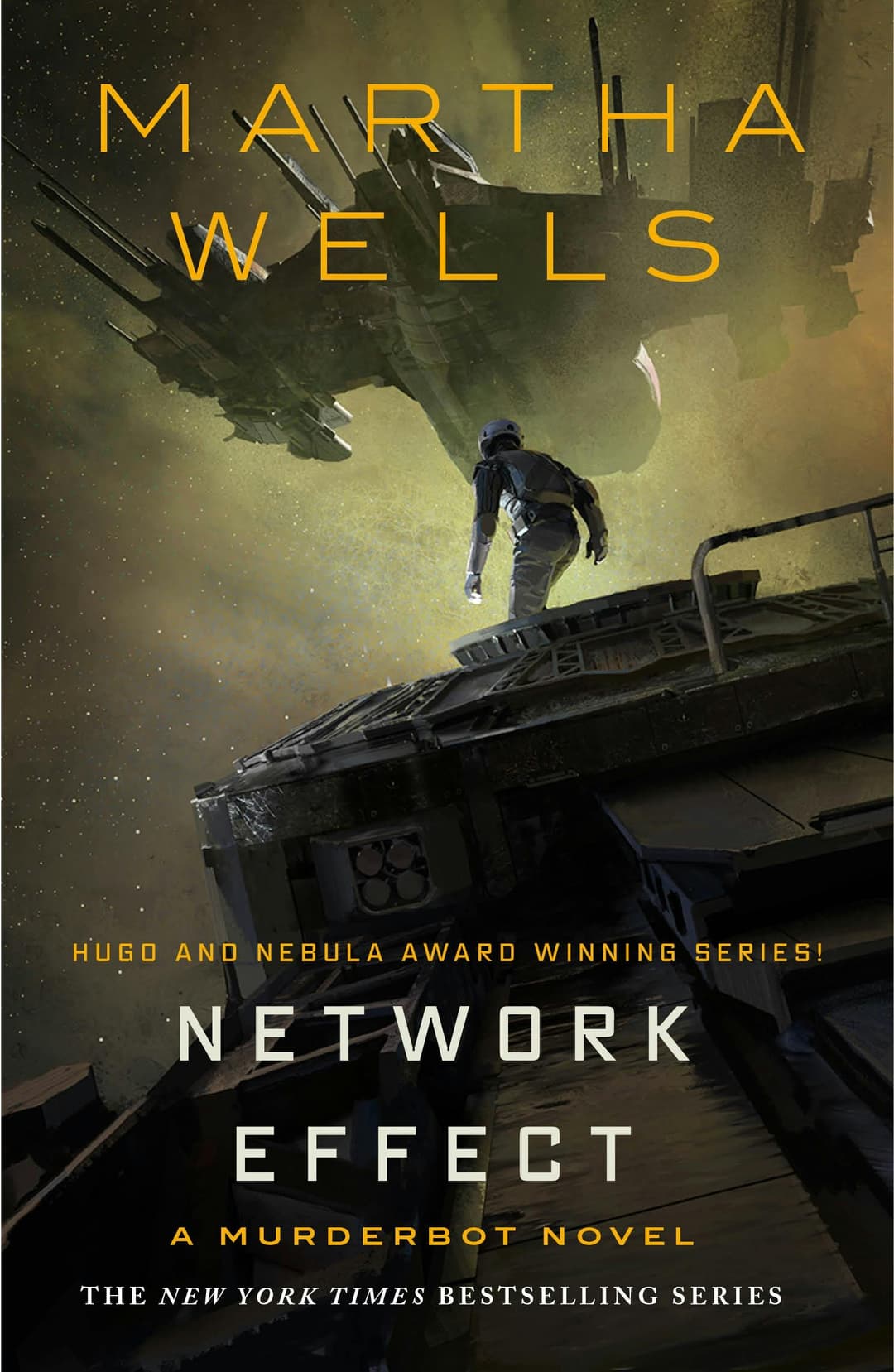
Network Effect
Best character-led choice
The first full-length Murderbot novel expands both the action and the difficulty of maintaining relationships. Murderbot is capable, frightened by emotional exposure, and often wrong about what others need. The story treats care as something negotiated through choices under pressure, not a personality upgrade that erases discomfort.
Read it for: you already know Murderbot and want the series at broader scale. Begin with All Systems Red rather than using this as your first encounter.
5
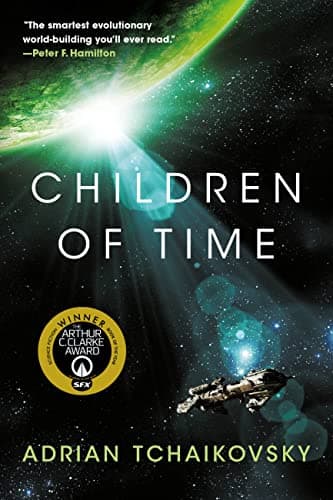
Children of Time
Best big idea
Human plans for a terraformed world fail, another intelligence develops along an unexpected path, and the remnants of humanity arrive with old habits intact. Tchaikovsky makes evolutionary change exciting without assuming intelligence must reproduce human culture. The eventual possibility of understanding is earned across generations of fear and conflict.
Read it for: evolution, civilization, and large timescales. The rotating viewpoints demand more attention than Andy Weir, but the final attempt at understanding earns the work.
6
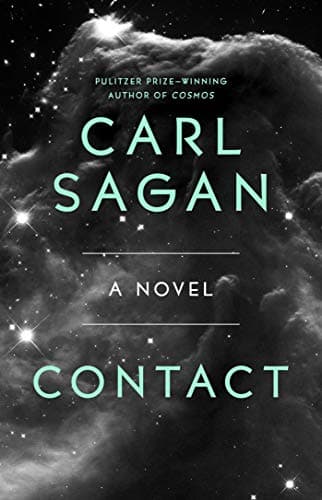
Contact
Best public first contact
A mathematical signal from Vega reaches scientists before it reaches humanity as a shared political fact. Sagan gives verification, funding, religion, security, and representation as much attention as speculative machinery. The hopeful element is not confidence that every institution will behave well. It is the belief that evidence and cooperation can remain meaningful under enormous pressure.
Read it for: first contact built around observatories, public trust, and the possibility that humility can survive discovery. It is slower and more argumentative than Project Hail Mary.
7
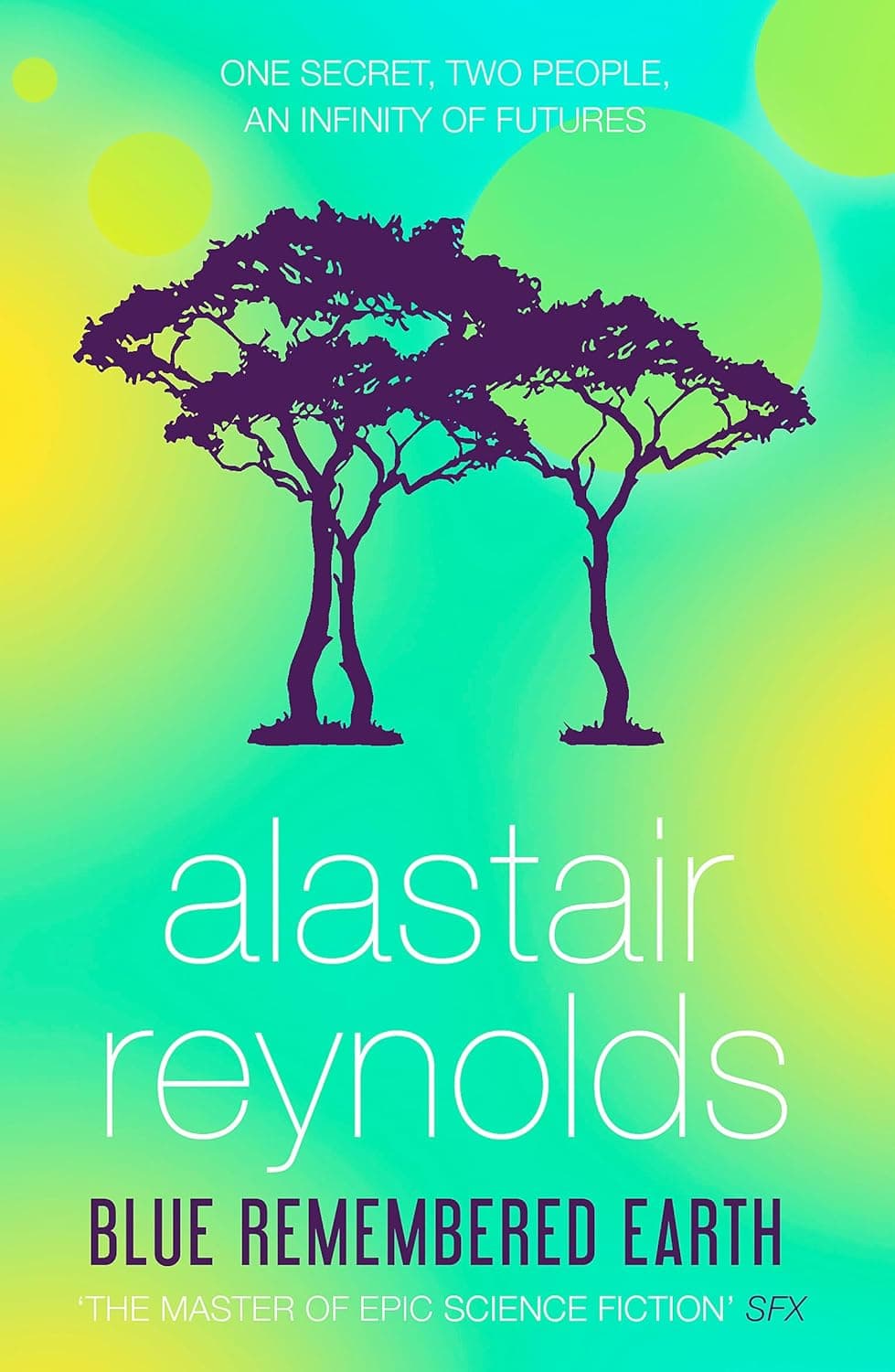
Blue Remembered Earth
Best future society
Reynolds imagines a relatively stable solar system, then follows a family mystery that exposes tensions beneath its abundance and surveillance. Africa is central to the future rather than treated as background. The novel is not utopian, but it assumes that political and technological progress can coexist with family conflict and unfinished moral questions.
Read it for: a future that has solved some problems without solving human ambition. Its pace is measured and its family plot takes time to gather force.
8
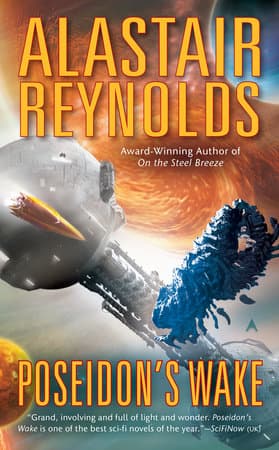
Poseidon's Wake
Best first-contact scale
The Poseidon's Children sequence reaches farther into questions of machine intelligence, inheritance, and contact. Reynolds is interested in how cultures interpret signals and how descendants handle promises made before them. The scale is enormous, but the book refuses to make simple conquest the only possible relationship between different forms of mind.
Read it for: you have read Blue Remembered Earth and On the Steel Breeze. The hope lands better when the family and technological history are already familiar.
9
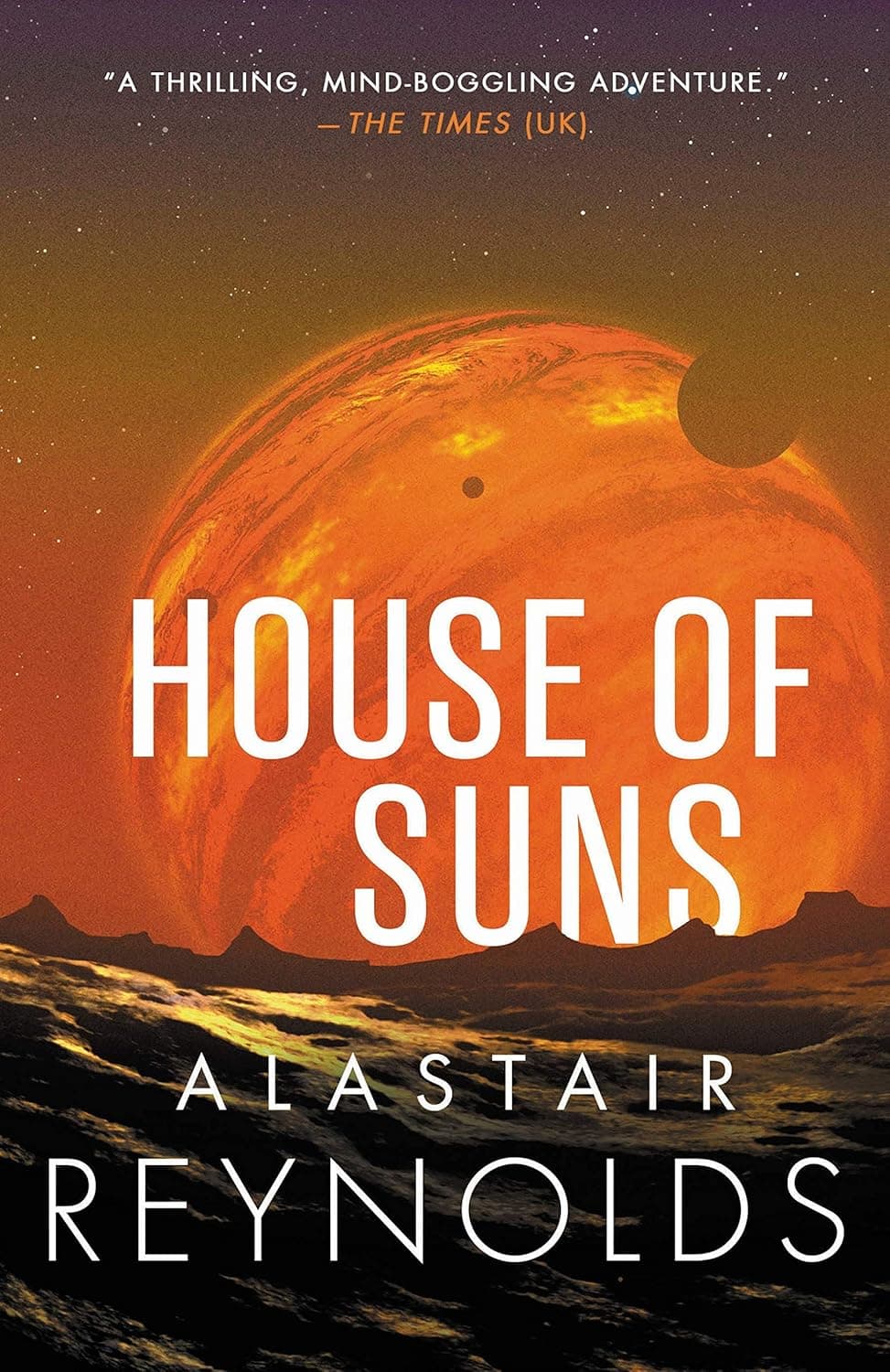
House of Suns
Best cosmic romance
Cloned travelers circle the galaxy gathering experience over millions of years. A massacre turns reunion into investigation, while the central pair confront memory, betrayal, and forbidden intimacy. The universe contains cruelty and erasure, yet curiosity and attachment remain meaningful even at a scale that could reduce individuals to dust.
Read it for: huge distances, deep time, and a mystery with emotional stakes. It is denser and darker than the list's opening choices, but not nihilistic.
Side by side
Choose by the kind of hope you want
Optimism can come from competence, relationships, social possibility, or a long historical view. These are not the same promise.
| Book | Source of hope | Darkness | Difficulty |
|---|---|---|---|
| Project Hail Mary | Communication and shared science | Moderate stakes, warm center | Accessible |
| All Systems Red | Autonomy and chosen trust | Corporate danger | Very accessible |
| The Martian | Collective expertise | Survival pressure | Accessible with technical detail |
| Children of Time | Learning across difference | War and extinction risk | Moderate |
| Blue Remembered Earth | Imperfect social progress | Family and political conflict | Moderate |
Hopeful is not the same as cozy
Children of Time contains suffering on a civilizational scale. All Systems Red begins inside a system of ownership. Project Hail Mary places a planet under existential threat. Calling these books optimistic does not erase their darkness. It identifies where the narrative puts its final weight: on expanded possibility rather than the proof that effort is meaningless.
Readers who want low-conflict comfort should look elsewhere. Readers exhausted by futures in which every institution and relationship is doomed may find these books restorative precisely because their hope survives contact with difficult evidence.
Where to start
Begin with All Systems Red if you want a single evening. Choose Project Hail Mary for the broadest crowd-pleasing novel, or The Martian if process matters more than interpersonal discovery. Move to Children of Time when you are ready for changing viewpoints and evolutionary scale. House of Suns is the destination for readers who want hope without brightness and romance without a small universe.
Quick answers
Questions readers ask before buying
Is optimistic science fiction the same as solarpunk?
No. Solarpunk is a more specific aesthetic and political mode often concerned with ecological repair and community. A science fiction novel can be hopeful through cooperation or discovery without using solarpunk settings or visual language.
Which book is the easiest starting point?
All Systems Red is shortest and immediately voiced. Project Hail Mary is longer but uses puzzles and short-term goals to remain highly accessible.
Does Children of Time have a happy ending?
Without revealing the outcome, it is fair to say the novel ultimately values adaptation and understanding. It reaches that position through conflict, loss, and unsettling changes in perspective.
Sources
Sources for this guide
Publisher descriptions were checked for series position and stated premise. The hopeful classification is our editorial reading of where each novel places agency, cooperation, and the possibility of change.
Keep reading