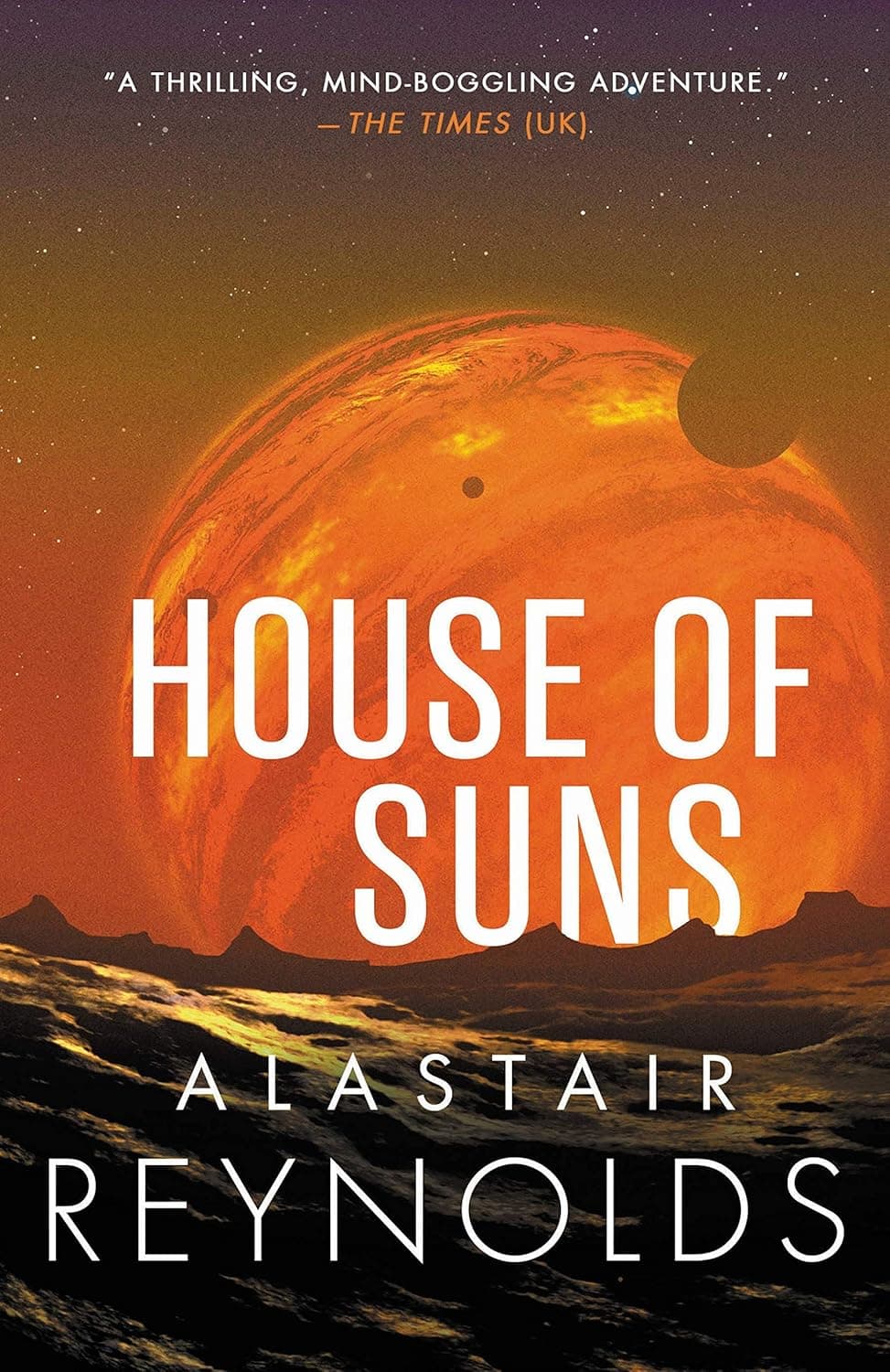
Should you read House of Suns?
What works
Campion, Purslane, and Hesperus give clone identity, memory archives, and machine civilization emotional stakes without shrinking the cosmic mystery.
What may not work for you
The opening concepts are dense, Abigail's interludes delay the pursuit, and some ancient history arrives through concentrated explanation.
What may test your patience
Shatterlings, circuits, reunions, and enormous time spans arrive before the massacre gives the novel a familiar investigative line.
Does the ending reward the effort?
Yes. The hidden history and final loyalties answer the central crime while preserving the awe and moral uncertainty of deep time.
Reading House of Suns closely
House of Suns is set roughly six million years in the future. Abigail Gentian created a line of near-identical shatterlings who travel separately around the Milky Way, gathering experiences for two hundred thousand years before meeting to exchange memories at a reunion.
Campion and Purslane have violated their line's customs by remaining together. When they arrive late, they discover that an attack has killed most of their siblings. Their flight with Hesperus, a machine person whose damaged memory may matter to the mystery, becomes an investigation into a crime hidden across galactic history.
The novel combines clone identity, relativistic travel, machine consciousness, lost civilizations, and an intimate romance without belonging to Revelation Space. Its immense chronology remains readable because the mystery stays anchored in trust between three travelers. Reynolds uses deep time not merely as spectacle but as pressure on memory, accountability, and the stories civilizations erase.
Shatterlings across galactic time
Each Gentian shatterling began from Abigail but accumulated millions of years of separate experience. Their sameness creates family resemblance rather than interchangeable identity, letting the novel explore whether continuity belongs to a body, a memory archive, or relationships formed after copying.
Human and machine civilizations
Hesperus is not simply a helpful robot. His damaged state and the history of machine people challenge human accounts of ancient conflict, while his loyalty raises the possibility that moral personhood may persist even when memory and original purpose do not.
Romance, scale, and difficulty
Campion and Purslane's bond is central but never reduces the story to romance. The opening introduces many unfamiliar concepts, yet the pursuit and murder mystery provide a clear line through the deep-time worldbuilding. It is one of Reynolds's most accessible standalone epics.
Three useful comparisons
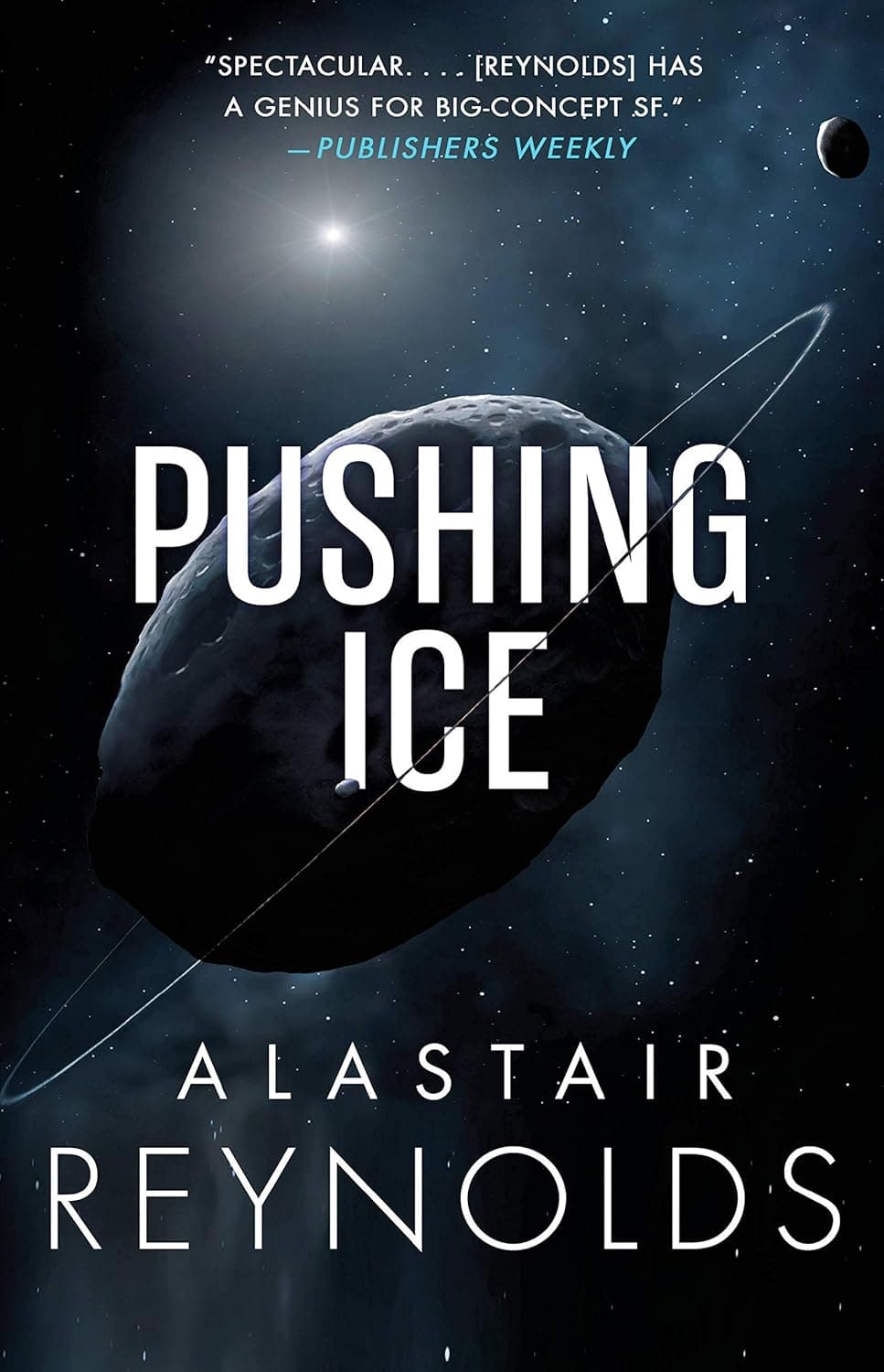
Pushing Ice
Pushing Ice begins nearer the present and follows a harsher, more politically fractured accidental voyage.
Best for: The draw is standalone hard SF with generation survival, first contact, cosmic scale, and abrasive human politics.
As an Amazon Associate, I earn from qualifying purchases.
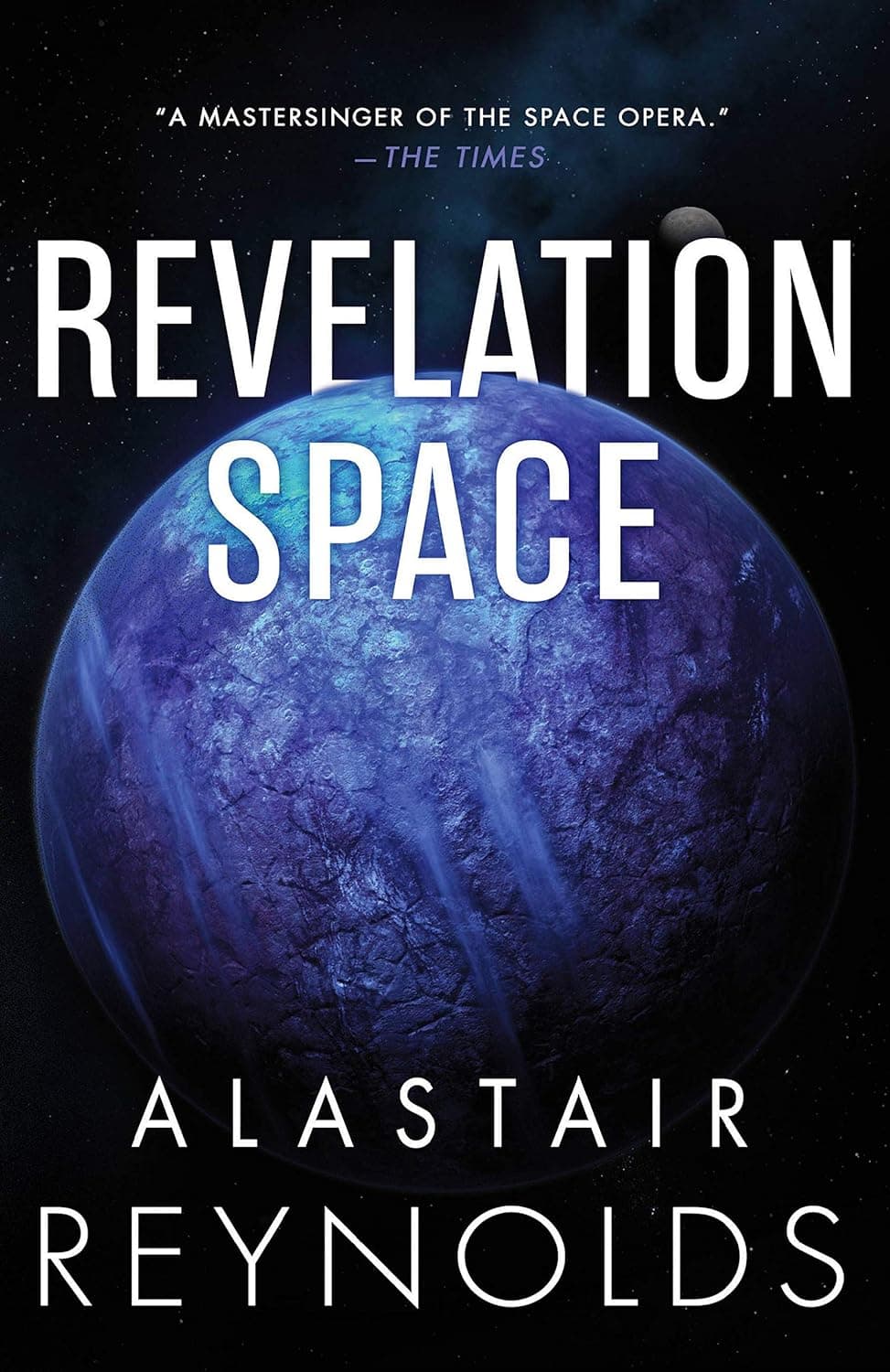
Revelation Space
Revelation Space is colder, denser, and series-bound, with stronger Gothic archaeology.
Best for: Patient readers wanting hard science fiction, archaeology, deep time, morally difficult characters, and cosmic danger.
As an Amazon Associate, I earn from qualifying purchases.

Dune
Dune concentrates political and ecological transformation on one planet rather than across galactic deep time.
Best for: Readers willing to trade immediate intimacy for political, ecological, and religious ideas that become more connected with every chapter.
As an Amazon Associate, I earn from qualifying purchases.
Make the next decision