Reading data
Romance, difficulty, and ratings: what our catalog actually shows
More romance does not reliably raise or lower our score. Harder books rate only slightly higher. One profile slider tells you very little about whether a book works.
The headline
Romance intensity has almost no relationship with editorial rating
In the current catalog, the correlation between romance profile and editorial rating is -0.09, effectively a negligible relationship. Difficulty and rating have a weak positive correlation of 0.26. Romance and difficulty are mildly negative at -0.21. None of these values supports saying romantic books rate worse or difficult books are automatically better.
Correlation tells us whether two numerical profiles tend to move together. It cannot show that one causes the other. Our romance and difficulty values come from tags and review language, while ratings are our own editorial judgments. These numbers describe this catalog, not every book or every reader.
The selection is not neutral. We cover books because they are notable, requested, commercially relevant, or part of a larger author project. Difficult classics arrive with reputations already built, while the romance group includes comedy, romantasy, sports romance, and very dark hybrids. Keep those limits beside the chart, not below it.
Books behind the points
Six examples that break easy conclusions
A correlation can make a catalog look smooth. Individual books show why readers still need specific reviews.
High romance, accessible
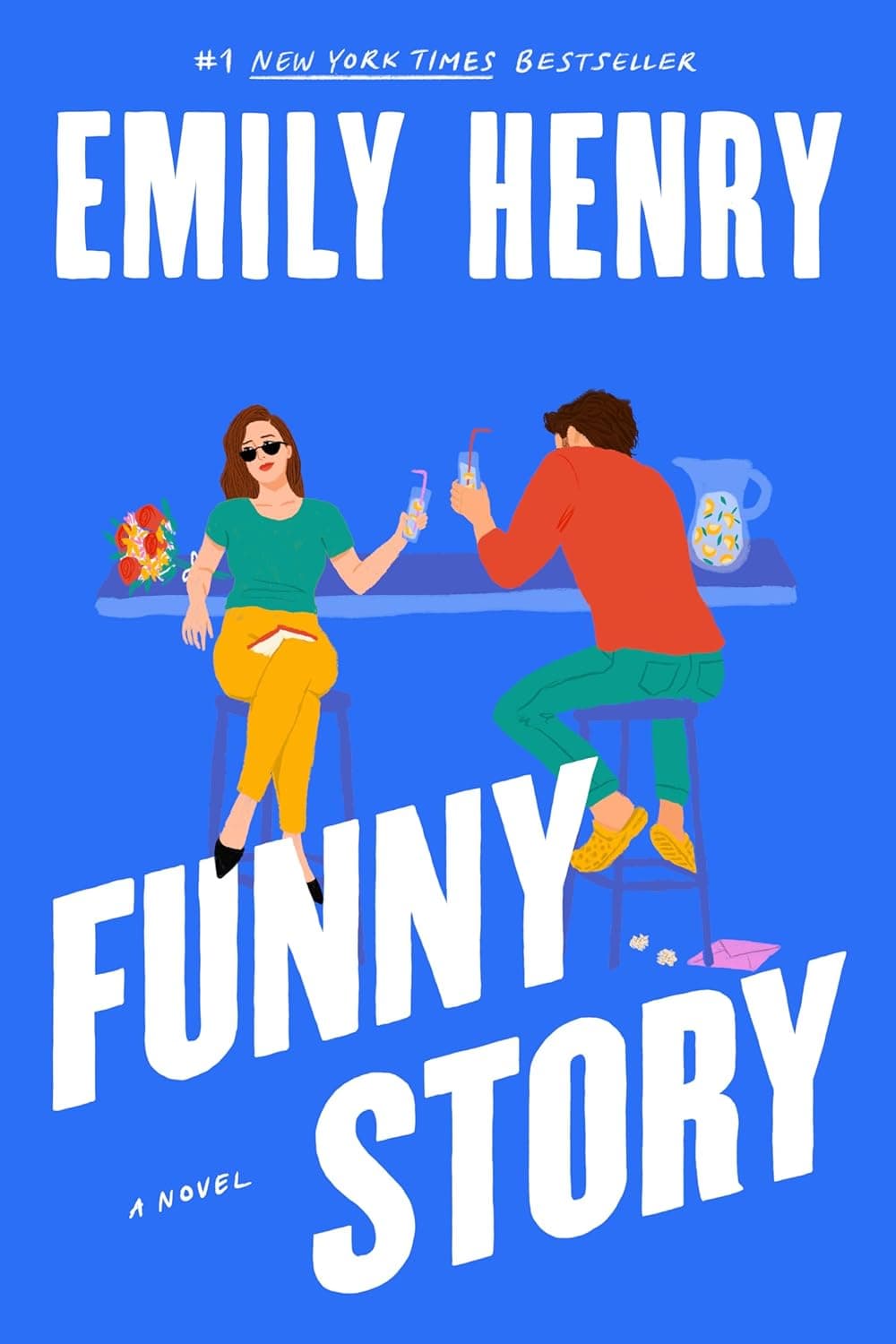
Funny Story
Contemporary romance
Emily Henry uses a clear setup, conversational prose, social embarrassment, and an emotionally available supporting cast. The romantic arc is central, but difficulty stays low because the setting and stakes require little orientation. Its quality depends on voice, pacing, and whether the emotional turns feel observed rather than on romance intensity itself.
What it demonstrates: A strong-romance profile can coexist with easy entry and sharp character judgment. Neither property predicts the final score.
High romance, high darkness
Alchemised
Dark romantic fantasy
Romantic and relational material exists inside imprisonment, war damage, coercion, memory, and morally compromised power. A broad romance label would badly understate the reading experience. Difficulty comes from emotional severity and world context, not merely ornate prose or an intricate magic system.
What it demonstrates: romance intensity does not imply comfort. Darkness and content guidance must remain separate profile dimensions.

Low romance, accessible
All Systems Red
Character-led science fiction
Murderbot's story has essentially no conventional romance. Its immediate voice and focused mission keep difficulty low even while the novella raises serious questions about ownership and personhood. Emotional investment develops through trust, boundaries, and reluctant care instead of courtship.
What it demonstrates: a book can offer relational warmth and high accessibility while sitting near the bottom of the romance scale.
Low romance, demanding
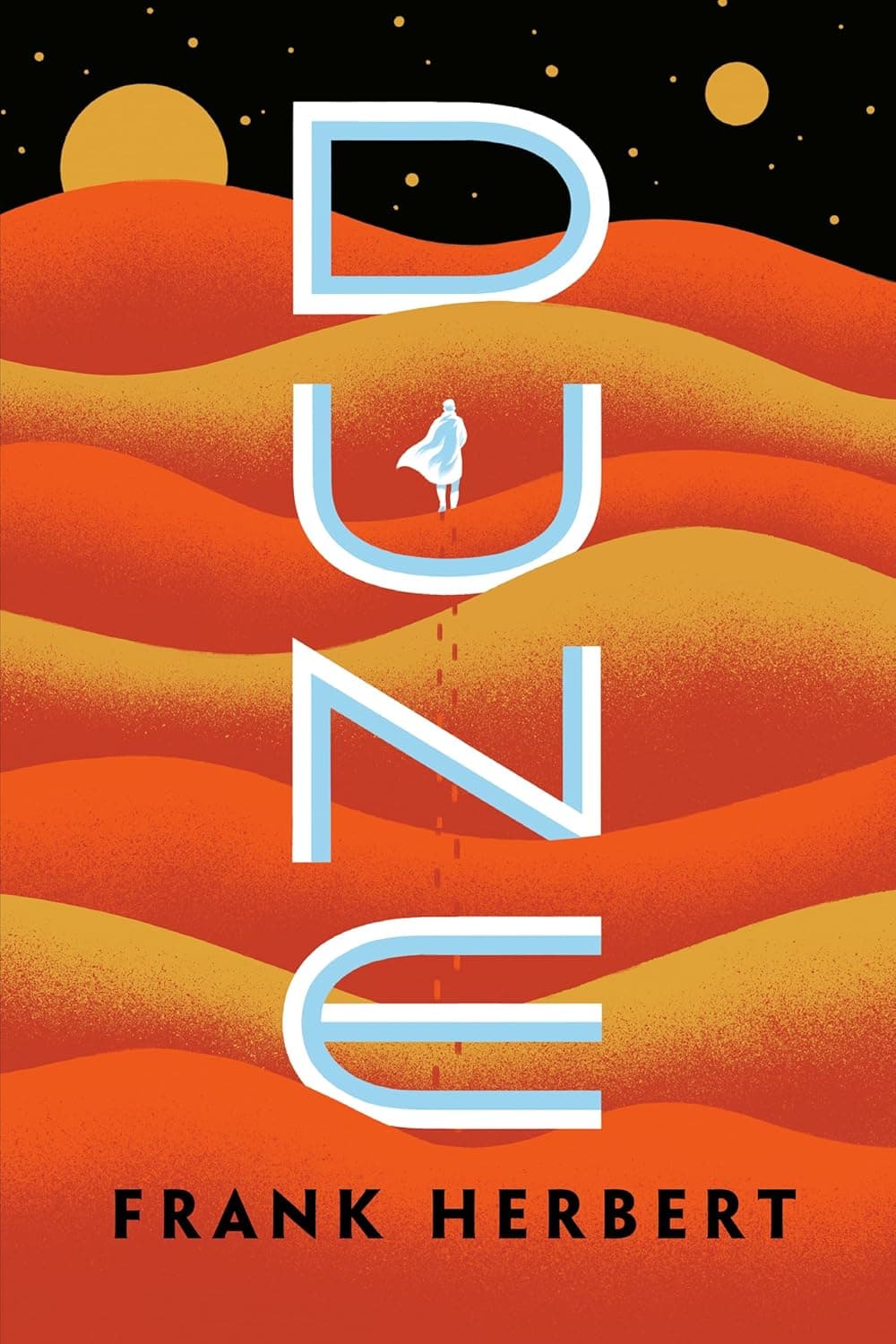
Dune
Political science fiction
Dune asks readers to infer unfamiliar terms, track institutions, and accept that ecology, religion, economics, and family strategy arrive together. Romance exists but does not organize the main reading contract. Its rating depends on how effectively those systems create consequence, not on rewarding the effort merely because the book is difficult.
What it demonstrates: difficulty can support ambition, but it must still produce insight, tension, or texture. Effort alone is not merit.
Moderate romance, demanding
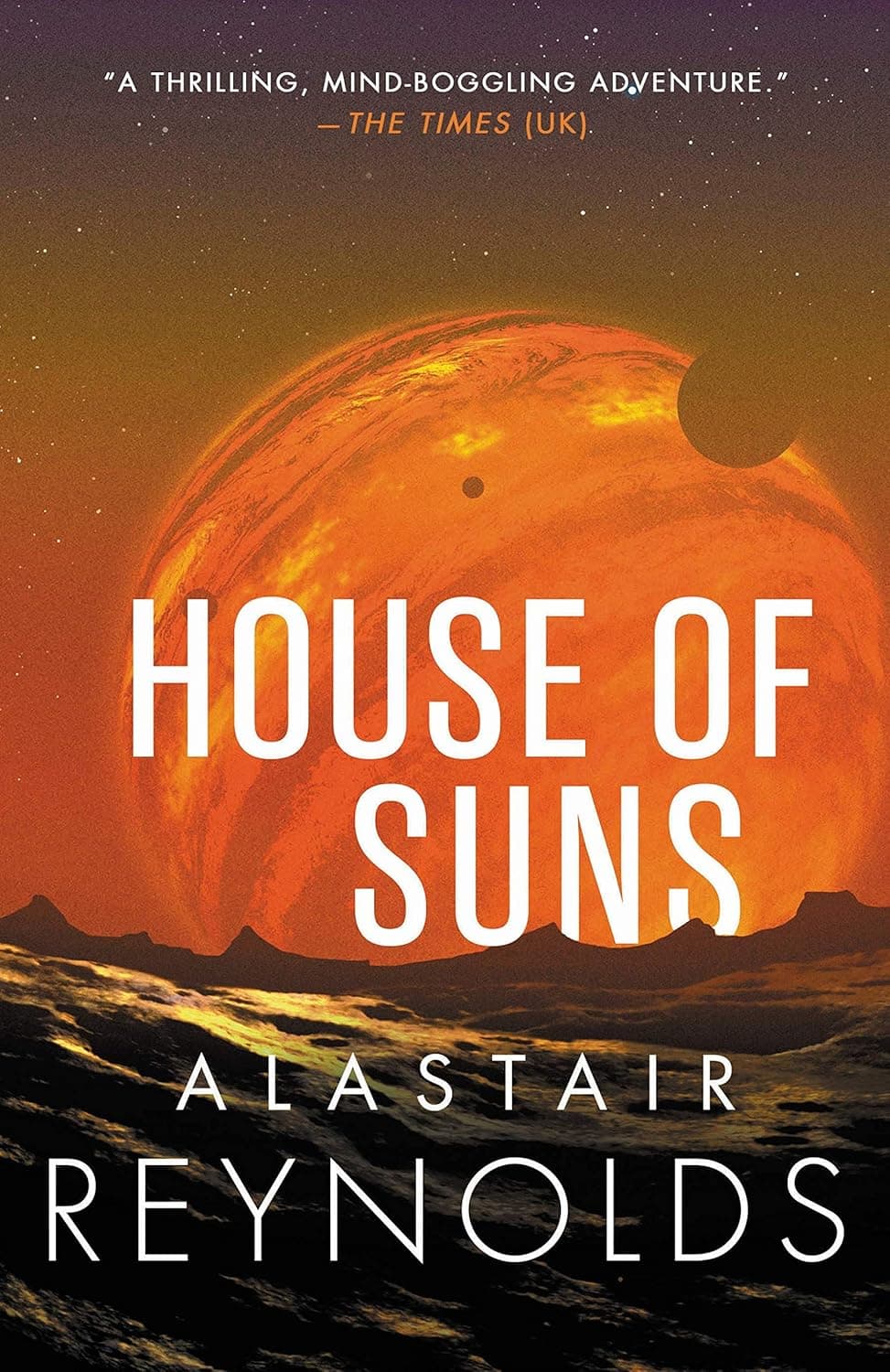
House of Suns
Deep-time space opera
The central relationship carries real emotional weight, yet clone lineages, galactic travel, memory, and a long historical mystery create the principal orientation cost. Romance helps humanize the scale rather than simplifying it. The result belongs in a different reading quadrant from both Funny Story and Dune.
What it demonstrates: romance and complexity can reinforce each other when the relationship is tied to the speculative structure rather than added as relief.
High romance, moderate difficulty
Divine Rivals
Romantic fantasy
Letters, professional rivalry, war reporting, and a restrained fantasy setting make the romantic line easy to follow while preserving danger outside the couple. The world is less mechanically dense than epic fantasy, but grief and conflict keep the book from feeling weightless.
What it demonstrates: a strong romantic focus can sit beside moderate thematic pressure without becoming structurally difficult.
Catalog snapshot
The three relationships measured
Values range from -1 to 1. Results near zero indicate little linear relationship. Rounded figures use the reviewed catalog as of August 2, 2026.
| Compared profiles | Correlation | Strength | Responsible interpretation |
|---|---|---|---|
| Romance and editorial rating | -0.09 | Negligible | Romance intensity does not meaningfully predict our score |
| Difficulty and editorial rating | +0.26 | Weak positive | Some demanding books rate highly, with strong selection effects |
| Romance and difficulty | -0.21 | Weak negative | Romance-heavy titles in this catalog lean slightly more accessible |
Why difficulty appears mildly positive
The catalog contains many established classics and ambitious speculative novels selected because readers still seek them out. That produces survivorship and selection bias. A difficult forgotten book is less likely to be requested than Dune or The Brothers Karamazov. The weak positive relationship may therefore say as much about catalog construction as it does about editorial appreciation.
Our scoring also tries to reward execution rather than ease. A demanding structure can earn a high rating when it creates meaning, but the patience section should still name the cost. The same difficulty lowers the score when it produces repetition, confusion without payoff, or unnecessary distance.
Why romance tells us so little about rating
Romance is subject matter and structure, not a quality level. A central relationship may be precisely observed or mechanically arranged. A novel with almost no romance may be brilliant or lifeless. Once ratings respond to execution, specificity, pacing, and payoff, the amount of romance should have little independent power.
The result is reassuring only if we keep reviewing across the range. If the catalog were filled with one narrow type of romantasy or one kind of classic, a clean-looking correlation would be even less useful. Future updates should display sample size, date, and category composition alongside the number.
How readers should use the three sliders
Use romance to choose relationship focus, difficulty to choose attention cost, and rating to understand our overall verdict. Do not combine them into a claim that a high-rated difficult book is more serious, or that a low-romance book is less emotional. The profiles answer different questions. The individual review explains why those answers belong together for one title.
Quick answers
Questions readers ask before buying
Does this prove romance books receive lower ratings?
No. The observed relationship is so small that it should be treated as negligible. It also comes from one editorial catalog rather than a representative sample of all books.
Does a harder book get a higher score?
Not automatically. Difficulty has a weak positive relationship with rating here, but selection bias is substantial and effort receives no credit unless the book rewards it.
Will this analysis update when the catalog changes?
The page records a dated snapshot. It should be recalculated as more reviews are added or the profile model changes, with the date and limitations kept visible.
Sources
Sources for this guide
Correlations were calculated from Book Review Guide's reviewed-book profiles and editorial ratings. No visitor behavior, demographics, purchases, or private reading data are included. Values describe this catalog only.
Keep reading