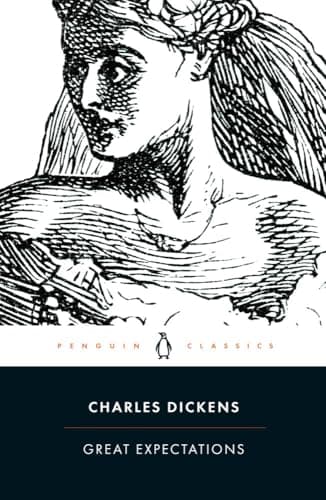
Should you read Great Expectations?
What works
Joe, Magwitch, Estella, Miss Havisham, money, and gentility repeatedly expose the difference between Pip's polished self-story and the loyalties he neglects.
What may not work for you
Coincidences are extensive, Estella's interior life is limited by Pip's fixation, and the later plot machinery becomes crowded.
What may test your patience
The London middle accumulates debts, social visits, legal secrets, and Pip's passivity before the source of his expectations is revealed.
Does the ending reward the effort?
Yes. Pip's revised judgment matters more than restored status, though readers may prefer one of the novel's differing published endings.
Reading Great Expectations closely
Great Expectations follows Pip from a frightening encounter on the marshes through an unexpected opportunity to become a gentleman. Convinced that refinement and money will make him worthy of Estella, Pip grows ashamed of Joe and the honest life that formed him.
Dickens turns this rise into a moral education filled with mystery, coincidence, comic grotesques, and institutional criticism. The revelation of Pip's benefactor forces him to reconsider what gentility means and who has actually acted with generosity.
Pip's unreliable self-improvement
Pip narrates with adult hindsight, so readers can recognize vanity and cruelty that his younger self rationalizes. His shame is painful because it targets the people least deserving of it.
A mystery inside a social novel
Miss Havisham, Estella, the escaped convict, and the unknown benefactor keep the plot moving while questions of class and moral worth deepen around them.
Three useful comparisons
David Copperfield
David Copperfield is broader, warmer, and more autobiographical, with a much larger life journey.
Best for: Readers ready for a long Victorian life novel about childhood, work, friendship, love, memory, and becoming a writer.
Jane Eyre
Jane Eyre gives its poor protagonist greater moral certainty and centers a more balanced Gothic romance.
Best for: Readers who want an intense first-person classic combining romance, moral independence, work, and Gothic secrecy.
Pride and Prejudice
Pride and Prejudice treats class and mistaken judgment through sharper social comedy and mutual correction.
Best for: Readers who enjoy slow-burn romance, social comedy, and protagonists intelligent enough to be convincingly wrong.