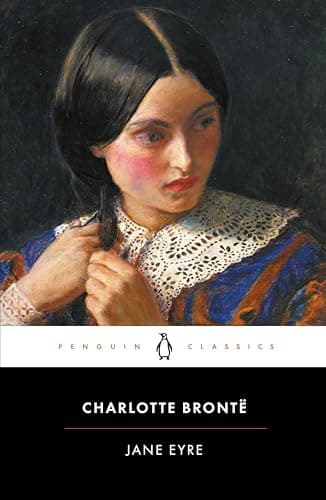
Should you read Jane Eyre?
What works
Jane's voice holds the novel together from childhood deprivation through adult desire. She can be passionate without surrendering the moral boundaries that make her more than a Gothic heroine waiting to be chosen.
What may not work for you
The novel's treatment of Bertha Mason is dehumanizing, and the St. John section extends the moral test after Thornfield's central conflict has already supplied the book's strongest drama.
What may test your patience
The later stay at Moor House slows into inheritance, kinship, and religious argument. It is necessary to Jane's independence, but it feels like a second novel after the intensity of Thornfield.
Does the ending reward the effort?
Yes. The resolution changes the material and moral balance between Jane and Rochester, allowing reunion without asking Jane to abandon the self-command she fought to build.
Reading Jane Eyre closely
Jane Eyre follows its narrator from an abusive childhood and harsh school into work as a governess at Thornfield Hall. Her attraction to Rochester is powerful, but Jane repeatedly measures love against conscience and the independence she has fought to build.
Charlotte Brontë combines a development novel, Gothic mystery, spiritual argument, and romance. Jane's first-person intensity makes the book emotionally immediate, while its treatment of Bertha Mason and empire requires critical historical attention.
A romance built around equality
Jane refuses to treat economic dependence or passion as proof that she must surrender moral agency. Her demand to be recognized as an equal is the relationship's defining standard.
Gothic secrets and historical limits
Thornfield's noises and hidden history generate suspense, but the novel marginalizes Bertha through racialized and ableist Victorian language. Modern editions should contextualize that portrayal.
Three useful comparisons
Pride and Prejudice
Pride and Prejudice tests love through social comedy and mutual correction. Jane Eyre is more solitary, spiritual, and Gothic, with economic independence carrying greater emotional weight.
Best for: Readers who enjoy slow-burn romance, social comedy, and protagonists intelligent enough to be convincingly wrong.
Great Expectations
Great Expectations also follows a poor child negotiating shame and aspiration, but Pip's narration is more self-accusing and the romantic thread less balanced. Choose it for a broader social reckoning.
Best for: An accessible Dickens novel about class, guilt, love, money, and a narrator learning to read his own past.
The Picture of Dorian Gray
The Picture of Dorian Gray shares hidden rooms, moral danger, and Gothic transformation, but replaces Jane's earnest self-scrutiny with epigrammatic decadence and a protagonist committed to evasion.
Best for: Readers who enjoy Gothic corruption, social wit, queer subtext, and novels suspicious of their own beautiful surfaces.