Portrait of George R. R. Martin

Author profile

George R. R. Martin: books, reviews, and where to start

George R. R. Martin joined the emotional economy of short fiction, the collaborative discipline of television, and a lifelong interest in history to create fantasy where power always has a human invoice.

Born 1948writernovelistfantasy author

Biography and criticism

The gardener of Westeros and the cost of every crown

A Song of Ice and Fire dominates discussion, but Martin's science fiction, horror, editing, and television work explain its shifting viewpoints and suspicion of clean victory.

From Bayonne stories to television rooms

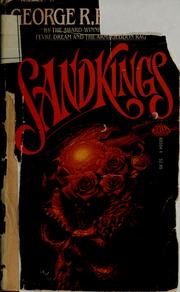
George Raymond Richard Martin was born in Bayonne, New Jersey, in 1948. He sold stories as a child, studied journalism at Northwestern, performed alternative service during the Vietnam era, and built a professional career in science fiction and fantasy. Stories such as A Song for Lya and Sandkings, along with novels including Dying of the Light and Fevre Dream, established his interest in love, mortality, power, and the point where sympathy encounters something genuinely alien.

Martin later worked in television on The Twilight Zone and Beauty and the Beast. Production taught him collaborative structure and budget limits, but it also sharpened his desire to write fiction that could not be reduced because a battle, castle, or cast was too expensive. A Game of Thrones emerged from that freedom and was published in 1996.

History without the safety of hindsight

A Song of Ice and Fire uses limited viewpoints to deny readers an official camera. Information travels through ravens, rumor, songs, testimony, and political interest. A decision that appears honorable from one position may become disastrous elsewhere. Martin draws broadly on medieval history, but Westeros is not a coded reenactment of one conflict. It is a machine for placing dynastic legitimacy, food, weather, gender, debt, faith, and violence in the same causal field.

His most famous willingness to kill major characters is less important than his control of consequence. Death matters because relationships, claims, and unfinished plans remain active afterward. The books resist the idea that narrative importance supplies physical immunity. At the same time, expanding geography and viewpoint have slowed convergence, and the unfinished sequence has made process part of public judgment.

The sentence and the garden

Martin calls himself a gardener rather than an architect, discovering growth instead of executing a complete blueprint. On the page, this appears in secondary figures who acquire depth and political strands that become too consequential to discard. His prose is generally direct, with heraldic color, food, clothing, bodily discomfort, and repeated phrases anchoring each viewpoint's mental habits.

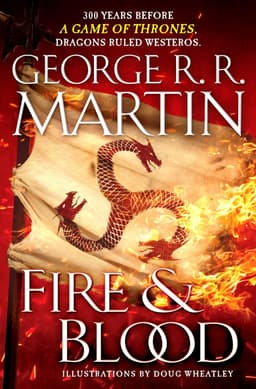
The approach creates immersion and sprawl together. A Feast for Crows is the clearest example: slower and divisive on release, it becomes richer when read as a study of war's aftermath, damaged landscapes, and people who never occupied the heroic center. A Game of Thrones remains the correct entrance. Fevre Dream and the short fiction reveal Martin outside Westeros, while Fire & Blood should be read as biased historical record rather than a substitute for the main novels. His central question is not who deserves the throne. It is what belief in the throne teaches everyone to spend.

The books in context

How the work develops on the page

These notes connect the biography to specific choices in the books. Each title links to the full spoiler-free review.

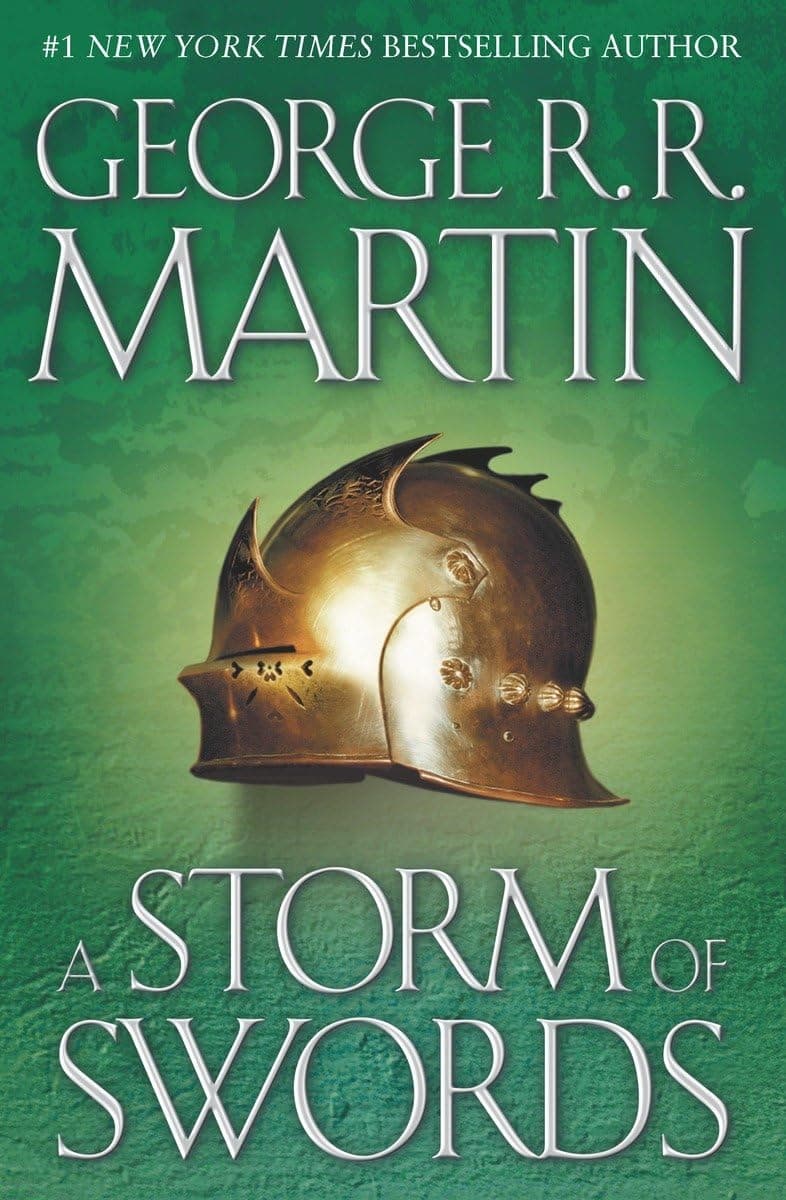
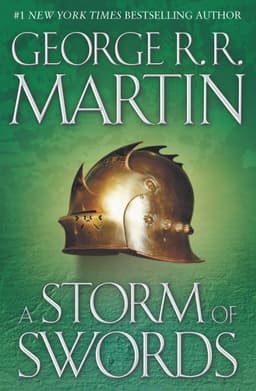
A Storm of Swords is where the A Song of Ice and Fire series truly catches fire for many readers. The wars of Westeros intensify, loyalties snap or harden, and several infamous twists arrive after hundreds of pages of careful setup. It is a long book, but there is very little that feels wasted.

The rotating point of view structure pays off in full here. Characters change in ways that feel earned rather than convenient, and the novel keeps asking what loyalty, family, and honour cost when the world is falling apart. People we thought we understood surprise us, and the apparent smallfolk continue to show how stubborn courage can matter as much as noble blood.

Martin handles pacing like a long fuse. Major battles and catastrophes land with force because you have lived through the marches, councils, and uneasy truces that led to them. The shock is real, but so is the aftermath, and the story refuses to move on before it shows the grief, anger, or numbness that follow.

The prose remains clean and physical, full of cold stone, wet cloaks, bad food, and songs that carry more meaning than their singers realise. Customs, stories, and regional details slip into the narrative without feeling like lectures. If you want to deepen your understanding of the setting while you read, companion resources like Westeros.org or the appendices in the back of the book can be useful tools.

Martin often ends a chapter at the instant one viewpoint's assumptions fail, then delays return long enough for rumor and consequence to spread elsewhere.

Jaime, Catelyn, Tyrion, Jon, Arya, and Sansa all face choices that alter how their earlier identities can be understood, while consequences cross viewpoint boundaries.

The intensity depends on sustained brutality, some sexual material remains exploitative, and the volume's size can make quieter threads feel stranded.

The long build before major weddings and battles requires trust that apparently separate journeys are tightening around the same political pressures.

Completely as a middle climax. The final run of chapters changes nearly every major balance and leaves aftermath rather than mere cliffhanger.

Pushes the A Song of Ice and Fire narrative into new territory with wars, betrayals, and alliances that reshape the map of Westeros.

Balances huge set pieces with intimate character moments so that vows, secrets, and quiet choices feel as heavy as the big shocks.

Readers searching for a guide to A Storm of Swords that focuses on stakes and emotion rather than step by step spoilers.

Revisit A Game of Thrones and A Clash of Kings afterward to trace how each house's choices lead directly into this volume.

Dip into Westeros.org for maps, timelines, and essays if you want extra context while staying mostly spoiler safe.

A Storm of Swords accelerates the wars of Westeros with brutal politics, unforgettable twists, and a relentless march toward winter.

Read the complete review

Our A Dance with Dragons review aims to give a sense of the book without spoiling the big turns: the fifth volume in A Song of Ice and Fire ranges from frozen fortresses to distant harbors, following power struggles, shifting loyalties, and the long shadow of winter. The story sprawls across Westeros and Essos, but keeps circling the same questions about who should rule and what that rule costs.

Rotating point-of-view chapters act like a relay. You move from icy ramparts at the Wall to contested cities overseas, with each handoff adding another layer of tension and consequence. Large set pieces still hit with cinematic force, but much of the grip comes from uneasy alliances, brittle truces, and political decisions that feel both strategic and deeply personal.

Characters remain the heart of the saga. Ambition grinds against duty, pride collides with fear, and even the most powerful players are reminded how unstable their positions really are. Martin’s prose stays direct and textured, so you feel the cold in the air, the smoke in your clothes, and the rumor mill turning faster than any raven. The pacing is deliberate, but the groundwork it lays makes this volume essential for epic fantasy readers who value depth, foreshadowing, and long-term payoffs.

Viewpoint titles and altered names track fractured identity, while recurring phrases reveal characters trying to narrate themselves into survivable roles.

Jon and Daenerys discover that ruling requires compromises heroism never prepared them for, while Theon receives the series' most painful reconstruction of identity.

Travel, new claimants, and extended Meereen politics multiply faster than plots resolve, and major climaxes are deferred beyond the volume.

The character cliffhangers are powerful, but the absence of intended battles makes the book stop rather than conclude.

Expansive settings move between the Wall, the North, and Essosi cities without losing sight of character motives and consequences.

Every alliance, betrayal, and quiet choice ripples outward, reinforcing the sense that the series is building toward something vast and unpredictable.

Supplement your read with maps, lore explainers, and forum discussions at Westeros.org if you enjoy comparing interpretations once you are comfortable with light context.

A Dance with Dragons stretches across icy strongholds and distant harbors to show how power, loyalty, and survival collide as Westeros braces for winter.

Read the complete review

A Clash of Kings takes the pieces set up in A Game of Thrones and scatters them across a continent at war. Rival kings rise, a red comet blazes overhead, and armies move by land and sea while winter edges closer. Instead of a single clear front, the conflict splinters into sieges, raids, and political gambits that show how messy civil war really looks.

Read the complete review

Where to begin

A good place to start with George R. R. Martin
Cover of A Storm of Swords
Our highest-rated review

A Storm of Swords

4.8 / 5

A Storm of Swords is the series at maximum force, converting two books of alliances and resentment into reversals that feel shocking and causally earned.
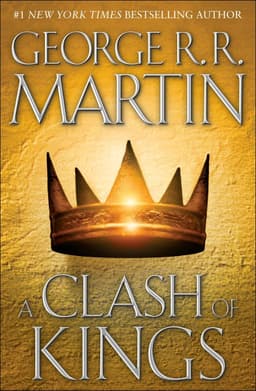
Cover of A Clash of Kings
Most recently added

A Clash of Kings

4.5 / 5

A Clash of Kings turns the first book's broken order into competing claims, making war feel like logistics, rumor, hunger, and divided loyalty rather than pageantry.
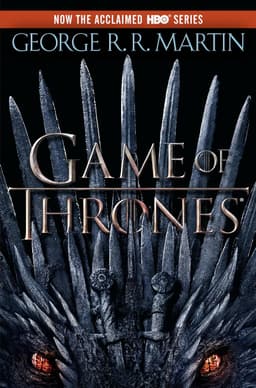
Cover of A Game of Thrones
Another route in

A Game of Thrones

4.7 / 5

A Game of Thrones makes dynastic fantasy immediate by giving political choices intimate family costs and refusing to protect honorable people from consequences.

Reading order and buying help

Reading guides featuring George R. R. Martin

Reading orderA Song of Ice and Fire in orderAuthor discoveryAuthors with similar reading profilesHigh-stakes fictionBooks where anyone can dieReading dataDarkest genresRelease statusThe Winds of Winter release date

Series buying note

Would the collection be the better buy?

These are useful only when you want several books in the same run. The notes below spell out what each package includes and, just as importantly, what it leaves out.
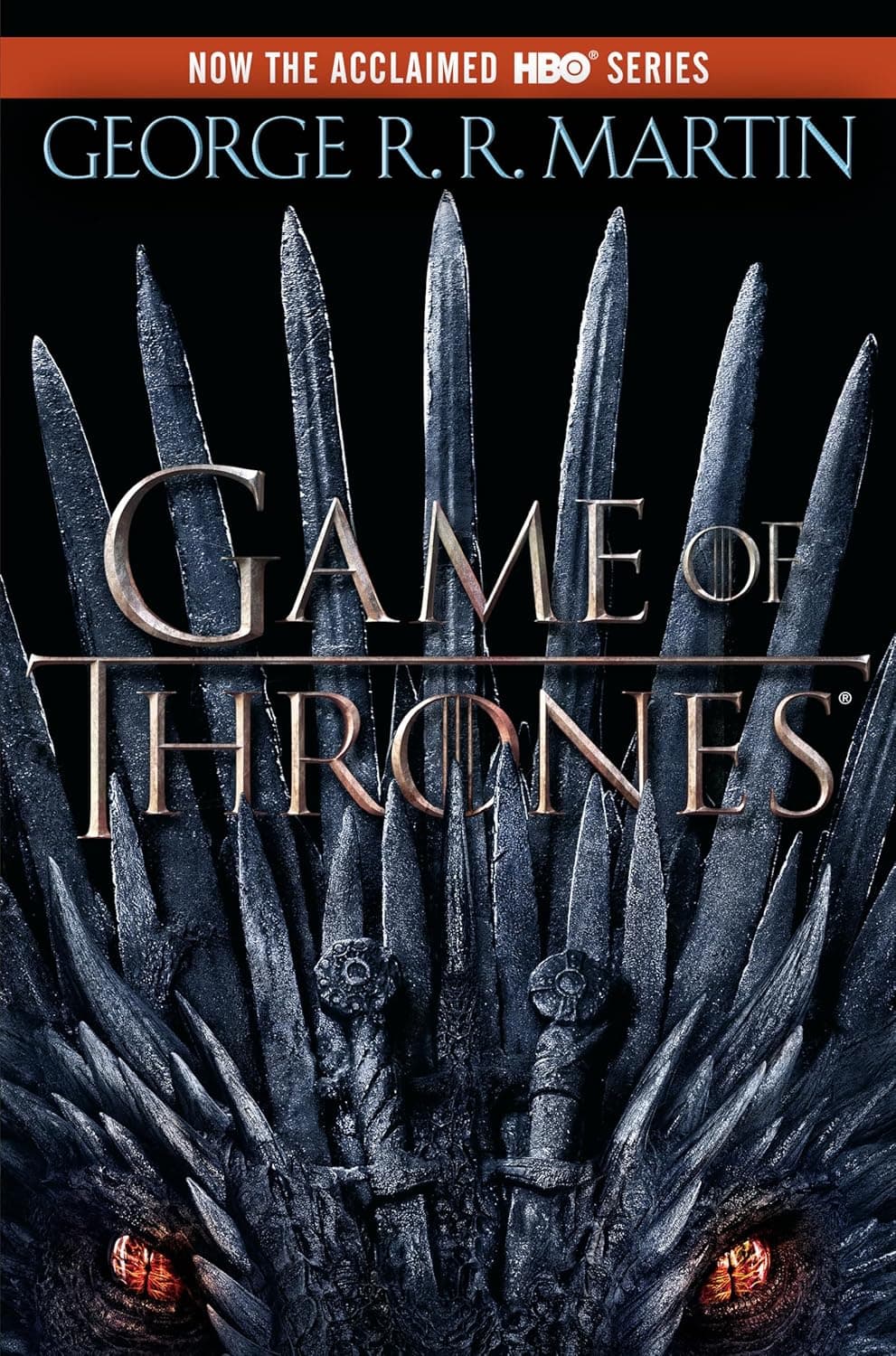
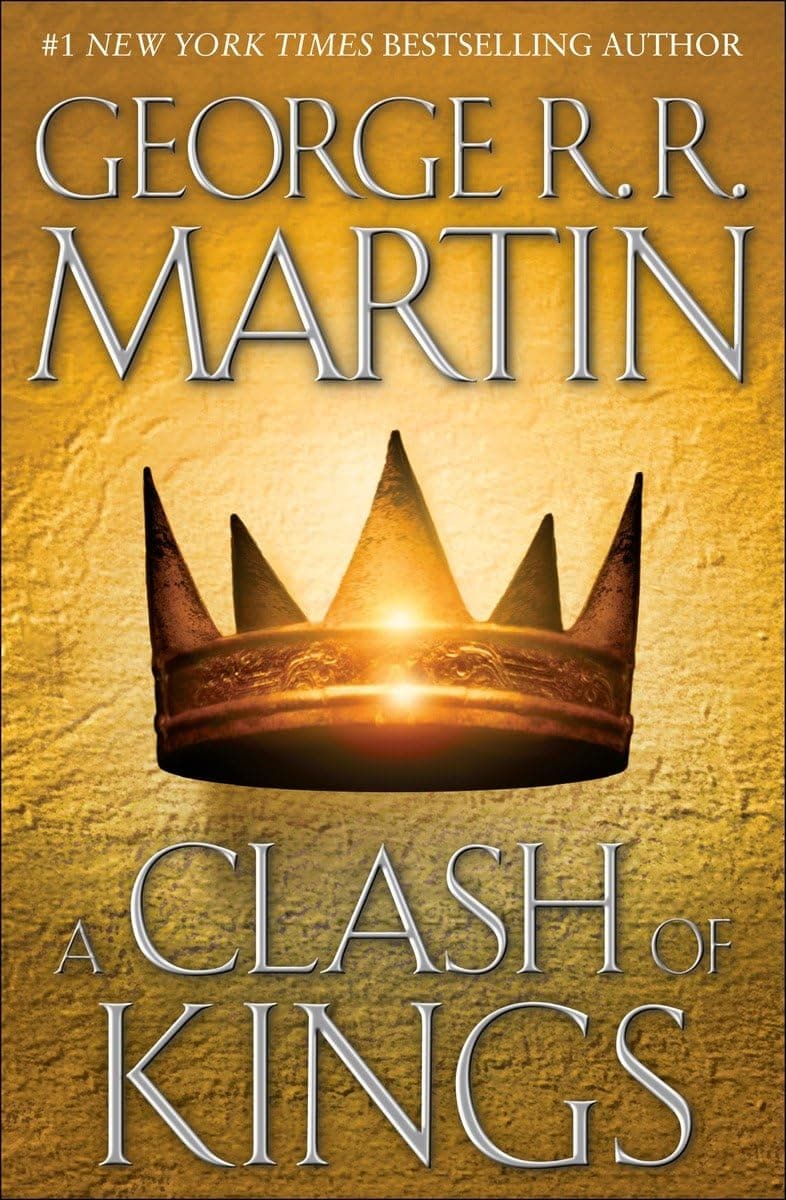
Five-book paperback box set

A Song of Ice and Fire 5-Book Boxed Set

This set collects all five published main-sequence novels, which is exactly what a new reader needs to catch up with the unfinished story.

Included: A Game of Thrones, A Clash of Kings, A Storm of Swords, A Feast for Crows, A Dance with Dragons

Our buying note: The box does not contain The Winds of Winter, and the planned seven-book sequence is not complete. Buy it for the five novels that exist, not as a finished saga.

See collection formats on Amazon

As an Amazon Associate, I earn from qualifying purchases.

Bibliography

Books by George R. R. Martin

Reviewed titles open directly on Book Review Guide. Other editions and works remain marked until a full review is published.

Bibliographic records: Open Library.

Reviewed bibliography

George R. R. Martin books reviewed here

Every title below has a complete, spoiler-free review. Scores are our editorial ratings, not visitor averages.

Cover of A Clash of Kings

20114.5 / 5

A Clash of Kings

A Song of Ice and Fire Book 2

A Clash of Kings turns the first book's broken order into competing claims, making war feel like logistics, rumor, hunger, and divided loyalty rather than pageantry.

Read the review
See current formats on Amazon

As an Amazon Associate, I earn from qualifying purchases.

Cover of A Feast for Crows

20114.2 / 5

A Feast for Crows

A Song of Ice and Fire Book 4

A Feast for Crows is frustrating as forward plot and rewarding as an examination of what war leaves for women, smallfolk, faith, and damaged institutions.

Read the review
See current formats on Amazon

As an Amazon Associate, I earn from qualifying purchases.

Cover of A Game of Thrones

20134.7 / 5

A Game of Thrones

A Song of Ice and Fire Book 1

A Game of Thrones makes dynastic fantasy immediate by giving political choices intimate family costs and refusing to protect honorable people from consequences.

Read the review
See current formats on Amazon

As an Amazon Associate, I earn from qualifying purchases.

Cover of A Storm of Swords

20054.8 / 5

A Storm of Swords

A Song of Ice and Fire Book 3

A Storm of Swords is the series at maximum force, converting two books of alliances and resentment into reversals that feel shocking and causally earned.

Read the review
See current formats on Amazon

As an Amazon Associate, I earn from qualifying purchases.

Cover of Fire and Blood

20184.3 / 5

Fire and Blood

300 Years Before A Game of Thrones

Fire & Blood turns Targaryen rule into contested history, strongest when incompatible sources expose how spectacle, sex, and power distort the record.

Read the review
See current formats on Amazon

As an Amazon Associate, I earn from qualifying purchases.

Cover of The World of Ice & Fire

20144.1 / 5

The World of Ice & Fire

The Untold History of Westeros and the Game of Thrones

The World of Ice & Fire is a handsome, expansive reference history whose unreliable maester voice is more interesting than many of its lists of rulers.

Read the review
See current formats on Amazon

As an Amazon Associate, I earn from qualifying purchases.