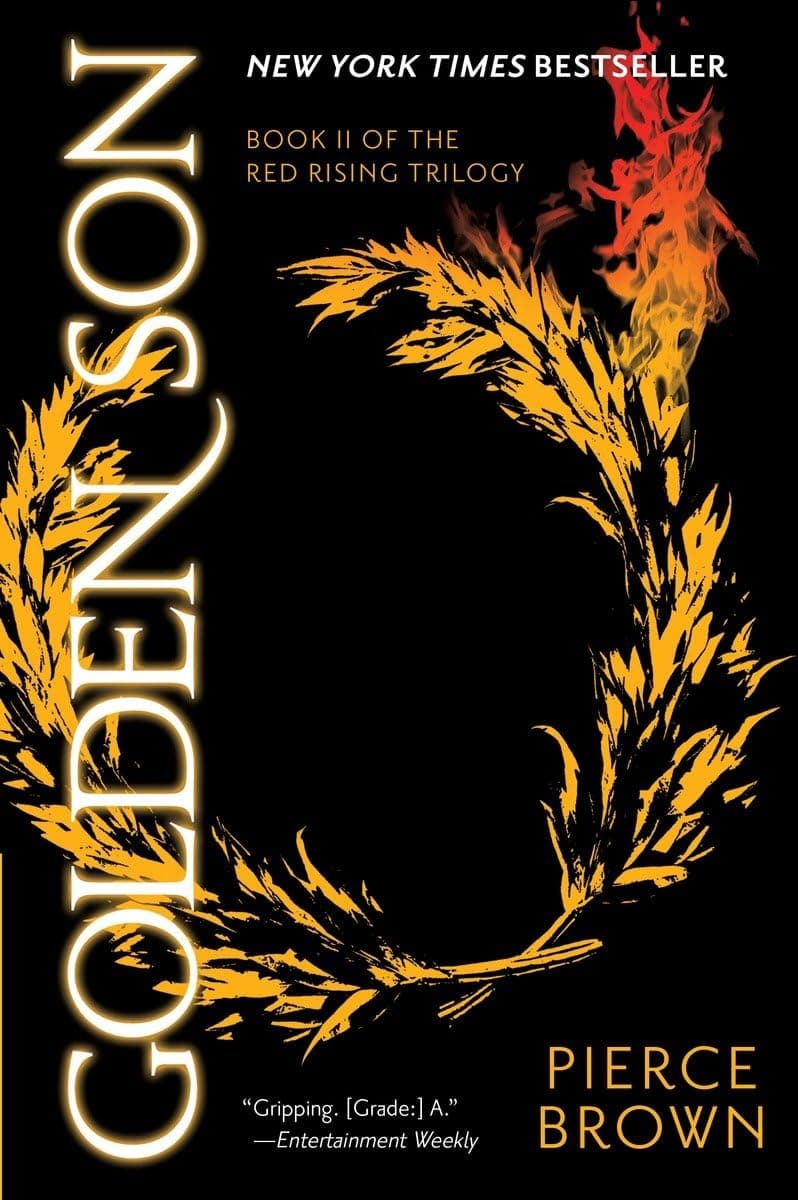
Should you read Golden Son?
What works
Fleet tactics, political houses, friendships, and revolutionary secrecy make every victory vulnerable to the identity Darrow cannot fully share.
What may not work for you
The pace leaves little aftermath, martial escalation dominates quieter relationships, and some reversals rely on information kept off page.
What may test your patience
The early political recovery after Darrow's fall requires rapid orientation to houses, patrons, and military options.
Does the ending reward the effort?
Yes, brutally. The final reversal cashes in trust and hidden allegiance, creating one of the series' strongest reasons to continue.
Reading Golden Son closely
Golden Son does not simply repeat the brutal war games of Red Rising. It expands Darrow's fight into full-scale political warfare, with court intrigue, shifting alliances, and battles that can change the balance of the solar system.
Golden Son keeps the same fuel as the first book: anger, momentum, and a main character willing to gamble everything. But the arena changes. Instead of a contained trial, you get power plays between Gold houses, high stakes diplomacy, and the reality that winning a fight is not the same as winning a war. The tension comes from not knowing who is loyal, who is using who, and how long Darrow can keep playing the role he is trapped inside.
If you are looking for a Golden Son summary without spoilers, think of it as Darrow trying to weaponize the Society’s own politics against itself while the cost of every move gets higher. Friendships get tested under pressure, enemies get smarter, and the book spends more time on strategy and betrayal than the first one, without losing the adrenaline that makes the series so bingeable. This is also where the saga starts to feel less like a single rebellion story and more like a space opera with real consequences.
Golden Son is darker and more intense than Red Rising. It includes graphic violence, executions, torture, war brutality, and scenes that lean into trauma and loss, along with some sexual content and a steady level of harsh language.
Golden Son is worth reading after Red Rising if you liked the first book’s drive and want something bigger, nastier, and more political. Its major cliffhanger makes Morning Star feel less like an optional sequel than the second half of the same punch.
Three useful comparisons
Red Rising
Red Rising is the required, smaller academy foundation; Golden Son is broader and more accomplished.
Best for: Pick it for violent caste rebellion, hidden identity, academy warfare, fast tactics, and a Roman-inspired space society.
A Storm of Swords
A Storm of Swords offers similarly earned betrayals through a slower, multi-viewpoint political epic.
Best for: Readers invested in the first two volumes and prepared for extreme violence, betrayal, war, and transformative character turns.
Shards of Earth
Shards of Earth provides ensemble space opera with more alien variety and found-family warmth.
Best for: Go here for a found-family crew, diverse aliens, political factions, salvage work, and large-scale space-opera danger.