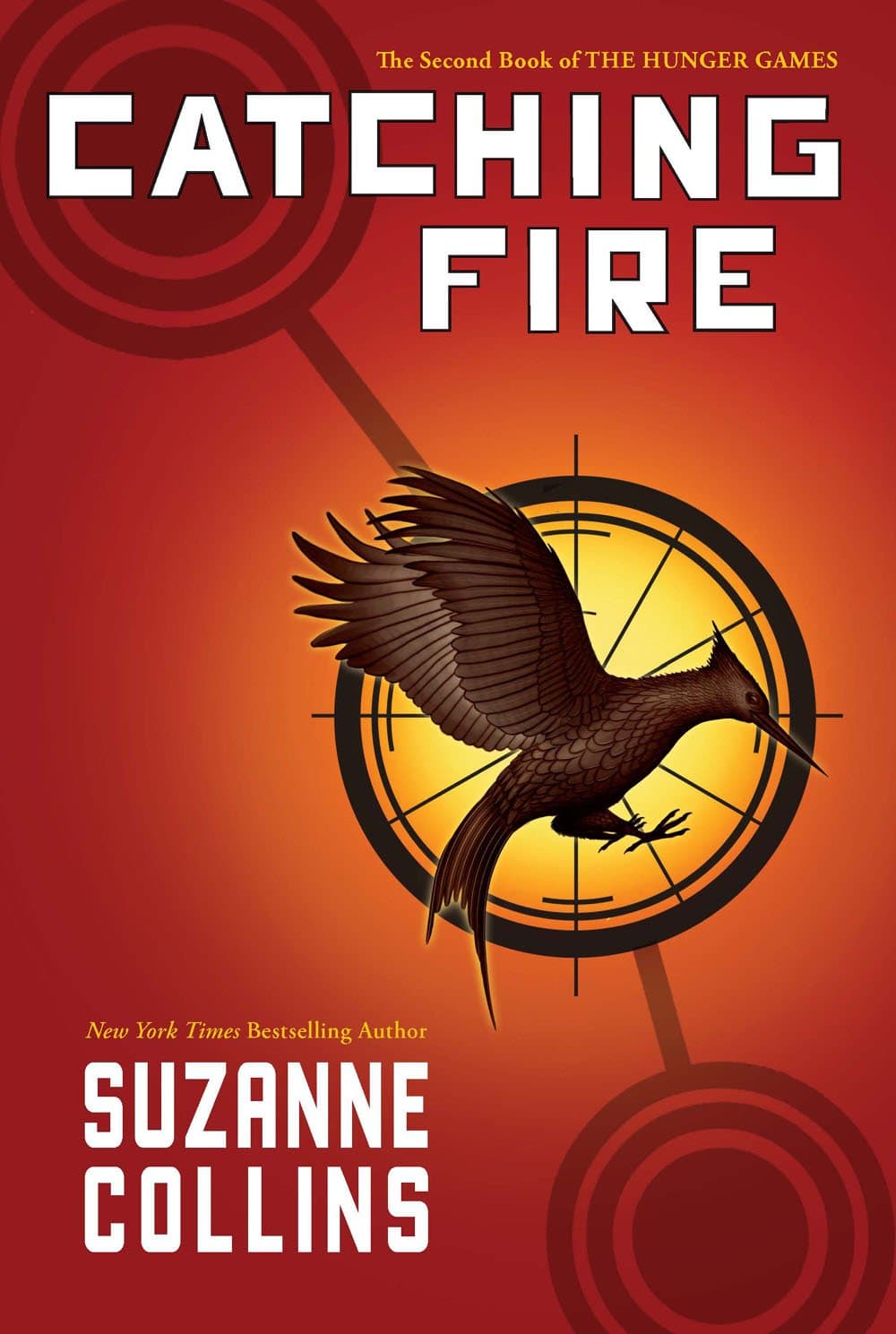
Should you read Catching Fire?
What works
The victory tour reveals district anger, the Quarter Quell changes alliance dynamics, and Katniss's incomplete knowledge keeps rebellion dangerous rather than triumphant.
What may not work for you
The second arena echoes the first book's structure, and several veteran tributes receive memorable traits without enough time for equal depth.
What may test your patience
The pre-arena political buildup is essential but delays the survival framework readers may expect from the series.
Does the ending reward the effort?
Yes. The final rupture pays off hidden cooperation and decisively changes the scale, though it is a true bridge into book three.
Reading Catching Fire closely
Catching Fire picks up after The Hunger Games with Katniss and Peeta back in District 12, carrying a victory that feels more like a threat than a reward. The uneasy calm of the victory tour slowly cracks as Panem starts to show signs of open unrest, and the new Quarter Quell twist turns their previous survival into the first move of a larger game.
Suzanne Collins keeps the prose lean and almost cinematic. Travel, propaganda shoots, and tense private conversations build dread long before anyone steps into an arena. Training sessions and the Quarter Quell itself deliver the spectacle many readers expect, but the most haunting moments often happen in quiet exchanges with Haymitch, Gale, and Peeta, when the cost of being a symbol is hardest to ignore.
The book broadens the political canvas while staying rooted in Katniss's point of view. New allies like Finnick, Johanna, and Beetee arrive with their own histories and coping strategies, adding both humor and heartbreak to the cast.
The media angle is central throughout. Capitol broadcasts, staged interviews, and the performance of romance are tools for control and resistance, while the districts’ responses show how public signals acquire meanings their producers cannot fully contain.
Series context and reading order
Catching Fire is the second Hunger Games novel and depends directly on the outcome of The Hunger Games; it is not designed as a standalone entry point.
Continue with Mockingjay, or use the Hunger Games reading-order guide to place the prequel novels around the original trilogy.
Politics, strategy, and pace
The victory tour broadens the political picture before the Quarter Quell restores the survival strategy of the first book with a larger cast of experienced victors.
Readers who valued the first novel’s alliances and public performance should find a familiar rhythm, while the rebellion gives those elements wider consequences.
Three useful comparisons
The Hunger Games
The first book is more self-contained and cleaner; Catching Fire is broader and more politically explicit.
Best for: Teens and adults wanting fast dystopian suspense, political spectacle, survival, violence, and a guarded protagonist.
Mockingjay
Mockingjay leaves the arena and examines propaganda, warfare, and trauma with a harsher rhythm.
Best for: Series readers prepared for propaganda, trauma, moral ambiguity, war, and a less crowd-pleasing conclusion.
Sunrise on the Reaping
Sunrise returns to an earlier Games and deepens how spectacle, memory, and resistance are manufactured.
Best for: Hunger Games readers interested in Haymitch, propaganda, erased resistance, and tragedy whose broad outcome is already known.
Make the next decision
Reading and buying guides featuring Catching Fire
Series buying note
Would the collection be the better buy?
These are useful only when you want several books in the same run. The notes below spell out what each package includes and, just as importantly, what it leaves out.
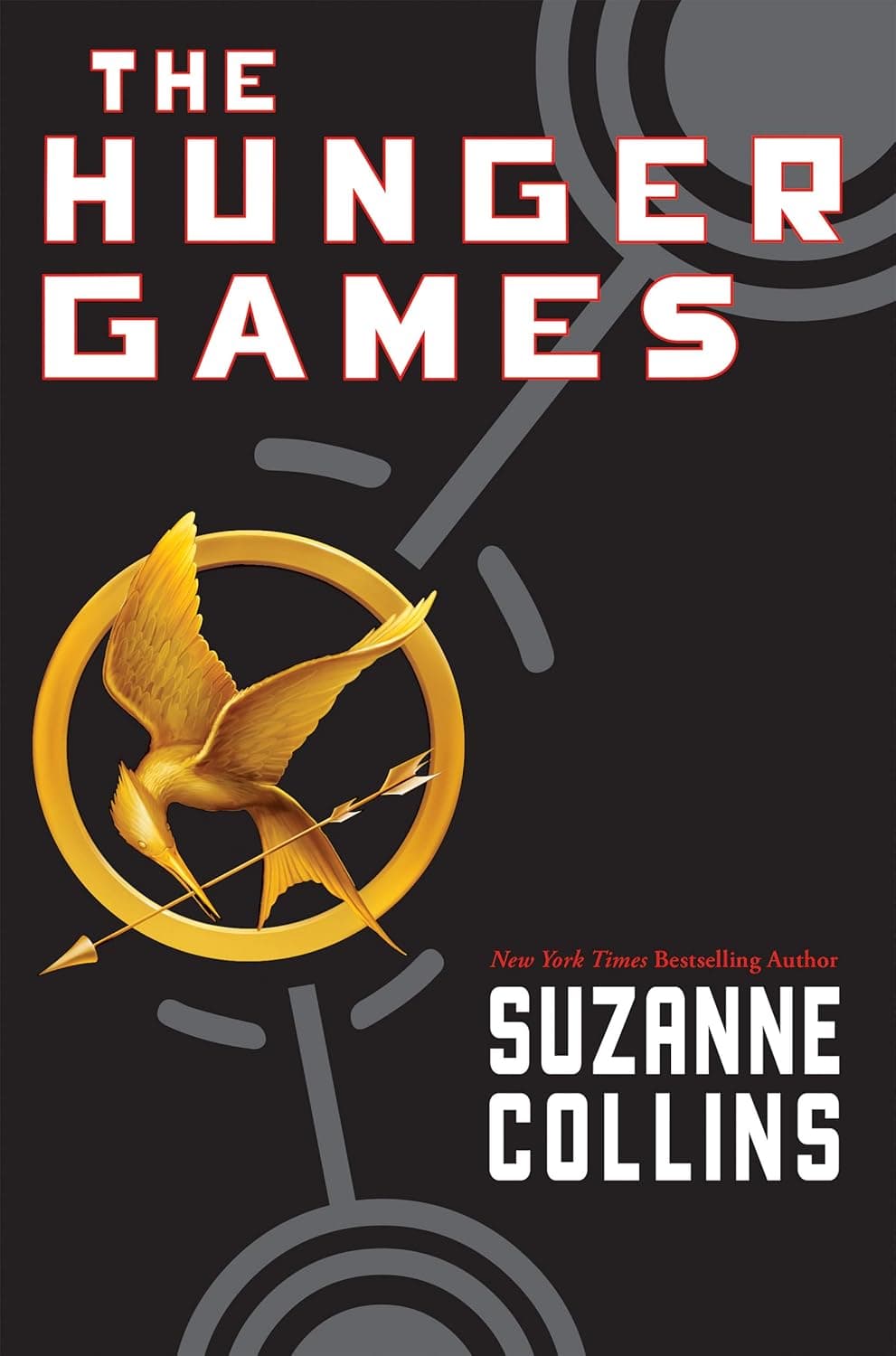
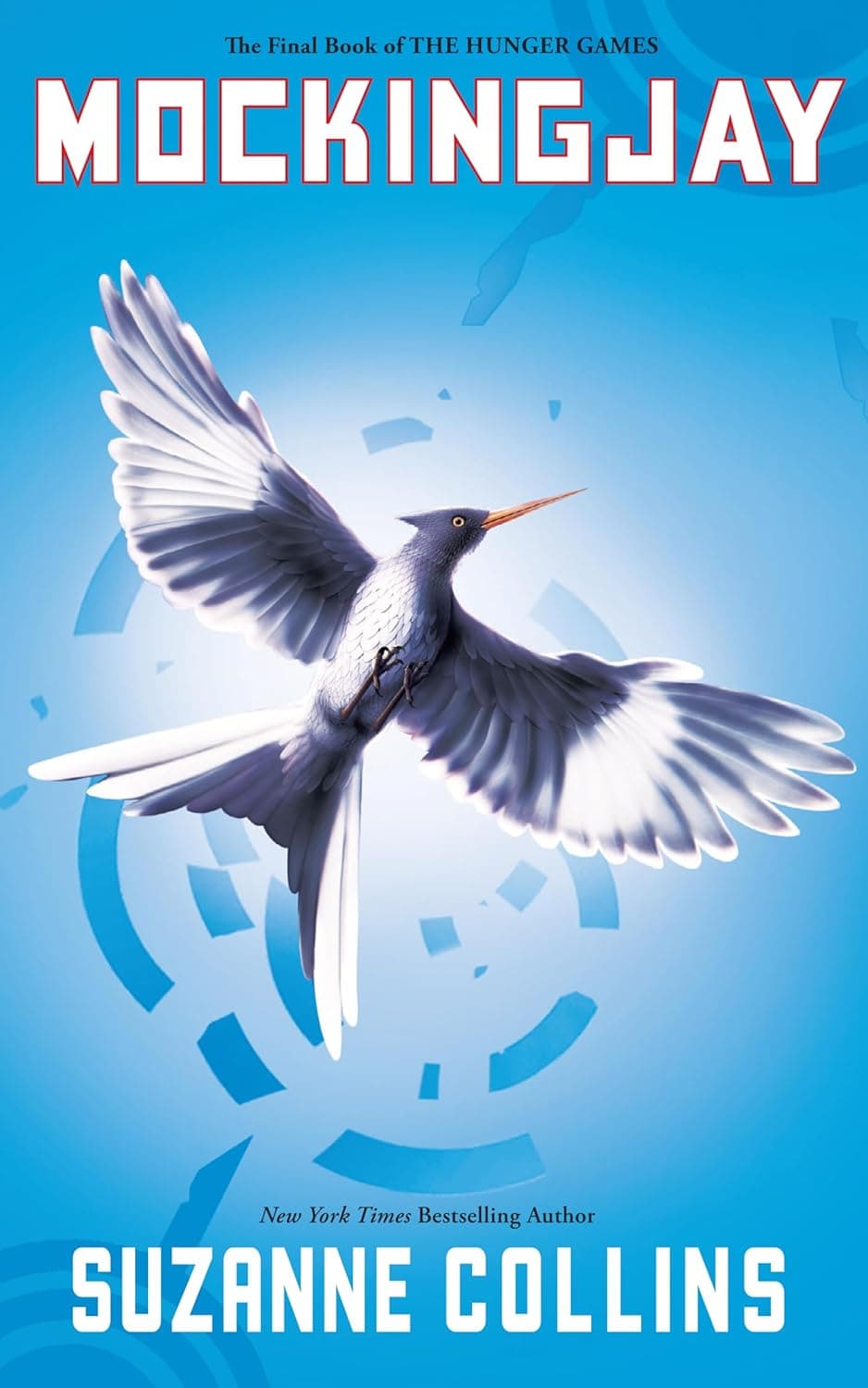
Three-book paperback box set
The Hunger Games Trilogy Boxed Set
The three volumes cover Katniss Everdeen's story from the first arena through the end of the rebellion without mixing in the later prequels.
Included: The Hunger Games, Catching Fire, Mockingjay
Our buying note: Choose this for the original trilogy. The Ballad of Songbirds and Snakes and Sunrise on the Reaping are separate prequel novels and are not included.