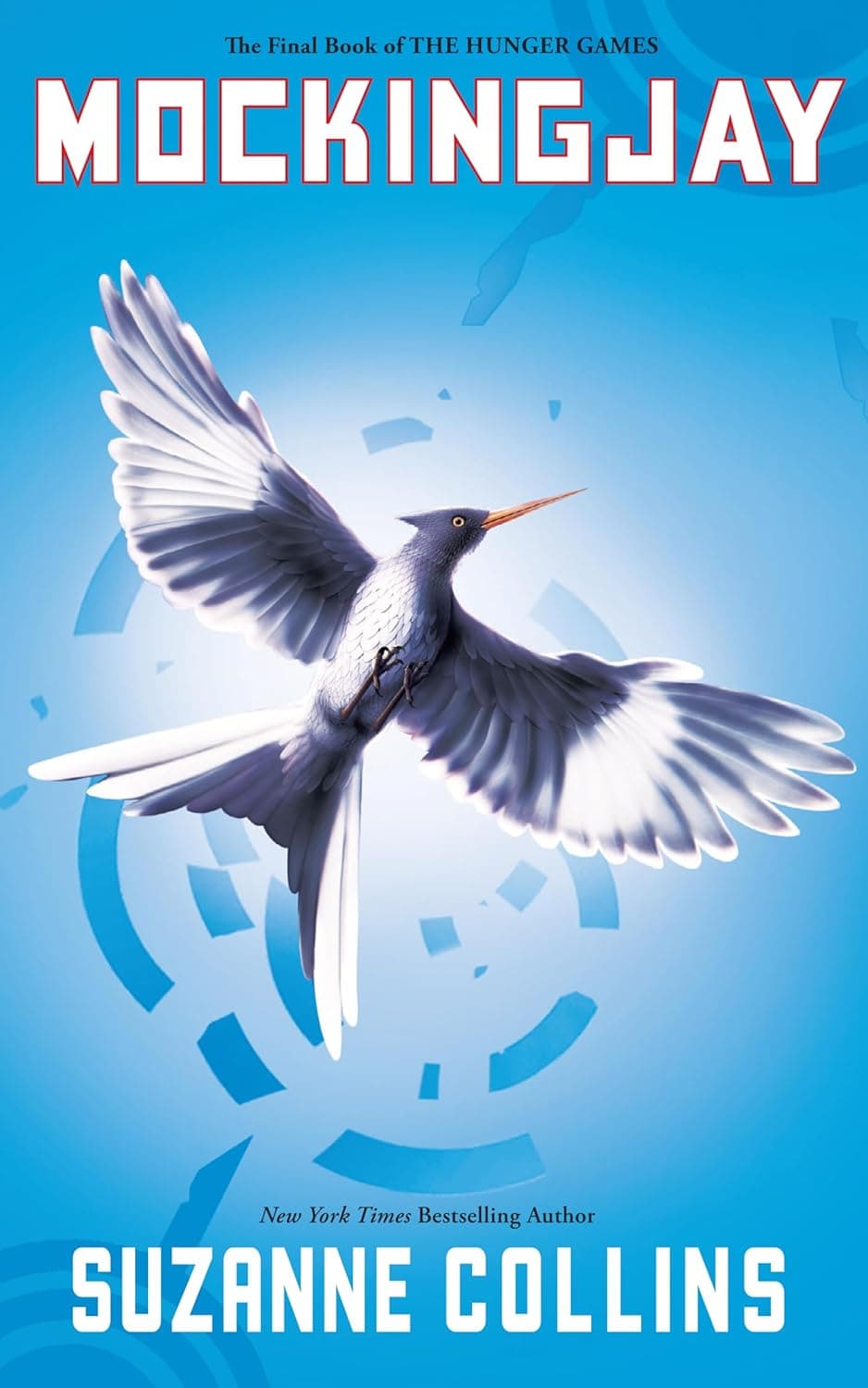
Should you read Mockingjay?
What works
Katniss's trauma shapes memory and action, while District 13 and the propos show that opposition can reproduce the Capitol's instrumental logic.
What may not work for you
The military geography becomes confusing, major events occur through fragmented perception, and some relationships receive abrupt closure.
What may test your patience
Training, propaganda shoots, and repeated recovery interrupt conventional momentum, reflecting trauma but creating a jagged middle.
Does the ending reward the effort?
Yes. The final political choice rejects the simple transfer of power, and the quiet aftermath allows survival to remain damaged rather than celebratory.
Reading Mockingjay closely
Mockingjay shifts The Hunger Games trilogy from arena survival to full scale war. Katniss finds herself in District 13, asked to become the face of a revolution that has already started using her image without her full consent. The arenas are gone, but the pressure is higher, and the lines between battlefield, propaganda set, and hospital ward blur quickly.
Instead of focusing only on missions, Suzanne Collins spends time on recovery, trauma, and the work of putting people back together. Propo shoots, strategy meetings, and rescue plans all matter, yet some of the most affecting chapters are quiet ones where characters admit what they have lost or what they are afraid of becoming. War is present in the explosions, but it is just as present in nightmares, arguments, and long silences.
Katniss remains compelling because she is brave, furious, stubborn, and deeply tired, often all in the same scene. Gale, Peeta, Boggs, Coin, and other key figures complicate her choices instead of offering simple answers. For another series that plays with the intersection of power, propaganda, and personal cost, you can compare Mockingjay with our thoughts on A Clash of Kings, where similar questions appear in a very different world.
Read today, Mockingjay feels less like a traditional finale and more like a story about what it means to survive after being turned into a symbol. It is interested in who gets to write the official version of events, what is left out, and how someone who has been used as a figurehead might try to reclaim even a small part of their own life.
Book 3 and trilogy context
Mockingjay is the third novel in the original trilogy and assumes the events of The Hunger Games and Catching Fire.
Use the Hunger Games reading-order guide for the complete series sequence and the role of the later prequels.
War, propaganda, and pace
The arena structure gives way to military planning, propaganda work, and recovery, so the finale has a more fragmented rhythm than the first two books.
The story remains close to Katniss while questioning how rival leaders shape her public image and how war affects relationships away from the battlefield.
Three useful comparisons
Catching Fire
Catching Fire offers tighter suspense and clearer alliance mechanics; Mockingjay handles their political cost.
Best for: Readers continuing the trilogy who want broader rebellion, stronger alliances, and another tightly designed arena.
Harry Potter and the Deathly Hallows
Deathly Hallows provides more mythic closure and a clearer enemy; Mockingjay is more suspicious of revolutionary leadership.
Best for: Readers who have completed the series and want war, sacrifice, revelations, and a definitive conclusion rather than another school year.
1984
1984 offers the darker endpoint of political control over truth and intimate loyalty.
Best for: Readers interested in propaganda, surveillance, political language, and dystopias that offer pressure rather than escapism.
Make the next decision
Reading and buying guides featuring Mockingjay
Series buying note
Would the collection be the better buy?
These are useful only when you want several books in the same run. The notes below spell out what each package includes and, just as importantly, what it leaves out.
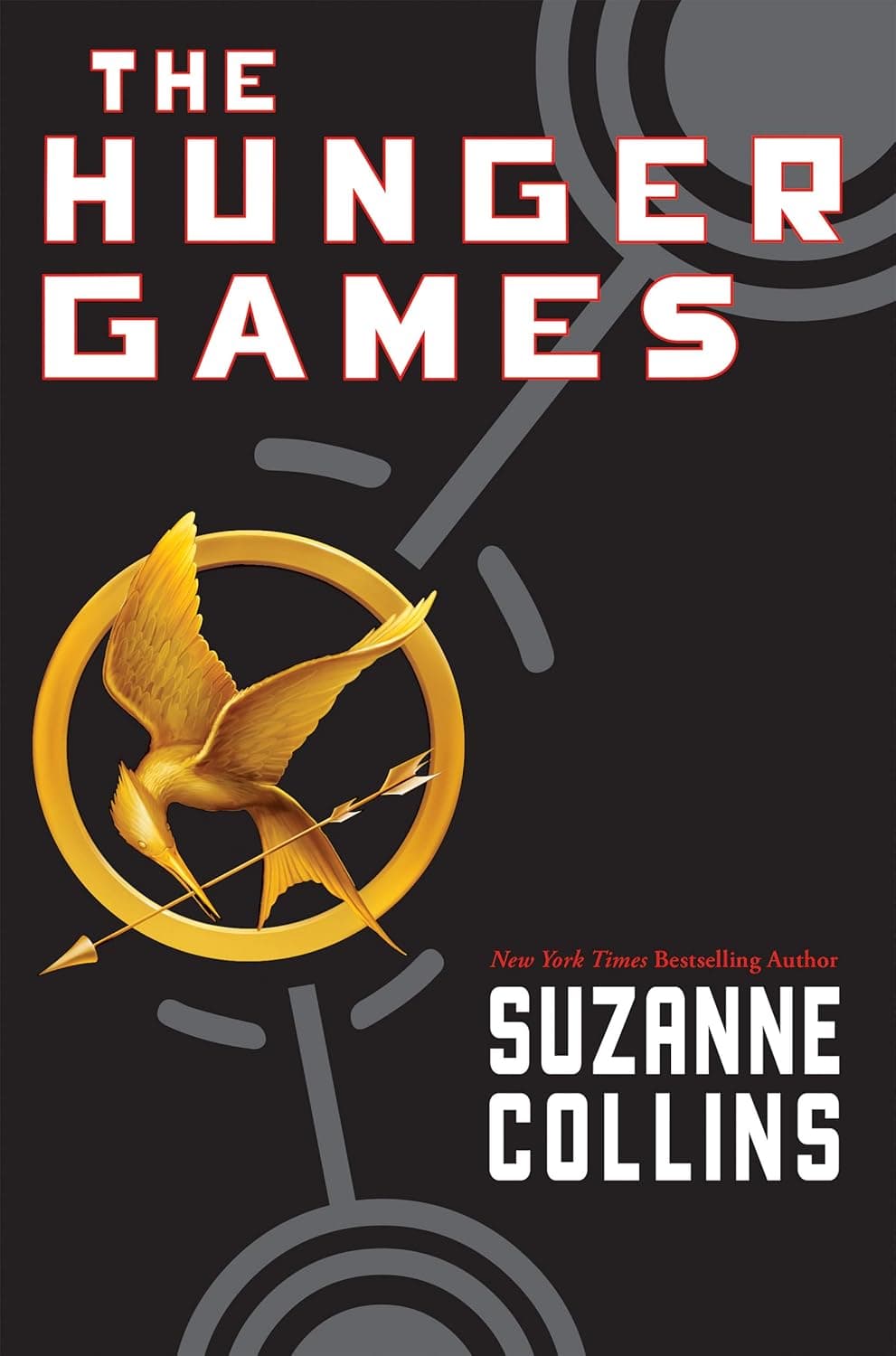
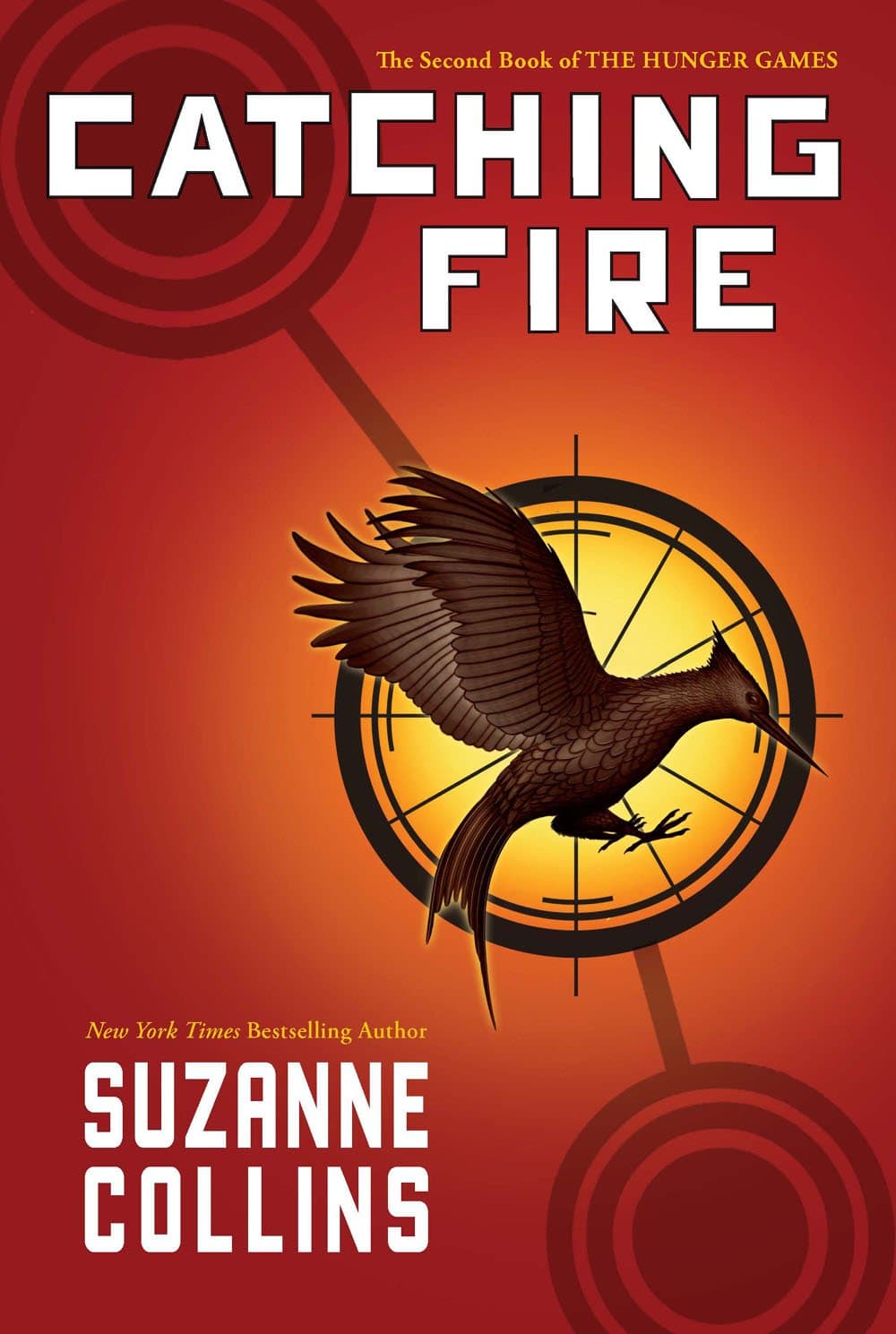
Three-book paperback box set
The Hunger Games Trilogy Boxed Set
The three volumes cover Katniss Everdeen's story from the first arena through the end of the rebellion without mixing in the later prequels.
Included: The Hunger Games, Catching Fire, Mockingjay
Our buying note: Choose this for the original trilogy. The Ballad of Songbirds and Snakes and Sunrise on the Reaping are separate prequel novels and are not included.