Before you read
What Genre Is The Hunger Games? YA Dystopia, Science Fiction, or Fantasy
The Hunger Games is primarily young adult dystopian fiction, with science-fiction worldbuilding and survival-thriller momentum. It is not fantasy, even though its heightened world can feel imaginative.
Short answer
The Hunger Games is primarily YA dystopian fiction
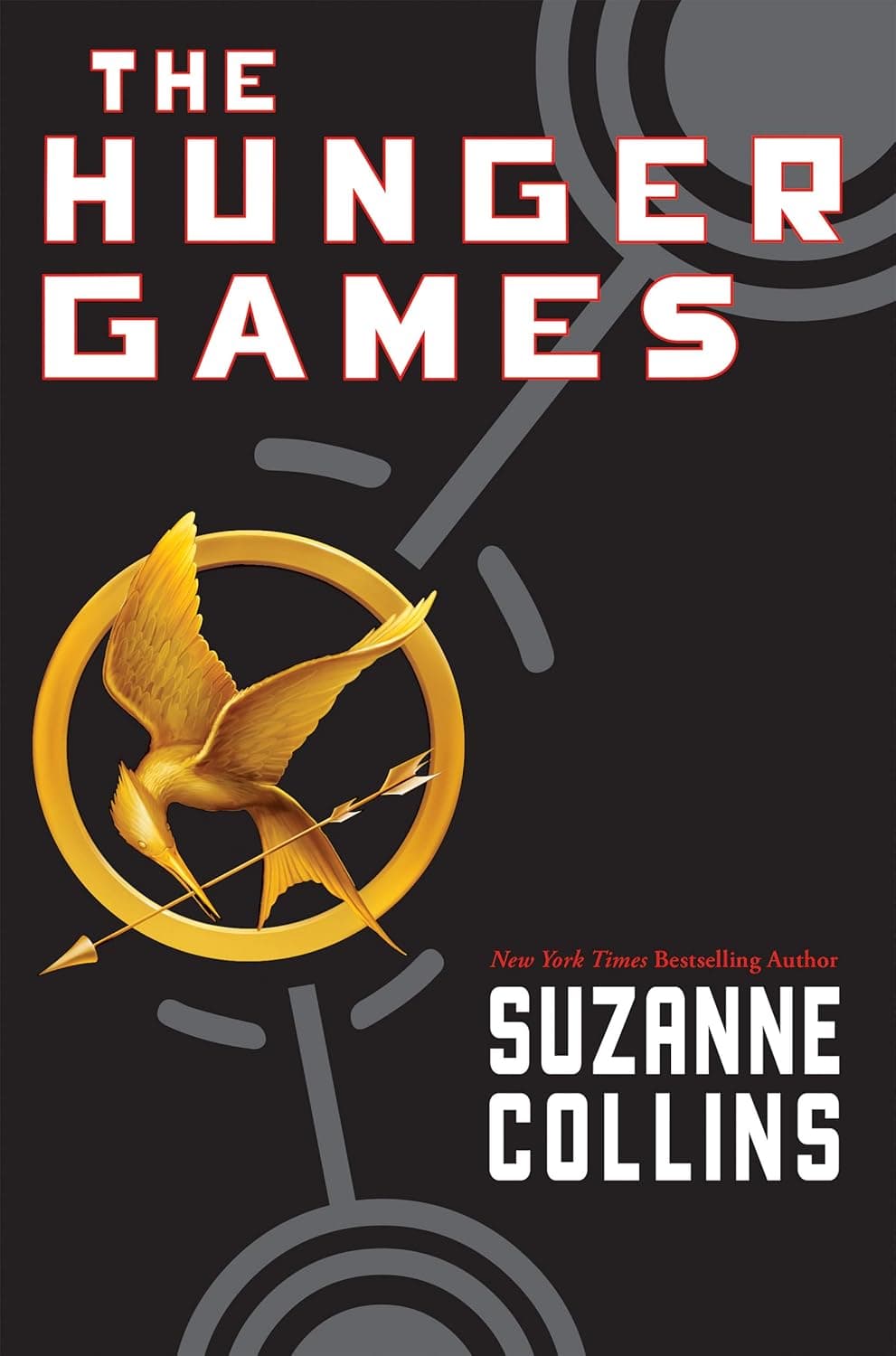
The Hunger Games is best classified as young adult dystopian fiction. It imagines a future society in which the Capitol controls its districts through inequality, surveillance, propaganda, and an annual televised killing contest. The setting uses science-fiction ideas such as a future North America, engineered spectacle, advanced media, and institutional technology, but the story is not hard science fiction. It is also not fantasy: there is no magic system or supernatural world. The clearest shorthand is YA dystopian science fiction with survival-thriller and political elements.
Genre labels are useful when they help you predict the reading experience, but The Hunger Games sits at the overlap of several shelves. A library may place it with young adult fiction, a bookseller may list action and adventure, and a reader may describe it as dystopian, science fiction, political thriller, or survival fiction. Those descriptions are not competing answers. They describe different layers of the same book.
Those labels describe different parts of the same reading experience. The original The Hunger Games is a YA dystopia with science-fiction, survival-thriller, and political elements. For a closer look at Katniss, Panem, and the book's choices, read our The Hunger Games review. For the trilogy and prequels, use our Hunger Games books in order guide.
The book discussed here
Ready to try The Hunger Games?
Read more about the book, or see the formats currently listed on Amazon.
As an Amazon Associate, I earn from qualifying purchases.
The labels at a glance
How the genre descriptions fit together
Each label answers a slightly different question. The primary label tells you where the book belongs; the supporting labels describe its setting, momentum, and subject matter.
1
Young adult fiction
Audience and perspective
The novel is written for a young adult audience and centers a teenage protagonist whose choices, fears, loyalties, and limited knowledge shape what the reader can understand. That classification does not mean the book is simple or suitable for every younger reader. Its questions about power and violence are serious, while the direct prose keeps the story accessible.
What this tells you: choose it if you want a readable coming-of-age perspective under extreme pressure, whether you usually shop in YA or adult fiction.
2
Dystopian fiction
The central genre
Panem is organized around an oppressive political order that presents control as social stability. The districts experience scarcity and unequal power while the Capitol turns punishment into public entertainment. The book's dystopian force comes from seeing how institutions make cruelty routine, visible, and difficult to resist.
What this tells you: choose it if you want authoritarian worldbuilding tied to inequality, propaganda, surveillance, and the public management of fear.
3
Science fiction elements
The speculative layer
The story takes place in a future version of North America and uses technology, media systems, engineered environments, and state infrastructure to make its society possible. Those details support the political premise instead of becoming a technical puzzle. The science fiction is social and institutional more than laboratory-focused.
What this tells you: choose it if you enjoy speculative futures that ask how technology and media can reinforce power without requiring dense scientific explanation.
4
Survival thriller
The reading momentum
The immediate plot is built around a forced contest, scarce resources, shifting alliances, public performance, and the need to make fast decisions under observation. That gives the novel thriller energy even when its larger concerns are political. The suspense comes from both physical danger and uncertainty about how every action will be interpreted.
What this tells you: choose it if you want clear stakes and forward motion, but expect the action to carry questions about agency, spectacle, and moral compromise.
Genre questions answered
Which shelf should The Hunger Games go on?
The most accurate answer depends on what you mean by genre. The primary classification is not the only useful description.
| Question | Best answer | What that means for you |
|---|---|---|
| What is the primary genre? | Young adult dystopian fiction | Expect a teenage point of view inside an unequal authoritarian society. |
| Is it science fiction? | Yes, mainly social and futuristic science fiction | The future setting and systems matter more than technical explanation. |
| Is it fantasy? | No, not in the usual genre sense | There is no magic, supernatural mythology, or fantasy creature system. |
| Is it a thriller? | It has strong survival-thriller elements | The plot moves through danger, time pressure, reversals, and uncertain alliances. |
| Is it only for teenagers? | No | Adults can read it as political, media-focused, or speculative fiction, though the narrator is young adult. |
Why dystopian is the most important label
Dystopian fiction is not simply fiction set after a disaster. It usually examines a society that claims to provide order while distributing safety, freedom, and dignity unequally. The Hunger Games fits that definition through Panem's relationship between the Capitol and its districts. The annual Games are not an isolated adventure imposed on an otherwise ordinary country. They are a political ritual that reminds the districts what the Capitol can take from them and teaches the audience how to watch suffering as entertainment.
That makes the setting inseparable from the plot. Food, clothing, cameras, sponsors, public speech, and reputation are not decorative details. They are parts of the system Katniss has to navigate. The book's dystopian questions include who controls the story, how fear becomes normal, and whether a person can act freely when every gesture can be turned into a message.
How the science-fiction elements work
The Hunger Games is science fiction because it projects recognizable human institutions into a future shaped by technological and political change. Panem's broadcast culture, surveillance, medical resources, constructed arena, and state infrastructure make the Games possible. The novel does not pause to explain every machine or offer a detailed scientific history. Instead, speculative details appear when Katniss encounters them and when they affect survival, image, or control.
This is closer to social science fiction than hard science fiction. The book is interested in what a future society might do with technology, media, and unequal resources, not in making readers calculate how each invention works. If you normally avoid technical space fiction, that does not automatically make The Hunger Games a poor fit. Its speculative ideas remain concrete and easy to follow because they are filtered through one person's immediate needs.
Is The Hunger Games fantasy?
In the usual bookstore sense, no. The Hunger Games does not use magic, spells, gods, supernatural rules, or a secondary world with fantasy creatures. Its heightened setting can feel imaginative because Panem is far removed from ordinary contemporary life, but invented political geography is not the same thing as fantasy. A future society with advanced or unfamiliar technology belongs more naturally under science fiction.
Some broad classification systems place science fiction and fantasy together, and readers may casually use speculative fiction for both. That explains why the book sometimes appears near fantasy titles. The more precise description remains YA dystopian science fiction, with action, survival, and political-thriller elements.
Tone, accessibility, and reading expectations
The prose is direct and the central rules are easy to understand, which makes the book accessible even when the subject matter is severe. The story does not require a glossary, a map, or extensive knowledge of real-world politics before you begin. Panem is introduced through Katniss's routines, memories, travel, preparation, and observations rather than through a long history lesson. That keeps the opening grounded before the scale of the system becomes clearer.
Accessible does not mean light. The premise involves young people being forced into a televised fight to the death, and the story treats fear, grief, deprivation, and public manipulation as real pressures. Readers should expect tension, violence, and emotionally difficult situations, even though the writing is clear and the worldbuilding is easy to enter. The tone is serious, urgent, and often bleak, with moments of tenderness and dry observation that keep it from becoming one-note.
Who the book suits and where the series goes
The Hunger Games suits readers who want a fast, focused story with a strong first-person voice, a clear survival problem, and political ideas embedded in action. It is a good match for readers interested in propaganda, inequality, media spectacle, reluctant symbols, and characters forced to make ethical choices without complete information. Adults who prefer literary or political speculative fiction may also find plenty to discuss, even though the marketing and perspective are YA.
Skip it if you want cozy adventure, low-stakes school drama, or a fantasy quest built around magic. It also asks for more emotional attention than the quick chapters might suggest. The original novel begins the main trilogy, and later books widen the political and emotional consequences of what Katniss experiences here. The prequels move to earlier periods in Panem, but the best first-read path is still the original trilogy before the prequel material. The Hunger Games books in order guide lays out publication order and chronology.
You can begin with the original novel without committing to every later book immediately. It provides the foundation for the world, the Games, Katniss's perspective, and the series' questions about spectacle and control. If you want the premise, tone, and audience fit assessed in review form before starting, read our spoiler-light The Hunger Games review.
Quick answers
Questions readers ask before buying
What genre is The Hunger Games?
The Hunger Games is primarily young adult dystopian fiction. It also includes social science-fiction worldbuilding, survival-thriller momentum, political suspense, and coming-of-age elements.
Is The Hunger Games science fiction or fantasy?
It is science fiction rather than fantasy. The future setting, technology, media systems, and engineered arena support a dystopian society, but the story has no magic or supernatural system.
Is The Hunger Games appropriate for adults?
Yes. It is classified as young adult, but adults can read it as political and social science fiction. The prose is accessible, while the premise and themes involve violence, grief, inequality, propaganda, and coercion.
Is The Hunger Games a thriller?
It has strong survival-thriller elements, including immediate danger, scarce resources, uncertain alliances, public pressure, and rapid decisions. Dystopian fiction remains the more complete primary classification.
Should I read the Hunger Games books in order?
For a first read, begin with The Hunger Games and continue through the original trilogy before the prequels. Our Hunger Games books in order guide explains why publication order and chronological order create different experiences.
Sources
Sources for this guide
Genre labels are drawn from Scholastic's product and series descriptions, while the distinctions between primary genre, audience category, science fiction, fantasy, and thriller are editorial explanations based on the visible book premise and existing review coverage.
Keep reading