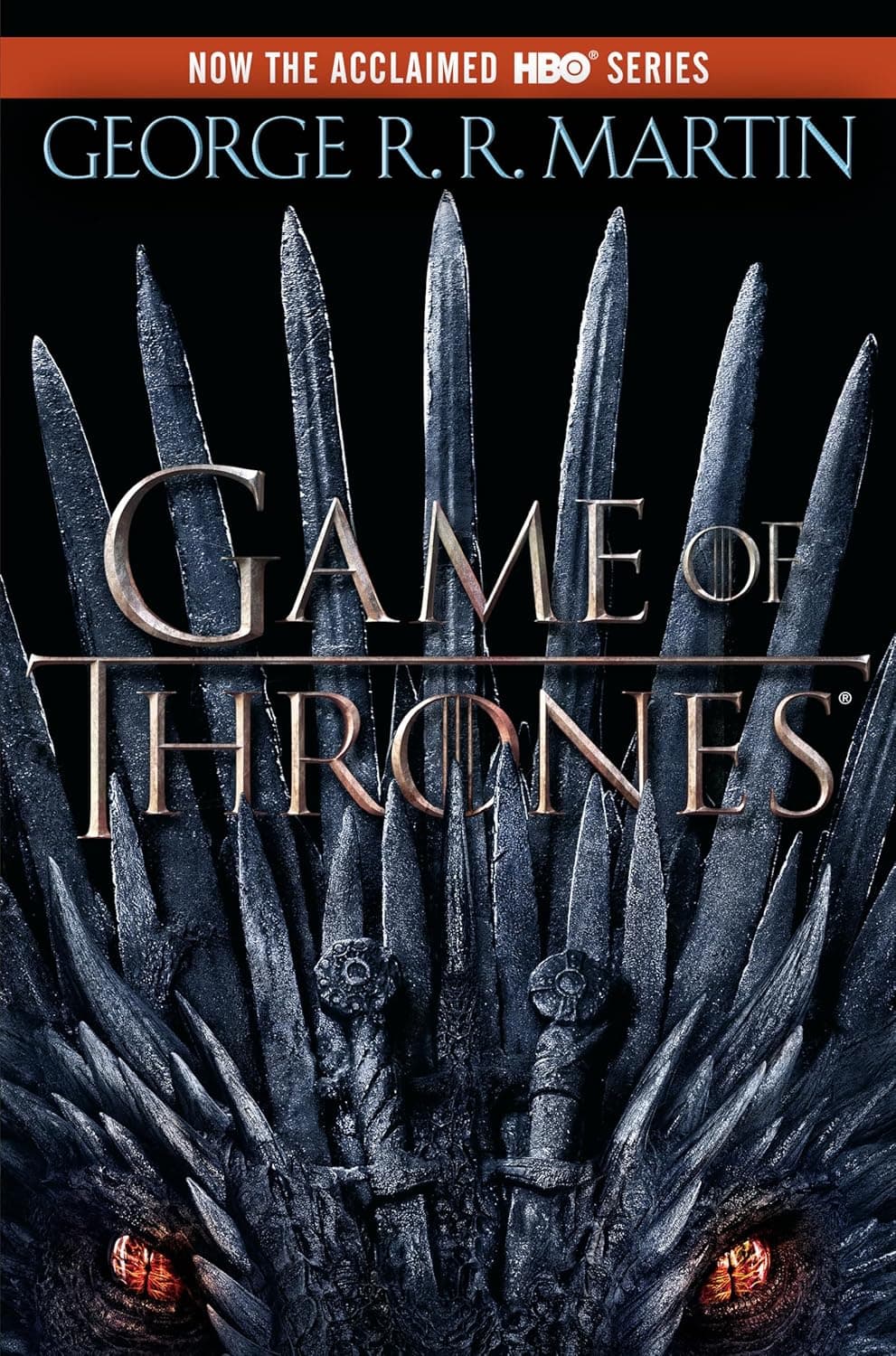
Dystopian reading order
The Hunger Games Books in Order: Publication vs Chronological Order
The timeline begins long before Katniss, but the series is written as an argument that changes meaning when the prequels are read after the original trilogy. Chronology is tidy. Publication order is better storytelling.
Recommended order
Read all five Hunger Games novels in publication order
Start with The Hunger Games, continue through Catching Fire and Mockingjay, then read The Ballad of Songbirds and Snakes and Sunrise on the Reaping. The two prequels occur earlier, but they are written for readers who already understand what the Games, the Capitol, songs, names, and small acts of resistance will become. Chronological order begins with Ballad, moves to Sunrise, and ends with the Katniss trilogy. Save that route for a reread.
Suzanne Collins did not expand Panem by filling empty years neutrally. Each prequel chooses a familiar part of the original trilogy and asks the reader to see its construction differently. The Ballad of Songbirds and Snakes follows the Tenth Hunger Games and a young Coriolanus Snow. Sunrise on the Reaping returns to the Second Quarter Quell, twenty-four years before Katniss enters the arena. Both supply history, but both also depend on dramatic irony. We recognize institutions and names whose future meaning the younger characters cannot.
A timeline and a reading order answer different questions. Chronology shows what happened first inside Panem. Publication order preserves the way Collins reveals power. The original trilogy begins with a young person who knows the system is cruel but does not yet see every way her image will be used. The prequels move backward to show how spectacle, propaganda, mentorship, memory, and selective history made that system durable.
Publication order
The best order for a first visit to Panem
This sequence protects the original trilogy's discoveries and lets the prequels speak back to them. Dates are U.S. first-publication dates supplied by Scholastic.
1
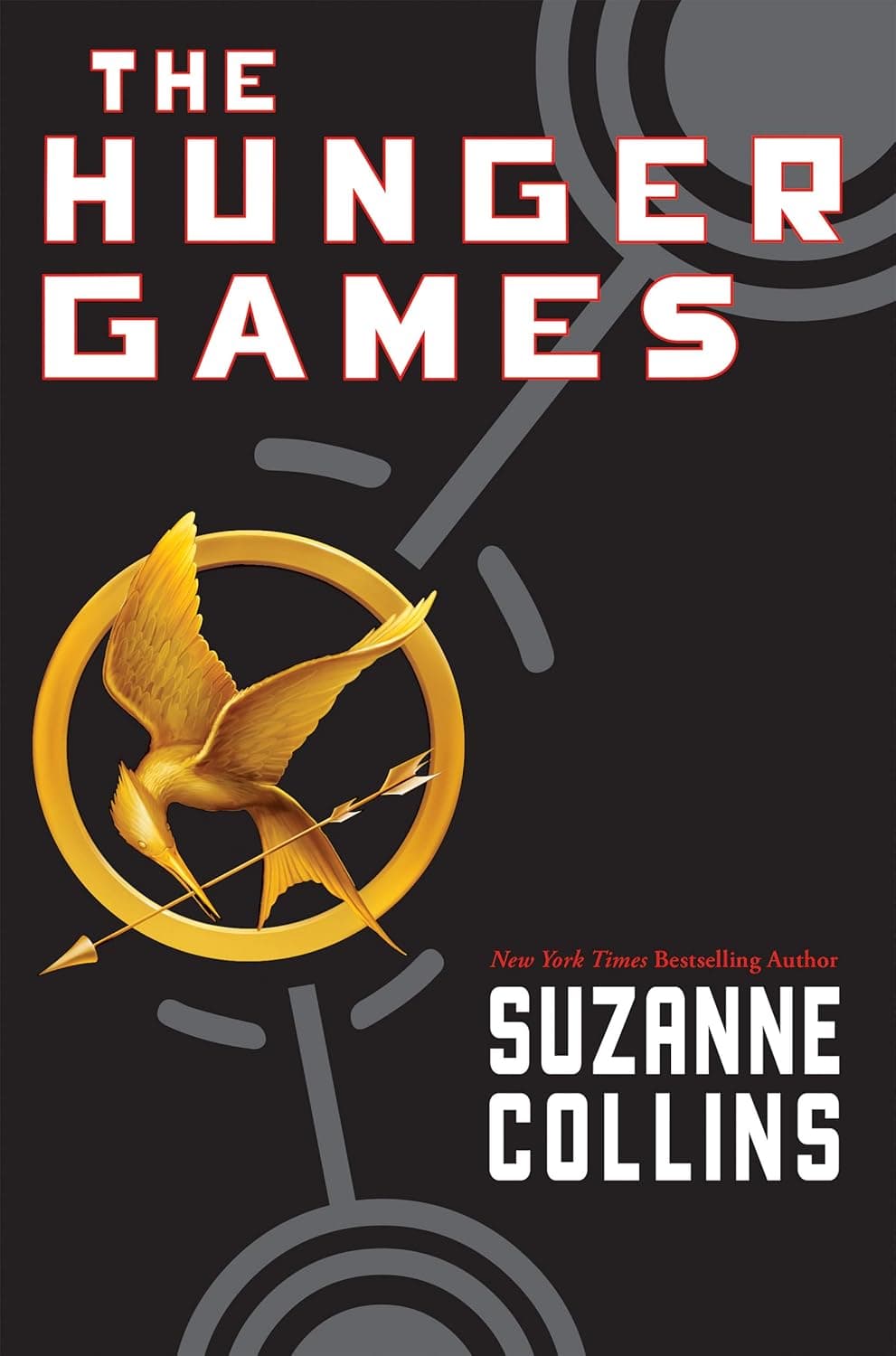
The Hunger Games
Published September 2008
Katniss volunteers for Prim and enters the Seventy-fourth Hunger Games with survival knowledge, distrust of performance, and little sense of how a national audience will interpret her choices. The first-person present tense restricts information to immediate danger. That narrowness is crucial. Panem is learned through hunger, debt, clothing, sponsors, cameras, and the calculations of staying alive, not through a historical lecture.
Why this position works: Begin here even if you know the premise from the films. The prequels assume the symbolic weight that this novel creates.
2
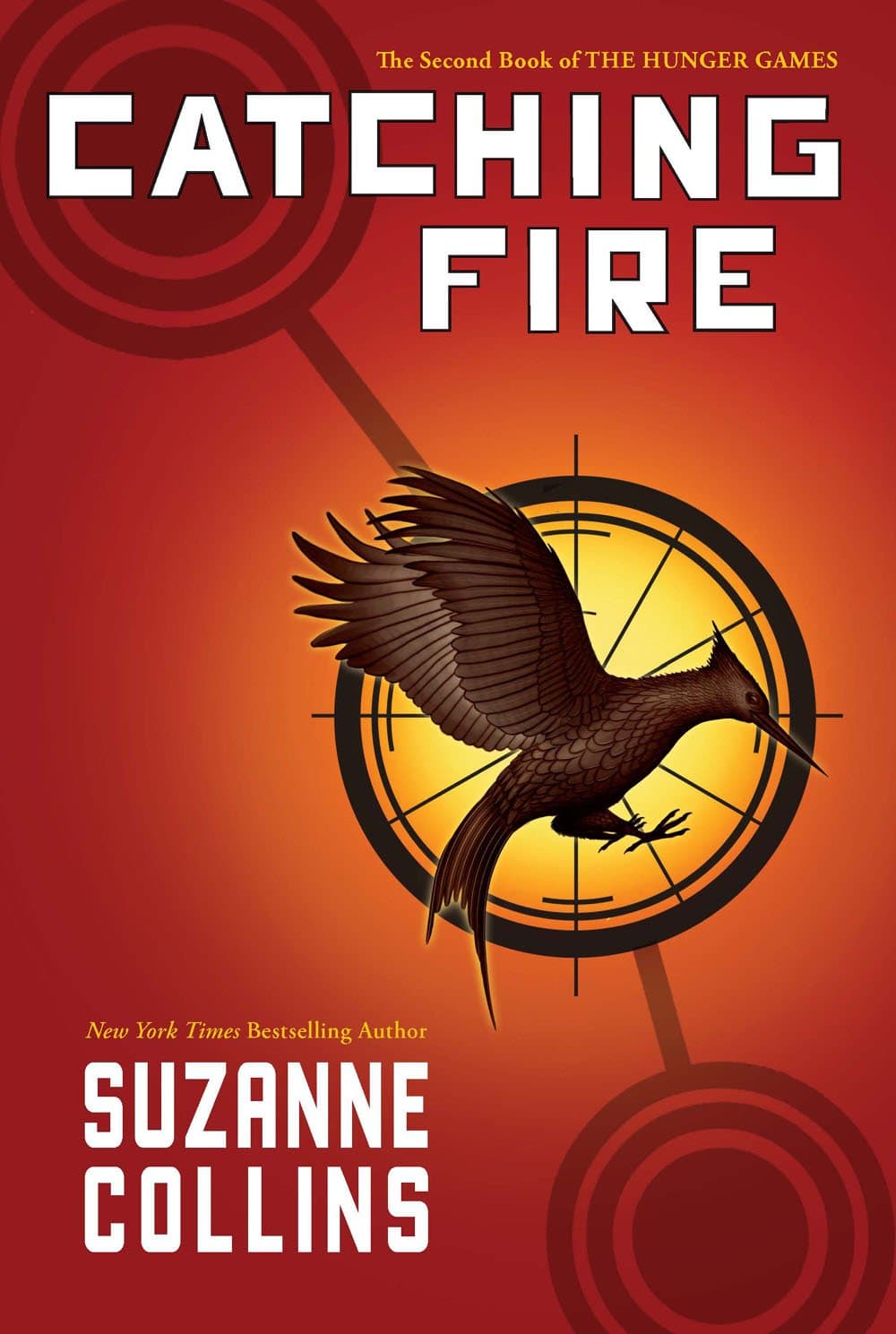
Catching Fire
Published September 1, 2009
Victory does not release Katniss from the Capitol's story. A tour, political unrest, and the Quarter Quell reveal that a public act can travel farther than its author understands. The novel widens Panem while preserving Katniss's limited access to plans around her. Its structure intentionally revisits the arena under different political conditions rather than simply repeating the first contest.
Why this position works: Read immediately after book one. It turns the first ending into a beginning and supplies the institutional scale required by Mockingjay.
3
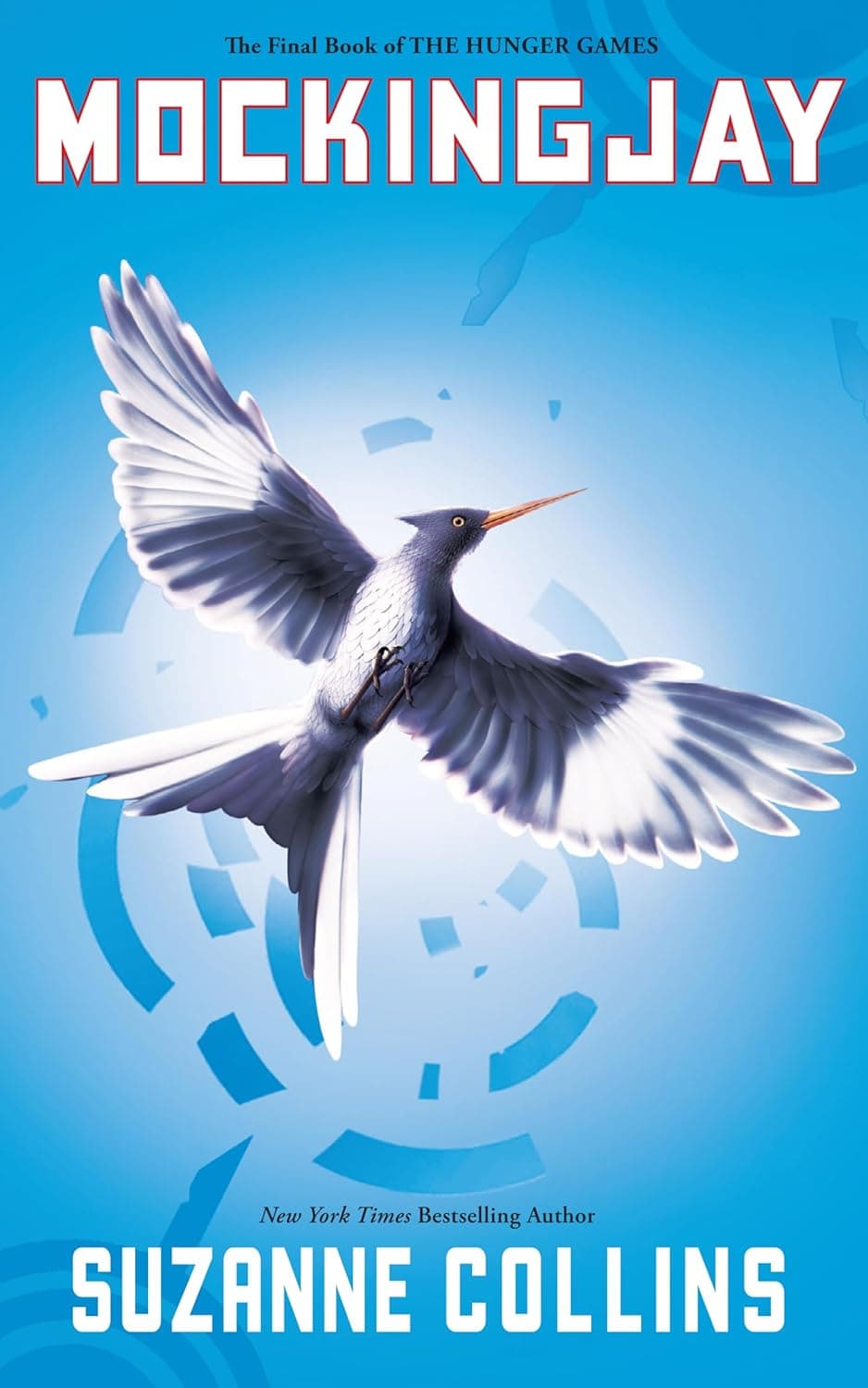
Mockingjay
Published August 24, 2010
The original trilogy leaves the arena but not the logic of spectacle. Rebellion needs images, scripts, symbols, and acceptable casualties too. Collins keeps the story close to Katniss's trauma and frustration, refusing the clean strategic overview another narrator might provide. The result can feel harsher and less conventionally triumphant, which is exactly why the later prequels have a moral foundation to interrogate.
Why this position works: Finish Katniss's complete arc before moving backward. Stopping after Catching Fire leaves both plot and the series' argument unfinished.
4
The Ballad of Songbirds and Snakes
Published May 19, 2020
At the Tenth Hunger Games, a young Coriolanus Snow mentors Lucy Gray Baird while the event itself is still becoming the polished national ritual seen decades later. The novel does not ask readers to excuse the man Snow becomes. It examines ambition, scarcity, performance, and the choices through which he repeatedly values control over trust. Familiar songs and names carry irony precisely because the trilogy came first.
Why this position works: Read fourth. It is earliest chronologically, but starting here replaces intended recognition with ordinary background information.
5
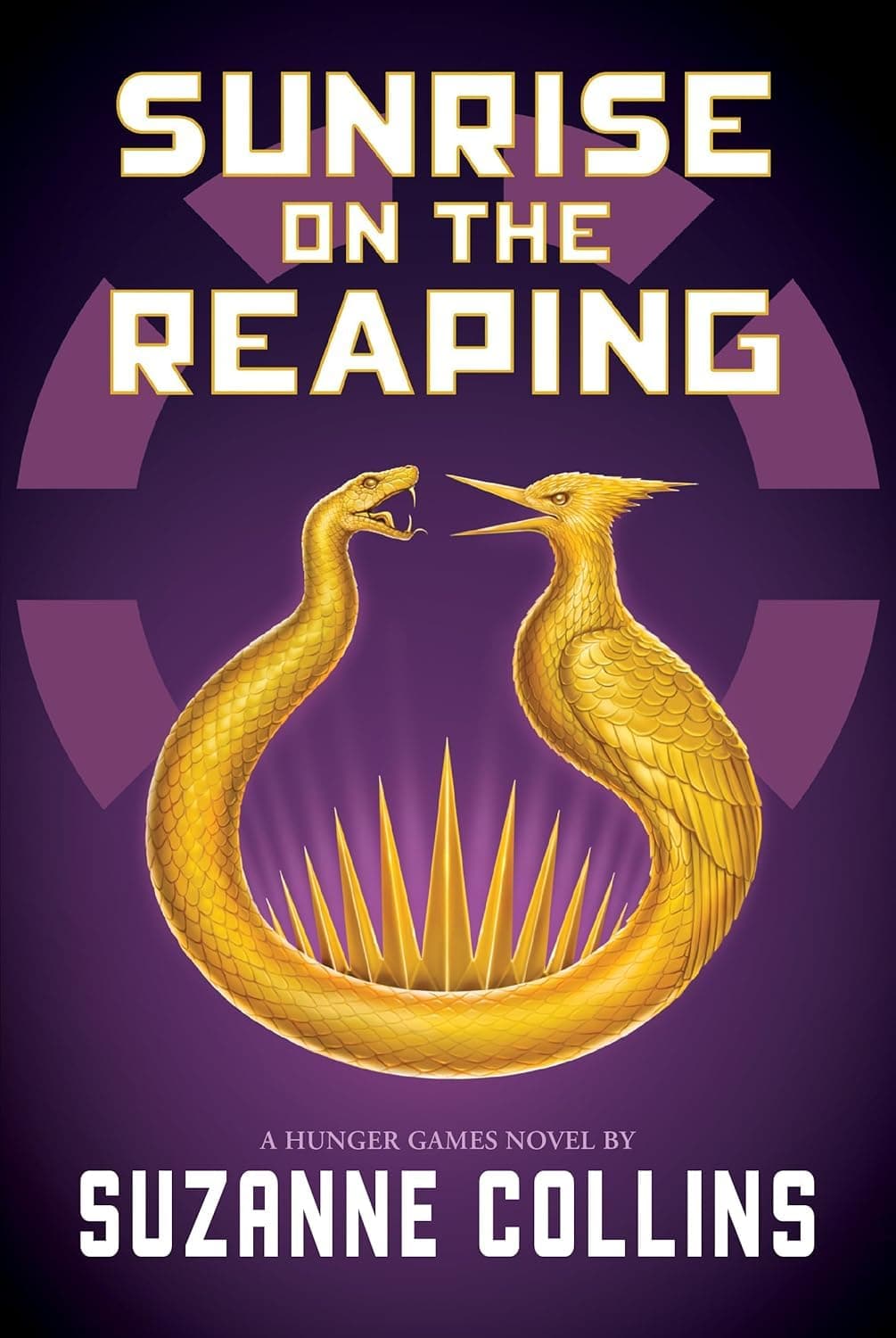
Sunrise on the Reaping
Published March 18, 2025
The second prequel centers the reaping and Games that made Haymitch a victor, twenty-four years before the original novel. The known outcome does not remove suspense because survival is only one question. The book is interested in who controls the record, what the public is allowed to remember, and how a person recognized by Katniss as damaged reached that state.
Why this position works: Read last on a first pass. It gains force from the trilogy's Haymitch and from Ballad's account of an earlier, less refined spectacle.
Series buying note
Would the collection be the better buy?
These are useful only when you want several books in the same run. The notes below spell out what each package includes and, just as importantly, what it leaves out.
Three-book paperback box set
The Hunger Games Trilogy Boxed Set
The three volumes cover Katniss Everdeen's story from the first arena through the end of the rebellion without mixing in the later prequels.
Included: The Hunger Games, Catching Fire, Mockingjay
Our buying note: Choose this for the original trilogy. The Ballad of Songbirds and Snakes and Sunrise on the Reaping are separate prequel novels and are not included.
Two valid sequences
Publication order versus Panem chronology
Chronology is useful for study and rereading. Publication order produces the strongest first encounter.
| Position | Publication order | Chronological order | What changes |
|---|---|---|---|
| 1 | The Hunger Games | The Ballad of Songbirds and Snakes | Mystery first versus institutional origin first |
| 2 | Catching Fire | Sunrise on the Reaping | Katniss's expansion versus Haymitch's earlier trauma |
| 3 | Mockingjay | The Hunger Games | Rebellion closes before or after the prequel context |
| 4 | The Ballad of Songbirds and Snakes | Catching Fire | Snow becomes explanation or dramatic irony |
| 5 | Sunrise on the Reaping | Mockingjay | The story ends with memory or revolution |
Why chronological order weakens a first read
Ballad spends time showing a rougher Hunger Games, before many features recognizable from Katniss's arena have been perfected. If it comes first, those changes are merely worldbuilding. If it comes after the trilogy, each invention becomes an accusation. The reader knows what the experiment will grow into and can watch people normalize one decision at a time.
Sunrise has a similar relationship to memory. Haymitch enters the trilogy as a victor whose alcoholism, intelligence, and hostility make sense before his history is known in detail. The prequel is designed to reopen that known person. Reading his youth first gives information but removes the painful act of revision.
Which box set should a new reader buy?
The three-book Hunger Games Trilogy Boxed Set contains Katniss's complete original sequence: The Hunger Games, Catching Fire, and Mockingjay. It is still a coherent purchase. The story reaches an ending, the editions match, and a reader who stops there has not bought the first half of an unfinished arc. The Ballad of Songbirds and Snakes and Sunrise on the Reaping are separate prequels.
Scholastic has announced a five-book paperback boxed set scheduled for September 1, 2026. That set is the more complete option once available, but check the product contents rather than assuming every box advertised as complete includes both prequels. If you already own the trilogy, buying the two prequels individually is usually more sensible than replacing books for a matching spine.
The best order for films and books
For a book-first experience, finish each novel before its adaptation and keep publication order. The films necessarily externalize Katniss's limited narration and can reveal political activity she does not witness. That makes them excellent companions but slightly different instruments. Reading first preserves her uncertainty.
Readers who already know the movies should still begin with The Hunger Games. Interior calculation, hunger, physical recovery, and Katniss's interpretation of Peeta receive more space on the page. The known plot does not erase those differences. Avoid jumping directly to Sunrise simply because its film is current; its relationship to Haymitch assumes the older story.
A chronological reread has one real advantage
Once every reveal is known, starting with Ballad makes institutional change visible across sixty-four years before Katniss. Sunrise then shows a more polished Capitol, a more sophisticated response to resistance, and a culture better able to edit the meaning of a victor. The original trilogy becomes the point where accumulated control encounters a symbol it cannot fully contain.
That route is especially useful for discussing propaganda, because slogans, songs, broadcast choices, and remembered narratives can be followed across generations. It is not the superior order in the abstract. It is a focused second reading with a different question.
Quick answers
Questions readers ask before buying
What is the chronological order of The Hunger Games books?
The Ballad of Songbirds and Snakes comes first, followed by Sunrise on the Reaping, The Hunger Games, Catching Fire, and Mockingjay.
Should I read Ballad before The Hunger Games?
Not on a first read. Ballad is set earlier, but its young Snow, songs, names, and primitive Games are more meaningful after the original trilogy.
Where does Sunrise on the Reaping fit?
It is set twenty-four years before The Hunger Games and follows Haymitch's Quarter Quell. Read it fifth in publication order or second in a chronological reread.
Does the trilogy box set include the prequels?
No. The listed trilogy set contains The Hunger Games, Catching Fire, and Mockingjay. Scholastic announced a separate five-book paperback set for September 1, 2026.
Is the original Hunger Games trilogy complete by itself?
Yes. Katniss's central story reaches its ending in Mockingjay. The prequels deepen Panem's history rather than continuing her plot.
Sources
Sources for this guide
Publication dates and official setting intervals were checked against Scholastic. The preference for publication order is an editorial judgment based on how the prequels use recognition and dramatic irony.
Keep reading